How to Decorate a Home Without Clutter
Learning how to decorate a home without clutter requires a shift in mindset from collecting items to curating a space. It is about choosing pieces that earn their spot in your room while leaving enough open area to rest your eyes.
When you manage your home effectively, you will notice a reduction in visual noise and daily maintenance. As of 2026, design standards suggest that maintaining high levels of negative space directly contributes to a lower cognitive load and a more relaxing living environment.
Quick Answer
Learning how to decorate a home without clutter is simple. You must prioritize open surfaces over crowded displays. Remove unused items to improve room flow.
Use closed storage for daily functional objects. Keep your decor intentional and limited in scale. These steps create a calm and balanced living space.
The Psychology of Visual Space: Why Less Actually Means More
Visual clutter is more than just a messy room. It is a form of sensory input that competes for your attention throughout the day. When every surface is covered with trinkets, your brain struggles to find a focal point.
Research into environmental psychology indicates that disorganized surroundings can increase stress indicators. This creates an atmosphere of low-grade tension. By removing the excess, you allow your home to become a place of recovery.
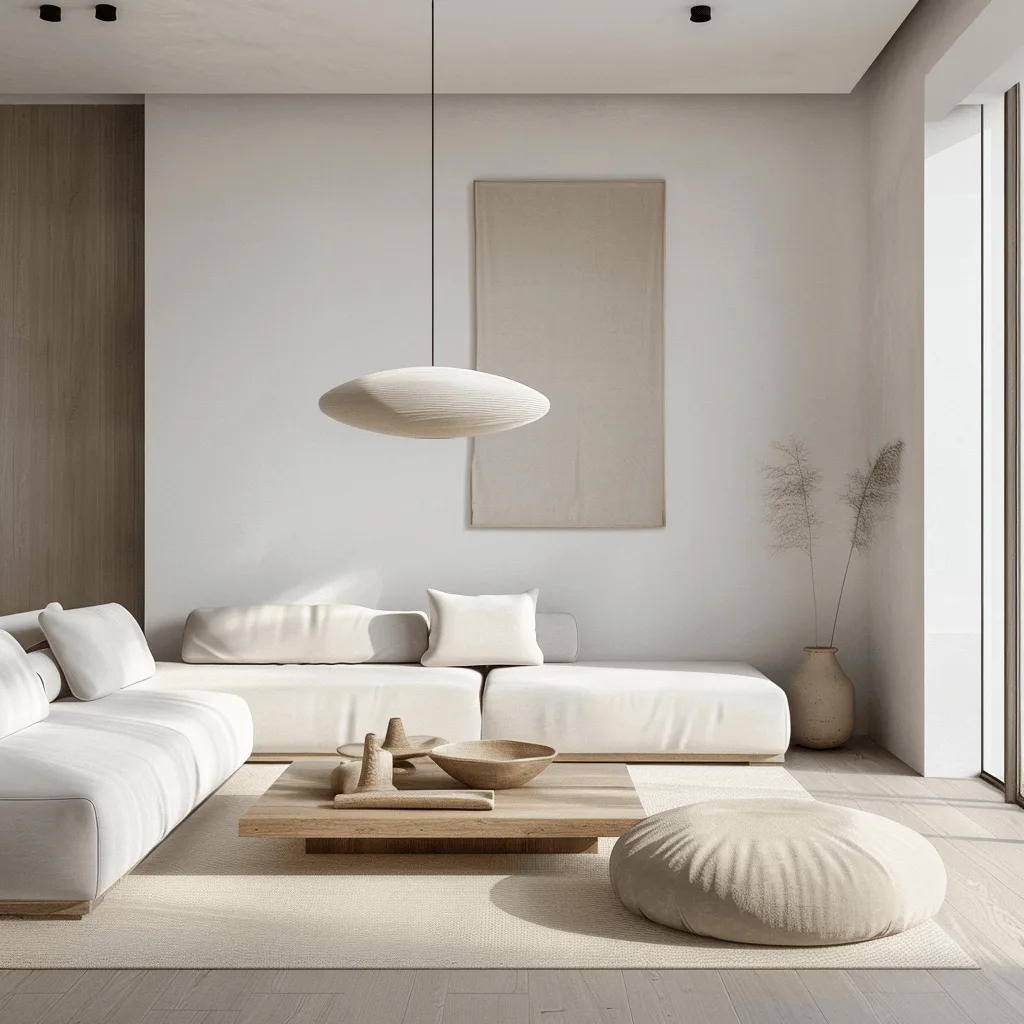
A simplified room feels larger and more inviting. You gain the ability to appreciate the specific items you choose to display. You are not removing personality.
You are highlighting it.
The 50% Rule: Mastering Surface Area and Negative Space
The 50% rule is a simple guide for balancing decor on any flat surface. The concept is straightforward: keep half of every shelf or tabletop completely clear of objects. This empty space is known as negative space.
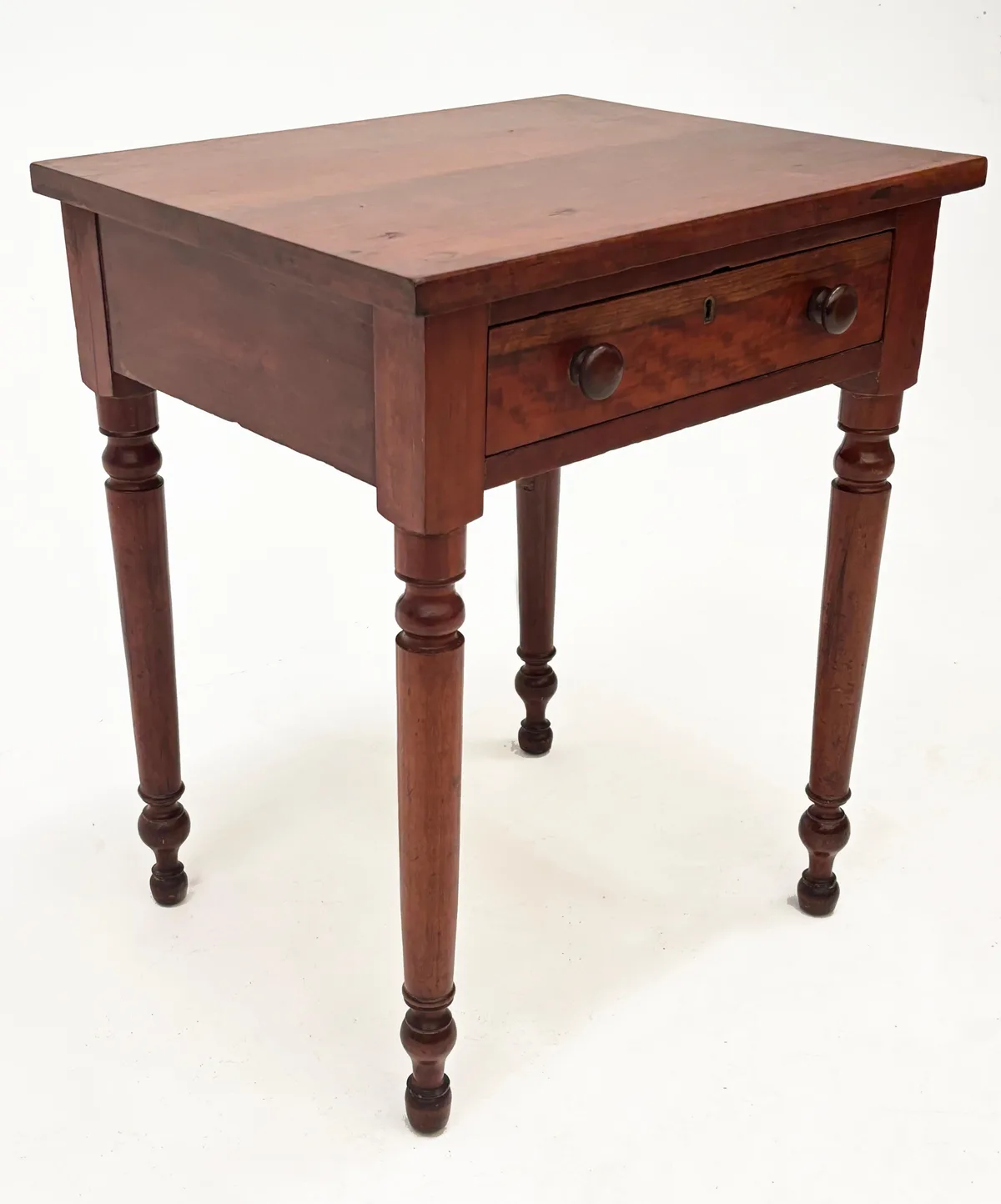
Negative space allows your eyes to travel across a room without stopping at every small object. It defines the boundaries of your decor. Without it, a console table simply becomes a dumping ground for keys and mail.
| Surface Type | Goal | Strategy |
|---|---|---|
| Coffee Table | Function | Clear 50% for books or trays. |
| Bookshelf | Order | Group items with gaps between. |
| Console Table | Entryway | Keep 50% open for quick use. |
You can practice this by clearing a surface completely. Only add back items that serve a specific function or provide significant aesthetic value. If it feels crowded, take one item away.
Selecting Statement Pieces Over Small Knick-Knacks
Decorating with many small items creates visual noise. This effect makes a room look busy and untidy even when it is perfectly clean. Large-scale decor acts as an anchor for the room.
One large painting or a single sculptural vase makes a stronger impact than ten tiny souvenirs. These statement pieces draw the eye immediately. They communicate your style without requiring constant dusting or rearranging.
Focus on quality materials like wood, linen, or stoneware. These textures add depth to a space. Because you are using fewer items, you can invest in pieces that truly last.
The National Institute of Standards and Technology emphasizes the importance of material quality in longevity. Applying this to home decor helps you move away from temporary, mass-produced items. You will find your home feels more permanent and grounded.
Transforming Your Home with Intentional Vignettes
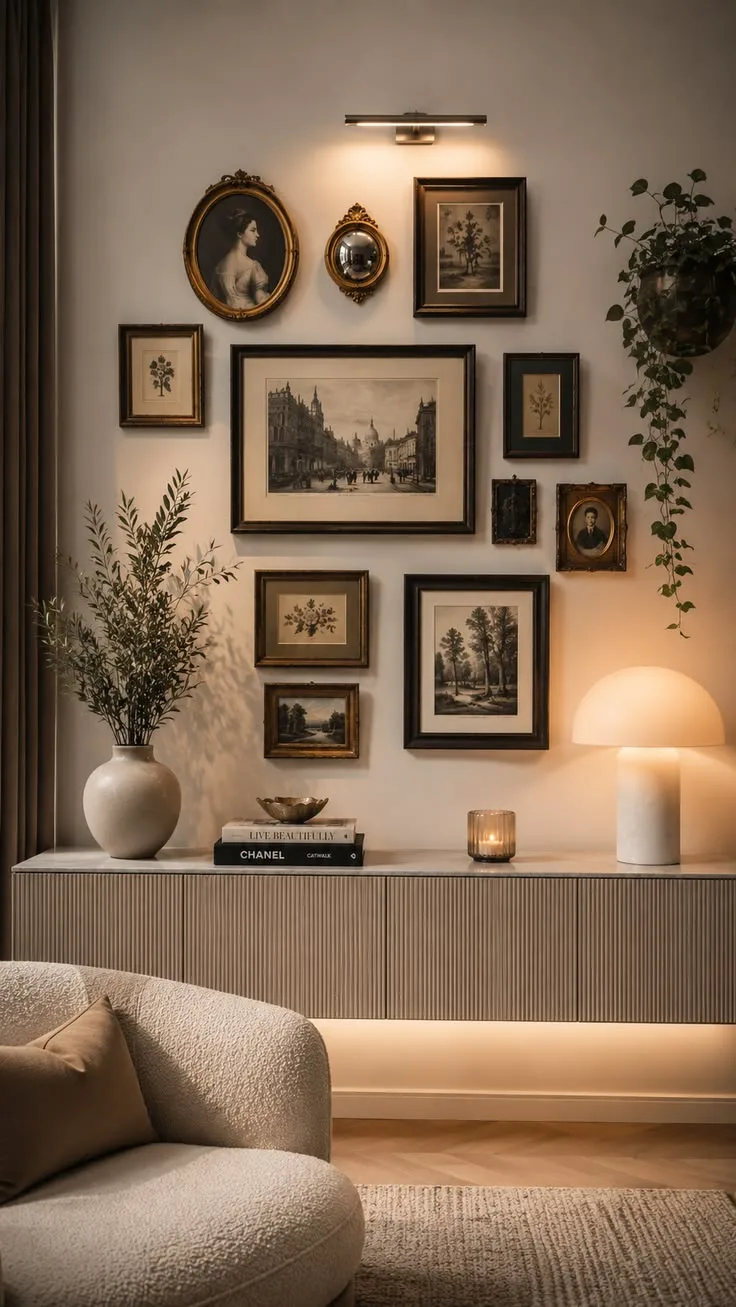
A vignette is a small, curated grouping of objects. Instead of spreading decor across every inch of your home, group items into clusters. This technique keeps your space feeling organized and intentional.
Group your objects in odd numbers. A set of three items usually looks more balanced to the human eye than a pair or a set of four. Use varied heights to create interest within the group.
- Vary heights: Place a tall candle next to a low bowl.
- Create depth: Overlap items slightly instead of lining them up in a row.
- Limit themes: Keep the colors or materials consistent within each cluster.
This method turns collection into decor. You are no longer managing clutter. You are managing distinct, beautiful moments throughout your home.
Functional Storage: Hiding the Mess to Elevate the Decor
Even the most minimalist home needs to store daily necessities. The key is to keep these items out of sight. Closed storage is your best tool for maintaining a clutter-free look.
Cabinets, credenzas, and ottomans with lids hide the items that do not add to your aesthetic. When items like remote controls, charging cables, or extra blankets are tucked away, your living area feels intentional.
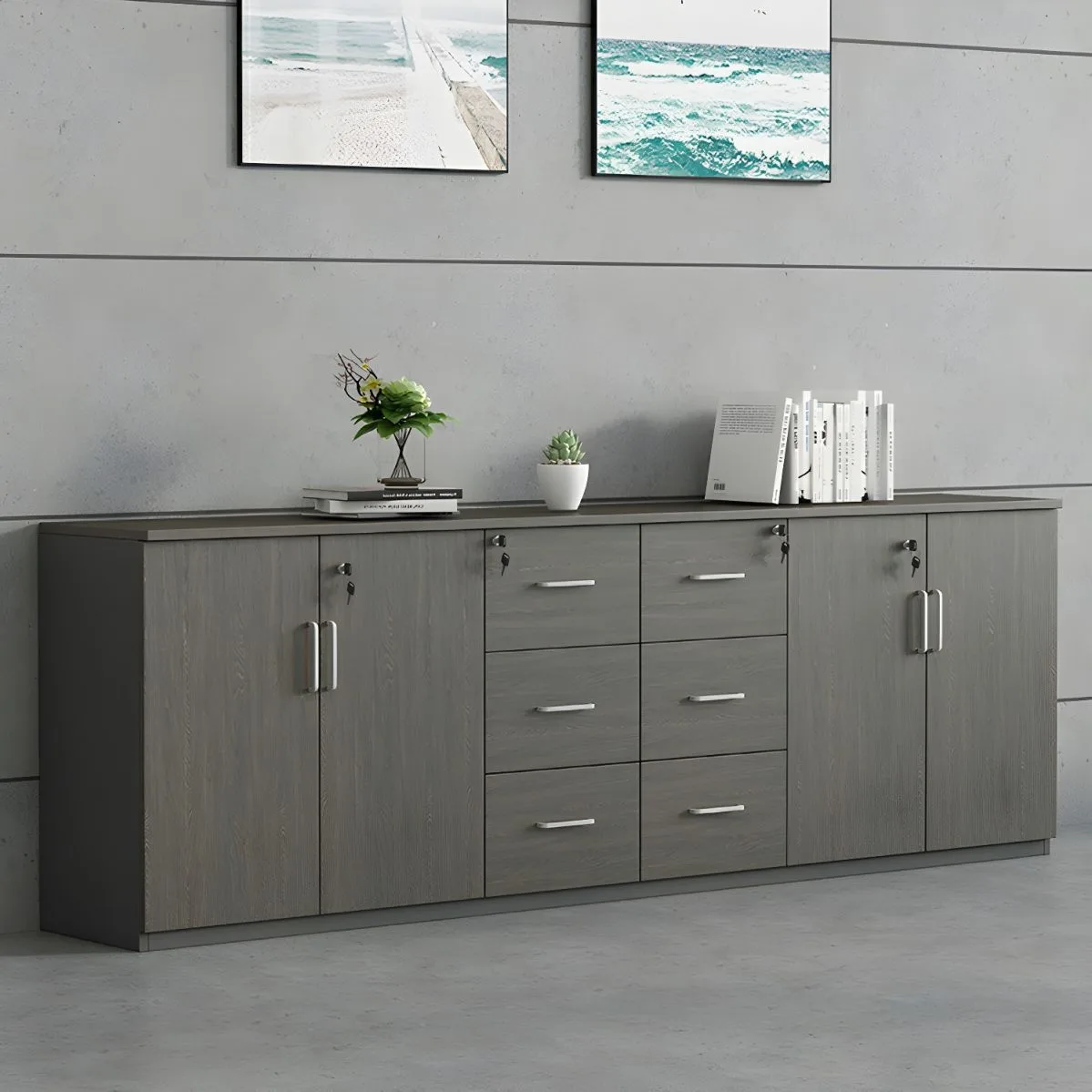
If you struggle with open shelving, consider using baskets or boxes. These containers act as a physical boundary for smaller items. They keep the contents organized while providing a clean, consistent look on the shelf.
Everything should have a designated home. When you use an item, return it to that specific spot immediately. This simple habit prevents the surface creep where items begin to pile up on counters.
Practical Workflow: The One-In, One-Out Maintenance System
The one-in, one-out system acts as a gatekeeper for your home. Every time you purchase a new decor item, you must remove an existing one. This simple rule prevents your space from reaching a saturation point where it feels overcrowded.
Start by auditing your shelves or side tables. If you feel like your decor has grown beyond the available capacity, look for items that serve no active purpose or aesthetic role. Those are your candidates for removal.
You can donate, sell, or relocate these items to different rooms. The goal is to keep your inventory constant. Over time, this rhythm helps you become more selective about what you bring into your home.
It saves you money and keeps your shelves breathable.
Common Visual Pitfalls That Create Unintentional Clutter
Many homeowners accidentally create clutter by scattering small items across too many surfaces. This approach spreads your attention thin and makes your home feel disorganized. It is usually better to concentrate your decor in specific zones.
Another common error is failing to utilize vertical space. When floors and tables are crowded, your eyes have nowhere to land. Use wall art or tall bookshelves to draw the eye upward.
This clears the horizontal plane for functional use.
| Pitfall | Consequence | Correction |
|---|---|---|
| Too many small knick-knacks | Visual noise | Group in odd numbers or remove. |
| Under-using vertical space | Crowded tables | Add wall art or tall decor. |
| Ignoring negative space | Sensory overload | Clear 50% of the surface area. |
Avoid buying decor that does not fit your existing color palette. Items that clash with your room's main tones will stick out. This disruption of visual flow often creates the impression of clutter, even if the item count is low.
Frequently Asked Questions About Clutter-Free Decorating
How do I know if I have too much decor?
If you spend more than a few minutes moving objects just to clean a surface, you likely have too much. Another sign is if your surfaces look cluttered even after you have tidied them. Try removing 25% of your decor to see if the room feels more relaxed.
Can I keep sentimental items without creating clutter?
You should keep what brings you joy, but rotate the display. Do not feel obligated to keep every sentimental item on a shelf simultaneously. Store secondary pieces in a box and swap them with your current display every few months.
How can I make a small room feel less cluttered?
Use wall-mounted furniture to free up floor space. Large mirrors can create the illusion of depth in tight corners. Stick to a lighter color palette to keep the visual weight low.
Clear surfaces are even more important in small spaces to maintain flow.
What is the best way to handle seasonal decor?
Treat seasonal decor as a temporary addition rather than a permanent fixture. Store these items in labeled bins when the season ends. Only bring out what you have room for without crowding your year-round display pieces.
Should I prioritize function or aesthetics?
Prioritize function first. A home that does not function well for your daily life will always feel cluttered, regardless of your decor choices. Once your functional needs are met with closed storage, you can use aesthetics to add character to the remaining open space.