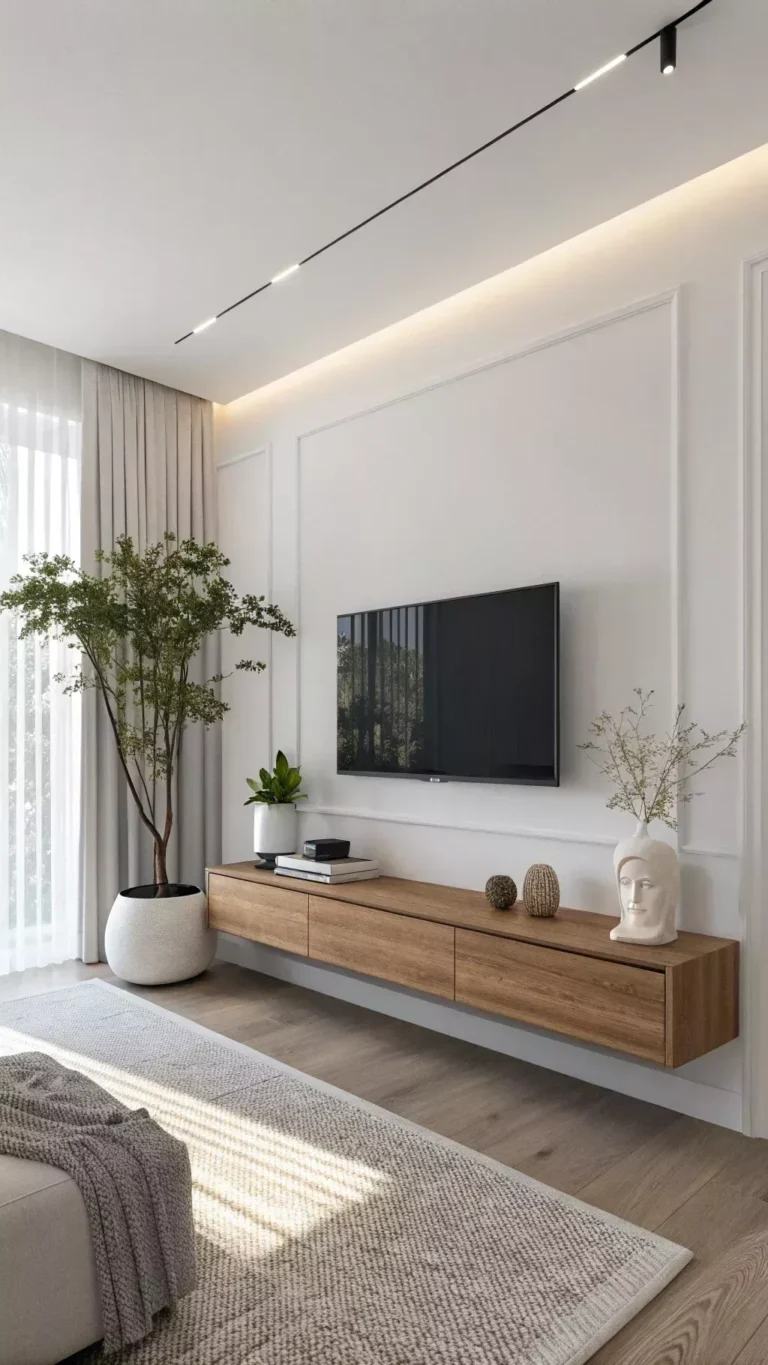
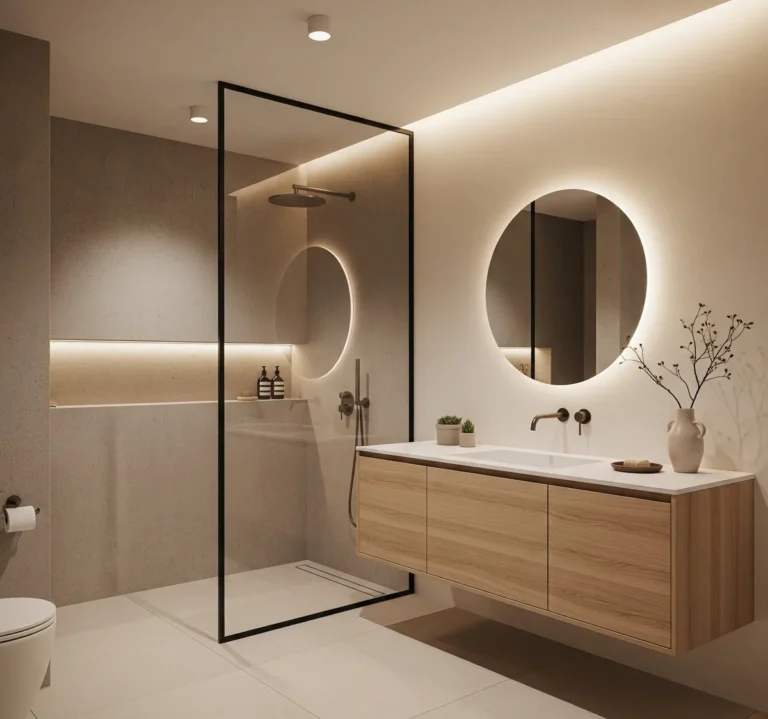
What Is Contemporary Home Decor
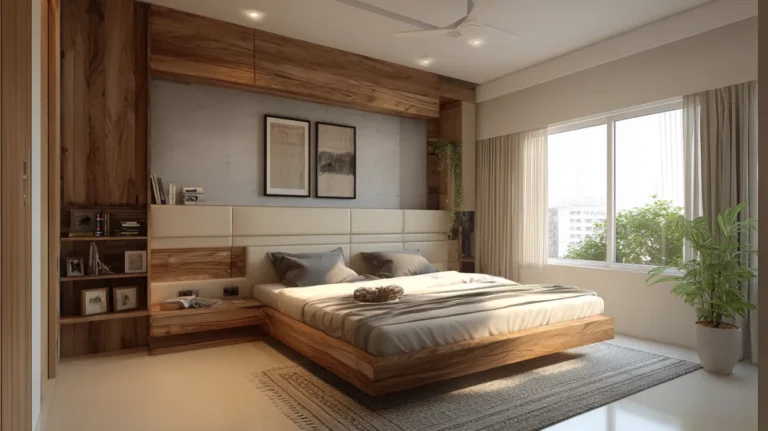
Understanding what is contemporary home decor starts with recognizing that it reflects the current moment in design. It is a fluid style that captures what is popular and relevant right now rather than sticking to a specific historical era.
As of 2026, designers prioritize open layouts and light to create functional, airy environments. Most contemporary spaces follow the principles established by the International Interior Design Association for balancing form and human comfort.
Quick Answer
Contemporary home decor defines the current design trends of today. It focuses on simplicity and clean, intentional lines. Neutral colors serve as a base for bold, modern accents.
Spaces feel airy, open, and easy to live in. It prioritizes comfort over historical accuracy.
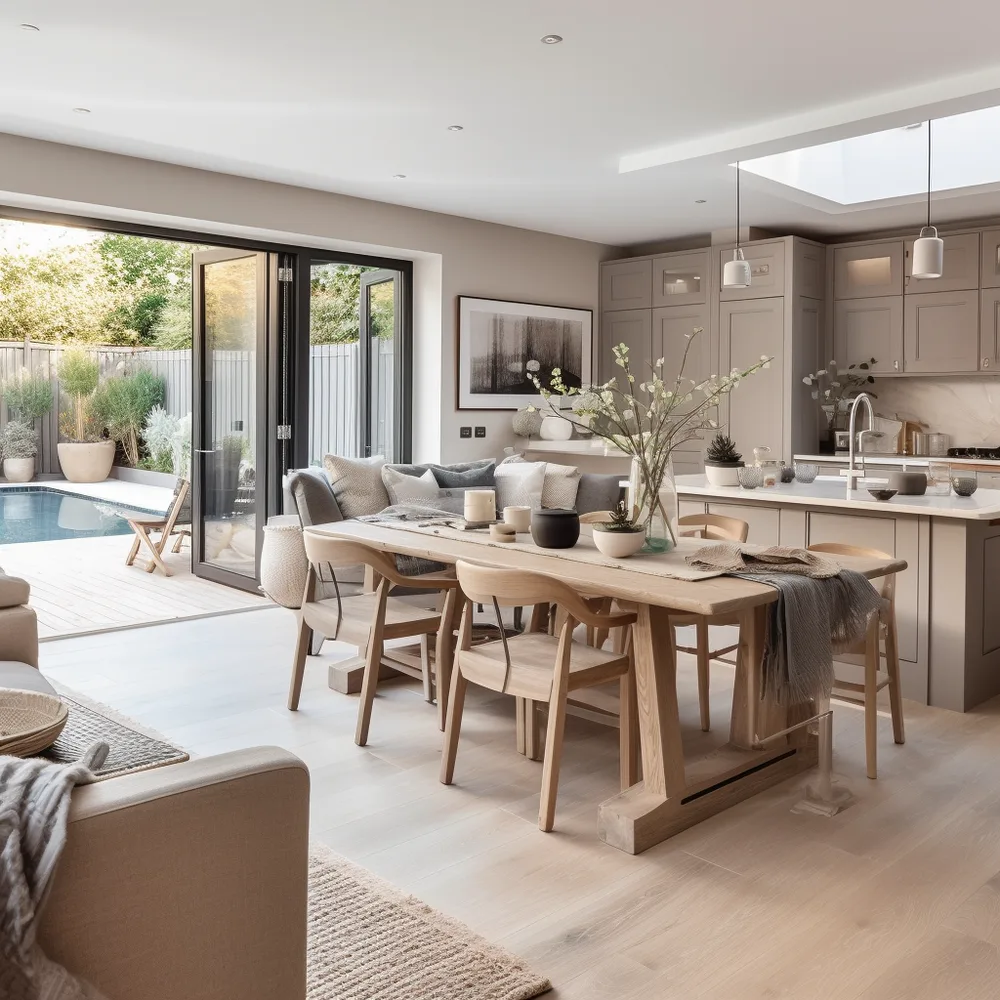
Image source: Web (Bing) / ca.pinterest.com (Web image (fair-use with source credit))
The Defining Characteristics of Contemporary Style
Contemporary design is a living aesthetic that shifts alongside our changing habits. It avoids the heavy clutter of the past in favor of breathing room. You will notice a focus on sleek silhouettes that prioritize function without sacrificing visual appeal.
The style relies on a "less is more" philosophy. This doesn't mean your home should look empty or cold. Instead, every item in a room earns its place through utility or distinct beauty.
Key traits include:
- Large, unobstructed windows to maximize natural light.
- Furniture with exposed legs to create a sense of vertical height.
- A preference for matte or smooth finishes over high-gloss ones.
- Intentional negative space that allows the eyes to rest.
Why Modern and Contemporary Are Not the Same
People often use these terms interchangeably, but they refer to different things. Modern design specifically refers to the mid-20th-century movement. It celebrates the post-war era with specific materials like teak, molded plastic, and geometric patterns.
Contemporary style is much broader and updated. It encompasses the present, meaning it can borrow elements from the past if they feel fresh and useful today. It is not tied to a single decade or set of rigid rules.
| Feature | Modern | Contemporary |
|---|---|---|
| Timeframe | Mid-20th Century | The Present |
| Core Focus | Function & Geometry | Trend & Adaptability |
| Color Palettes | Earthy & Primary | Neutrals with Bold Pops |
| Architecture | Iconic, Fixed | Open, Airy, Flexible |
Essential Elements: The Building Blocks of a Contemporary Space
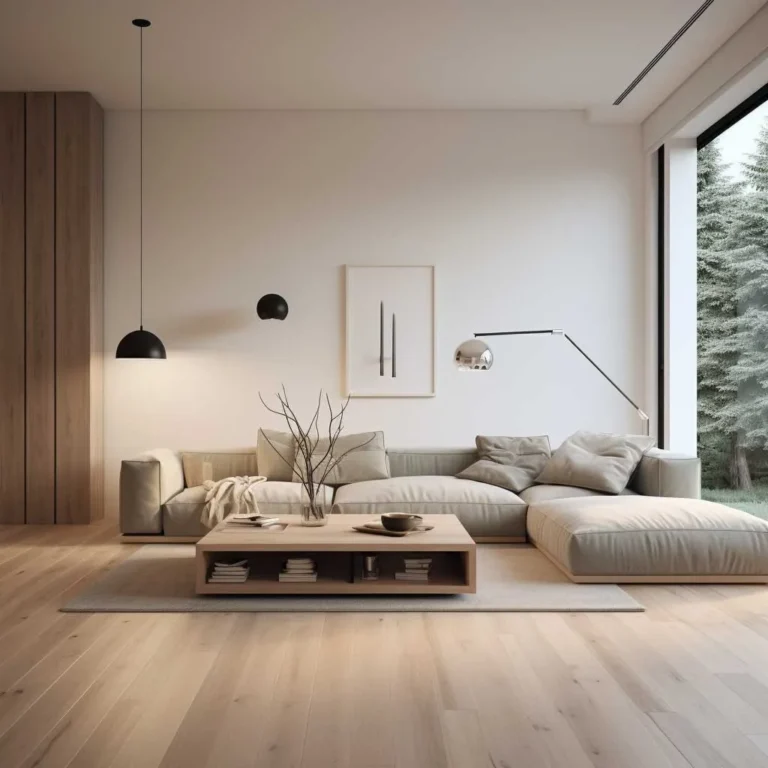
Building a contemporary room starts with a neutral backdrop. Walls often feature soft whites, cool grays, or warm beiges. This provides a canvas that lets your lighting and structural choices stand out.
Materials play a huge role in creating interest without using patterns. Mixing textures like raw concrete, polished metal, and soft textiles keeps a neutral room from feeling flat. You might pair a leather chair with a velvet rug to provide depth.
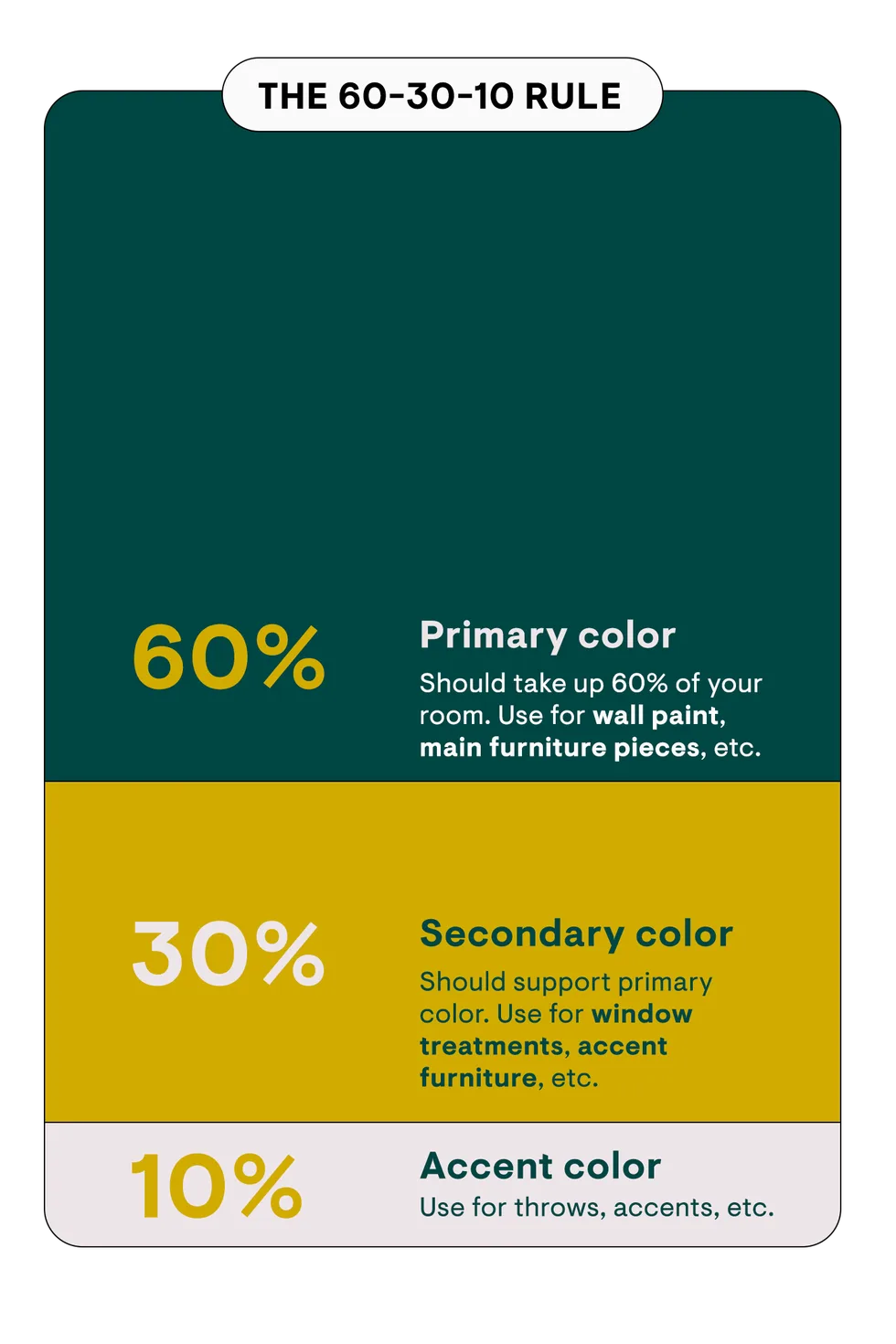
Image source: Web (Bing) / wnduk.com (Web image (fair-use with source credit))
Consider these foundational components:
- Sculptural Lighting: Use oversized pendants or floor lamps as focal points.
- Natural Elements: Incorporate stone or wood to ground the space.
- Open Floor Plans: Prioritize flow between the kitchen, dining, and living areas.
How to Design a Contemporary Room: A Step-by-Step Guide
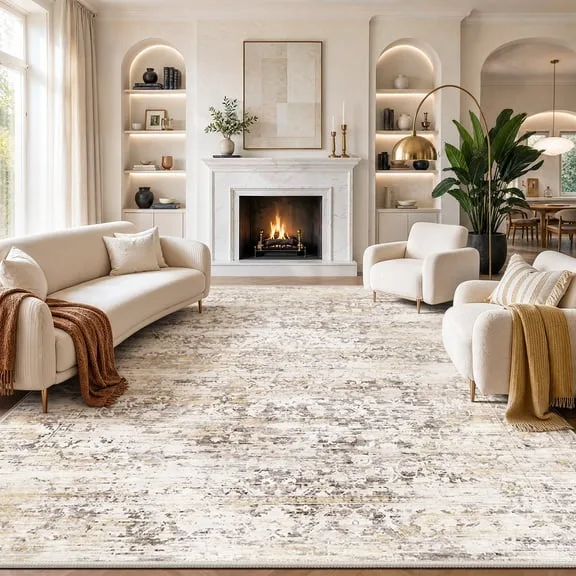
Start by clearing your surfaces to reduce visual noise. Remove items that don't serve a specific purpose or bring you direct joy. A clear surface is the fastest way to achieve a contemporary feel.
Next, identify your "hero" piece for the room. This could be a unique sofa or a large piece of wall art. Everything else in the room should complement this item rather than compete with it for attention.
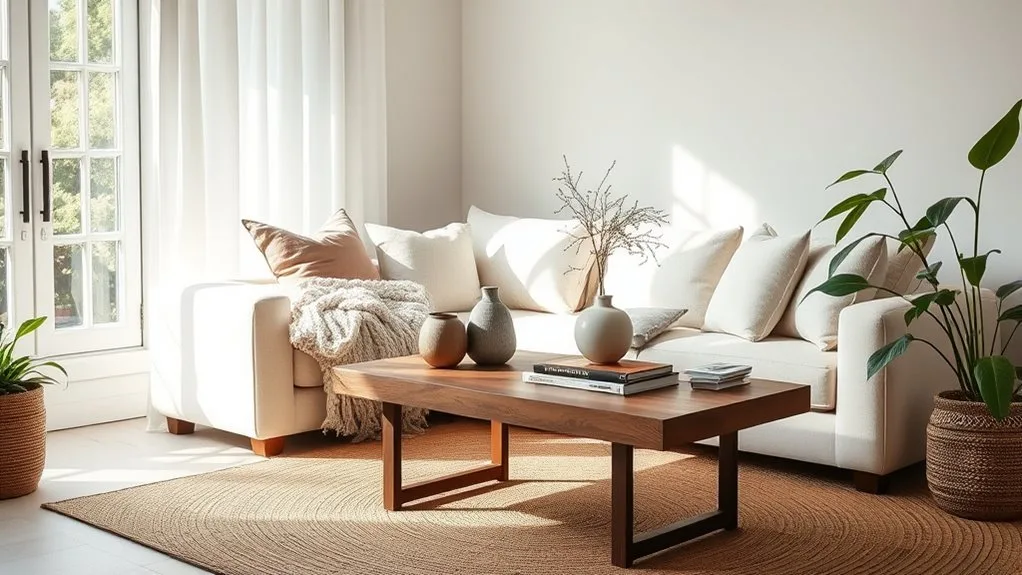
Image source: Web (Bing) / nordicdesignblog.com (Web image (fair-use with source credit))
Follow this sequence for the best results:
- Define your neutral base: Paint walls in a soft, monochromatic shade.
- Evaluate your lighting: Install dimmers to allow for flexible mood settings.
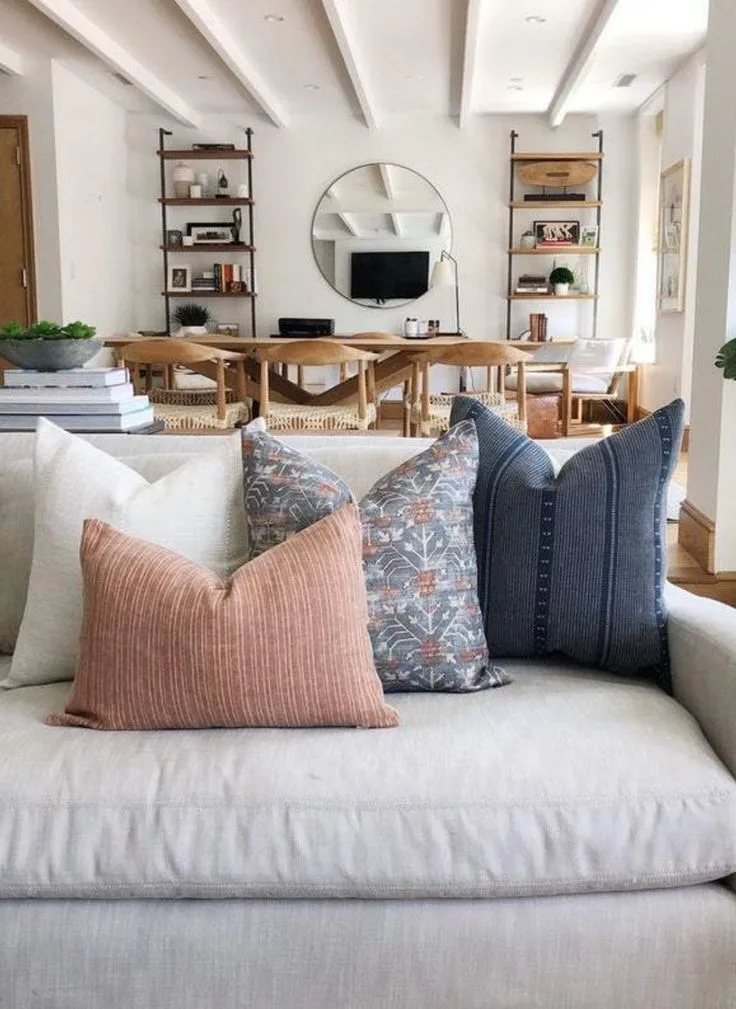
- Add texture: Layer rugs and pillows in different materials like linen or wool.
- Introduce curves: Soften linear furniture with rounded mirrors or decor objects.
Common Visual Pitfalls and How to Avoid a Sterile Look
A common error is over-editing a space until it lacks personality. If you only stick to straight lines and gray tones, the room can feel like a hospital waiting area. You need to balance the sleekness with soft, personal touches.
Another pitfall is buying matching sets of furniture. Contemporary design thrives on curated, intentional pairings rather than pre-packaged suites. Mixing different materials prevents the room from feeling like a showroom catalog.
Avoid these mistakes to maintain warmth:
- Don't ignore color: Add bold accents like indigo, emerald, or terracotta.
- Don't sacrifice comfort: Ensure your sleek sofa is actually comfortable to sit on.
- Don't overcrowd: Keep walkways clear for better traffic flow through the house.
Pros and Cons of Adopting a Contemporary Aesthetic
Choosing a contemporary style offers a blend of flexibility and efficiency that few other aesthetics provide. It favors an open layout, which often makes smaller urban spaces feel larger and more organized. You will appreciate the emphasis on natural light, which improves the overall mood of a home.
However, the style does require a high level of discipline to maintain. Because the look relies on clean surfaces, you have to stay on top of clutter. If you allow stacks of mail or extra gear to pile up, the airy feeling of the room disappears instantly.
Consider these trade-offs before you commit:
- Pros: High adaptability to new trends, improved traffic flow, and lower visual fatigue.
- Cons: Can feel cold or sterile if you fail to add warmth, requires regular decluttering, and often demands higher quality furniture to stand out.
You should choose this style if you value a home that feels like a clean slate. It is less ideal for people who prefer a room filled with sentimental collections, heirlooms, or maximalist decor. The contemporary approach is ultimately a compromise between form, function, and current lifestyle needs.
Frequently Asked Questions About Evolving Your Space
Is contemporary decor the same as modern decor?
No, they are distinct styles. Modern design refers to the mid-20th-century aesthetic featuring specific materials and geometric forms. Contemporary design describes what is currently popular and shifts as trends move forward.
How do I add warmth to a contemporary room?
You can warm up a neutral, contemporary room through material choice. Use textured wool blankets, natural wood accents, or soft leather seating to balance out cold metal or glass. Adding indoor plants also introduces life and color without breaking the clean, simple silhouette of the space.
Can I mix contemporary furniture with traditional pieces?
Yes, this is often called "transitional" design and works quite well. You can place a modern sofa in a room with traditional architectural molding to create a sophisticated, layered look. The key is to keep the proportions balanced so one style does not completely overwhelm the other.
How often should I update a contemporary home?
You don't need to change everything regularly to keep the room current. Instead, perform a "refresh" by swapping out inexpensive items like throw pillows, area rugs, or small art pieces. This allows your home to evolve with current color trends or material preferences without needing a total renovation.
Does contemporary design have to be expensive?
The price depends entirely on your choices, not the style itself. While high-end designer furniture carries a premium, the core principles of the style, decluttering, open space, and clean lines, are essentially free. You can achieve the look by prioritizing one high-quality hero piece and keeping everything else minimal.