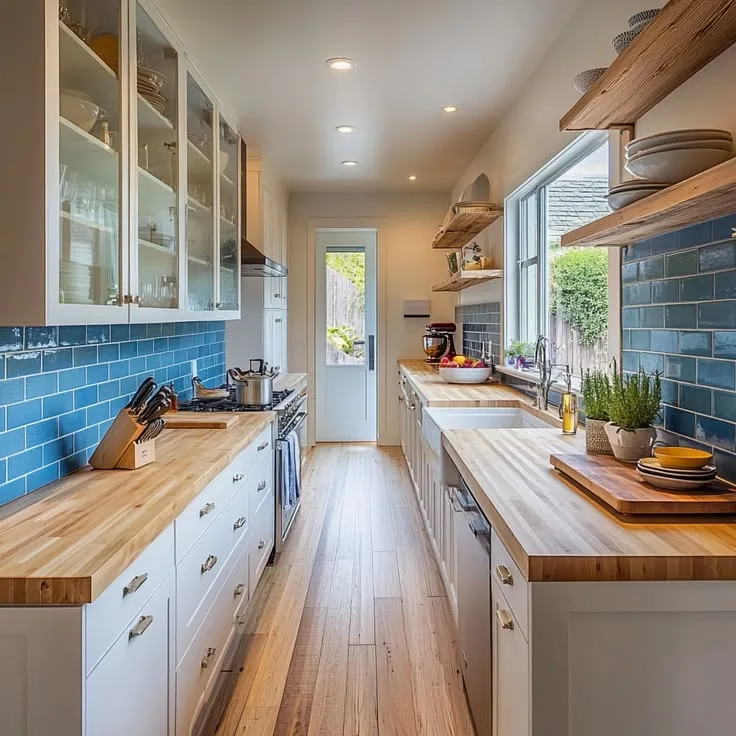
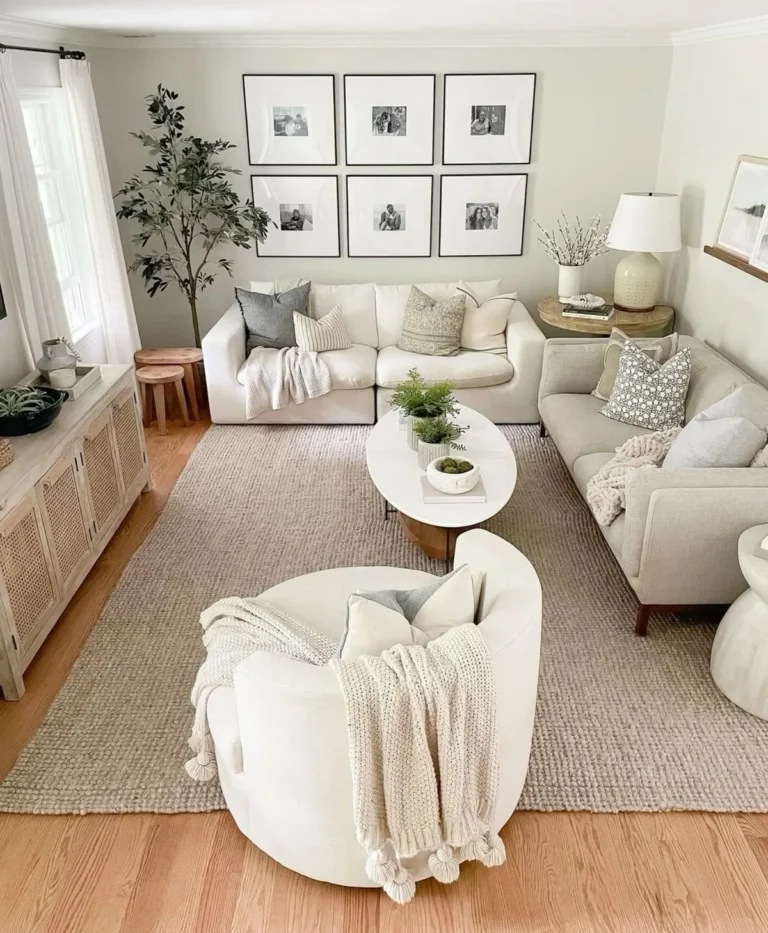
What Is Home Decor
You have probably walked into a room and felt an immediate sense of ease or excitement. That feeling is the primary goal of home decor, which uses intentional design elements to shape how we experience a living space.
What is home decor? It is the process of curating furniture, textiles, and accessories to enhance both the aesthetic and functional quality of a home. As of 2026, industry standards from the American Society of Interior Designers emphasize that decor acts as the final, humanizing layer of a house.
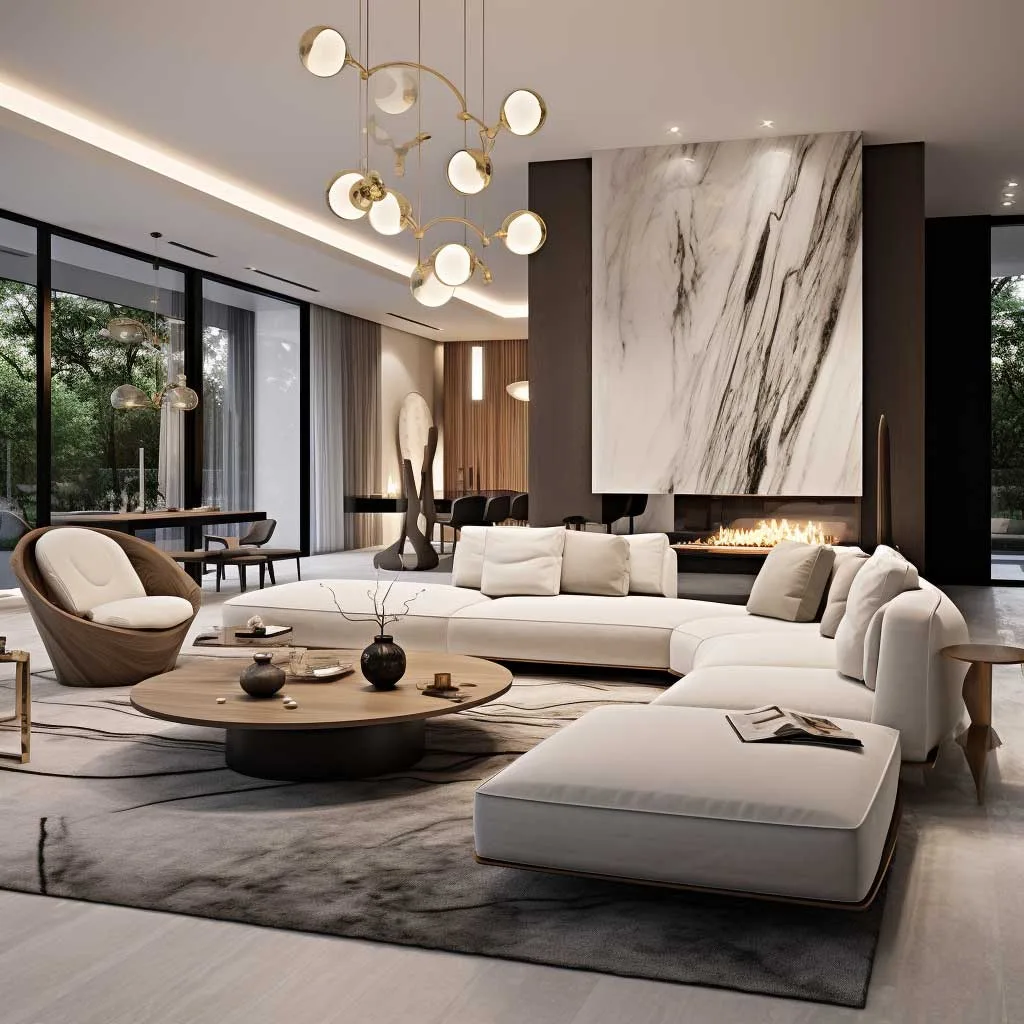
Quick Answer
Home decor is the art of styling interior spaces. It includes choosing furniture and soft furnishings. You select colors to create a mood.
It balances visual appeal with daily function. Decor changes how a room feels to live in.
Decoding Home Decor: The Intersection of Function and Aesthetics
Many people assume home decor is purely about visual flair. In reality, successful decor balances beauty with utility. If a room looks stunning but fails to provide a comfortable place to sit or work, it hasn't fulfilled its purpose.
Think of your home as a tool. A dining table is for meals, and a lamp is for visibility. When you add decor, you are optimizing these tools for your specific lifestyle.
You want your home to be a reflection of your habits.
The most effective approach considers how you actually move through a space. If you find yourself tripping over a rug or struggling to find light in a dark corner, your decor needs adjustment. True decor solves problems while adding character.
Beyond the Surface: Understanding Scale, Texture, and Light
A beautiful space relies on three technical pillars that define its atmosphere. Understanding these ensures your decor choices look intentional rather than haphazard. First, you must consider scale.
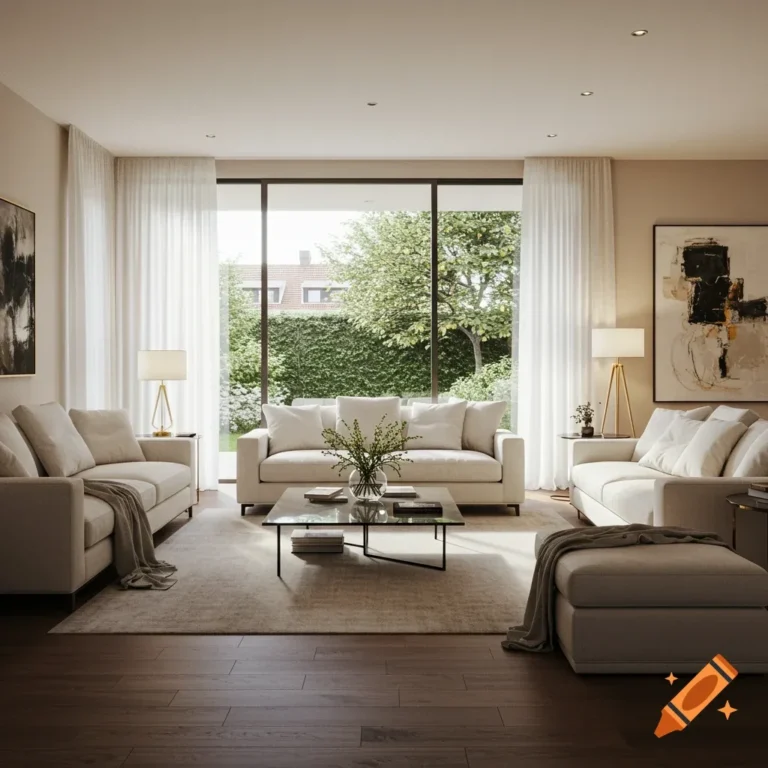
Everything in a room should relate to the size of the footprint.
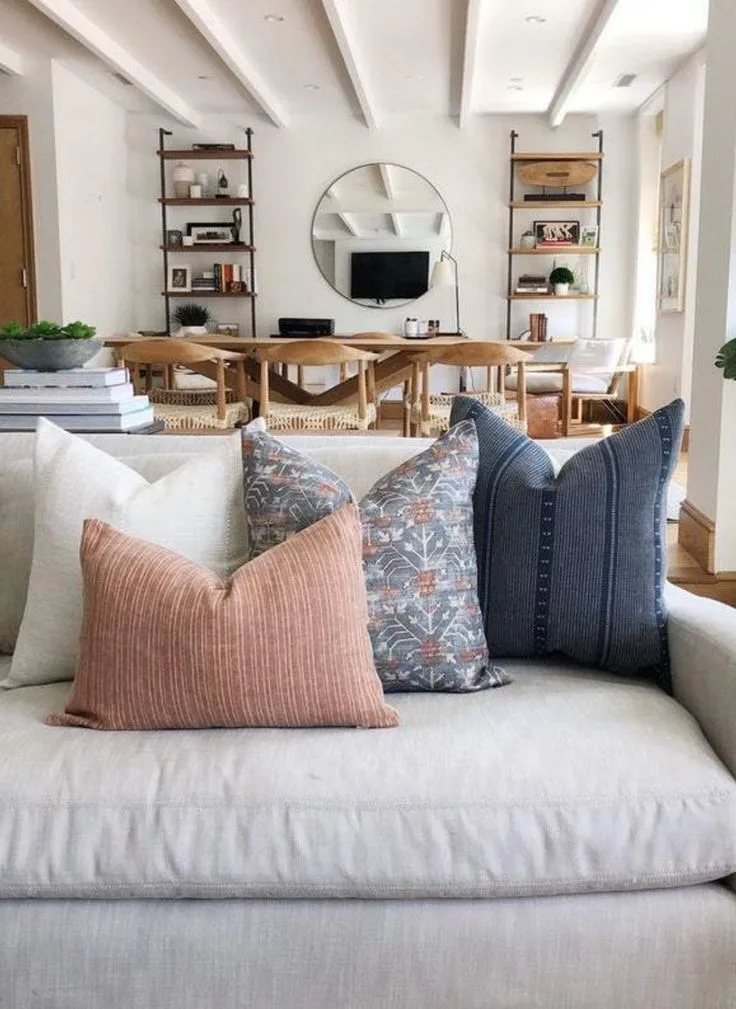
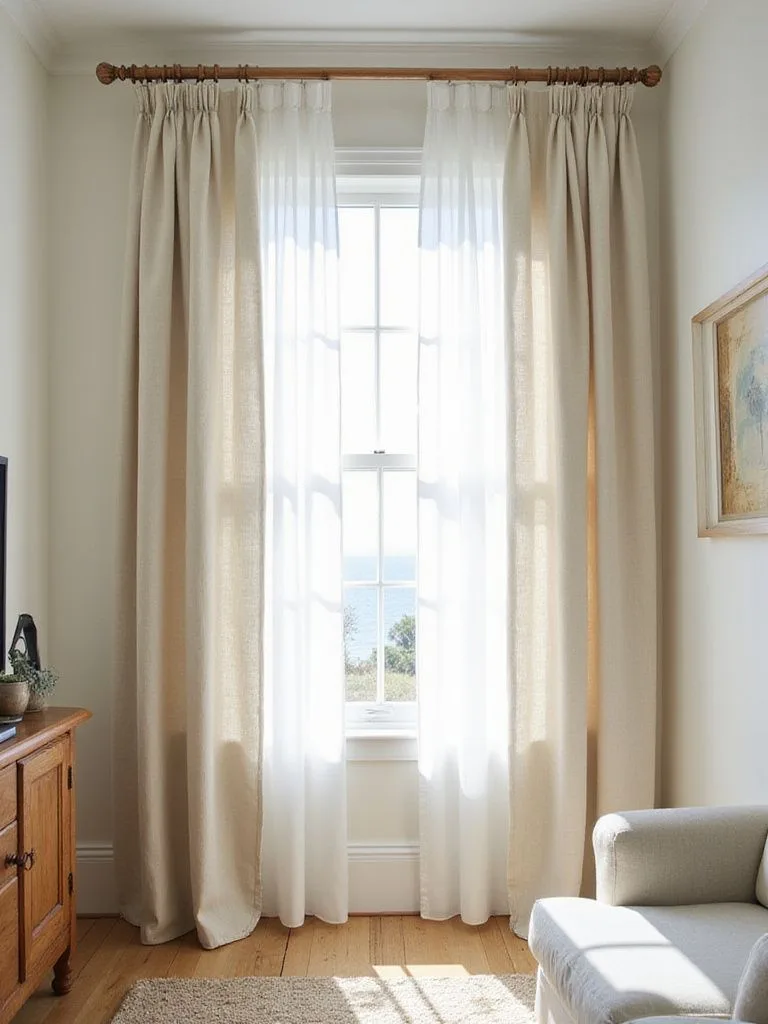
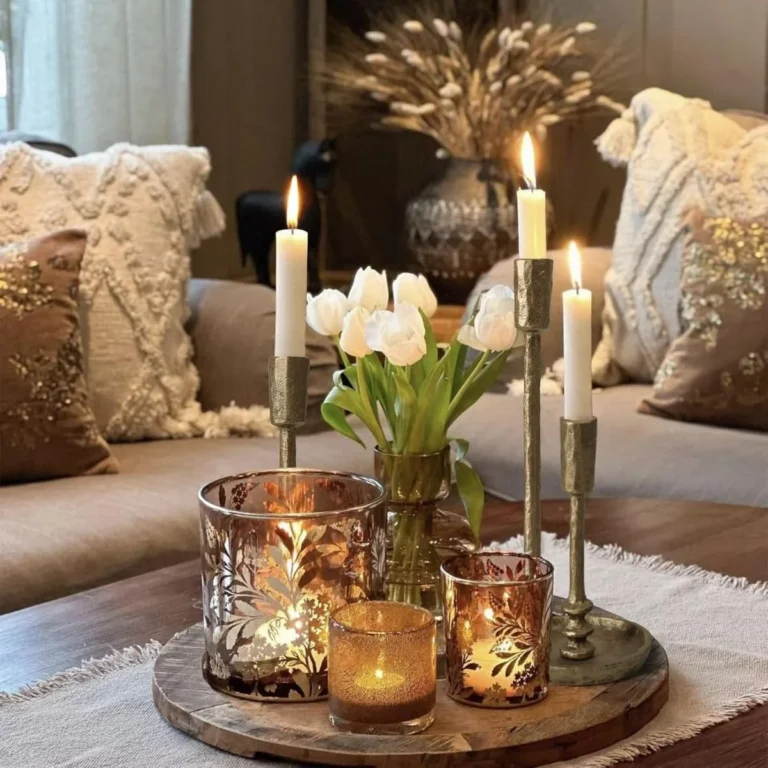
Texture creates depth. A room filled with identical smooth surfaces often feels clinical or flat. By introducing woven baskets, velvet cushions, or raw wood, you create visual interest that changes with the light.
Lighting serves as the final, crucial layer. You should aim for a mix of ambient, task, and accent light. Standards set by the National Kitchen & Bath Association highlight that proper lighting levels prevent eye strain while highlighting the decor you’ve worked hard to curate.
| Element | Primary Function | Example |
|---|---|---|
| Scale | Balance proportions | Large rug in a big room |
| Texture | Add visual depth | Woven wool throw blanket |
| Lighting | Define the mood | Dimmable warm LED bulbs |
Decor vs. Interior Design: Identifying the Goal of Your Project
You often hear these terms used as synonyms, but they serve different phases of home creation. Interior design focuses on the architecture and structural flow of a space. It deals with floor plans, cabinetry placement, and electrical wiring.
Home decor begins once the construction is finished. It is the practice of dressing the space. If interior design is the foundation of the house, home decor is the wardrobe you choose for it.
- Interior Design: Focuses on layout, building codes, and structural integrity.
- Home Decor: Focuses on color palettes, art, and furniture placement.
- Overlaps: Both require a deep understanding of human comfort and ergonomics.
You don't need a designer to decorate. You just need a clear sense of what your space needs to be. Start by identifying the main function of each room.
Decorate around that function rather than trying to fit a look into a space where it doesn't belong.
Essential Components of a Cohesive Space
A cohesive home relies on a consistent visual thread. This doesn't mean everything must match. In fact, a room where every item is from a single set often feels lifeless.
Instead, focus on a shared color palette or theme.
Choose a base color and two accent colors. Apply the base to your largest items, like sofas or walls. Use the accents for smaller decor pieces like vases, frames, and pillows.
This method keeps the room organized and easy to look at.
Don't forget the importance of negative space. Empty walls and clear tabletops allow the eye to rest. If every inch of a surface is covered, the room feels crowded.
Clutter is the enemy of good decor, so be selective about what you display.
The Process: A Practical Workflow for Styling Any Room
Start your process by auditing your current belongings. Remove items that no longer serve a purpose or bring you joy. This blank slate phase is vital because it reveals the true proportions of your room.
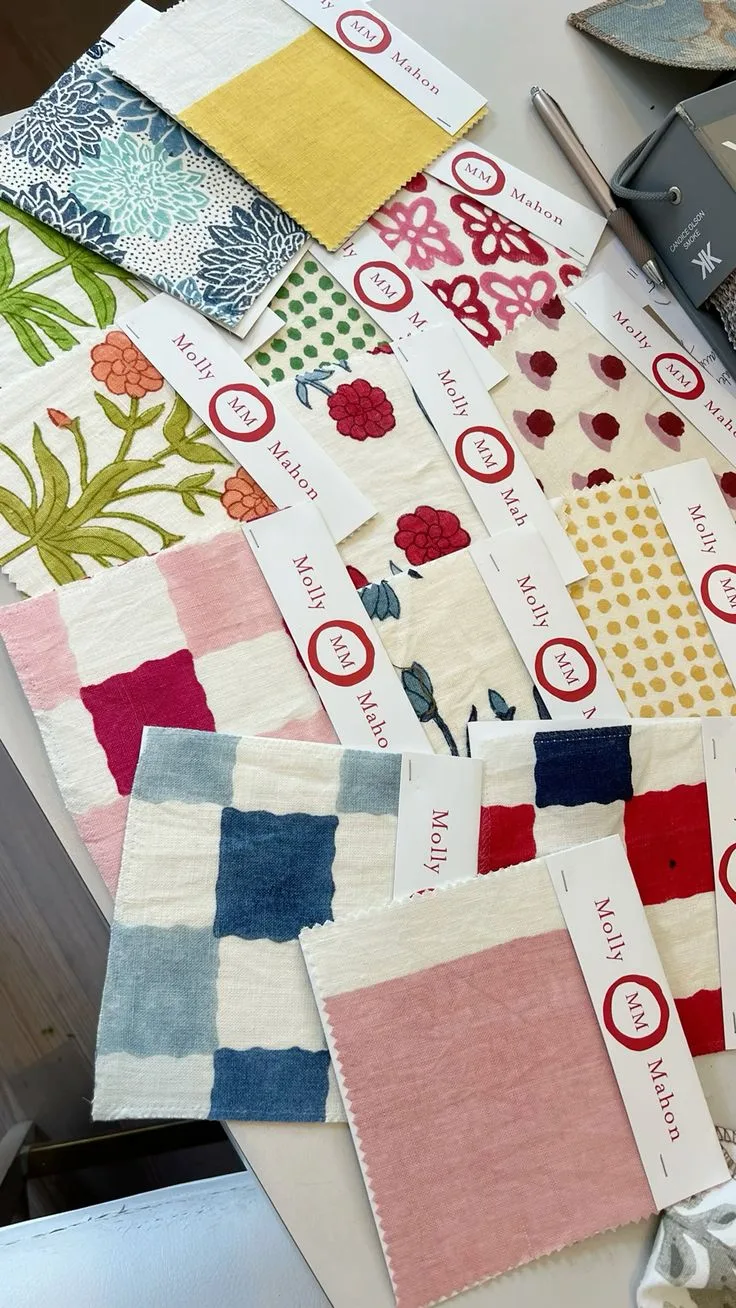
Next, create a simple moodboard. You can use physical swatches of fabric or digital images to see how your colors work together. Our research suggests that this step saves time and prevents expensive buying mistakes.
- Clear the room: Move items out to see the true space.
- Plan the layout: Measure your floor space before buying new furniture.
- Choose a palette: Select three main colors to guide your accessory choices.
- Layer in texture: Add soft elements to balance hard surfaces like wood or tile.
- Final edit: Step back and remove any piece that disrupts the flow.
Common Pitfalls That Stall Your Design Momentum
Many beginners lose their way by trying to replicate a single aesthetic found in magazines or social media feeds. This approach often leads to a room that looks like a showroom rather than a home. It ignores your personal needs and the unique architecture of your existing space.
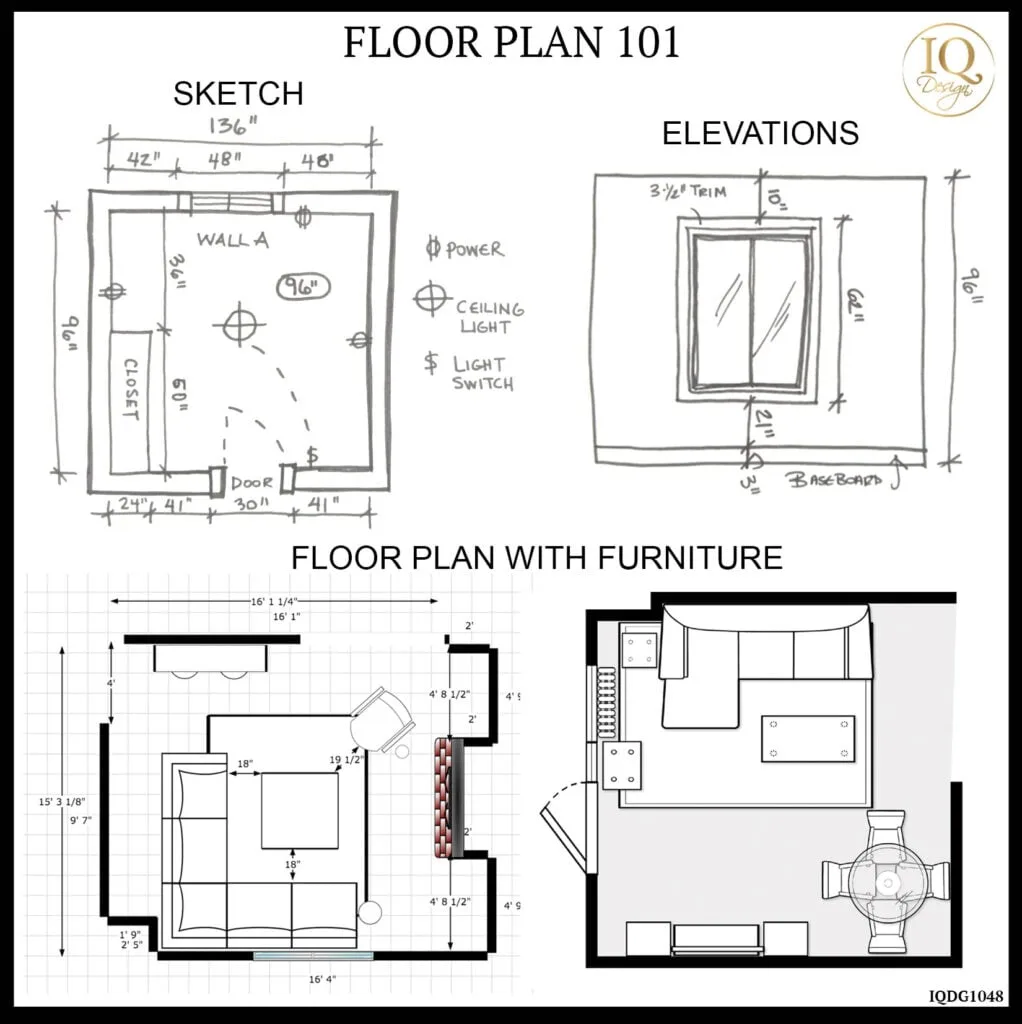
Another frequent error is ignoring scale. Buying furniture based on how it looks in a store usually backfires. A sofa that seems modest in a warehouse often dwarfs a standard living room.
Always measure your floor plan and use painter's tape on the floor to visualize the footprint before making a purchase.
Finally, avoid rushing to complete every detail. A room should grow over time as you find items that truly matter to you. When you buy everything at once, your space lacks the layered, personal history that defines quality decor.
Take your time to select pieces that feel authentic to your life.
Safety, Function, and Long-Term Maintenance
Decor is not just about looks. It involves physical safety, especially when dealing with heavy furniture or electrical fixtures. You should always anchor tall bookcases and cabinets to the wall using furniture straps to prevent tipping.
This is especially important in households with children or pets.
For long-term care, follow manufacturer documentation for your specific materials. Upholstery, wood, and metal each require different cleaning agents to stay in good shape. Using the wrong product can permanently damage delicate finishes or fabrics.
- Electronics: Keep cords organized with cable management sleeves to avoid fire hazards.
- Textiles: Rotate area rugs every six months to ensure even wear.
- Safety: Check that all wall-mounted art or mirrors use hardware rated for the weight of the object.
If you are unsure about the load capacity of your walls, consult a professional. Always prioritize structural safety before adding decorative weight to high shelves or wall brackets.
Frequently Asked Questions
How do I start decorating a room on a tight budget?
Focus on editing first. Remove items that don't serve a purpose to clear visual clutter. Use paint to change the mood of the room for a low cost.
Shop for textiles like pillows or curtains to add warmth. These small changes often make the biggest impact without needing new furniture.
What is the best way to choose a color palette?
Start with a neutral base for large items like walls or sofas. Choose two accent colors from your favorite artwork or a patterned rug you already own. This ensures the colors relate to one another.
Keep the ratio roughly sixty percent main color, thirty percent secondary, and ten percent accent.
How do I make a small room feel larger?
Use mirrors to reflect light and create the illusion of depth. Choose furniture with legs that lift it off the floor to reveal more surface area. Keep your wall colors light and consistent.
Multi-functional pieces, like ottomans with hidden storage, help keep the floor clear.
How often should I update my home decor?
There is no set schedule for updating your space. You should refresh your decor when your lifestyle changes or when the current setup no longer supports your daily activities. Some people rotate seasonal accents to keep the home feeling fresh without needing a complete overhaul.
Is it necessary to match all my furniture?
You do not need matching sets. In fact, a curated look often involves mixing different styles, materials, and eras. The key is finding a common thread, such as color or scale, to tie everything together.
Mixing styles gives your home a unique personality rather than a catalogue-ready look.