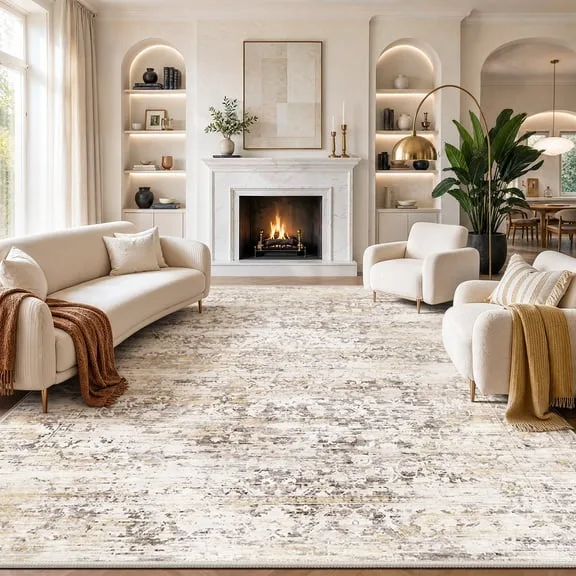
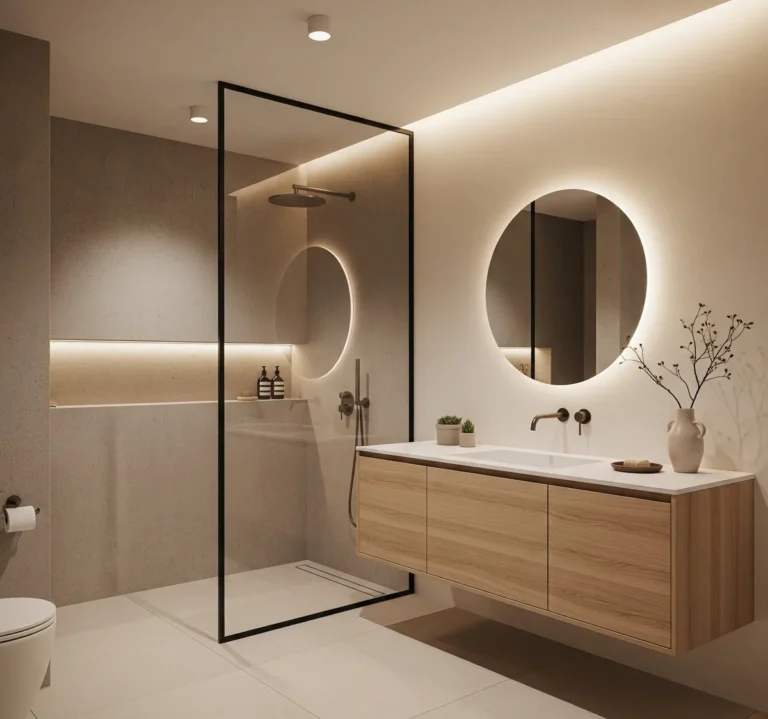
How to Decorate a Living Room on a Budget
Learning how to decorate a living room on a budget requires a shift in perspective, moving away from impulsive shopping toward intentional design. By focusing on your existing footprint, you can transform a space without significant financial investment.
Successful room design follows the principles of spatial composition, often relying on the 60-30-10 color rule or the standard 57-inch-on-center height for wall art as of 2026. These professional standards provide a roadmap for creating balance, making your home feel curated rather than merely furnished.
Quick Answer
You decorate a living room on a budget by editing existing items. Focus on rearranging furniture to create clear traffic paths. Use textiles like pillows to add needed texture.
Update lighting to create a warm, layered atmosphere. Keep neutral pieces as the foundation of your room. Avoid buying low-quality items that require frequent replacement.
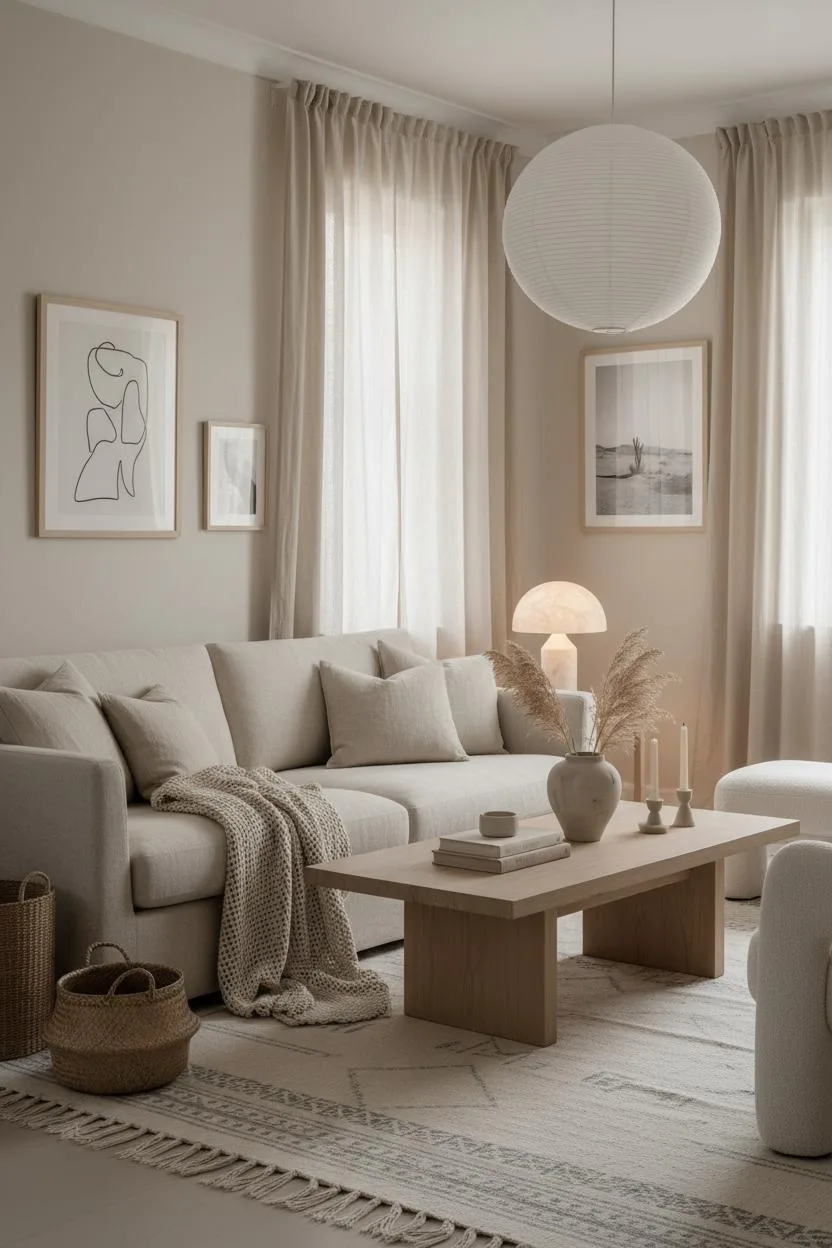
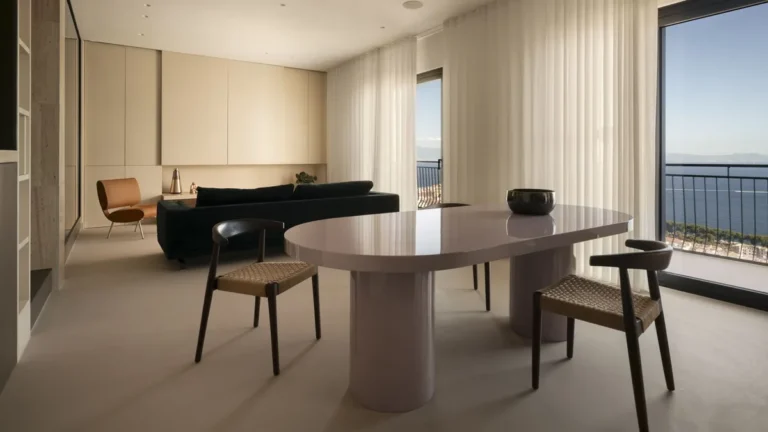
Image source: Bing (Web (fair-use with source credit))
The "Editing First" Approach: Why Your Space Needs Less, Not More
Most living rooms suffer from visual clutter rather than a lack of furniture. When you have too many competing items, the eye cannot find a place to rest. Our research suggests that decluttering is the most cost-effective way to improve a room's aesthetic.
Start by clearing every surface in your living room. Take the books off the shelves and the decor off your coffee table. Clean these surfaces thoroughly to see what you are actually working with.
Only put back items that serve a clear function or bring you genuine joy. This process exposes the "dead space" that often goes unnoticed. It also highlights exactly which pieces of furniture or decor feel out of place in your current layout.
- The Three-Item Rule: Limit surface decor to groups of three.
- Vertical Space: Use shelves for items that hold visual interest.
- The Purge: If you haven't used an item in a year, donate it.
Removing excess items lowers the visual noise in your home. It makes the remaining pieces look more expensive because they have space to breathe. You will likely find that you already own enough decor to fill your space if you simply arrange it better.
Rethinking Your Layout: The Art of Floating Furniture
Many people push all their furniture against the walls to make a room look bigger. This often has the opposite effect, creating a "dead zone" in the middle of the room. Moving your sofa or chairs away from the walls is a free way to define your space.
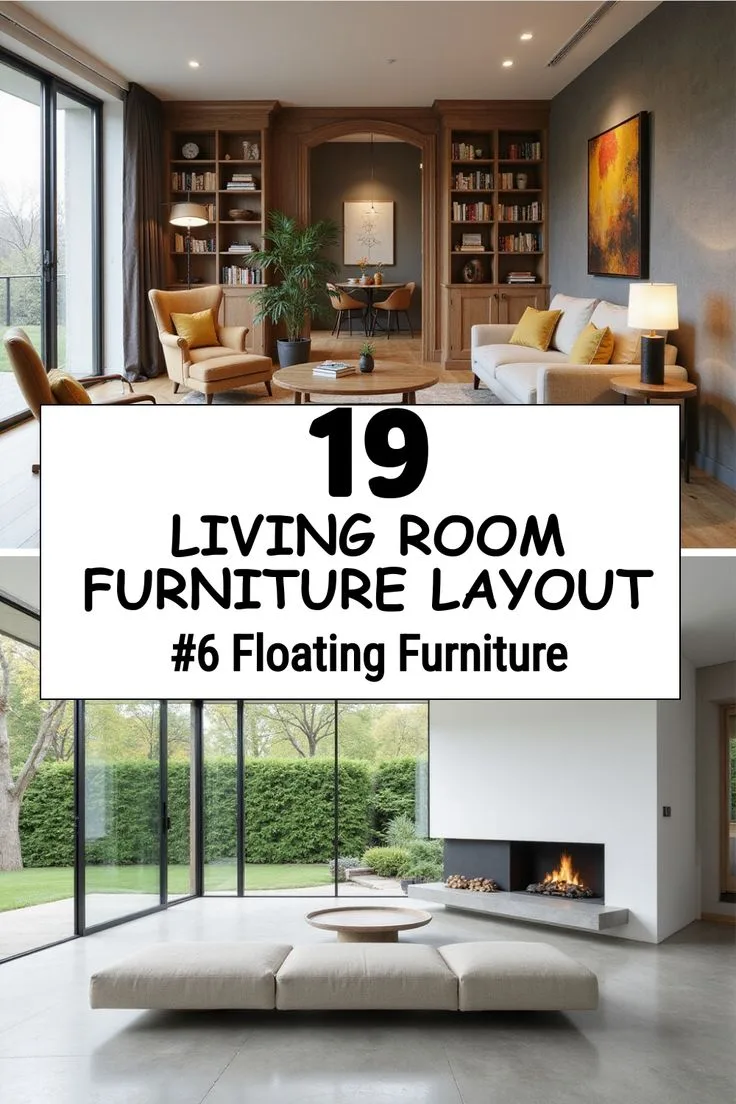
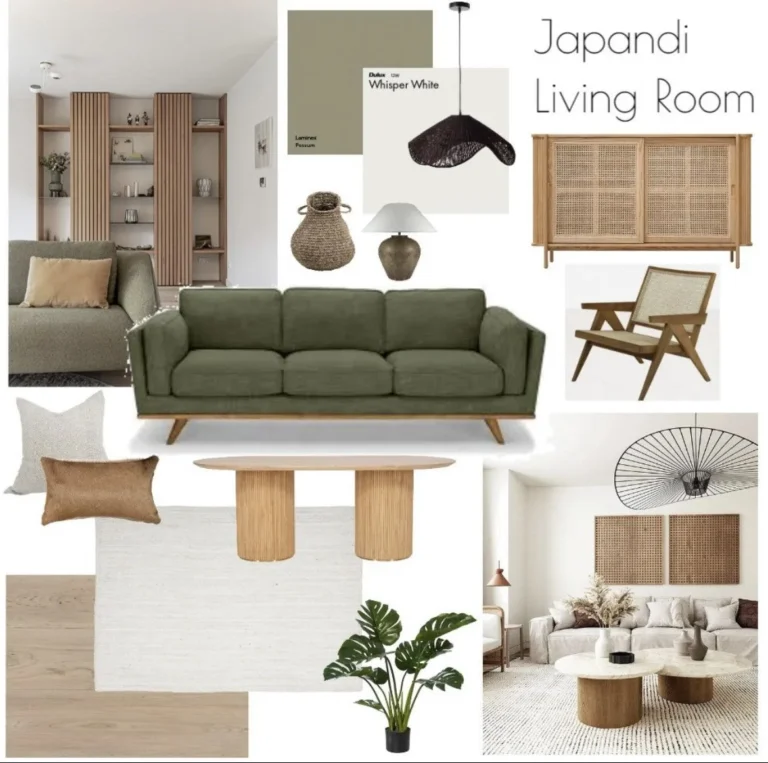
Image source: Bing (Web (fair-use with source credit))
Floating your furniture creates an intimate "island" that encourages conversation. It also allows you to use the back of the sofa as a natural room divider. If you have an open-concept floor plan, this technique helps separate your living area from the dining or kitchen space.
Consider the flow of traffic when you pull furniture inward. You want to ensure there is a clear path to walk through the room without bumping into the coffee table. Aim for at least 30 inches of clearance for main walking paths to maintain safety and flow.
| Furniture Type | Ideal Placement | Why |
|---|---|---|
| Sofa | Floating toward center | Defines the zone |
| Accent Chairs | Angled to conversation | Creates invitation |
| Side Tables | Within arm's reach | Provides function |
Mastering the Visual Hierarchy: Lighting, Textiles, and Anchors
A room feels unfinished when it lacks layered lighting or properly scaled textiles. These elements create the soul of the room. You don't need expensive pieces to achieve this, but you do need to understand how they work together to form a hierarchy.
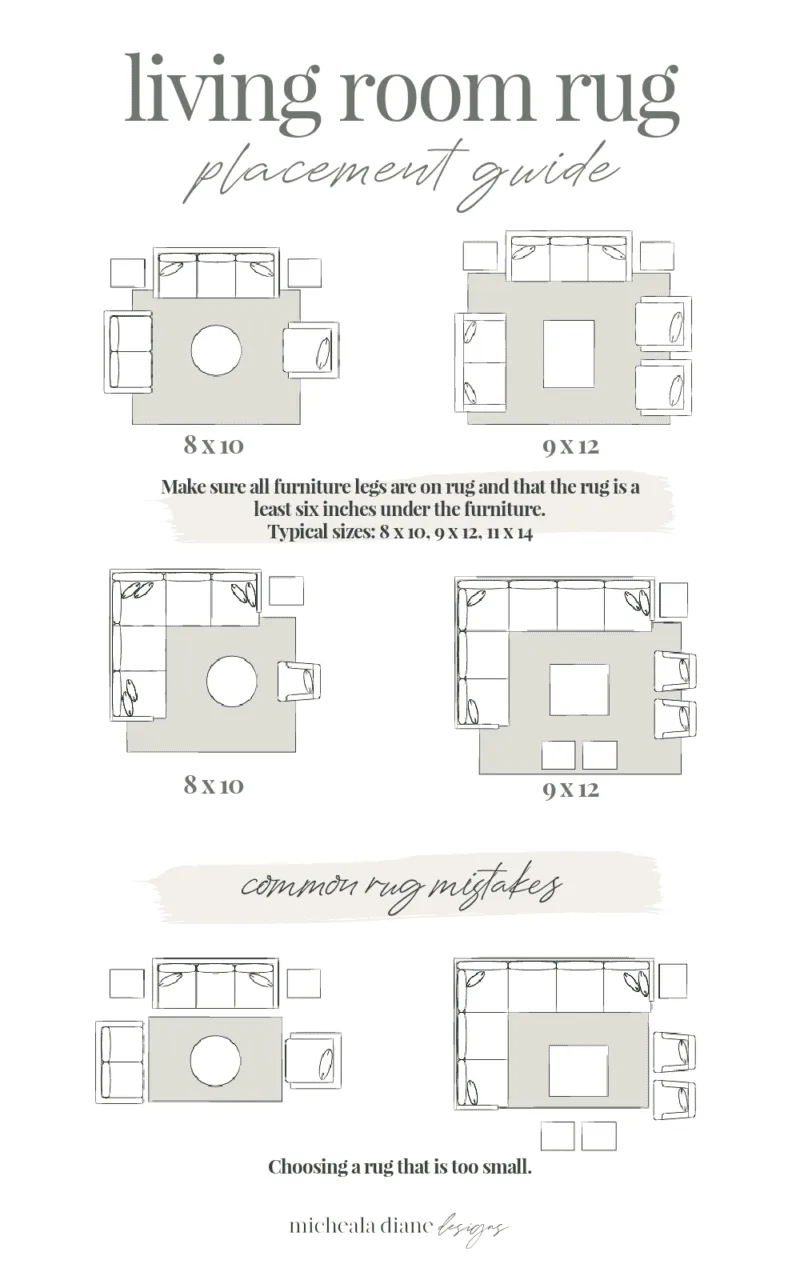
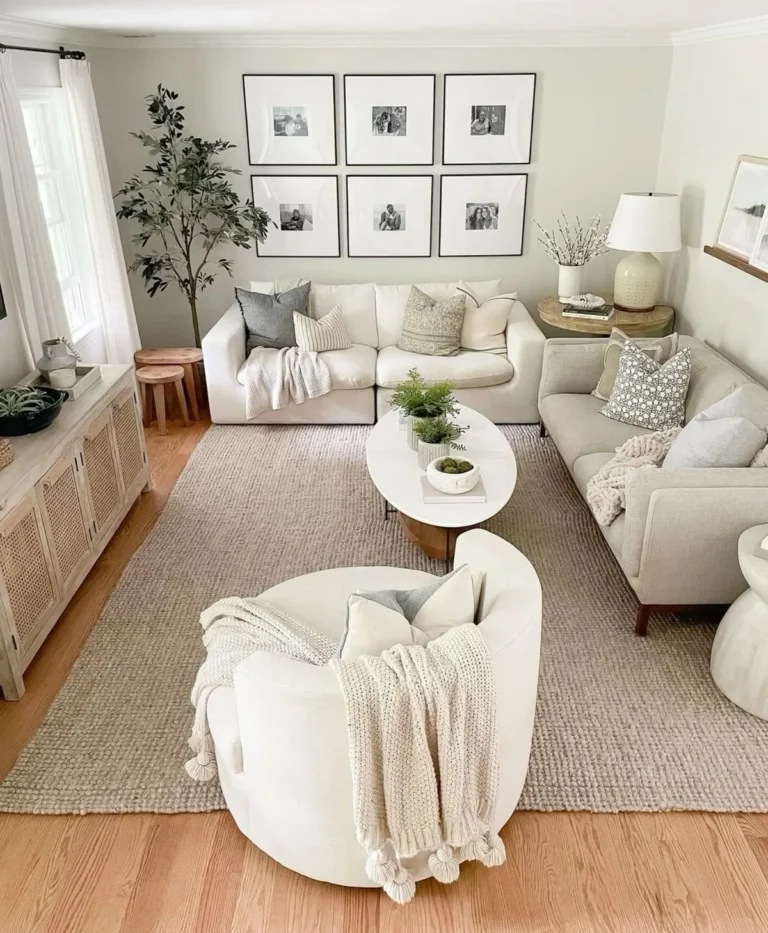
Image source: Web (Bing) / michealadianedesigns.com (Web image (fair-use with source credit))
Your area rug acts as the anchor for the entire furniture arrangement. According to the Department of Energy guidelines for interior environments, proper task lighting placement is vital for both comfort and visibility. Ensure your rug is large enough so the front legs of your sofa sit comfortably on it.
Layering your light sources is the quickest way to hide budget-friendly furniture flaws. Swap out high-intensity overhead bulbs for warm 2700K or 3000K LED bulbs. These produce a softer light that makes the room feel expensive.
- Ambient Light: Your main overhead fixture or a large floor lamp.
- Task Light: Reading lamps placed near chairs or sofas.
- Accent Light: Small lamps on shelves to highlight objects.
Textiles tie everything together. Focus on using different textures like cotton, linen, or wool to create visual interest. You don't need to replace your sofa.
Simply adding new, high-quality pillow covers can change the entire color palette of your space for a fraction of the cost of new furniture.
The "Natural" Decorator: Using Organic Elements to Elevate Style
Organic elements bring life into a sterile environment. They are inexpensive and timeless. You can often find sculptural branches, rocks, or plants that add depth to your shelves without requiring a trip to a home store.
Use large, singular plants instead of many tiny ones. A large potted plant in a corner acts as a piece of sculpture. It fills vertical space and draws the eye upward.
If natural light is limited, opt for hardy, low-maintenance varieties like a ZZ plant or a Sansevieria.
- Sculptural Branches: Place long, interesting branches in a tall floor vase.
- Natural Materials: Use wood, stone, or woven baskets to add warmth to neutral rooms.
- Framed Nature: Frame pressed leaves or simple botanical prints in glass frames.
These elements bridge the gap between "decorated" and "designed." They provide a sense of scale and natural color variation that synthetic materials cannot replicate. You are essentially using nature to provide the detail that professional designers usually charge a premium for.
Common Visual Traps: Why Your Room Doesn't Feel "Finished"
The most common mistake we see is poor scale. This happens when artwork is hung too high or rugs are too small for the room. A room feels "off" when the human eye cannot establish a comfortable scale for the space.
Art should generally be hung at eye level. This is roughly 57 to 60 inches from the floor to the center of the piece. Hanging art higher makes the furniture below it feel disconnected and lonely.
If you have a collection of smaller photos, group them closely so they function as one large piece.
Another common trap is the "matchy-matchy" look. Buying a matching sofa, loveseat, and coffee table set often makes a room look like a generic showroom. Instead, try to mix materials.
If you have a fabric sofa, try a wooden or metal coffee table to add variety.
- The Curtain Height: Hang curtains as high as possible to make the ceiling look taller.
- The Lighting Trap: Avoid using only the ceiling light; it flattens the room.
- Rug Size: If the rug is too small, your room will shrink visually.
Pro-Level Styling: The Science of Grouping and Scale
Professional interior designers use the "Rule of Three" to create balanced, visually appealing arrangements. This practice relies on the observation that the human brain processes odd-numbered groups more effectively than even-numbered ones. By grouping items of varying heights and textures, you prevent your surfaces from looking cluttered.
Start by choosing one "anchor" item, such as a tall vase or a piece of framed art. Pair it with a secondary item of medium height, like a stack of hardbound books. Finish with a smaller, low-profile object like a decorative bowl or a candle.
- Vary the Heights: Mix a tall, medium, and short object to create a pyramid effect.
- Balance the Weight: Distribute heavy items across the room so one corner doesn't feel overly packed.
- Maintain Negative Space: Leave clear gaps between groupings so each display stands on its own merit.
Scale is equally important when styling your home. A single tiny picture frame on a large blank wall will look lost, whereas a larger, inexpensive print commands attention. When you group objects, ensure the collective size of the group matches the scale of the furniture piece it sits on.
For instance, a coffee table tray should occupy about one-third of the table's total surface area. This ensures the decor provides character without making the furniture unusable for your daily needs. If you find your arrangement looks off, try removing one item or swapping it for one of a different height.
Frequently Asked Questions About Budget Room Design
How can I make a rental living room feel like my own without painting?
Focus on removable decor elements like high-quality peel-and-stick wallpaper or large-scale wall art. Utilize temporary, damage-free hanging strips to create a gallery wall. Swapping out standard curtain rods for something with a unique finish can also make a major impact.
These changes add personal style while remaining fully reversible for your security deposit.
How do I define zones in an open-concept living room?
Use area rugs to physically delineate the living area from other spaces. Arrange your seating to face inward, which signals that the area is designated for conversation. Adding a sofa table behind your couch can also act as a physical buffer that separates the living zone from dining or entryway paths.
What is the most effective way to improve lighting on a budget?
The most effective method is to layer your light sources to replace harsh overhead fixtures. Add a floor lamp in a dim corner and a table lamp near your seating area. Always choose bulbs with a warm, soft white color temperature to instantly create a cozy environment.
Should I prioritize buying new furniture or new decor?
Always prioritize investing in quality core pieces of furniture if you have the budget, but focus on styling with affordable decor. A well-constructed, neutral sofa lasts longer and provides a better foundation for changing trends. You can easily update the entire feel of the room with inexpensive accessories like throw blankets, pillows, and greenery later.
How do I choose the right size for an area rug?
Select a rug that is large enough for at least the front legs of all major furniture pieces to sit upon it. This pulls the individual items into a cohesive grouping. If a large rug is out of your budget, layer a smaller, textured rug over a neutral, inexpensive wall-to-wall carpet.