How to Choose Decorative Pillows
How to choose decorative pillows is a task that relies on balancing scale, texture, and comfort to elevate your living space. If you’ve ever felt like your couch looks unfinished, you likely need a better mix of sizes and fabrics.
Properly selected cushions transform a room from a basic showroom into a functional, cozy environment. Per standard interior design principles, you should aim for a combination of sizes that adds visual depth while ensuring comfort as of 2026.
Quick Answer
Choose decorative pillows by mixing varying sizes and textures. Start with larger squares for the back. Add smaller layers in front for depth.
Use feather inserts for a malleable shape. Match one color to existing room tones. Avoid over-stuffing to keep seating space open.

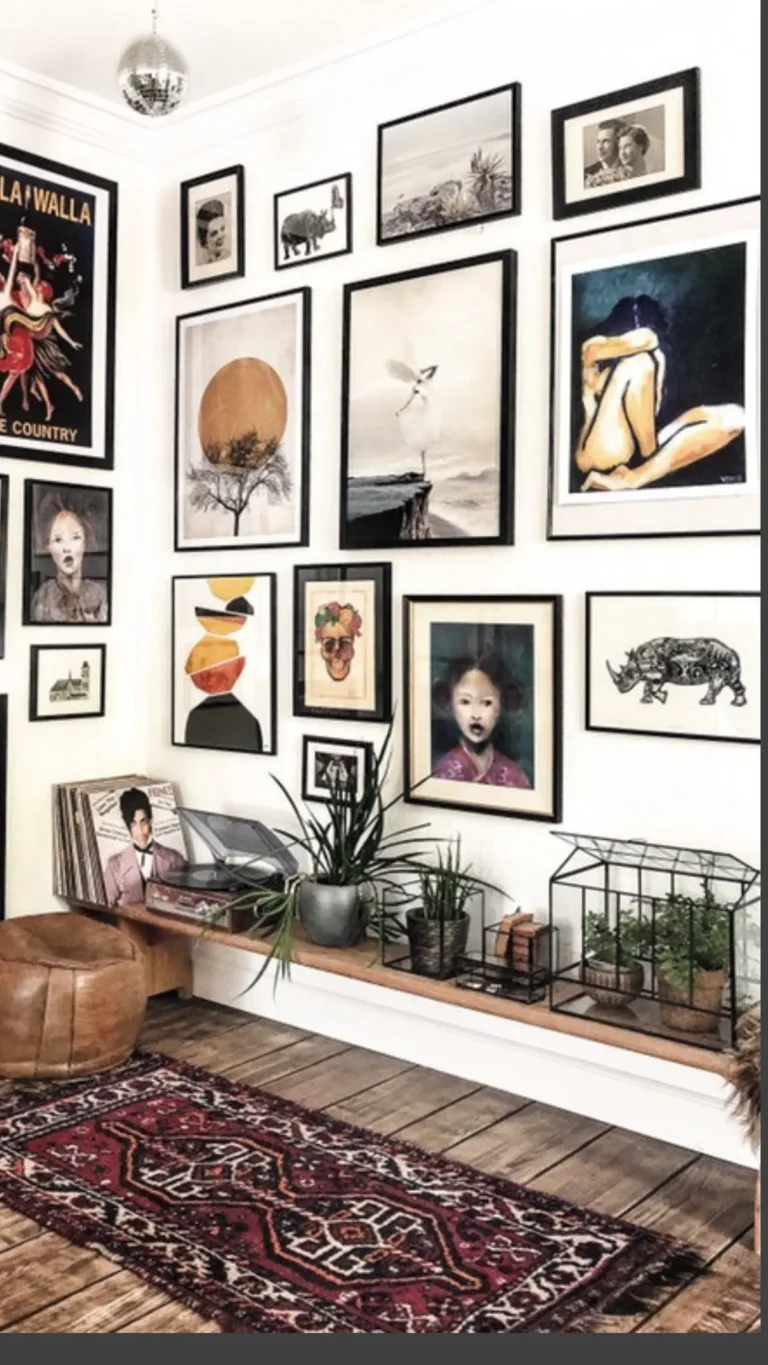
Image source: Web (Bing) / pinterest.com (Web image (fair-use with source credit))
Why Your Sofa Needs a Visual Hierarchy
A visual hierarchy is the arrangement of elements in a way that implies importance and guides the eye through your space. Without it, a collection of pillows looks like a cluttered pile rather than a curated design choice.
You should view your seating area as a structural canvas. Larger pillows provide the foundation, while smaller, decorative options act as the focal point. This layering prevents the sofa from feeling flat or two-dimensional.
A balanced hierarchy creates a sense of intentionality. If you have a deep sofa, you need larger pillows to fill the backrest. A small chair, conversely, requires scaled-down proportions to avoid overwhelming the piece.
The Size and Scale Rulebook
Most amateur styling mistakes stem from using pillows that are too small for the furniture. A 12-inch pillow on a massive sectional gets lost in the cushions and provides zero comfort.
Follow this sizing guide to maintain proper proportions:
| Sofa Type | Base Pillow Size | Layering Size |
|---|---|---|
| Standard Sofa | 20 x 20 inches | 18 x 18 inches |
| Deep Sectional | 22 x 22 inches | 20 x 20 inches |
| Accent Chair | 18 x 18 inches | 12 x 20 inches (Lumbar) |
The rule of thumb is to allow at least 2 inches of space between the edge of the pillow and the end of the sofa arm. This keeps the look crisp and prevents the sofa from feeling crowded.
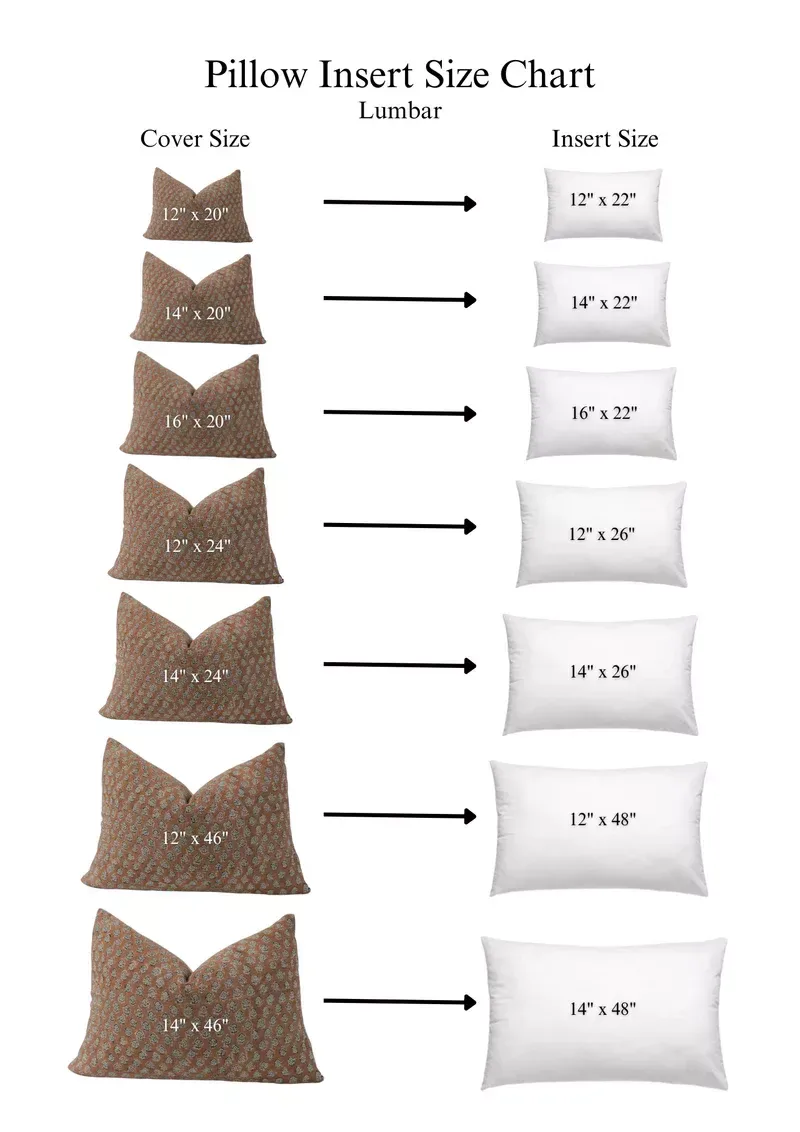
Image source: Web (Bing) / pinterest.com (Web image (fair-use with source credit))
Mastering the Art of the Mix
Mixing patterns and textures is the hallmark of a professional look. You should start with a hero fabric, which is the boldest or most complex pattern in the collection. This fabric usually sets the color palette for the entire grouping.
Once you have your hero, choose a secondary fabric with a smaller, more subtle pattern. Think of a tiny geometric print or a thin pinstripe. These designs provide contrast without competing with your main selection.
Finally, incorporate a solid-colored pillow with high tactile interest. A chunky knit or soft velvet adds depth without needing a loud pattern. This anchors the display and pulls the disparate fabrics together into a cohesive unit.
Choosing Fillers and Fabrics for Real Life
The feel of your pillow is determined entirely by the insert and the cover material. If you prefer a structured look that stays in place, synthetic polyester fiberfill is your best bet.
If you prefer the soft, high-end look often seen in magazines, down or feather inserts are the industry standard. These inserts allow you to karate-chop the top of the pillow for a custom, lived-in aesthetic.
When choosing fabrics, consider the Textile Fiber Products Identification Act requirements regarding labels, which help you verify fiber content before you buy. If you live in a high-traffic area, stick to performance fabrics like linen blends or heavy-duty cotton. These materials resist fading and are much easier to clean after frequent use.
The Step-by-Step Arrangement Workflow
Arranging pillows requires a systematic approach to ensure comfort and symmetry. Start by placing your largest, solid-colored pillows in the back corners of the sofa to frame the seating area.
Next, place your secondary pattern pillows in front of the large squares. These should be 1 to 2 inches smaller to allow the back layer to remain visible. Place your rectangular lumbar or bolster pillow dead-center in front of the other layers.
This arrangement works because it creates a pyramid effect. The height in the back draws the eye up, while the lower, varied shapes in the front offer visual interest. If you want a more casual look, push the pillows slightly off-center to suggest a relaxed atmosphere.
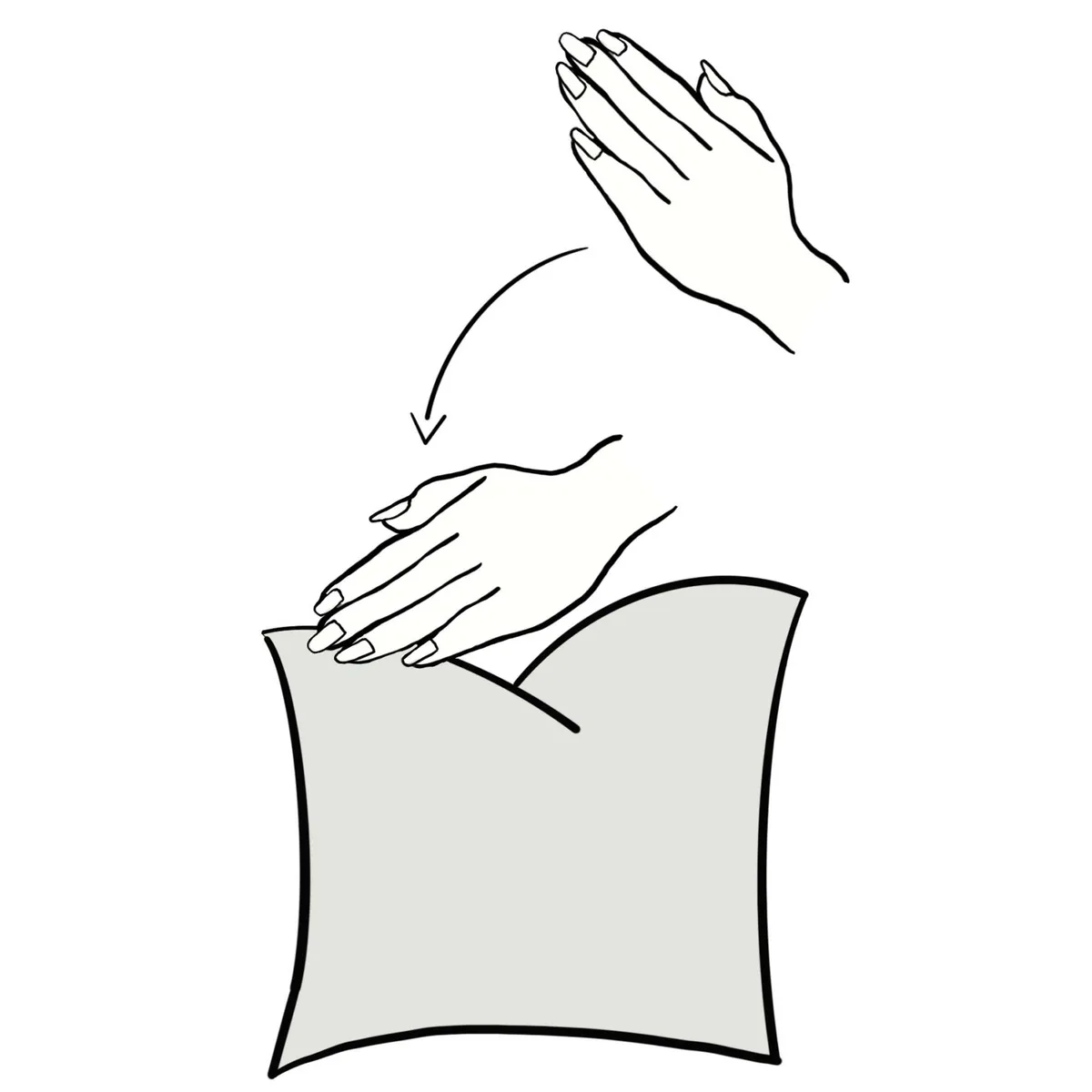
Image source: Web (Bing) / chloeandolive.com (Web image (fair-use with source credit))
Common Styling Mistakes That Kill the Vibe
The most frequent error is the fortress effect. This happens when you crowd so many pillows onto a sofa that there is literally no room left to sit down. If your guests have to move four pillows just to find a spot for their legs, you have prioritized decoration over actual comfort.
Another common pitfall is the color-match obsession. Many people try to find a pillow that is the exact shade of their sofa, which usually results in a flat and muddy look. Instead, you should aim for colors that complement the couch.
Pick a hue from a nearby rug or piece of art, and look for a pillow that incorporates that secondary color.
Lack of contrast is equally problematic. If you pair a dark navy sofa with dark navy pillows, they will disappear into the furniture. Use light, textured pillows against dark leather, or bold, patterned pillows on a neutral beige sofa.
Visual interest relies on the bounce-back of light and texture, not just matching colors.
Finally, avoid buying matching sets from a single store display. These collections often lack personality and can make a room look like a generic furniture advertisement. Curating your own selection by shopping for individual pieces allows you to blend textures and sizes that actually feel personal to your home.
Frequently Asked Questions
How do I keep pillows from sliding off leather couches?
Leather is naturally slick, which causes most lightweight pillows to fall off. You can solve this by choosing pillows with heavier fabrics like velvet or wool that provide better friction. If sliding persists, use a small strip of rug-gripper tape under the pillow or opt for larger, heavier inserts.
What is the best way to clean my decorative pillows?
Check the care label on the cover before attempting any cleaning. Many modern covers are machine-washable in cold water on a delicate cycle, but others require professional dry cleaning to prevent shrinking. Always remove the insert before washing the cover to avoid damaging the internal filling.
Can I reuse my old pillow inserts?
You can absolutely reuse existing inserts if they have not lost their loft or shape. If your current inserts have gone flat, you can sometimes revive them by placing them in the dryer on a low-heat setting for ten minutes. If they remain lumpy, it is time to replace the inserts with new down or high-quality polyester forms.
How many pillows are too many for a sofa?
A good rule is to limit your display to three pillows on a standard sofa and five on a large sectional. This keeps the look intentional and clean while leaving enough space for people to sit comfortably. More than this creates visual clutter and forces your guests to move them to the floor.
Should my pillows be all the same shape?
Varying the shapes of your pillows adds movement and keeps the arrangement from looking too stiff. A mix of large squares, smaller squares, and a single lumbar or bolster pillow creates a professional, layered silhouette. Using only squares often results in a rigid, blocky appearance that lacks depth.