How to Choose Curtains for a Room
Knowing how to choose curtains for a room requires balancing aesthetic preferences with the physical demands of your space. The right window treatments control light, enhance privacy, and shift the entire scale of a room.
Our research indicates that homeowners often prioritize color over function, which leads to poor light blocking or awkward proportions. Proper window dressing hinges on precise measurements, structural support, and appropriate fabric density.
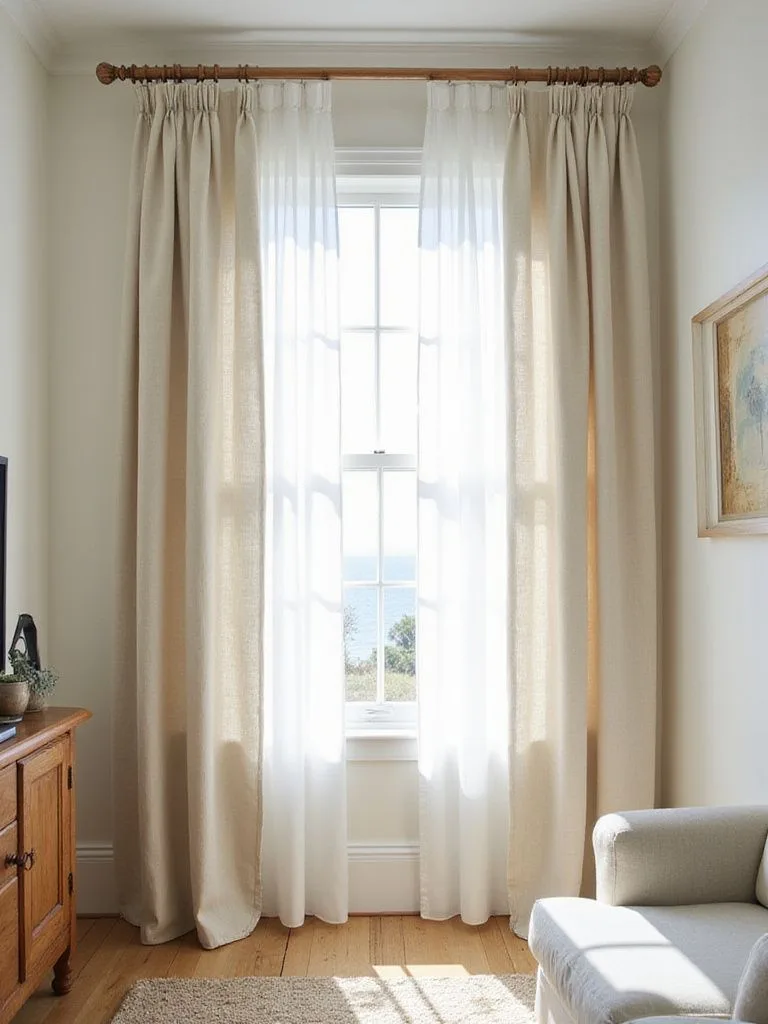
Image source: Web (Bing) / pinterest.com (Web image (fair-use with source credit))
Quick Answer
Choose curtains by measuring window width and height first. Use a rod wider than the window frame. Select fabric based on your privacy needs.
Ensure you have two times the window width. Mount the rod high above the window. Follow these steps for professional results.
Why Window Proportions Define the Room
The way you dress a window changes the perceived size of your walls. Most standard windows look small because the rod is mounted too close to the glass. You can manipulate the space by placing your hardware strategically.
Mounting curtains higher creates the illusion of tall ceilings. Extending the rod wider makes the window appear larger than its actual frame. This simple adjustment shifts the focal point of the room.
Good design relies on these proportions. If you place the rod too low, you cut the room in half visually. Aim for clean lines that draw the eye upward.
This technique works in any room, regardless of your personal style.
Mastering the "High and Wide" Mounting Technique
Installing your hardware is the most critical step in the process. You must move beyond the basic brackets included with cheap rods if you want stability. Use a level to ensure the rod is perfectly horizontal before you drill.
- Height: Mount your brackets 4 to 6 inches above the window casing.
- Width: Extend the rod 8 to 12 inches on both sides of the window.
This setup prevents the curtains from blocking the glass when they are open. It also ensures the fabric panels hang flush against the wall rather than flapping over the frame.
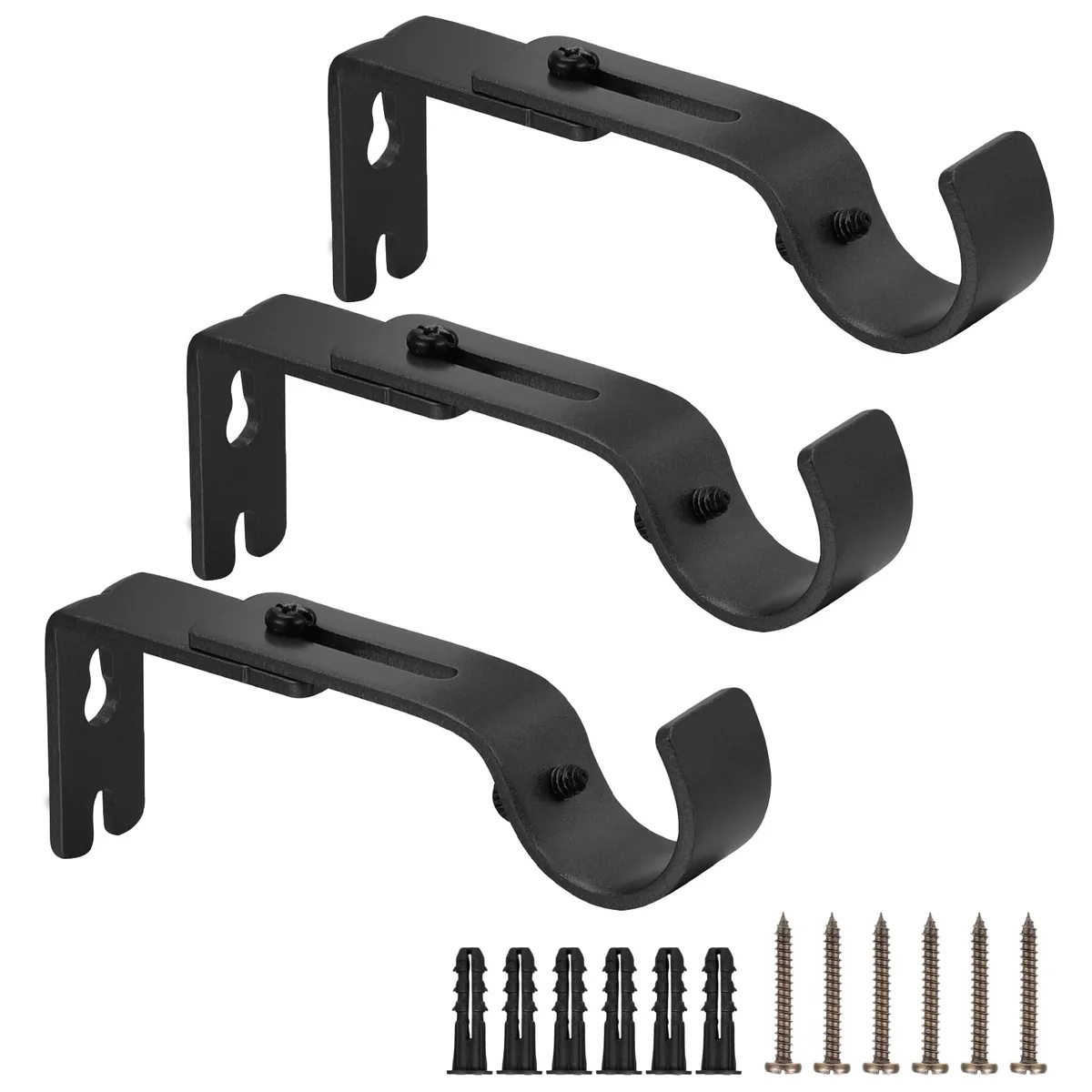
Image source: Web (Bing) / walmart.com (Web image (fair-use with source credit))
Check your wall type before starting. Drywall requires toggle bolts or heavy-duty anchors for long-term support. If you hit a stud, use wood screws for maximum grip.
Per standards from the Consumer Product Safety Commission, ensure your installation remains out of reach for children if you use corded systems.
Selecting the Right Fabric for Light and Privacy
Fabric choice dictates the performance of your window treatment. A sheer fabric filters light, while heavy liners offer complete darkness. Consider the sun exposure of the room before you finalize your purchase.
| Fabric Type | Best Use | Light Control |
|---|---|---|
| Sheer | Living rooms | Low |
| Cotton | Dining areas | Medium |
| Blackout | Bedrooms | High |
Heavier fabrics like velvet provide better insulation. This can help with energy efficiency by reducing heat transfer during seasonal temperature swings. Research from the U.S.
Department of Energy highlights how window attachments play a key role in home comfort.
Think about the texture of your walls and furniture. Natural fibers like linen create a relaxed feel. Synthetic blends are often easier to maintain and resist fading from direct sunlight.
Calculating the Perfect Fullness and Length
Fullness refers to the amount of fabric gathers on the rod. If you use a narrow panel, your curtains will look like flat sheets when closed. A standard fullness ratio is 2 to 2.5 times the width of your window.
- Measuring: Measure the width of your window frame and multiply by two.
- Length: Decide if you want a floating, kissing, or puddling hem.
A "kissing" hem touches the floor lightly. This creates a clean look that is easy to manage during cleaning. Floating hems sit half an inch off the ground to avoid collecting dust.
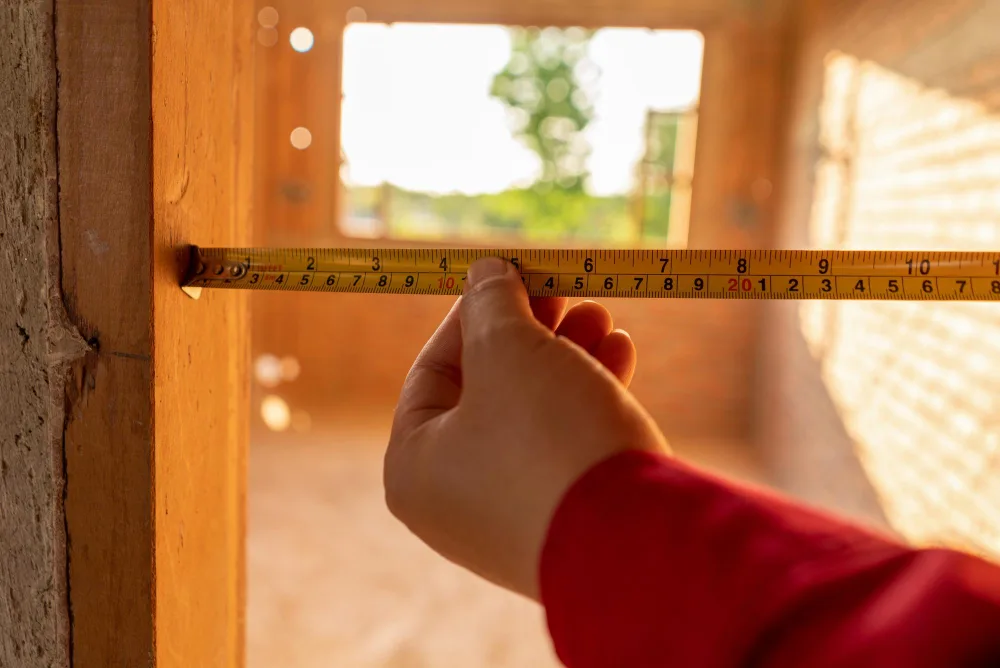
Image source: Web (Bing) / windowdigest.com (Web image (fair-use with source credit))
Puddling requires extra fabric length to pool on the floor. This style is best for formal spaces with very little foot traffic. Avoid this in high-traffic zones, as it can be a trip hazard.
Comparing Heading Styles: From Grommets to Pinch Pleats
The heading is the top part of the curtain that attaches to the rod. Your choice here determines how the fabric folds and moves. Some styles offer a modern look, while others lean toward traditional elegance.
Grommets are large metal rings punched into the fabric. They are easy to slide and create deep, uniform folds. These work best for casual rooms or modern decor themes.
Pinch pleats use small stitches to create structured, gathered fabric at the top. This style looks professional and high-end. They usually require drapery hooks and a track or ring system for smooth operation.
Rod pockets are simple sleeves sewn into the top. These are difficult to open and close frequently. We recommend them only for stationary panels that act as decorative accents.
Common Installation Mistakes and How to Fix Them
Even high-quality curtains fail if the installation process lacks attention to detail. The most common error is ignoring wall composition. Drywall often crumbles under the weight of heavy velvet panels, so always use appropriate anchors.
If you can, screw the brackets directly into the wooden studs for maximum security.
Another frequent oversight is the leveling process. A rod that looks straight to the naked eye can reveal a significant tilt once the curtains are hung. Always use a bubble level before you mark your drill points on the wall.
Ignoring the rod's center support bracket is a recipe for disaster. If your rod extends beyond 48 inches, it will sag in the middle without a support bracket. This causes the curtains to bunch in the center instead of draping naturally across the window.
Check your rod's weight capacity specifications to ensure it can handle the load of your chosen fabric.
Long-Term Maintenance and Safety Best Practices
Keeping your curtains clean helps maintain the integrity of the fabric fibers. Dust acts as an abrasive, which degrades the look and texture of the material over time. Vacuum your panels gently using an upholstery attachment once a month to prevent buildup.
If you notice wrinkles, use a handheld fabric steamer rather than an iron. Steam removes creases without crushing the fibers or ruining the structure of pleats. Check the manufacturer tag for specific care instructions, as some fabrics require professional dry cleaning to avoid shrinkage.
Safety is paramount, especially in homes with small children or curious pets. Avoid long, loose cords that can pose strangulation risks. Per guidelines from the Consumer Product Safety Commission, prioritize cordless options or secure any existing cords out of reach using safety cleats.
This small step protects your household while keeping your window treatments functional and neat.
Frequently Asked Questions About Curtains
How often should I wash my curtains?
Most curtains only need a deep cleaning once or twice a year. Regular dusting with a vacuum brush attachment is usually enough to keep them fresh. If the fabric is delicate or pleated, stick to vacuuming to avoid damaging the structure of the header.
Can I hang curtains over blinds?
Yes, layering curtains over existing blinds is an excellent way to gain both privacy and style. Use a double rod system to hang the curtains wide enough to frame the blinds. This creates a soft, layered appearance that blocks light more effectively than blinds alone.
Do I need to iron my curtains before hanging them?
It is best to steam or iron your curtains before mounting them. Shipping often leaves deep creases that do not release on their own. Hanging them while slightly damp or using a steamer once they are on the rod usually results in the cleanest look.
How do I stop my curtain rod from sagging?
A center support bracket is the standard solution for preventing rod sag. If your rod is long, even a light fabric will eventually cause a bow in the middle. Always install the center bracket to distribute the weight evenly across the entire length of the hardware.
What if my windows are an odd shape?
Oddly shaped windows, such as arched or circular frames, may require custom tracks or flexible curtain hardware. You can also mount the rod above the window to mask the shape if privacy is your main goal. Consult a professional installer if the window frame is too narrow for standard brackets.