How to Choose Bathroom Accessories
When you learn how to choose bathroom accessories, you move beyond just picking items that look good on a screen. You must consider the specific material constraints of your walls and the high-humidity environment of a typical bath.
Industry standards, such as those maintained by the American Society of Mechanical Engineers, emphasize that consistent material quality prevents corrosion. By prioritizing durability and proper measurements, you can ensure your hardware stays secure for years.
Quick Answer
Choose bathroom accessories based on wall material and finish. Match metal undertones to your existing faucet hardware. Prioritize stainless steel for rust-prone areas.
Measure your available space before purchasing any items. Use stud finders or quality anchors for all installations.
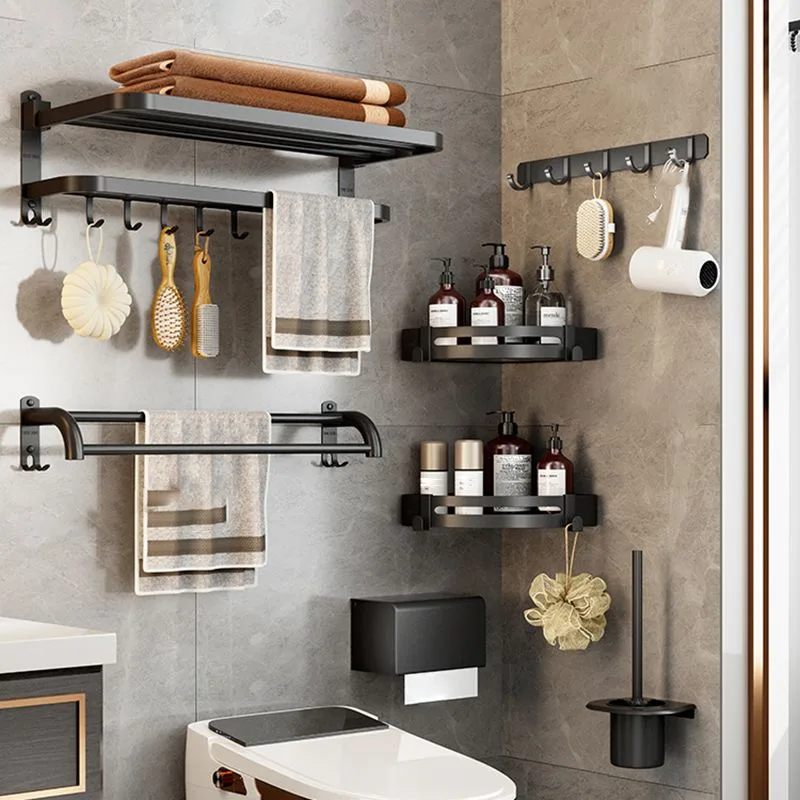
Image source: Web (Bing) / clearhalo.com (Web image (fair-use with source credit))
Stop Guessing: The Logic of Choosing Bathroom Accessories
Most DIY bathroom updates fail because users treat accessories like decorative art rather than functional hardware. You need a systematic approach that balances your aesthetic goals with the reality of daily use. Before you buy anything, map out exactly what you need.
A high-traffic bathroom might prioritize extra robe hooks over a decorative soap dish. Start by listing your non-negotiables, such as a toilet paper holder and a towel rack. Evaluate your current layout to see if you have the physical clearance for these items.
If you are replacing old hardware, check your existing mounting holes. If you choose new accessories that do not match those spots, you will be left with unsightly damage to repair. Always verify the dimensions of the mounting plate on any new product.
The Anchor Strategy: Matching Finishes and Styles
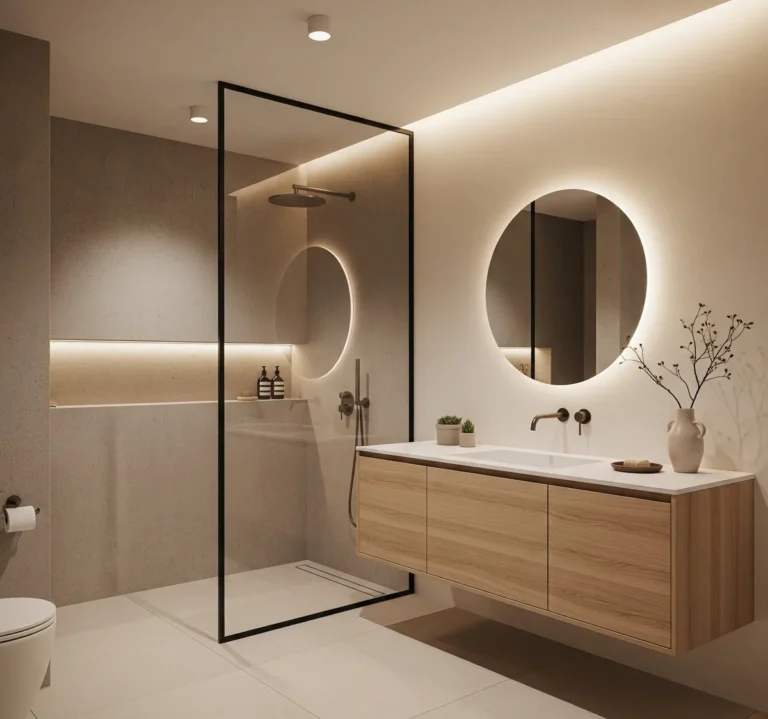
The anchor finish is the hardware you already have in the room, usually the sink faucet or shower trim. If your shower fixtures are polished chrome, your towel bars should ideally match that reflective, cool-toned look.
Mixing metals is a popular design choice, but it requires a careful eye. If you are not confident in balancing tones, stick to a single finish throughout the space. Keeping your metals in the same family prevents the room from feeling disjointed or accidental.
When shopping, be aware that manufacturers often use different names for the same look. Brushed nickel from one brand might look distinct from another company's version. If possible, order a single piece to verify the finish in your actual lighting before outfitting the entire room.
Assessing Your Mounting Surface: Drywall vs. Tile Challenges
Your choice of hardware depends heavily on where you intend to mount it. Drywall is forgiving, but tile requires specialized tools and patience. If you are drilling into porcelain or ceramic, you need a diamond-tipped bit to avoid cracking the surface.
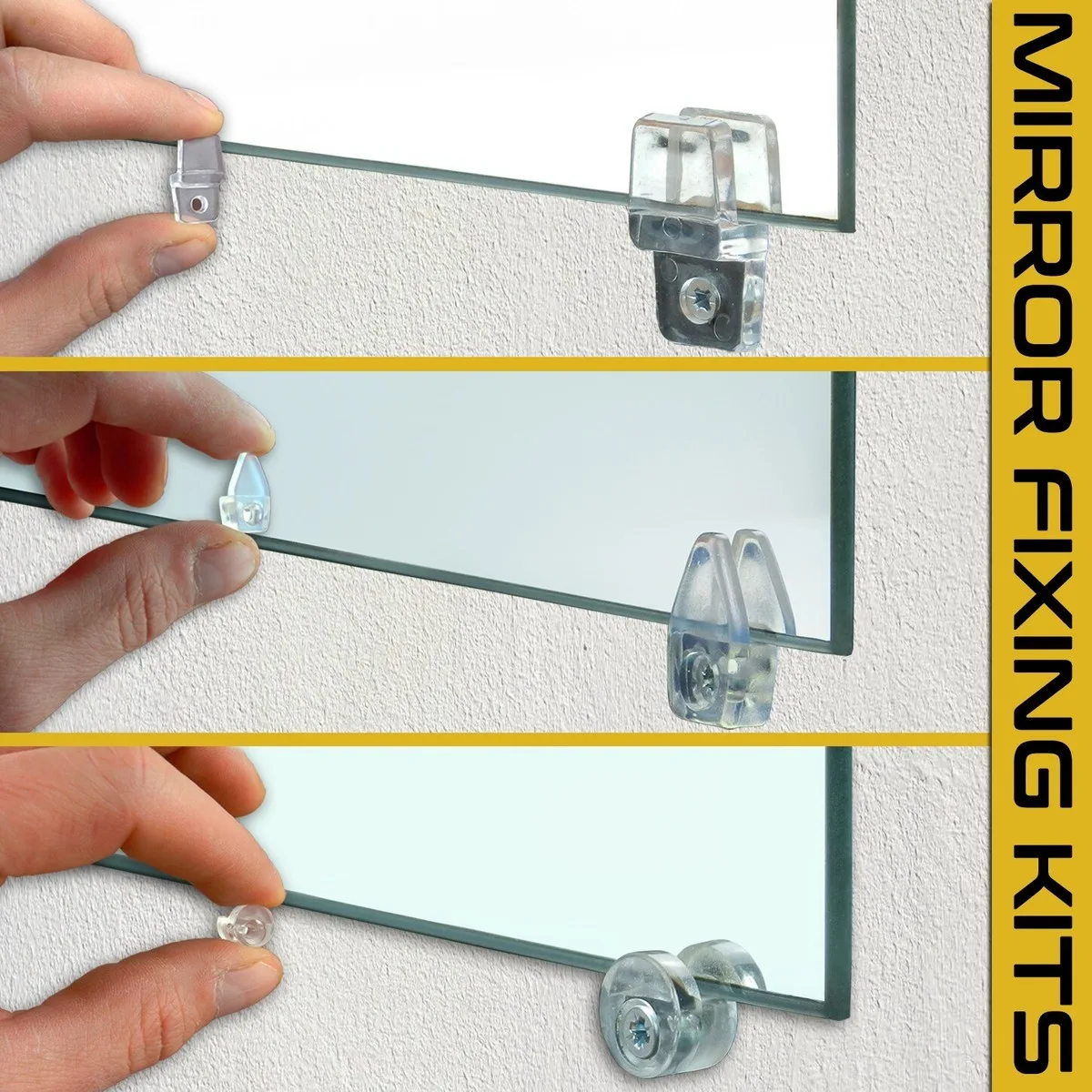
Image source: Web (Bing) / ar.inspiredpencil.com (Web image (fair-use with source credit))
If you are not comfortable drilling into your tile, consider high-quality adhesive-backed accessories. Many modern versions use industrial-strength bonding agents that handle the weight of heavy towels. Always clean the mounting surface with isopropyl alcohol first to remove any soap scum or residue.
If you must drill into tile, use a piece of painter's tape over the drill point to keep the bit from slipping. Keep the drill at a low speed to prevent heat buildup. Heat is what typically cracks the tile during the installation process.
Decision Workflow: Determining the Right Hardware for Your Needs
Use this workflow to narrow down your options based on your specific bathroom setup. If your wall space is limited, prioritize vertical storage solutions over long horizontal bars.
| Factor | Consider This |
|---|---|
| Wall Type | Do you have a stud, or do you need heavy-duty anchors? |
| Clearance | Does the door swing or vanity drawer hit the hardware? |
| Users | Do you need double hooks for multiple bath towels? |
| Humidity | Is the space well-ventilated for long-term metal health? |
If you have a tight space, a towel hook is almost always better than a bar. Hooks are easier to install and hold damp towels more effectively than bars, which can cause towels to bunch up and stay wet longer. If you have the room, however, a towel bar allows for better airflow.
Evaluating Quality: The Difference Between Zinc, Brass, and Stainless Steel
Not all metals are created equal, especially in a humid environment. Stainless steel is the gold standard because it naturally resists corrosion and rust. If you want your hardware to look good for a decade, prioritize this material.
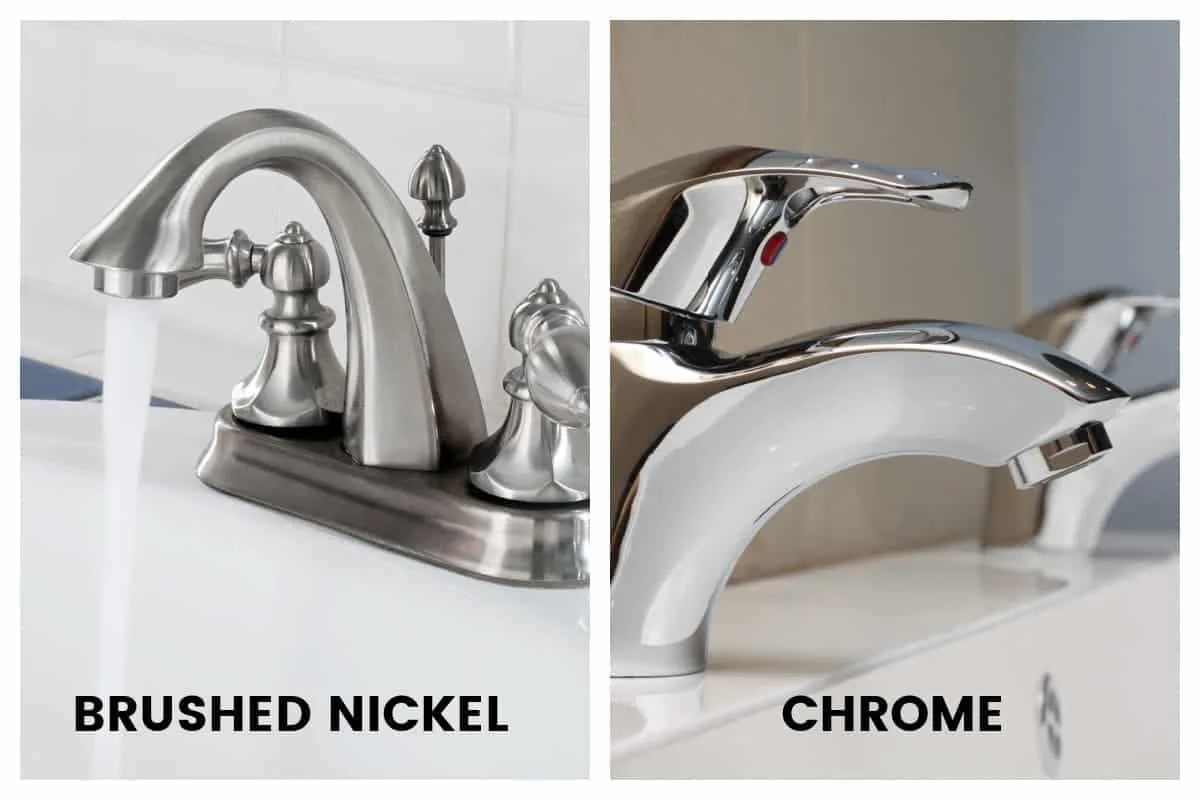
Image source: Web (Bing) / semisonline.net (Web image (fair-use with source credit))
Zinc alloy is common in lower-cost hardware kits. It looks fine in the store, but the finish often peels or pits once it is exposed to constant steam. Brass is a great mid-range option, offering a solid weight and good durability if the plating is high-quality.
You can often test quality by holding the item in your hand. Heavier, solid-feeling pieces generally use better manufacturing processes and more robust mounting brackets. If an accessory feels hollow or flimsy, it likely will not withstand the daily tugging and weight of damp towels.
Common Installation Pitfalls and How to Sidestep Them
The most frequent error in bathroom hardware installation is failing to use the provided mounting hardware. Manufacturers design specific brackets for a reason, and replacing them with generic screws often results in wobbly fixtures. You should always use the included wall anchors if you are mounting into drywall.
Another common mistake involves the wiggle test failure. If you do not tighten the set screw firmly against the mounting bracket, your towel bar will inevitably tilt or loosen after a few uses. Always ensure the bracket is level before you secure the accessory.
Check for clearance issues before you commit to a drill hole. A towel bar mounted too close to a door or drawer will cause frustrating bangs and scratches. Open all surrounding cabinets and doors fully to confirm the proposed spot is actually clear for the entire range of motion.
Pro Advice on Hardware Layout and Ergonomic Spacing
Strategic placement makes a small bathroom feel significantly more functional. Mount your hand towel ring at a height where it is easily reachable from the faucet, but high enough to stay dry. A good rule of thumb is roughly 36 to 40 inches above the floor.
If you are installing a toilet paper holder, aim for a height of about 26 inches above the floor. Position it slightly in front of the toilet bowl edge for the best ergonomics. You want to avoid placing it so far back that it requires an awkward reach.
Consider the towel reach for everyone in your household. If children share the bathroom, lower hooks are more practical than high-mounted bars. Think about the total number of users when you decide how many hooks or bars you actually need to install.
Frequently Asked Questions
Can I mix different brands of bathroom accessories?
You can, but it is risky for beginners. Different brands use varying shades of the same metal finish, which can look jarring when placed side by side. If you must mix brands, try to keep them on different walls or zones of the room to hide minor color discrepancies.
How do I fix a loose towel bar?
Tighten the set screw on the underside of the mounting bracket first. If the bracket itself is loose, remove the bar and check the anchors inside the wall. You may need to replace them with larger toggle bolts if the drywall hole has widened over time.
Are adhesive accessories reliable in a steamy bathroom?
Adhesive mounts work well if the surface is cleaned thoroughly with alcohol before application. However, they are not a permanent replacement for mechanical fasteners in high-use areas. Stick to adhesive for lightweight items and reserve heavy-duty screw-in mounts for your main towel bars.
What is the best height for a robe hook?
Mounting robe hooks at 60 to 70 inches from the floor is standard for most adults. This keeps the robe off the floor and prevents the bottom from getting damp. Always verify your specific robe length before drilling if you prefer a custom height.
Is stainless steel always better than brass?
Stainless steel offers superior rust resistance in high-humidity zones. Brass is more aesthetic but can corrode or tarnish if the protective clear coat wears away. Choose stainless steel for the longevity of your hardware in damp, poorly ventilated bathrooms.