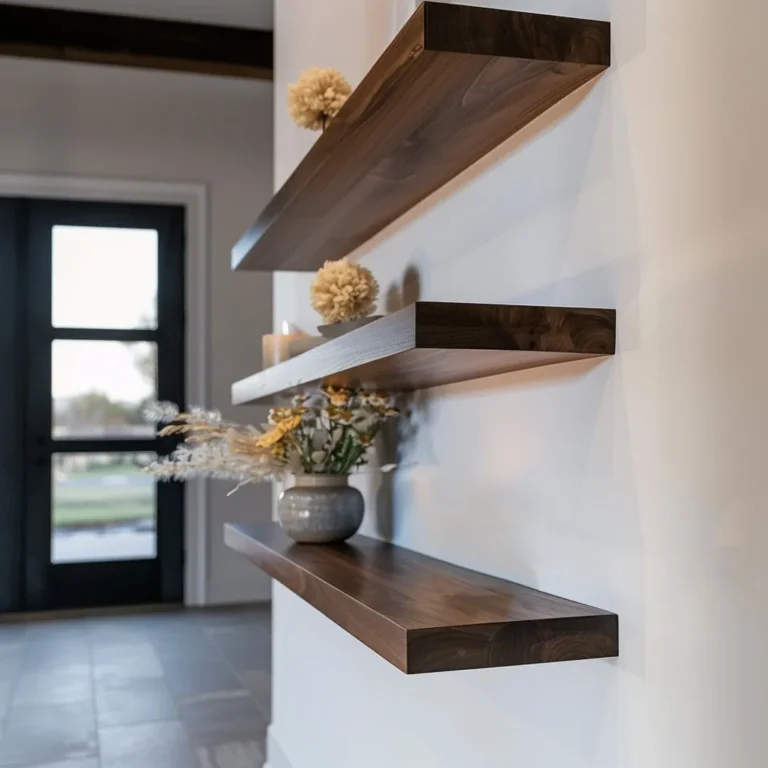
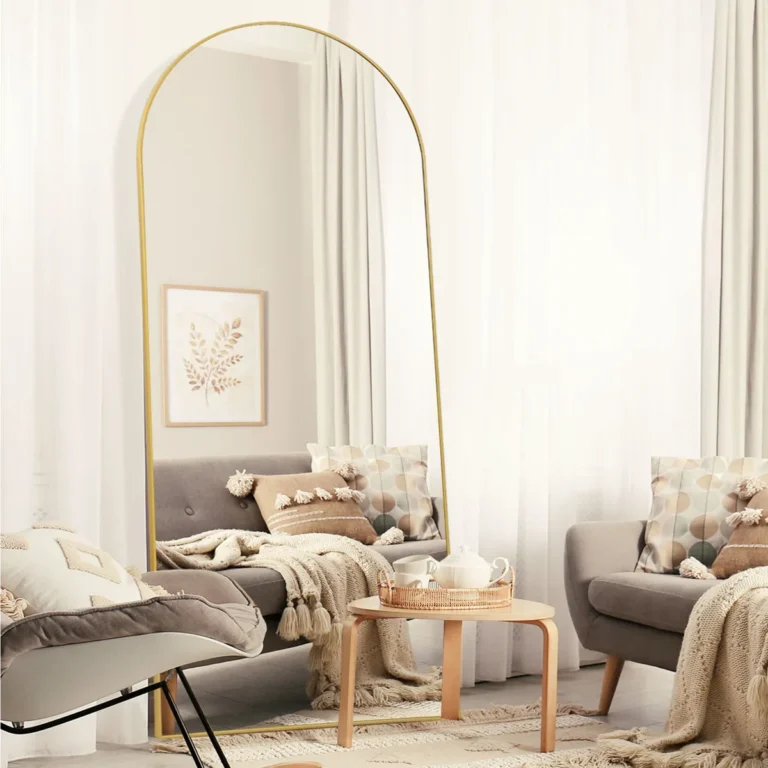
How to Make a Living Room Cozy
Making a living room cozy is about how the space makes you feel rather than how much you spend on furniture. You want a room that invites you to relax, rather than one that feels like a stiff, formal showpiece.
The secret often lies in sensory details, like the warmth of your light bulbs or the softness of your fabrics. As of 2026, designers frequently use the Illuminating Engineering Society guidelines for light quality to create environments that support human comfort and mood.
Quick Answer
Making a living room cozy requires soft, layered lighting. Use warm-toned bulbs below 3000K for comfort. Add tactile textiles like thick rugs and throws.
Arrange furniture to encourage relaxed conversation. Keep surfaces clear of unnecessary daily clutter. These simple steps transform any cold room instantly.
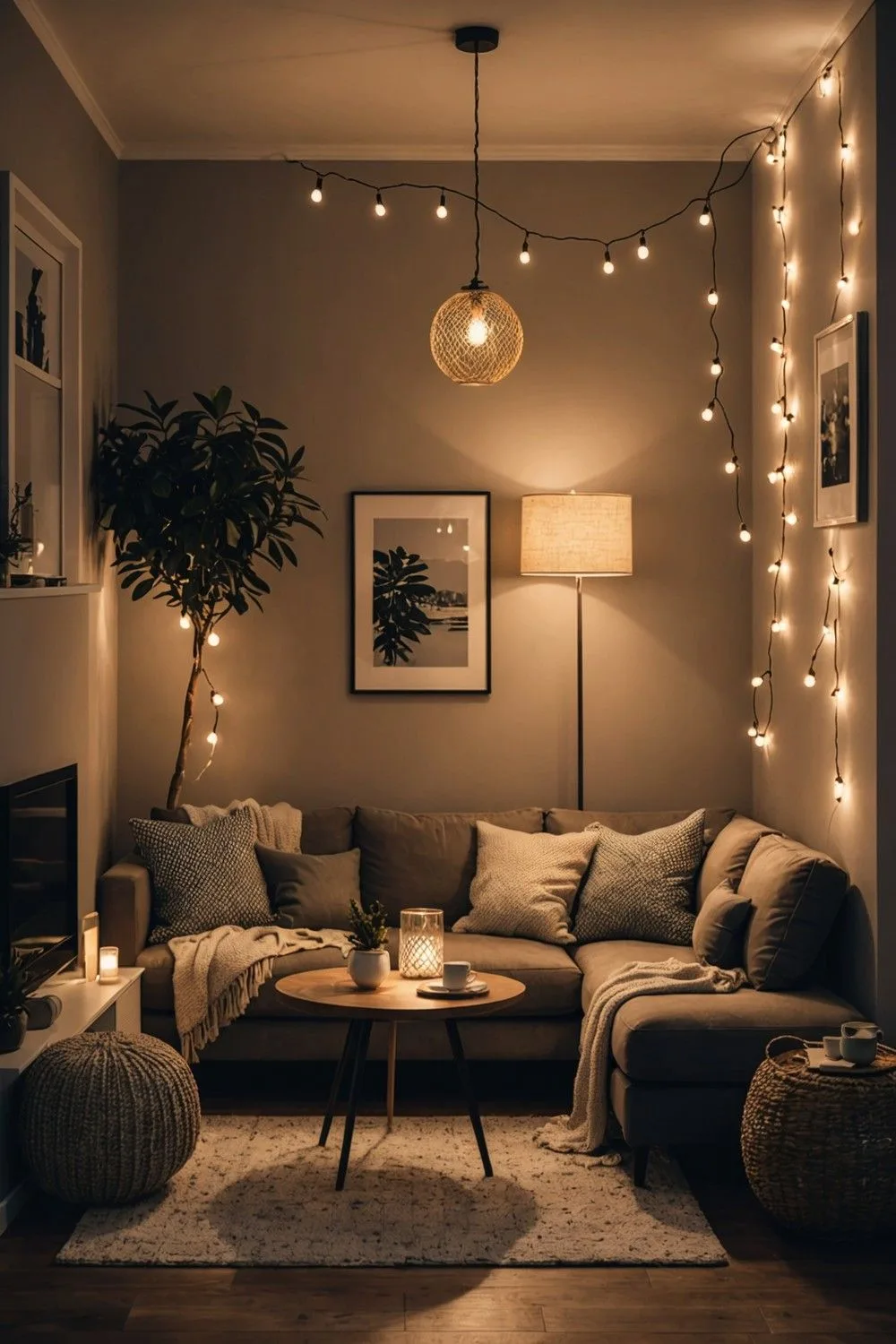
Image source: Web (Bing) / artofit.org (Web image (fair-use with source credit))
The Science of Softening: Why Texture and Light Matter
A room often feels cold because it lacks visual and physical depth. When surfaces are all smooth, hard, or reflective, the eye has nowhere to rest. Soft materials like wool, velvet, and linen absorb sound waves and soften the acoustics of a room.
This creates a quieter, more intimate environment.
Texture also triggers a psychological response. Touching a soft blanket or a nubby rug signals your brain that it is time to relax. If your living room is full of leather, glass, and metal, it can feel like a professional office.
You can easily balance these hard materials by adding soft, chunky, or plush layers.
Think of texture as the room’s personality. A balanced room mixes different densities. Pairing a sleek wooden coffee table with a soft, high-pile rug creates immediate visual interest.
This contrast prevents the room from feeling one-dimensional or sterile.
Lighting for Atmosphere: Moving Beyond Overhead Bulbs
Overhead lighting is the fastest way to kill a cozy vibe. It creates harsh, flat shadows that make it difficult to unwind. Instead, you want to bring your light sources down to the human level.
This is often referred to as ambient lighting.

Image source: Bing (Web (fair-use with source credit))
You should use multiple low-level lamps to fill the room with a soft glow. Table lamps, floor lamps, and wall sconces are perfect for this. Placing these lights at different heights creates depth and keeps the room from feeling like a cave.
Pay close attention to the color temperature of your bulbs. Measured in Kelvins, you want to stay in the 2700K to 3000K range for a cozy feel. Anything above this will look clinical and blue.
Dimmers are also a massive help, allowing you to control the mood depending on the time of day.
The Art of Arrangement: Creating Zones Instead of Obstacles
Many people make the mistake of pushing all their furniture against the walls. This leaves a massive, empty void in the middle of the room. It makes the space feel disconnected and impossible to use comfortably.
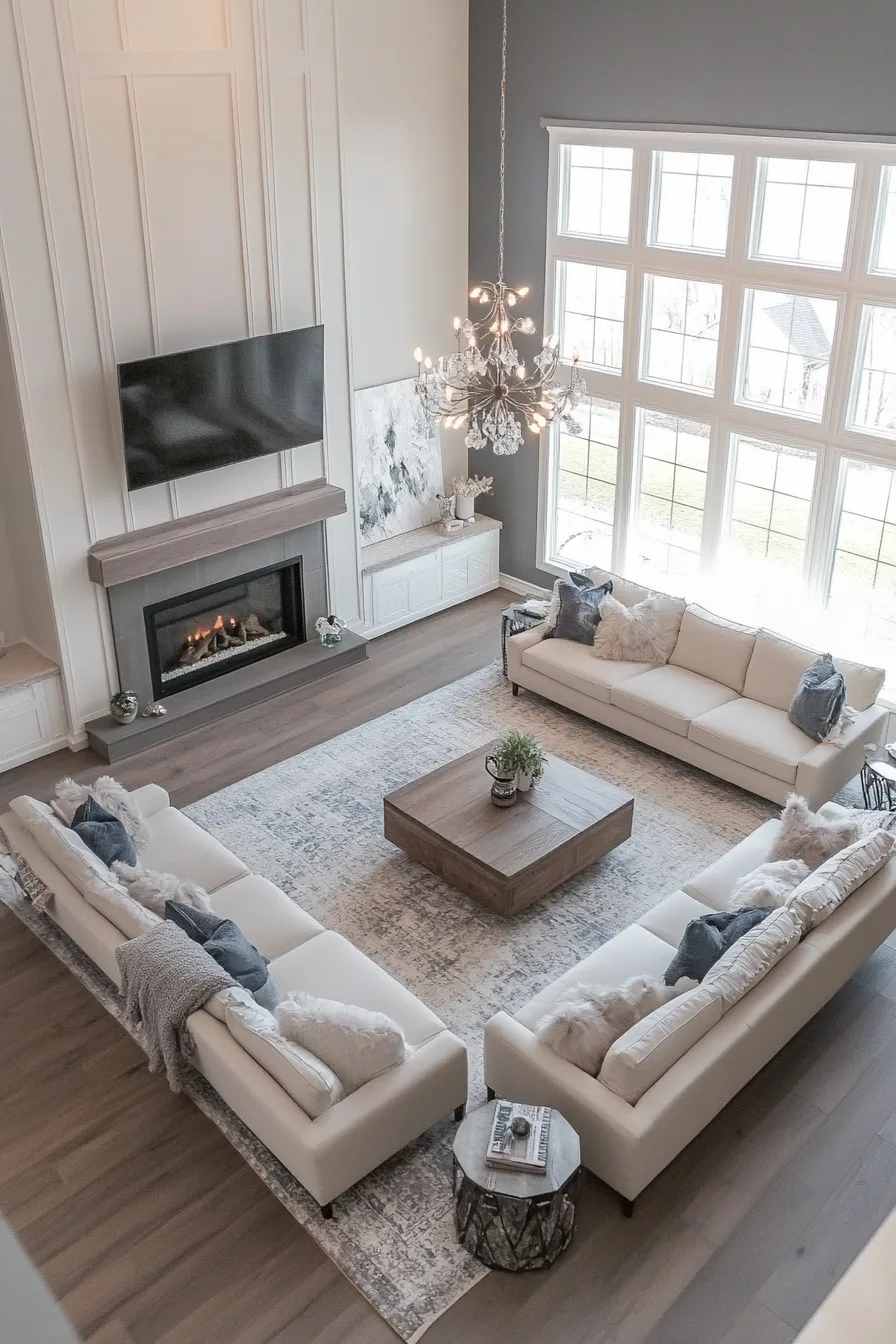
Image source: Web (Bing) / artofit.org (Web image (fair-use with source credit))
Instead, try floating your sofa and chairs toward the center of the room. This creates a cozy "nook" behind the furniture, which is perfect for bookshelves or a small desk. By pulling the pieces together, you create a defined conversation zone.
This layout also makes the room feel more intentional. When pieces are grouped close to each other, it promotes a natural, relaxed way to sit and talk. You don't need a huge living room to do this.
Even in small spaces, keeping furniture away from the walls makes the room feel surprisingly larger and more inviting.
Layering Textiles for Visual and Acoustic Comfort
Textiles are the final layer that turns a house into a home. Without pillows, curtains, or blankets, a room looks staged. These soft items provide the "nesting" feeling that makes a living room feel truly cozy.
- Area Rugs: These are essential for anchoring your seating area. Make sure your rug is large enough so that the front legs of your furniture sit firmly on it.
- Throw Blankets: Drape them over the arm of a chair or the back of a sofa. Don't worry about folding them perfectly.
- Pillows: Mix your fabrics to keep it interesting. Pair smooth velvet with a coarse linen or a chunky knit to add depth.
- Curtains: Hang them high and wide. This adds softness to hard window frames and makes the ceiling feel taller.
These layers work together to deaden echoes and make the air in the room feel warmer. When you have enough soft surfaces, the room feels muffled in a good way. It creates a private sanctuary where the outside world feels a little further away.
Curating the Lived-In Look Without the Clutter
A cozy room should feel like it belongs to someone, not a showroom. You need to balance personal items with clean space. Clutter creates visual noise, which keeps your brain in a high-alert state.
When your surfaces are covered in piles of mail, extra chargers, or random knick-knacks, your living room stops being a place of rest.
The trick is to use curated display. Pick three items that bring you joy, like a favorite book, a plant, or a small decorative piece. Give them space on a side table or a shelf.
Everything else should be stored away in baskets or behind closed doors. This creates a calm, focused environment where the items you actually value can stand out.
Don't be afraid to leave some empty space. A clear coffee table doesn't look boring, it looks intentional. When you reduce the amount of stuff in your line of sight, you naturally feel less stressed.
A cozy space is one where you aren't constantly reminded of your to-do list.
Mistakes to Avoid When Designing Your Space
Common design mistakes often sabotage the cozy feel you are trying to create. The most frequent error is neglecting the scale of your furniture. If you place tiny chairs in a large room, the space feels lonely and disconnected.
Conversely, oversized sectionals in a small room will make the area feel cramped and stressful.
Another trap is placing all your lighting at one height. If your only light sources are recessed ceiling lights or one tall floor lamp, you create harsh, deep shadows that make the room feel like a cavern. You need a mix of task and ambient lighting at various levels to soften the room.
Avoid the temptation to fill every wall with decor. Leaving some white space on your walls actually allows the eye to rest and makes the pieces you do display feel more meaningful. Finally, ensure your rug isn't too small for the space.
An undersized rug makes the entire seating arrangement look like it is floating in a void.
| Mistake | Consequence | Simple Fix |
|---|---|---|
| All-Overhead Lighting | Harsh shadows | Add lamps at table and eye level |
| Furniture Against Walls | Dead space in center | Float furniture in the center |
| Tiny Rugs | Disconnected seating | Use a larger rug to anchor furniture |
| Uniform Texture | Flat, boring visuals | Mix wool, velvet, and wood textures |
Maintaining Your Cozy Sanctuary Over Time
Keeping your living room cozy is a process of curation rather than a one-time project. It involves checking your space as your needs change. If you find yourself avoiding the living room, observe which parts feel off.
Perhaps a chair is too difficult to reach, or a specific corner has become a dumping ground for clutter.
Regularly edit your accessories to prevent clutter buildup. Once a season, walk through the room and remove anything that hasn't been used or enjoyed. This keeps the space feeling intentional.
Dust and clean your soft furnishings to ensure they remain inviting to the touch.
Check your lighting components periodically. If a bulb starts to flicker or a dimmer switch feels loose, address it quickly to maintain your preferred atmosphere. A space that is well-maintained feels cared for and welcoming.
This consistent attention ensures your living room remains a place where you can genuinely relax at any time of the year.
Frequently Asked Questions About Coziness
How can I make a large, open-plan living room feel cozy?
Use area rugs to define specific zones for seating or reading. Floating your furniture away from the walls keeps the area intimate rather than cavernous. Use tall floor lamps to lower the visual ceiling and create pockets of warmth in a big, empty space.
What is the best color temperature for a cozy living room?
Stick to bulbs labeled as warm white or soft white, which typically range from 2700K to 3000K. This creates a golden, relaxing glow that mimics candlelight or sunset. Avoid daylight bulbs above 4000K, as they cast a harsh, blue light that feels sterile and uninviting.
Do I need to buy expensive furniture to make a room cozy?
No, coziness is about texture, light, and arrangement rather than high-end pieces. You can transform a basic couch with inexpensive throw pillows and a wool blanket. Moving your existing furniture into a conversational cluster costs nothing and is often more effective than buying new, trendy items.
How do I stop my living room from feeling messy?
Use lidded storage boxes and baskets to hide items like remotes, cords, and magazines. Follow the one-in-one-out rule for decor to prevent items from piling up. Keeping flat surfaces clear of daily clutter is the most effective way to maintain a sense of calm in your living space.
Why does my living room feel cold even with the heat on?
A room can feel thermally cold, but it can also feel visually cold due to hard surfaces like wood, glass, and tile. These materials reflect sound and light, creating a stark environment. Adding soft, fabric-based layers like curtains and rugs absorbs sound and traps warmth to improve the actual and perceived comfort.