How to Decorate a Home Cheaply
Learning how to decorate a home cheaply relies on shifting your mindset from buying new items to maximizing what you already own. True interior style comes from editing your space and focusing on function rather than endless retail therapy.
You can create a professional-looking environment by prioritizing scale, lighting, and texture over expensive trends. As of 2026, household design trends emphasize sustainable, low-cost modifications that increase the perceived value of your living space.
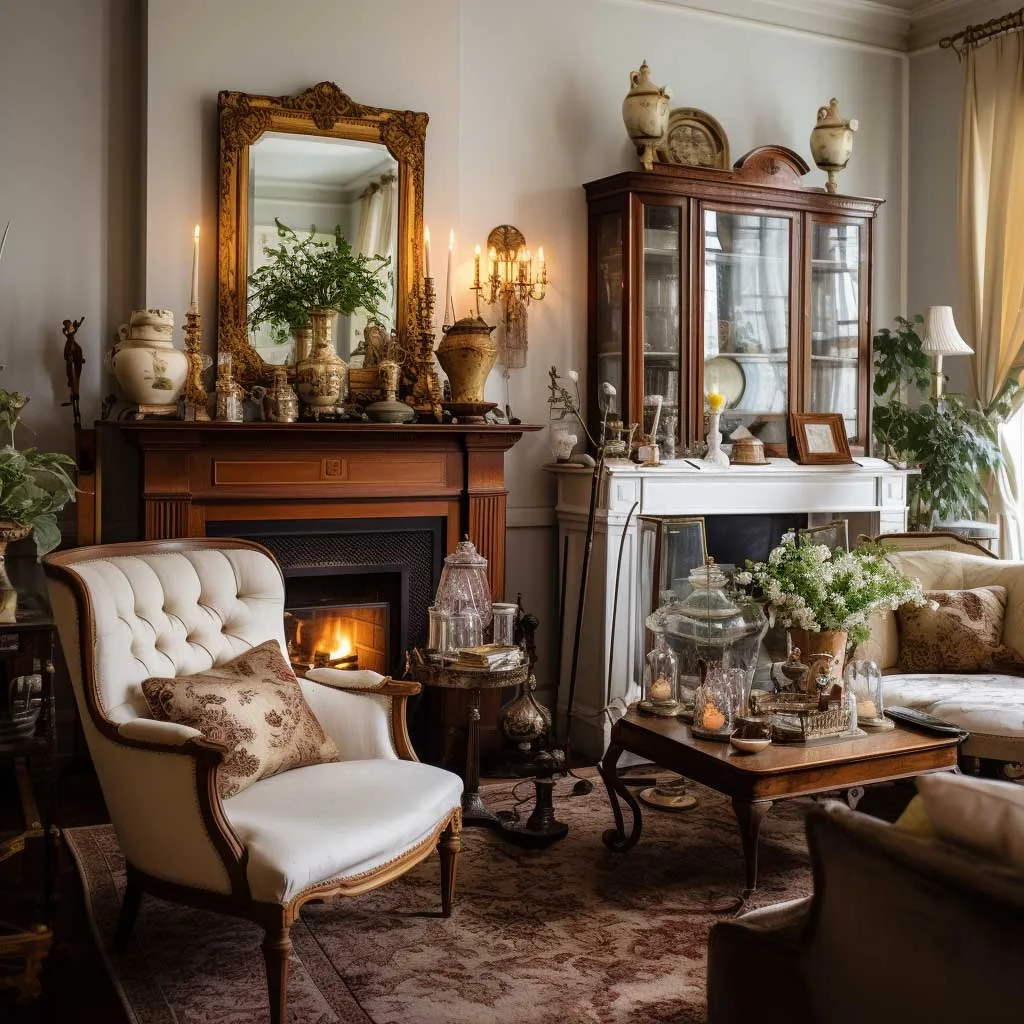
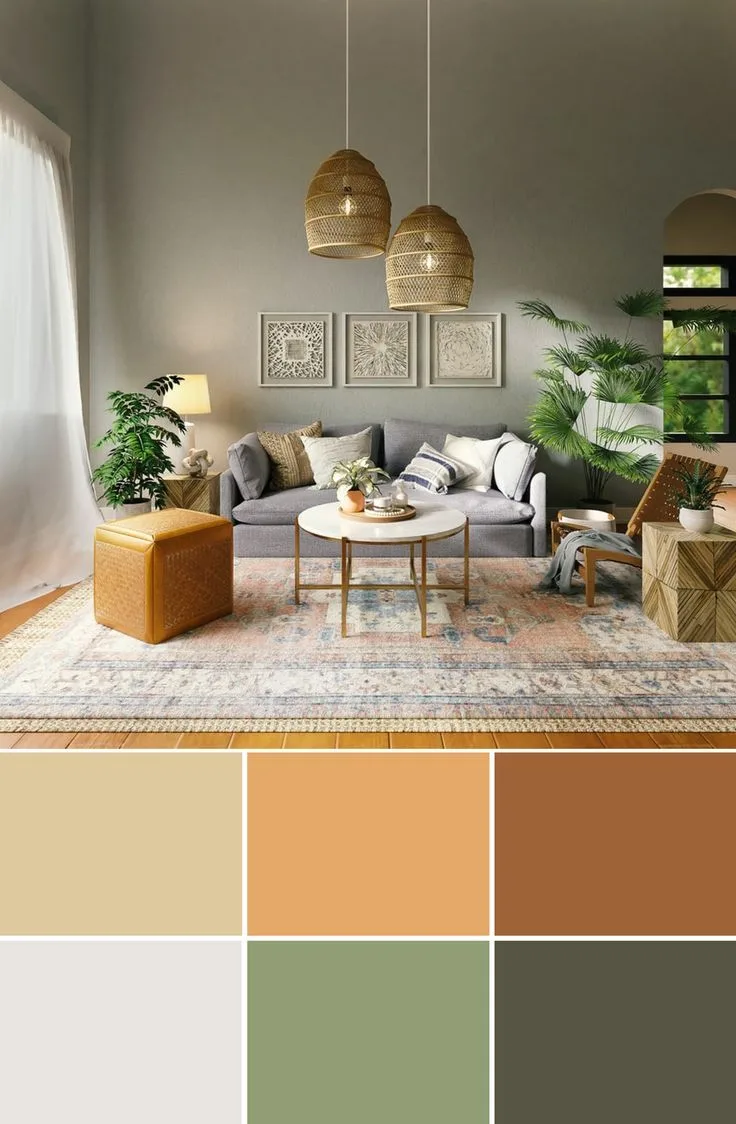
Image source: Web (Bing) / artfasad.com (Web image (fair-use with source credit))
Quick Answer
You learn how to decorate a home cheaply by auditing existing items. Focus on rearranging furniture to improve spatial flow and visual balance. Prioritize lighting upgrades and large-scale wall art over small decorative knick-knacks.
Invest only in high-touch items that increase daily comfort. Avoid purchasing matching furniture sets to maintain a curated, personal aesthetic.
The Empty Room Audit: Why You Already Own More Decor Than You Think
Most people have enough furniture and accessories to fill their rooms twice over, but these items are often hidden in closets or poorly placed. Before you spend any money, clear every surface in your target room until it is completely empty.
This process, often called a home audit, allows you to see the actual scale and flow of your space without visual noise. Once the room is empty, bring items back in one at a time. Only keep pieces that serve a clear function or provide genuine joy.
Look for items in other rooms that could serve a new purpose. A nightstand from a spare bedroom might function perfectly as a living room end table. A rug currently tucked under a heavy sofa might define a new conversation area if placed in a different light.
Use the following checklist to evaluate your current inventory:
- Functionality: Does the piece serve a clear purpose in this specific room?
- Scale: Does the size of the item match the wall or floor area?
- Condition: Can a minor repair or a coat of paint make this piece look new?
- Placement: Does this item block natural pathways or light sources?
The 70/30 Rule: Where to Put Your Money for Maximum Impact
When you finally decide to spend money, you must be disciplined about where those funds go. The 70/30 rule suggests you spend 70 percent of your budget on foundational pieces and 30 percent on decorative accessories.
Foundational pieces include items you touch or use every day, such as sofas, bedding, and area rugs. These items set the tone for the quality of the room. If these pieces look and feel substantial, the space will appear more expensive.
Save the remaining 30 percent for smaller items that provide visual interest. This is where you can afford to take risks with color, pattern, or temporary trends. If your foundation is solid, your guests will rarely notice if your throw pillows came from a discount outlet.
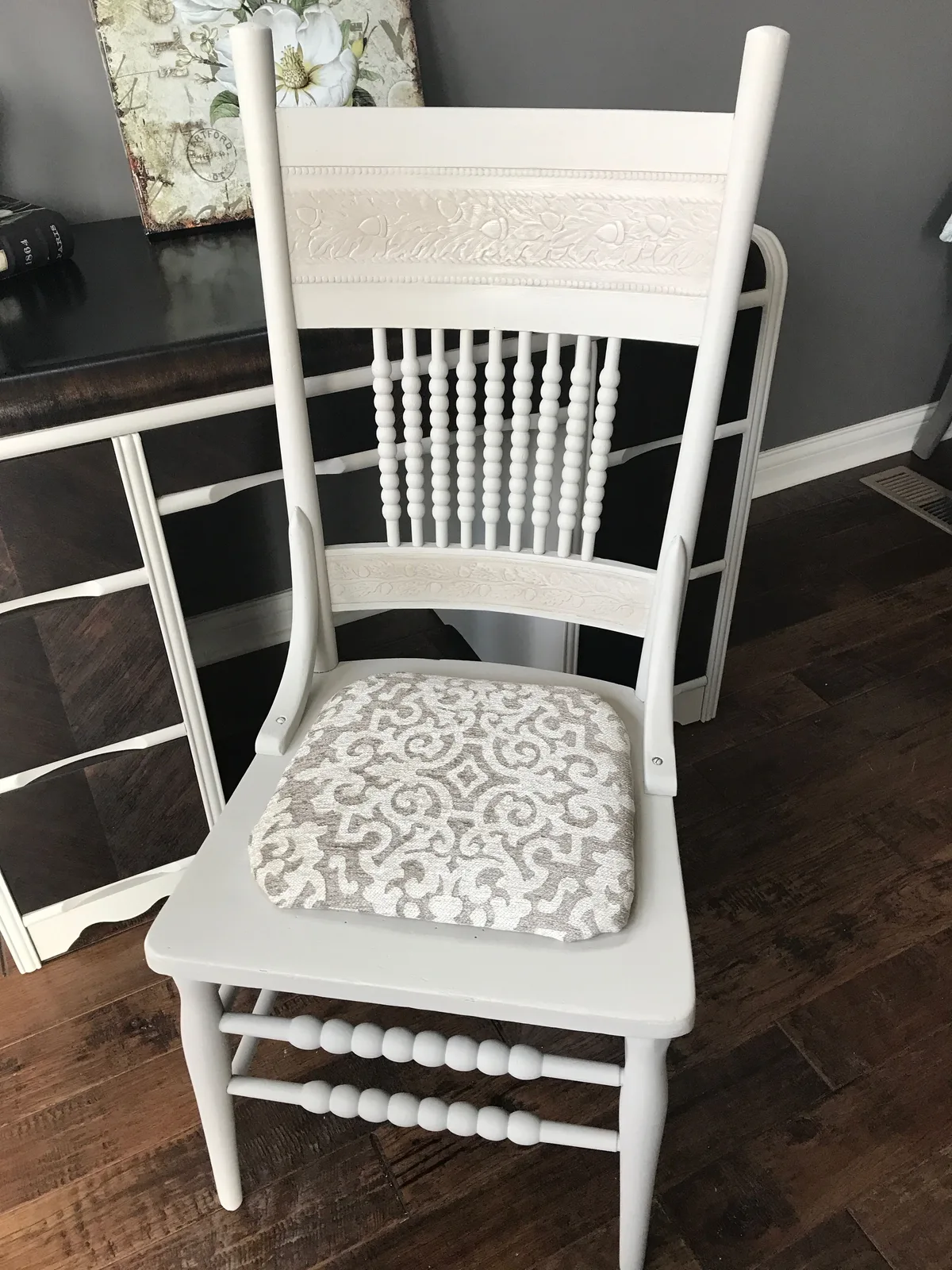
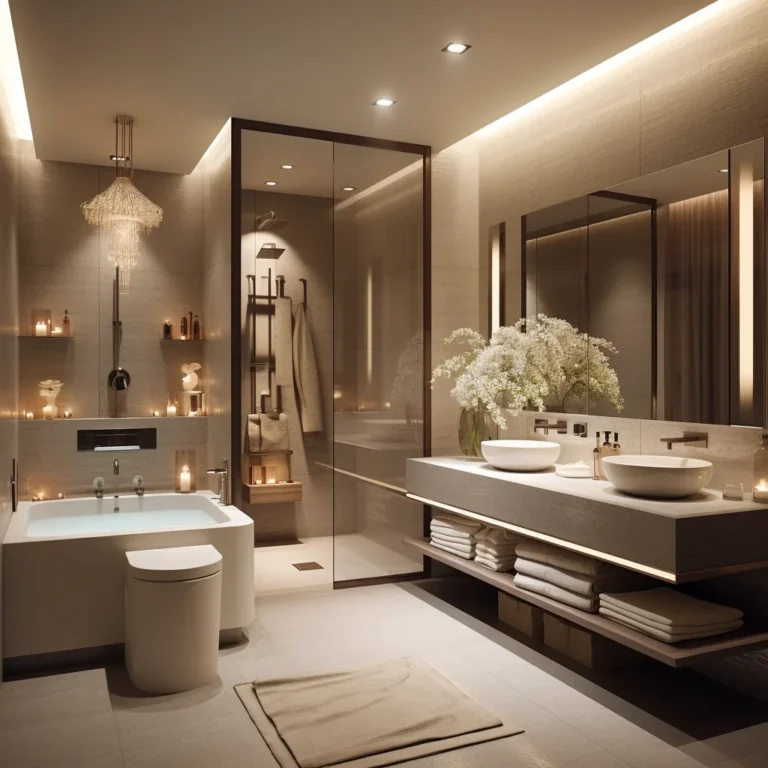
Image source: Web (Bing) / pinterest.com (Web image (fair-use with source credit))
Consult resources from the National Institute of Standards and Technology regarding product durability if you are unsure about the longevity of cheaper materials. Prioritize items that withstand daily wear without fraying or losing their shape.
Lighting, Texture, and Scale: The Three Pillars of High-End Design
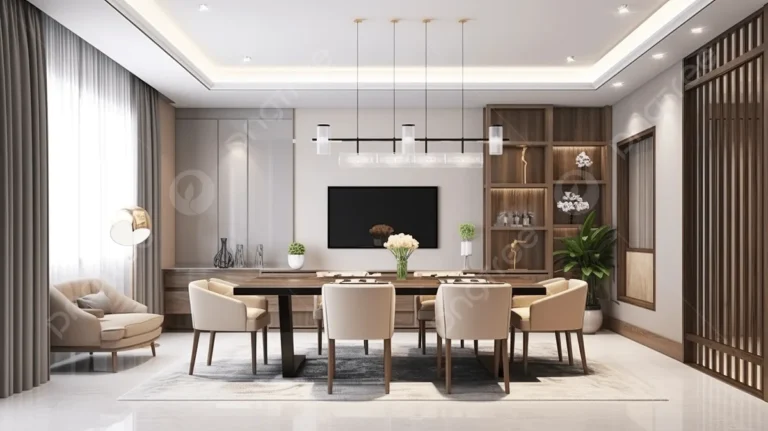
Designers often succeed because they master the interaction between light and surface materials. A room with only one overhead light source often feels flat and cold. You can shift this by adding floor lamps and table lamps that create pools of light.
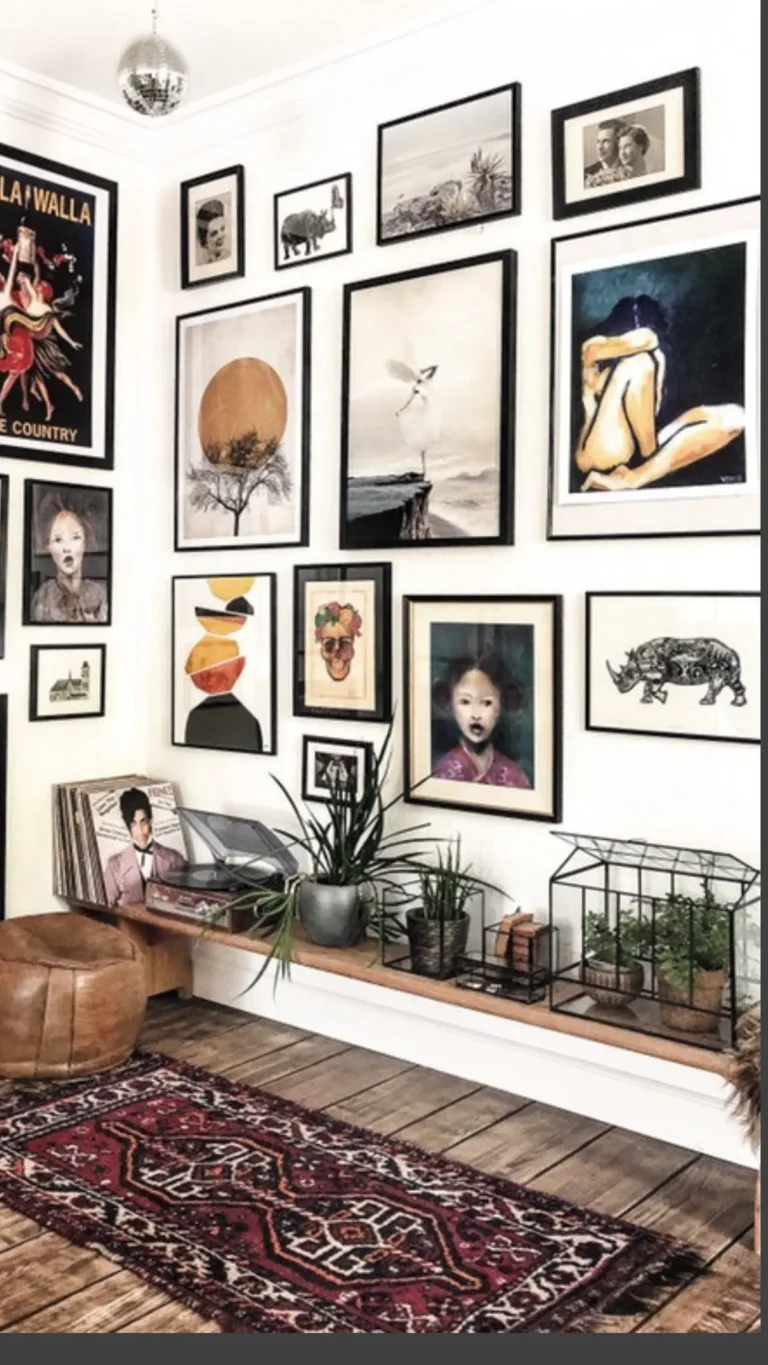
Scale is equally important. A tiny, inexpensive print centered on a massive, empty wall will always look like a budget mistake. Choose one large, impactful piece of art or a grouping of smaller items that take up at least two-thirds of the wall space behind a sofa.
Texture adds depth that color alone cannot provide. Incorporate natural elements like jute, wool, or wood to break up smooth, man-made surfaces. These materials catch light differently and make a room feel lived-in and intentional.
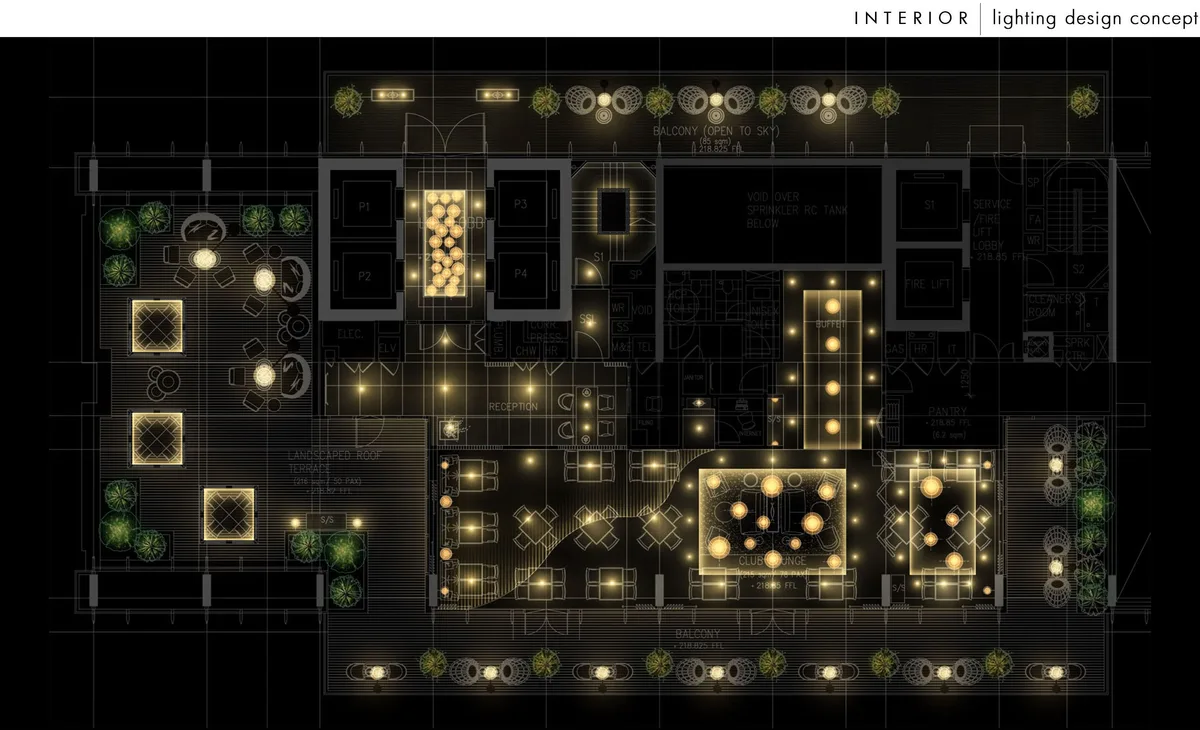
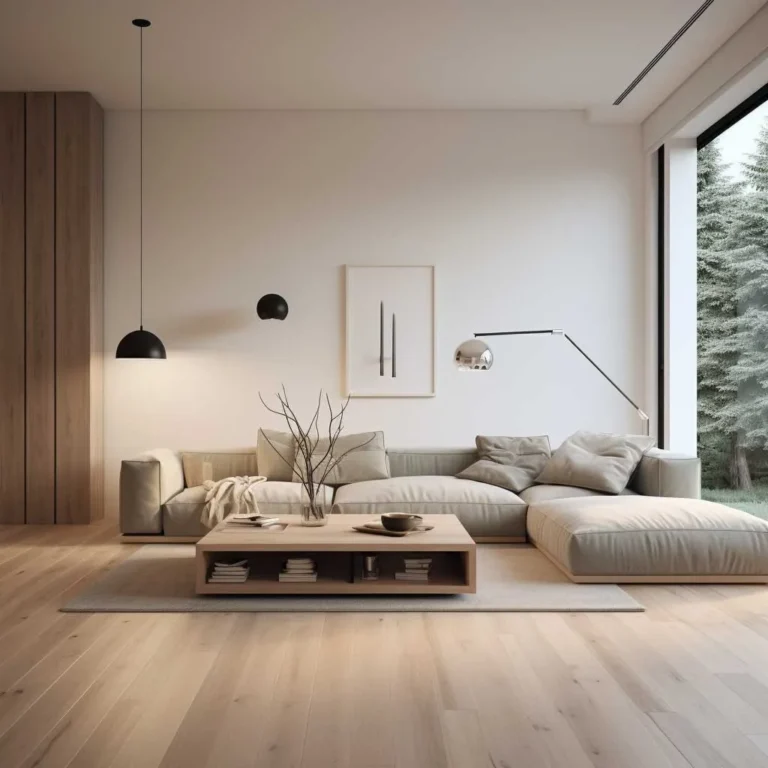
Image source: Web (Bing) / pinterest.com (Web image (fair-use with source credit))
| Element | Budget-Friendly Strategy | High-End Result |
|---|---|---|
| Lighting | Layer lamps at different heights | Soft, inviting atmosphere |
| Wall Art | Frame oversized DIY prints | Focal point creation |
| Texture | Mix textiles like linen and wool | Visual depth and warmth |
| Furniture | Remove legs or add casters | Custom, elevated silhouette |
The Wait-to-Buy Workflow: A Decision Tree for Thoughtful Spending
Impulse buying is the enemy of an affordable, well-decorated home. Implement a mandatory waiting period for any item that costs more than a set threshold, such as fifty dollars.
If you see an item you love, take a photo and walk away. Return to the store or website after two weeks have passed. If you are still thinking about the item and have identified a specific place for it, it is a safe purchase.
Follow this decision workflow to avoid clutter:
- Requirement Check: Does this solve a specific design problem in my home?
- Space Verification: Have I measured the intended location to ensure the piece fits?
- The Two-Week Test: Do I still want this item after 14 days?
- Integration Plan: Do I have to remove something else to make this work?
If you cannot answer yes to all four, do not purchase the item. This workflow prevents the accumulation of low-quality pieces that eventually end up in a landfill.
Common Decorating Pitfalls That Make a Home Look Cheap
Many homeowners unintentionally make their space look less expensive by trying too hard to achieve a catalog look. The most common error is buying a matching furniture set. These sets lack personality and create a static, showroom-like atmosphere.
Another pitfall is keeping filler decor. This refers to small, non-functional items scattered across tables and shelves to hide empty space. If an item doesn't have a story or a clear purpose, it is likely clutter.
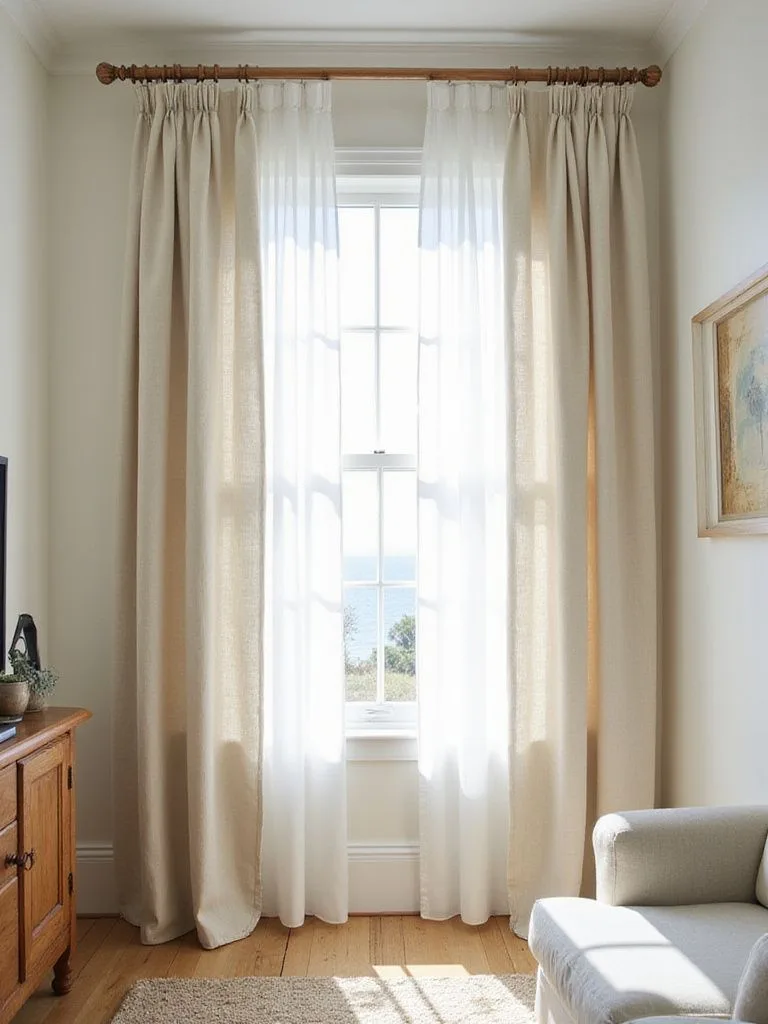
Finally, poor curtain placement often ruins a room's height. Most people hang rods directly above the window frame, which makes the ceiling look lower. Mount your curtain rod as close to the ceiling as possible to create the illusion of height and elegance.
Avoid these mistakes by focusing on character:
- Avoid Uniformity: Mix vintage, modern, and handmade items to create a unique look.
- Edit Relentlessly: If a piece doesn't bring you joy or provide utility, remove it.
- Check Proportions: Ensure your furniture is sized correctly for the room.
- Hide the Cords: Exposed electronics and tangled cords are visual chaos that cheapens any design.
Rental-Friendly Upgrades That Don't Compromise Your Security Deposit
You can significantly improve a rental property without violating lease terms by focusing on reversible, non-damaging modifications. Most landlords restrict structural changes, but surface-level updates are usually permitted. Focus your efforts on items that you can take with you when you move out.
Removable wallpaper is a high-impact solution for renters looking to add color or pattern to a plain wall. Ensure the adhesive is labeled as renter-friendly to prevent damage to the underlying paint. Before applying, test a small strip in a hidden corner to verify the wall surface remains intact upon removal.
Swap out generic hardware like cabinet knobs or drawer pulls for more stylish alternatives. Keep the original hardware in a labeled bag so you can easily reinstall it before your lease ends. This small change makes standard-issue cabinets feel custom and expensive.
Use tension rods for window treatments to avoid drilling holes in walls or window frames. You can find high-quality, decorative tension rods that support heavy curtains, creating a tailored look without permanent fasteners. This approach protects your security deposit while providing the privacy and light control of a professional installation.
Stick to command-style adhesive hooks for hanging art and lightweight mirrors. Follow the manufacturer weight limits strictly to ensure the hooks do not pull away from the drywall. If you need to hang heavier items, check your lease for specific guidelines regarding wall-mounting hardware or inquire with your landlord for written permission.
Frequently Asked Questions About Budget-Friendly Design
How do I start decorating without an immediate budget?
Start by auditing your home. Identify unused items in storage and rearrange your current furniture to create better flow. Cleaning and decluttering reveal the true potential of your space.
You often find that you already own the pieces needed for a fresh, functional layout.
Is it better to buy one quality piece or many cheap ones?
Invest in one high-quality piece rather than multiple low-cost items. A solid, well-made sofa or rug anchors the entire room and lasts longer. Cheap filler items often break or look dated quickly, leading to more frequent, unnecessary replacement costs.
What is the most cost-effective way to change a room's mood?
Changing your lighting is the single most effective way to alter the mood of a room. Replace harsh, standard overhead bulbs with warmer, lower-wattage options. Use task lamps and floor lamps to create layers of light, which makes the environment feel soft and expensive.
How do I hide messy electronics cheaply?
Use cable management sleeves or simple zip ties to bundle cords together. Tuck power strips inside decorative baskets or behind furniture pieces like sofas or consoles. If the clutter remains visible, consider placing a small decorative item or plant in front of the cable path to distract the eye.
Are thrifted items safe for the home?
Most thrifted furniture is safe, but inspect items carefully for pests or structural damage. Avoid upholstered items that show signs of staining or persistent odors, as these are difficult to clean. Always clean and sanitize hard surfaces thoroughly before bringing used pieces into your primary living area.