How to Make a Room Brighter
Learning how to make a room brighter relies on understanding how light interacts with the surfaces in your home. By managing light paths and reflection, you can transform a dim space into an airy, welcoming environment without expensive renovations.
Effective lighting design considers both natural light intake and artificial output. According to standards established by the Illuminating Engineering Society, layering your light sources remains the most effective way to eliminate dark corners and improve visual comfort.
Quick Answer
Making a room brighter involves increasing light reflection and optimizing light sources. Use high-reflectance wall paints to bounce more light around the space. Install mirrors directly across from windows to multiply natural light intake.
Upgrade to high-lumen LED bulbs for consistent, even room illumination. Clear all obstacles from window paths to allow maximum daylight entry.
Why Your Room Feels Dim (And How Light Actually Behaves)
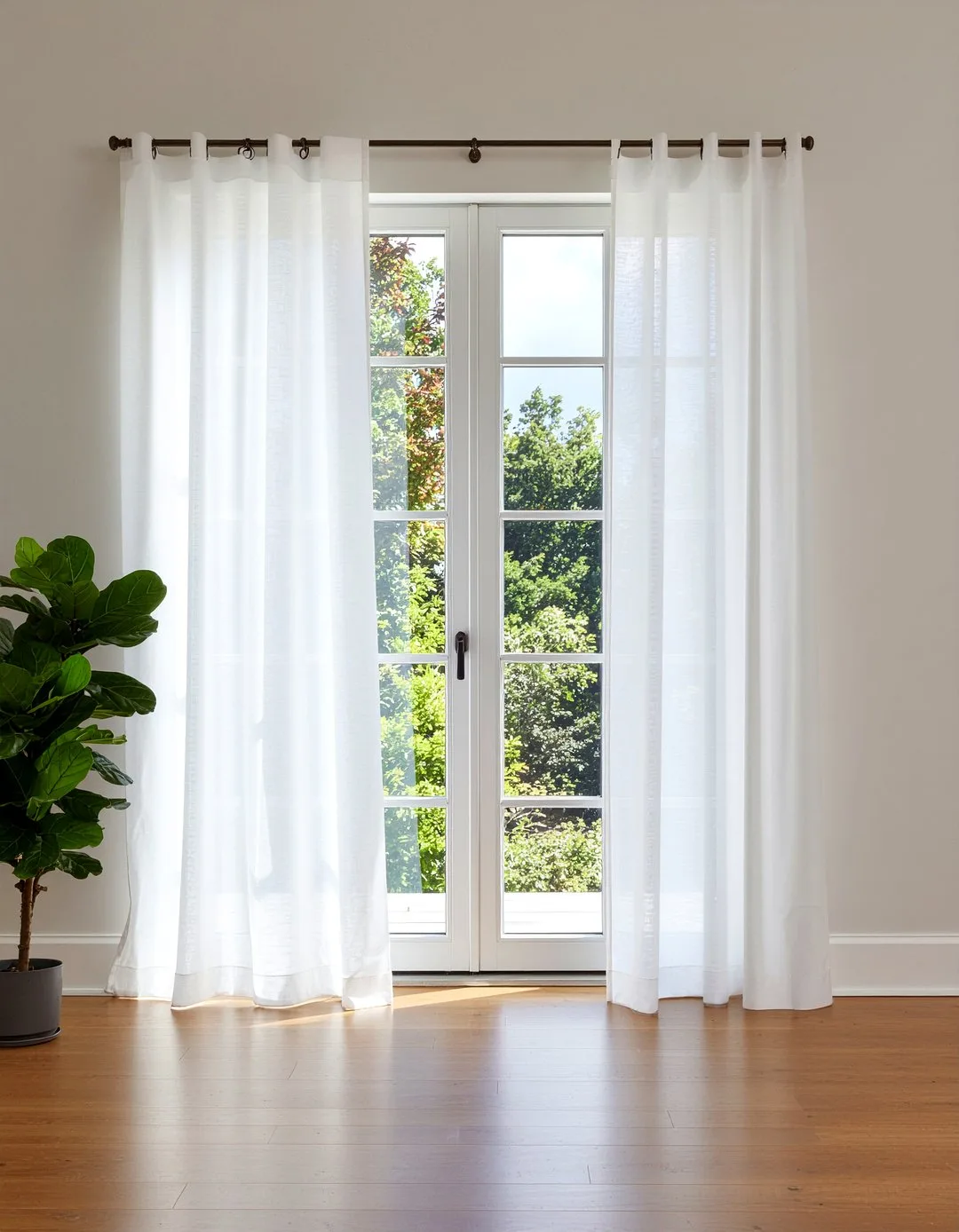
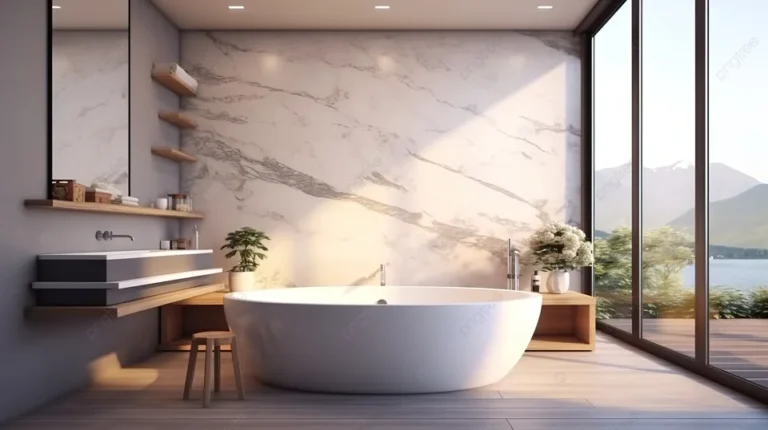
Image source: Bing (Web (fair-use with source credit))
Many rooms feel dark because they suffer from light absorption rather than a lack of light sources. When light hits a surface, it is either absorbed or reflected based on the material's color and texture. Dark, matte surfaces trap light, effectively turning your walls into sponges.
If your room has small windows or faces north, the problem is compounded by a lack of direct solar input. You are likely dealing with diffuse, low-angle light that struggles to reach the center of the floor. Understanding that light behaves like a physical object hitting a surface is the first step toward fixing your lighting layout.
The Light-Bounce Strategy: Mapping Your Room’s Potential
To brighten a space, you must turn every surface into a potential light source. This starts with identifying where the light currently hits and where it stalls. If you notice sharp shadows or deep, dark corners, your current setup is failing to diffuse the light effectively.
Start by mapping the natural light path in your room. Open your window treatments and track how the sun travels across the floor throughout the day. If the light path is blocked by tall furniture or heavy curtains, it cannot distribute throughout the room.
Clearing these paths often yields an immediate, measurable increase in brightness.
Optimizing Natural Light Without Major Renovations
Your windows are the most valuable light source in your home. Unfortunately, they are often obscured by layers of fabric or hardware that stifle natural brightness. You can reclaim this light by adjusting how you frame the glass.
Switch to sheer fabrics that provide privacy while allowing light to pass through. Replace heavy drapes with these lighter alternatives to soften the room.
Mount your curtain rods 6 to 10 inches wider than the window frame. This allows curtains to stack against the wall, leaving the entire glass area exposed. Clean your window glass regularly.
Dust and grime on exterior panes can reduce incoming light by up to 10 percent.
Designing Your Lighting Layers for Maximum Impact
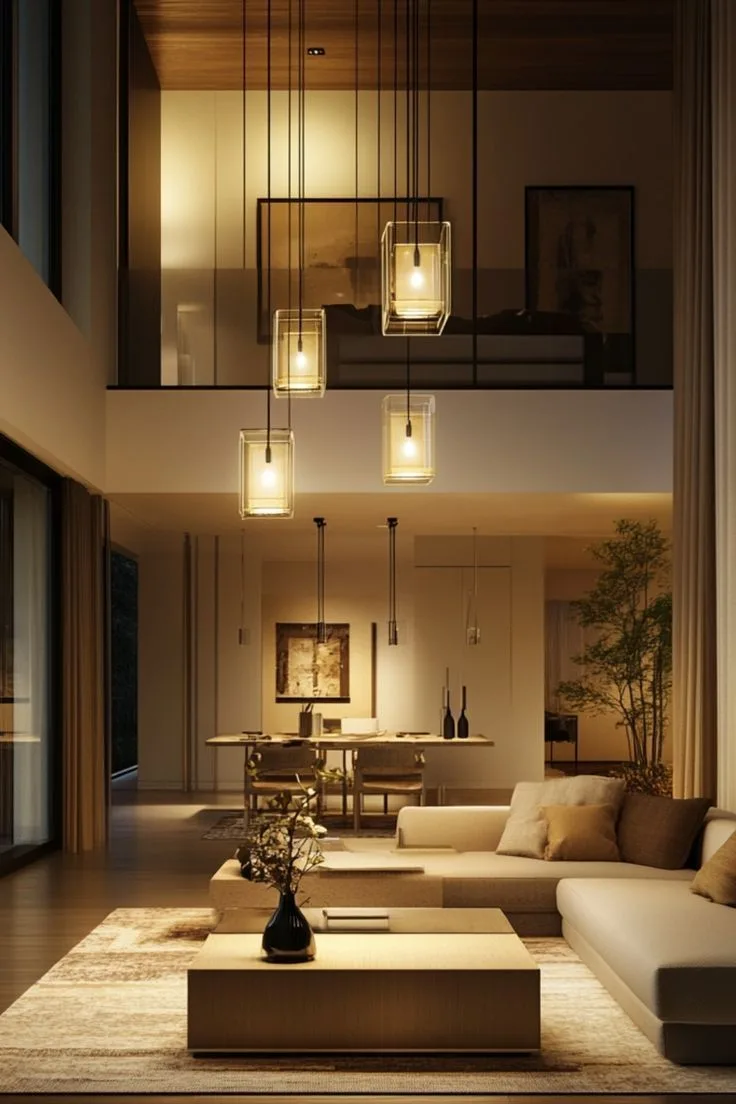
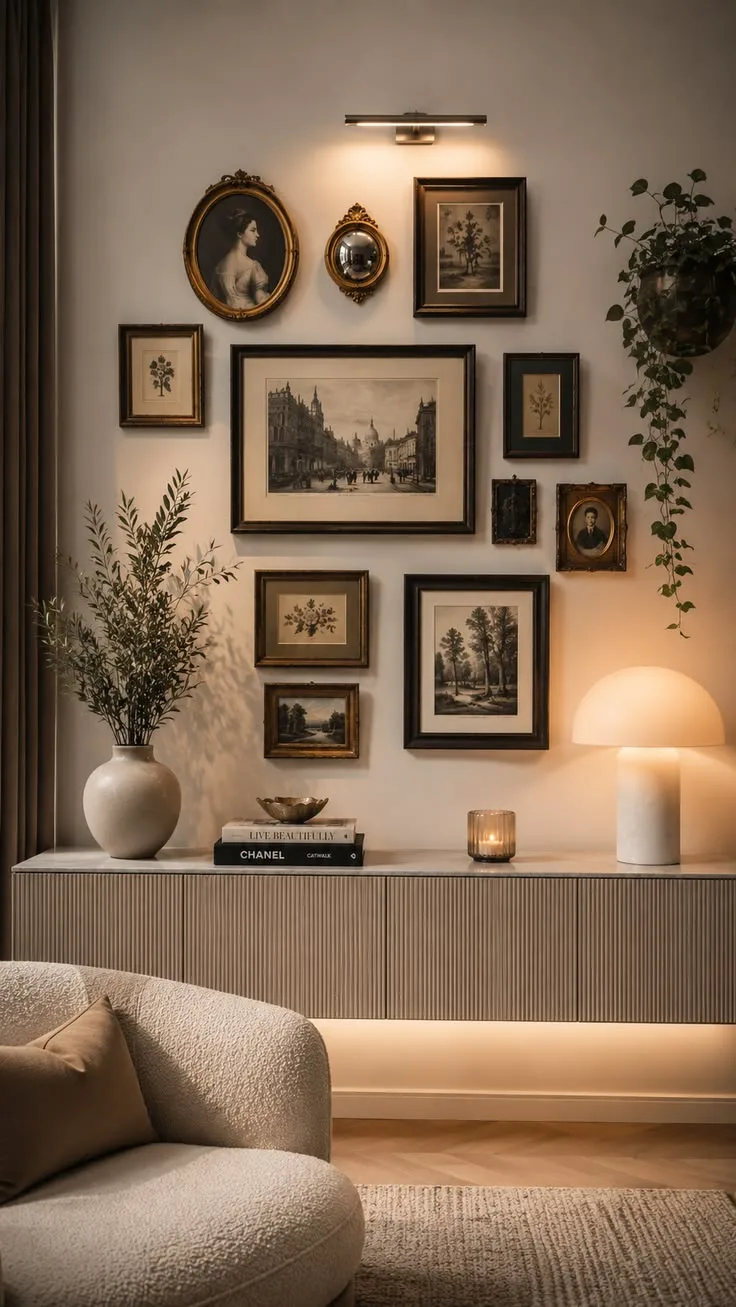
Image source: Web (Bing) / in.pinterest.com (Web image (fair-use with source credit))
A single ceiling fixture is rarely enough to light a room properly. Relying on one point source creates high-contrast zones that make the rest of the room appear darker by comparison. Instead, use a three-layer approach to ensure the entire volume of the room is filled with light.
Ambient light provides the base, usually through overhead fixtures or recessed lighting. Task lighting adds intensity where you need it, such as desk lamps or under-cabinet lights. Accent lighting pulls the room together by illuminating walls or corners, which creates an illusion of depth and openness.
Choosing the Right Bulbs and Finishes to Boost Reflectivity

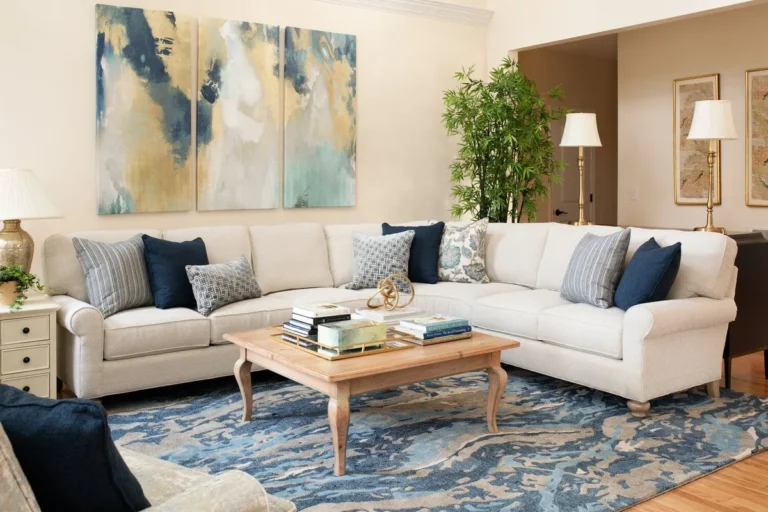
Image source: Web (Bing) / pinterest.com (Web image (fair-use with source credit))
The finish of your paint drastically alters how much light stays in your room. Paints with a high Light Reflectance Value, or LRV, bounce light back rather than absorbing it. A white or light-toned paint with a satin or semi-gloss finish will always outperform a flat, dark matte wall.
When selecting bulbs, look at the lumen output rather than the wattage. Higher lumens equal more brightness. For a balanced, natural feel, keep your color temperature between 2700K and 3000K.
This range avoids the clinical, cold look of blue-toned light while ensuring the room feels crisp and clear.
| Feature | Low Light Impact | High Light Impact |
|---|---|---|
| Wall Finish | Matte / Dark | Satin / Light |
| Bulb Temp | 5000K+ (Blue) | 3000K (Warm White) |
| Mirrors | None | Positioned opposite windows |
| Window Rods | Inside frame | Mounted wide of frame |
Common Mistakes That Trap Light in Your Space
The most common error in dim rooms is the centralized light trap. Many people install a single, high-wattage ceiling fixture in the middle of a room, which creates intense glare at the center and deep, cavernous shadows at the edges. This contrast tricks your eyes into perceiving the room as darker than it actually is.
Another frequent oversight is the misuse of furniture placement. If you have bulky, dark-colored bookshelves or wardrobes positioned near windows, you are effectively building a wall against natural light. Every object within three feet of a window frame acts as a baffle that prevents light from spreading across the floor.
Finally, beware of color confusion. Many assume painting a room white will fix everything, but if you choose a white with a cool, gray undertone in a north-facing room, it may look dingy. Always check paint samples on the wall that receives the least natural light before committing.
A warm white with a hint of yellow or pink often performs better in low-light conditions.
Frequently Asked Questions
Can mirror placement really double the light in a room?
Mirrors do not create light, but they do redistribute it efficiently. Placing a large mirror on a wall perpendicular to a window allows it to catch light and cast it into the room's interior. This is particularly effective in hallways or narrow spaces where light usually struggles to travel.
What is the ideal color temperature for home lighting?
For most living areas, look for bulbs labeled Warm White, which typically fall between 2700K and 3000K. This temperature mimics the soft glow of traditional incandescent bulbs and creates a welcoming atmosphere. Temperatures above 4000K tend to look blue or sterile, which can make a home feel more like an office.
How often should I clean light fixtures to maintain brightness?
You should wipe down your light fixtures and bulbs at least once every three to six months. Dust and debris accumulate on the surface of bulbs and lampshades, which can block a significant percentage of total lumen output. A quick dry-cloth wipe usually restores the intended brightness.
Are LED bulbs always the best choice for a brighter room?
LEDs are currently the standard for brightness and efficiency. They provide high lumen counts with very little heat production, making them safer for enclosed fixtures. Ensure your fixture is compatible with LED bulbs, and always check the lumen count on the packaging to guarantee you are getting the intensity you need.
Why do my walls look darker after painting them a light color?
If your new paint has a low Light Reflectance Value or a matte finish, it may be absorbing too much light. Even white paint can absorb light if it lacks the proper pigments or uses a flat sheen. If you are struggling with this, consider using a higher-gloss trim or adding reflective metallic accents to the room.