How to Decorate Bathroom Shelves
Learning how to decorate bathroom shelves is all about balancing daily utility with a clean, spa-like aesthetic. Many bathrooms feel cluttered because they lack a consistent visual language for stored toiletries and decor.
You can transform these small spaces by focusing on intentional groupings and selective storage. Following basic design principles ensures your shelves remain functional while looking purposefully styled as of 2026.
Quick Answer
Decorate bathroom shelves by grouping items in odd-numbered sets. Use matching containers to hide messy product labels. Place heavy items on the bottom shelf.
Vary the height of your decor pieces. Keep functional items within easy reach. Leave negative space between objects to reduce visual clutter.
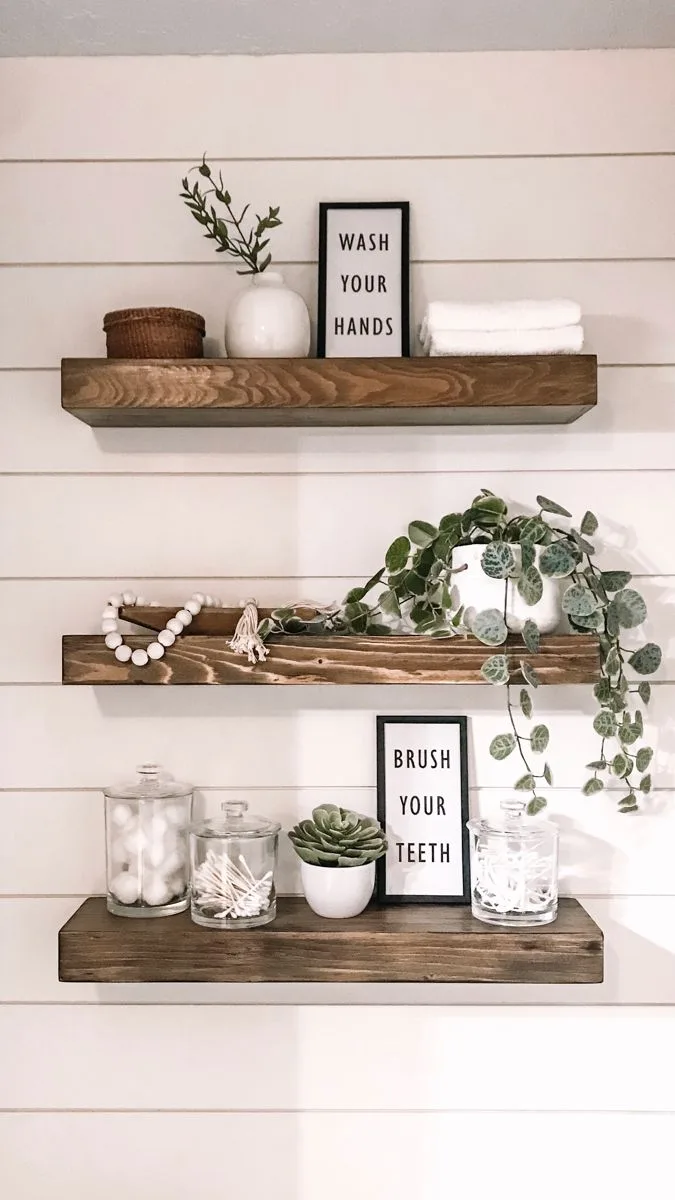
Image source: Web (Bing) / pinterest.com (Web image (fair-use with source credit))
Why Your Bathroom Shelves Don't Look Like the Photos
Professional shelf styling relies on structural balance rather than expensive accessories. If your shelves feel chaotic, the problem is usually an over-abundance of competing shapes and colors. Most retail packaging is designed to grab attention on a grocery store shelf, which creates unnecessary visual noise in a small bathroom.
When you clear the shelves entirely, you get a fresh perspective on the actual storage needs of the space. Designers at the National Kitchen & Bath Association emphasize that storage should accommodate the user's reach and frequency of use. Styling becomes a process of filtering your items to fit those ergonomic requirements.
Choosing the Right Hardware and Shelf Placement
The foundation of a good display starts with how the shelves are installed. For small bathrooms, floating shelves offer a seamless look that preserves floor space. Ensure the hardware is rated for your wall type, whether you are anchoring into studs or using heavy-duty drywall toggles.
Proper spacing is essential to avoid a cramped arrangement. A minimum vertical clearance of 10 to 12 inches between shelves allows for tall bottles and visual breathing room. Per manufacturer safety guidelines for shelving units, always verify the weight capacity before placing heavy ceramic decor or stacks of wet towels on the surface.
Curating Your Items: The Balance of Function and Aesthetic
You need to categorize your belongings into two buckets: daily essentials and decorative accents. Essentials like shampoo and body wash should be kept in uniform containers to maintain a calm look. Decorative pieces like plants or candles act as buffers that soften the hard edges of your bathroom surfaces.
| Item Category | Styling Tip | Placement Priority |
|---|---|---|
| Essentials | Use matching glass or matte-finish bottles. | Lower shelves for easy access. |
| Textiles | Roll towels into tight cylinders for texture. | Middle shelves for visual impact. |
| Decor | Use varying heights and material finishes. | Top shelves to draw the eye up. |
Step-by-Step Styling: Applying the Rule of Three and Layering
The Rule of Three is a classic design heuristic that creates natural-looking arrangements. Start by placing your anchor piece, such as a large woven basket or a stack of towels, slightly off-center. Next, add a medium-sized object like a glass jar, followed by a small finishing piece like a succulent.
Layering adds depth by placing shorter items in front of taller ones. If your items are all the same height, the arrangement will look flat and uninteresting. Create a zig-zag pattern of heights across the shelving unit to keep the viewer’s eye moving naturally across the entire display.
Managing Visual Noise: Decanting and Color Harmony
Decanting is the most effective way to eliminate the chaos of branded product labels. Transferring your lotions, soaps, and shampoos into a cohesive set of glass or opaque bottles creates a professional, hotel-style appearance. This technique prevents bright red, blue, and yellow labels from fighting for attention.
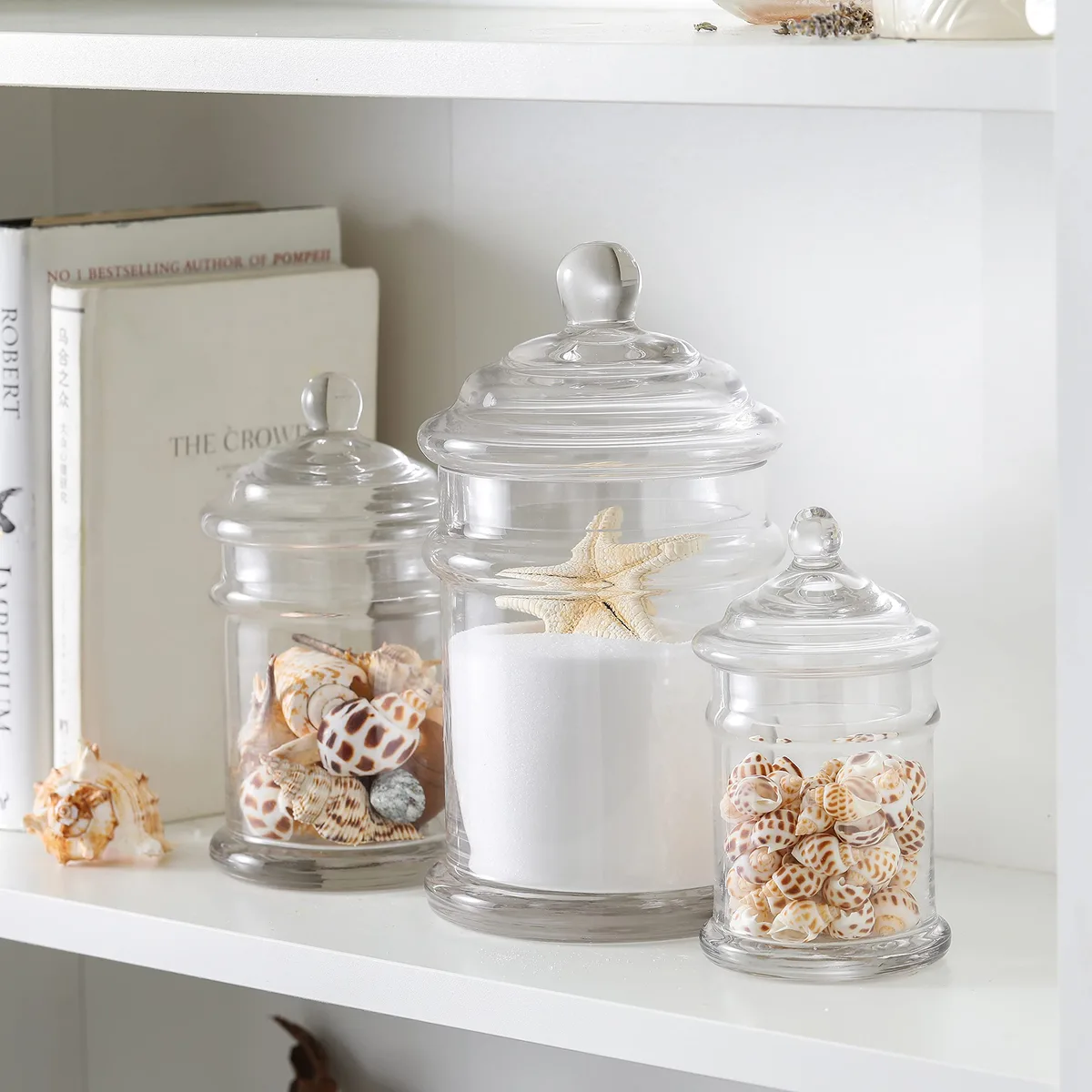
Image source: Web (Bing) / snapklik.com (Web image (fair-use with source credit))
Stick to a tight color palette that complements your existing bathroom tile or wall color. Using neutral tones, like whites, beiges, or matte blacks, provides a calming backdrop that makes your accessories stand out. If you do introduce color, keep it consistent across all shelves to maintain a sense of unity and professional polish.
Preventing Common Pitfalls: Scale, Spacing, and Clutter
The most frequent mistake in bathroom shelf styling is using items that are out of scale with the shelf depth. If your shelves are shallow, avoid bulky, oversized storage bins that hang over the edge. Stick to items that sit comfortably within the footprint of the shelf to maintain a stable, intentional look.
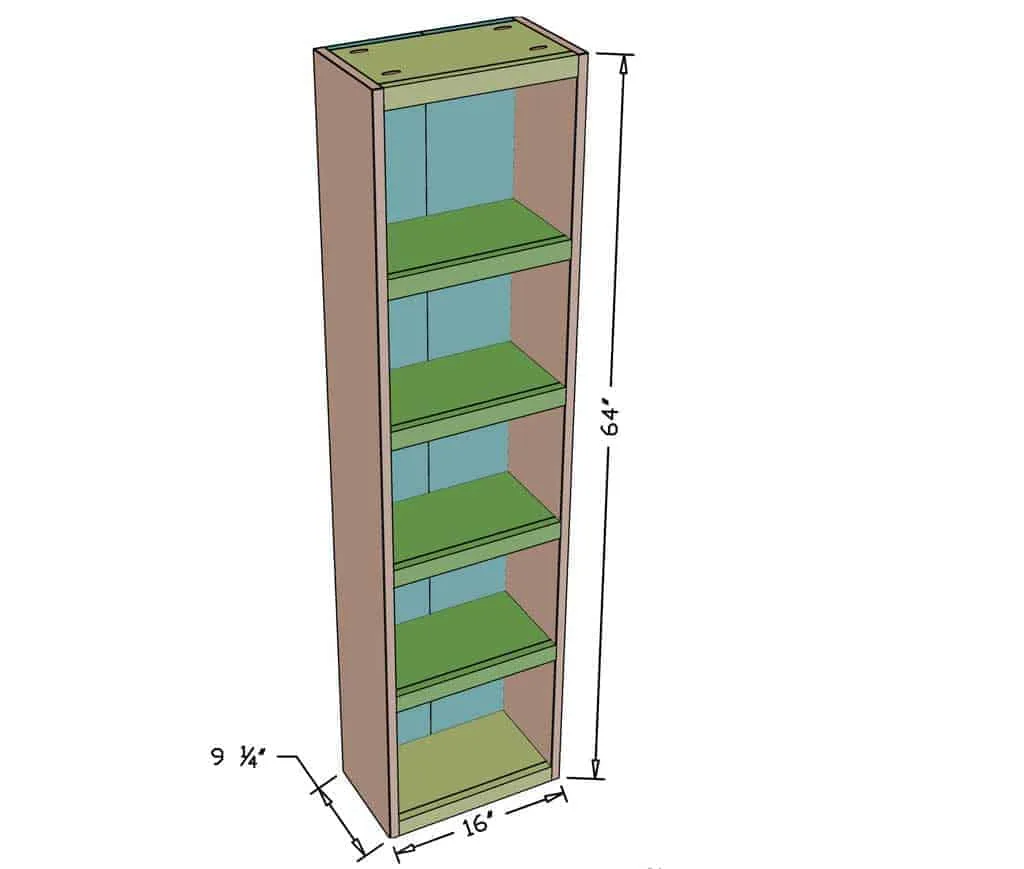
Image source: Bing (Web (fair-use with source credit))
Spacing is your best defense against a cluttered aesthetic. If every inch of the shelf is occupied, the eye has nowhere to rest, which makes the whole bathroom feel chaotic. Aim to leave at least 20 percent of your shelf surface as empty negative space.
This void is not wasted space. It acts as a frame for the items you have chosen to display. If you cannot fit your essentials while maintaining this balance, you likely have too many items on display.
Move the excess to a drawer or cabinet and rotate your decor seasonally.
Maintenance and Long-Term Moisture Management
Bathrooms are high-humidity environments, so your choice of materials matters as much as your styling. Porcelain, glass, and non-porous stone are ideal for shelving because they resist water absorption and are easy to clean. If you use wood, ensure it is sealed with a high-quality marine-grade polyurethane to prevent warping and mold growth.
Dusting should be part of your regular cleaning routine. Because bathroom surfaces are often damp, dust can quickly turn into a sticky film that is hard to remove. Wipe down your shelves and decor items with a damp cloth once a week to keep them looking fresh.
Check for signs of rust or mildew on your shelf brackets or mounting hardware every few months. If you notice buildup, clean it immediately with a mild, non-abrasive cleaner. Keeping your hardware in top condition prevents long-term damage to your walls and protects the integrity of your storage system.
Frequently Asked Questions
Can I mix different materials on the same shelf?
Yes, mixing materials creates visual interest as long as they share a unified color palette. Combine natural textures like wood or wicker with smooth finishes like glass or ceramic to add depth. Just ensure the items relate to one another through color or shape to avoid a mismatched look.
How do I hide messy product labels?
Decanting is the most effective solution for hiding messy labels. Use matching amber glass, clear plastic, or ceramic bottles with simple, waterproof labels. If you prefer not to decant, hide the bottles inside woven baskets or opaque storage boxes that match your bathroom decor.
What is the best way to clean bathroom shelves?
Use a soft, damp cloth with a mild dish soap solution for general cleaning. Avoid harsh abrasive scrubs that can scratch glass or finish off wood. Always dry the surface completely after wiping to prevent water spots from forming on your shelves or your decorative items.
Should I store towels on open bathroom shelves?
Towels are a great way to fill space and add warmth to a cold bathroom. Fold or roll them tightly to maintain a clean, compact appearance. Ensure they are completely dry before putting them on display, as storing damp towels in a closed-off area can lead to musty odors.
How often should I update my shelf decor?
There is no fixed schedule, but updating your decor every few months keeps the space feeling fresh. You don't need to buy new items to change the look. Simply rotating items from other rooms or rearranging your current pieces can completely shift the energy of the room.