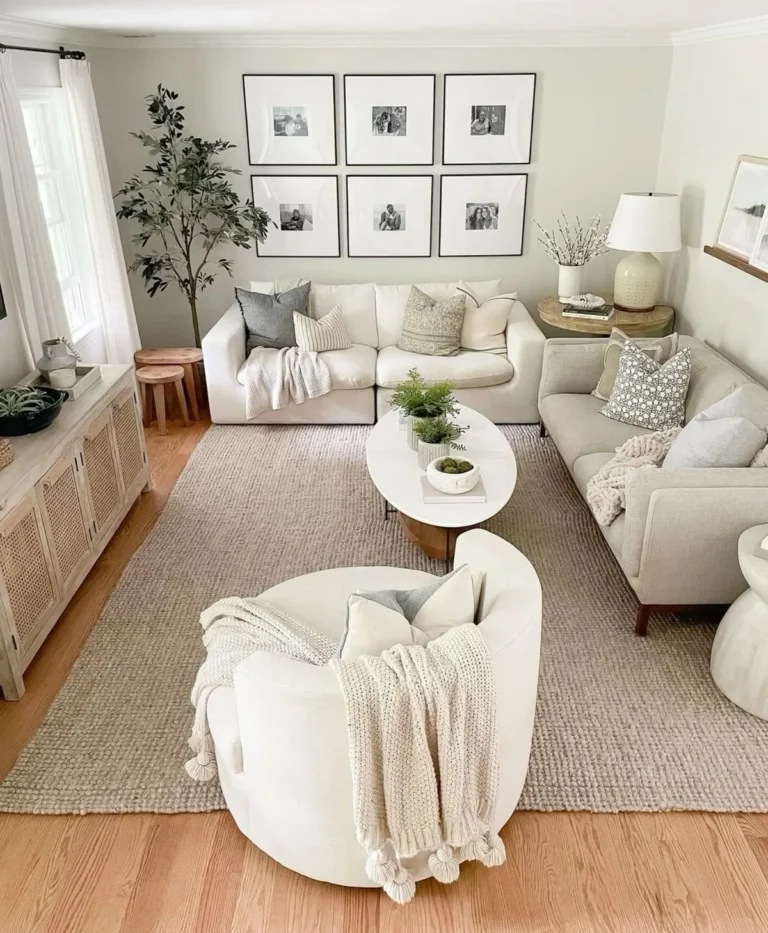
How to Organize Kitchen Decor
Learning how to organize kitchen decor starts with shifting your mindset from accumulation to curation. Many homeowners struggle with cluttered countertops that interfere with daily cooking tasks.
You can transform these spaces into functional displays by prioritizing utility and balance. As of 2026, efficient kitchen design focuses on blending aesthetic warmth with the necessary ergonomics of a modern workspace.
Quick Answer
Organize kitchen decor by grouping items into functional zones. Use trays to define specific display areas on counters. Choose odd-numbered arrangements for visual appeal.
Keep daily tools accessible in decorative crocks. Leave empty space to prevent visual clutter.
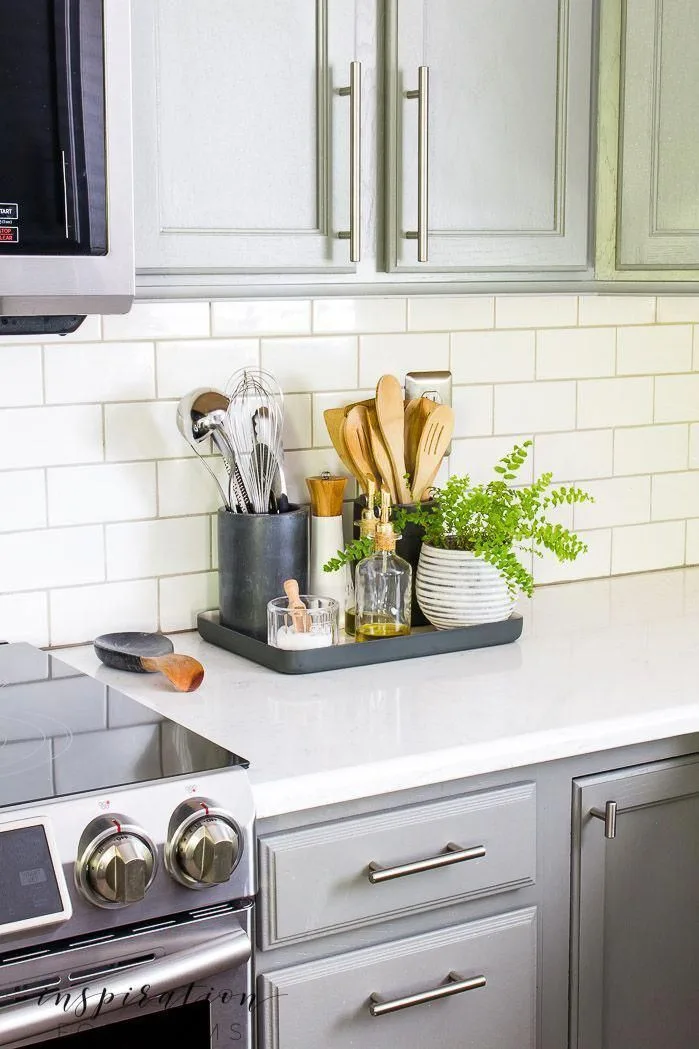
Image source: Bing (Web (fair-use with source credit))
The Psychology of Surface Styling: Why Less is Almost Always More
Kitchens are high-traffic environments where visual noise can increase stress levels during meal preparation. When every surface is covered with trinkets, the brain struggles to focus on the task at hand.
Minimalist principles suggest that clearing surfaces improves both cleanliness and productivity. By choosing only items that serve a purpose or provide genuine joy, you create a sense of order. This doesn't mean your kitchen must look like a sterile laboratory.
It means your decor should act as a backdrop rather than an obstacle.
According to research on environmental psychology and interior space, organized surroundings help reduce cognitive load while performing complex tasks. Maintaining a clear workspace allows for safer food handling and faster cleanup. You should aim to keep at least 60 percent of your counter space completely clear.
Mapping Your Kitchen Zones: Where Decor Actually Belongs
Successful kitchen styling depends on respecting the natural workflow of the room. You have three primary types of zones: active prep areas, storage focal points, and dead space.
Active prep areas should remain free of non-essential items to allow for safe knife work and mixing. Storage focal points, such as open shelving or the area near your coffee station, are prime spots for your best decor. Finally, dead space like high corners or tops of cabinets is perfect for larger, non-functional pieces.
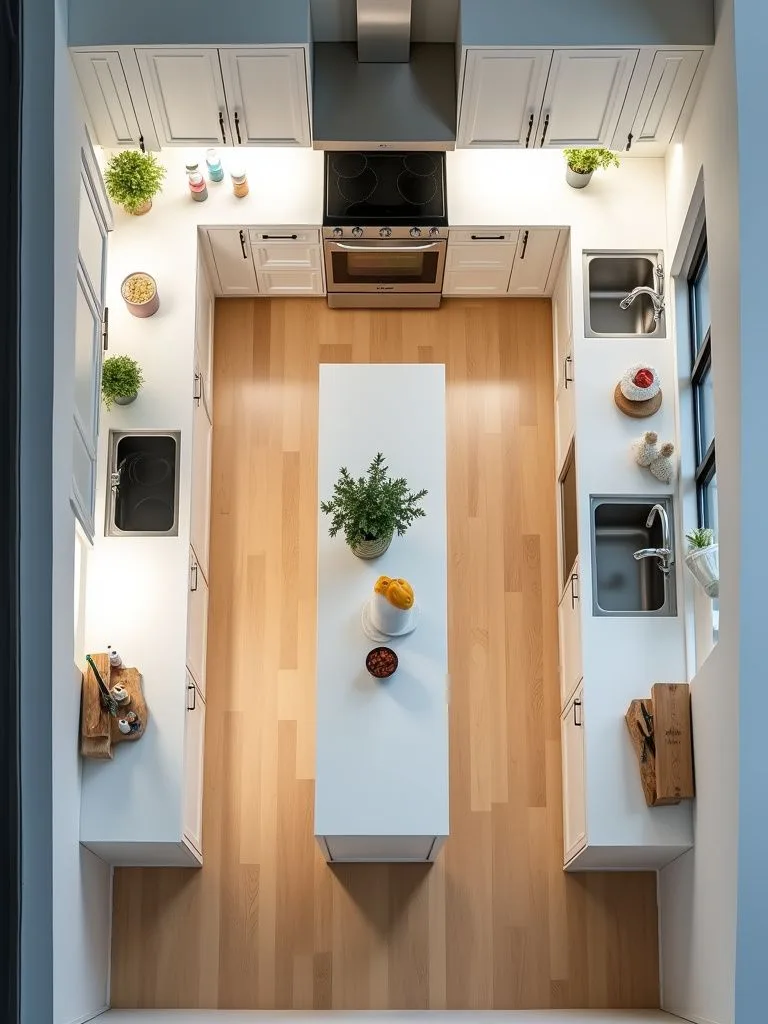
Image source: Web (Bing) / pinterest.com (Web image (fair-use with source credit))
When mapping your kitchen, consider the USDA kitchen safety guidelines for food preparation zones. Keeping these areas clean is easier when decor is restricted to the perimeter or vertical surfaces. By identifying these zones, you ensure that your design choices never compromise your ability to cook efficiently.
The Art of the "Landing Zone": Mastering Visual Balance with Trays
A landing zone is a designated area where decor is corralled, usually on a tray or a decorative board. This technique prevents individual items from looking like stray clutter.
Trays provide a visual frame that tells the eye that these items belong together. Whether it is a wooden board for oils and spices or a marble tray for hand soaps, the effect is the same. It anchors the display and makes the entire group easy to move when you need to wipe down your counters.
- Group by function: Keep coffee supplies, spice collections, or soap sets together.
- Scale the tray: Ensure the tray fits the depth of your counter without overhanging.
- Create contrast: Use a tray material that contrasts with your countertop surface, like wood against stone.
This method also helps you maintain a clean look because everything is contained. If you decide to change your decor, you only have to swap out the items on the tray rather than rearranging the whole kitchen.
Curating Your Collection: The "Clear Everything" Editing Method
If your kitchen feels overwhelming, the most effective strategy is the total reset. This requires you to remove every single item from your countertops and shelves.
Once your surfaces are clear, you can evaluate each item with fresh eyes. Place objects back into the kitchen in one of three categories: items you use daily, items used occasionally, and decorative items. If an item doesn't fit into these categories, it likely belongs in a donation bin.
| Category | Placement | Frequency of Use |
|---|---|---|
| Daily Essentials | Easily reached | Multiple times daily |
| Seasonal/Occasional | Accessible but secondary | Weekly or monthly |
| Pure Decor | High shelves or corners | Never |
This process prevents the "collection creep" that happens when we leave items out simply because we forgot they were there. Be honest about what you actually use. Your kitchen should be designed for the way you live today, not how you imagined living in the past.
Visual Composition Strategies: Heights, Textures, and Negative Space
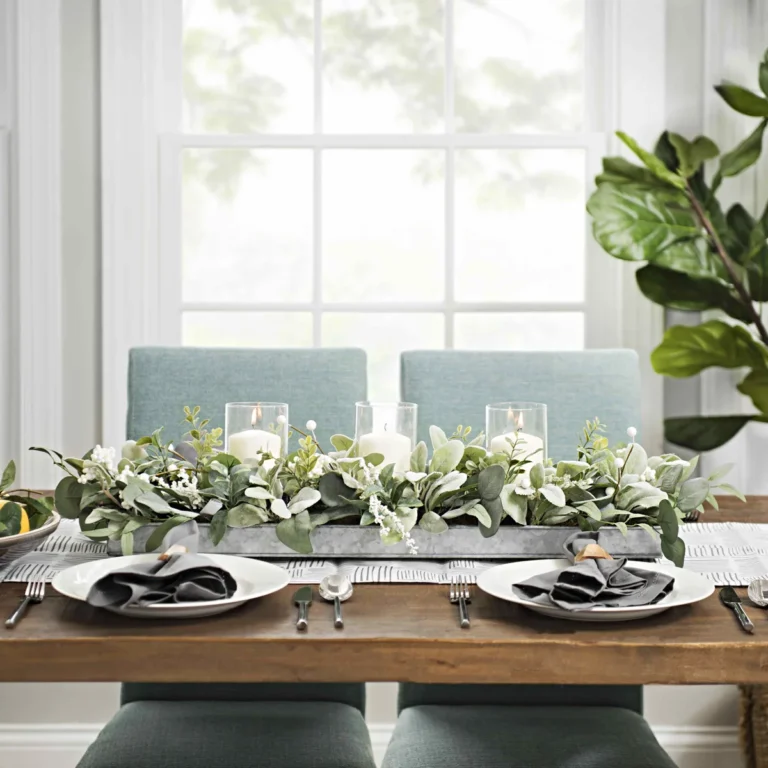
The "Rule of Three" is the industry standard for creating balanced displays. By grouping items in odd numbers, you force the eye to move across the arrangement, which feels more natural and engaging.
You must also consider height variation to keep the display from feeling flat. Always include one tall element, one medium element, and one small element in every group. Texture plays a similar role by adding depth to your kitchen without adding color, which can often feel chaotic in small spaces.
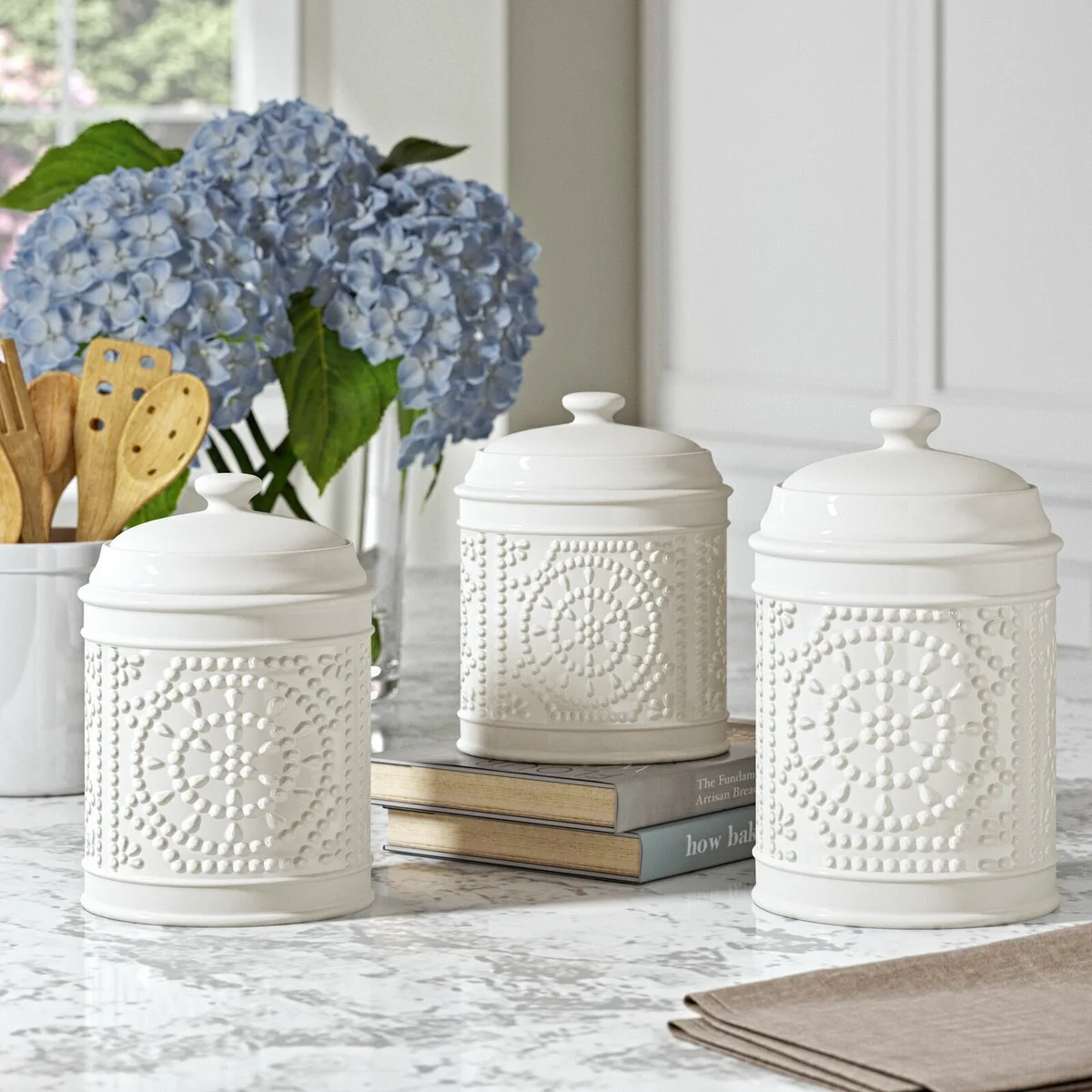
Image source: Web (Bing) / foter.com (Web image (fair-use with source credit))
Finally, prioritize negative space. Negative space is the empty area around your decor that allows the items to "breathe." Without this intentional emptiness, your kitchen will feel like a retail store shelf rather than a home. Remember that the countertop itself is part of the composition; keeping it visible is a decorative choice in its own right.
Common Styling Pitfalls: Avoiding Clutter and Work-Zone Interference
The biggest mistake you can make is styling for looks at the expense of function. Your kitchen is a workspace, not a museum. When you place heavy decor near the stove, you are creating a fire hazard.
Look for signs of "decor creep" in your daily habits. If you find yourself constantly moving items to access your cutting board or your knife block, those items are in the wrong place. These obstacles turn simple cooking tasks into frustrating hurdles.
- Avoid high-maintenance items: Anything that collects grease, like porous wood or complex sculptures, requires constant cleaning.
- Check your reach: Never place decor where it interferes with your natural reach during the food prep process.
- Watch the shadows: Ensure your decor doesn't block under-cabinet lighting. Poor lighting leads to accidents with knives or hot liquids.
If you have a small kitchen, stop looking at your counters entirely. Focus on wall-mounted shelves or magnetic strips for your knives. Moving your display items off the counter solves the problem of "clutter-on-surface" once and for all.
Expert Tips for Sustaining Your Aesthetic Long-Term
Keeping your kitchen styled is a maintenance game. You must treat your decor like any other kitchen surface. If you don't clean it, it becomes a magnet for dust and oil.
Rotate your decor seasonally to keep the space feeling fresh. This doesn't mean you need a new budget; it means moving a few pieces from your pantry or dining room into the kitchen. Rotating items allows you to deep clean the surfaces underneath each piece during the swap.
- Use microfiber cloths: These are the gold standard for dusting decorative items without damaging delicate finishes.
- Create a cleaning schedule: Include "move and wipe" in your weekly kitchen cleaning list. It takes five extra seconds but prevents a sticky build-up.
- Invest in stable bases: If you have curious pets or small children, use museum wax to secure tall items.
Consistency is better than intensity. A small, intentional display that you keep clean looks much better than an elaborate, dust-covered arrangement. If a piece of decor is too difficult to clean, it doesn't belong in the kitchen.
Frequently Asked Questions
How do I style a kitchen corner that is too small for appliances?
Use the corner as a dedicated display zone for non-electric items. A small wooden tray with a plant and a candle works well here. This corner becomes an "art installation" rather than a space wasted by an appliance that doesn't fit.
Keep the items low to ensure they don't look top-heavy in the corner.
Can I mix metals when organizing kitchen decor?
You can mix metals if you maintain a consistent color temperature. If your cabinet hardware is warm brass, stick to warm-toned metallic decor items to create harmony. Avoid clashing cool-toned steel with warm gold unless the items are clearly distinct in purpose.
Neutral items like ceramic or wood act as excellent bridges between clashing metals.
What is the best way to clean decorative items in the kitchen?
Clean decorative items with a damp microfiber cloth and a mild soap solution. Avoid harsh chemical cleaners that might strip the finish off wood, metal, or painted ceramics. Ensure the item is completely dry before placing it back on your counter to prevent water rings.
How often should I refresh my kitchen decor?
Refresh your decor every three to six months, or when you notice the space feeling stale. A simple seasonal switch, like replacing a bright vase with a darker one for winter, changes the mood. This schedule also gives you the perfect opportunity to clean areas that are usually hidden behind decor.
What if I have a rental kitchen with no space for decor?
Focus on vertical space and temporary adhesives. Use command-style hooks to hang art or sturdy baskets on unused wall space. Use your kitchen textiles, like high-quality tea towels or a patterned rug, to bring personality into the room without needing any permanent storage space.