How to Decorate a Large Empty Wall
Learning how to decorate a large empty wall is about finding the right balance between scale, negative space, and your personal style. It can feel intimidating to face a blank expanse, but treating it as a design challenge rather than a storage problem makes all the difference.
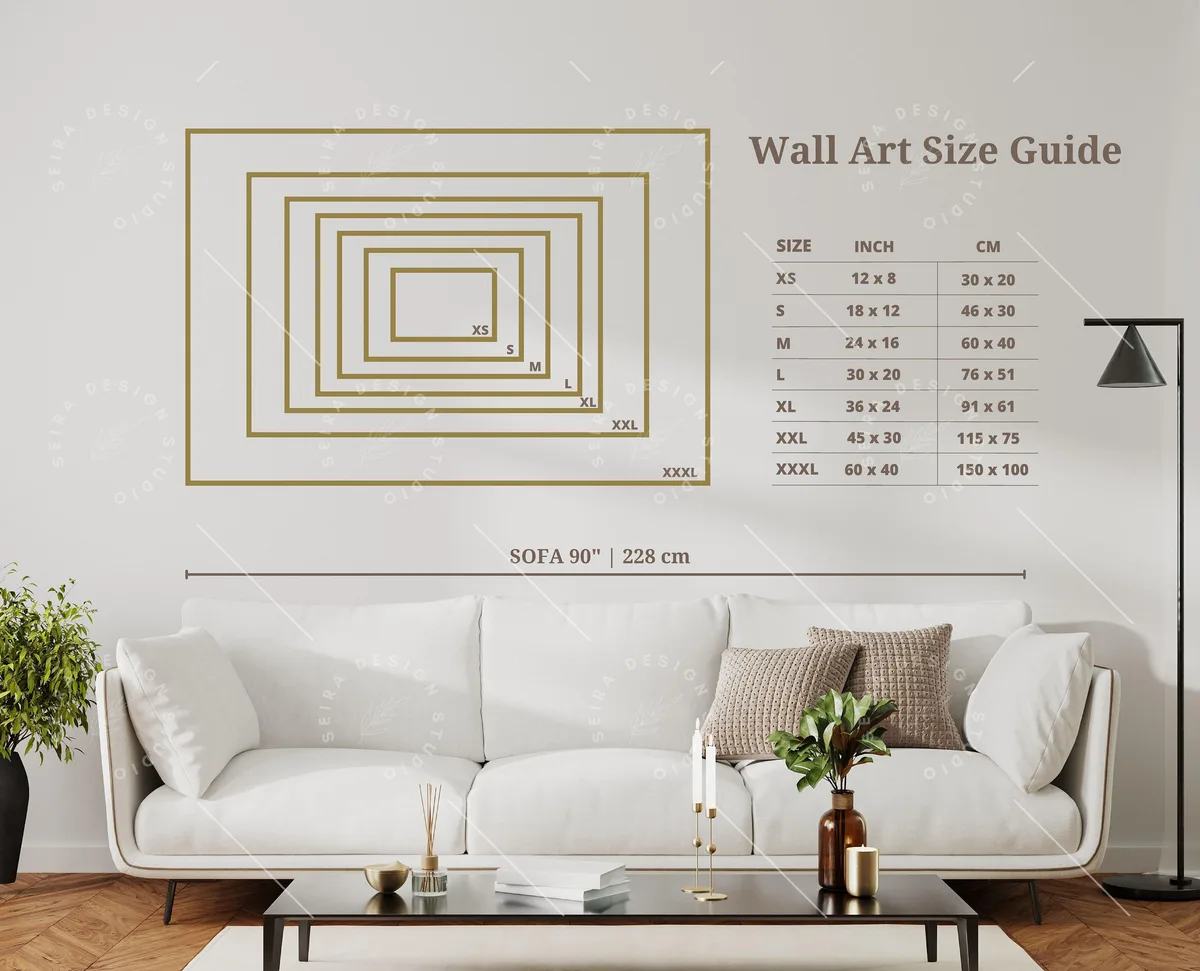
Industry guidelines suggest that a single focal point should cover about 60 to 75 percent of your wall width to prevent it from looking lost. By sticking to these proportions, you can create a room that feels curated and intentional rather than cluttered or incomplete, as of 2026.
Quick Answer
Decorate a large empty wall using scale and proportion.
Choose oversized art or grouped collections for visual weight.
Keep art centers at eye level for best balance.
Use negative space to prevent the wall from feeling cluttered.
Anchor smaller pieces around a central focal point.
The Visual Gravity of a Large Wall
Every large wall has a center of gravity that naturally pulls the eye. When you ignore this, the room feels off-balance. You want to choose elements that ground the space without fighting against the existing architecture.
Think about the visual weight of your decor. A large dark painting carries more mass than a light-colored mirror. If your furniture is light and airy, a heavy, dark gallery wall might overwhelm the room.
Aim for a mix that keeps the eye moving without causing visual fatigue.
Why Your Wall Needs Breathing Room and Balance
Negative space is the area left empty around your decor, and it is just as important as the pieces themselves. If you cram every inch of a wall with frames or shelves, you lose the ability to appreciate individual items. That blank space gives your eyes a place to rest.
Balance does not always mean perfect symmetry. You can achieve a balanced look with asymmetrical arrangements if you match the visual mass on both sides of the center point. If you have a large tall plant on one side, try placing a larger frame or a piece of wall-mounted lighting on the other side to counter it.
The Math Behind a Balanced Arrangement: Coverage and Eye Level
The most common mistake when decorating a large wall is hanging items too high or too small. Per general design standards, the center of your artwork should land between 57 and 60 inches from the floor. This aligns with standard human sightlines, ensuring the piece feels connected to the room.
When determining width, look at your furniture below the wall. Your art should generally span the width of your sofa or sideboard to create a cohesive unit. Avoid going wider than the furniture itself, as this can make the wall feel detached from the rest of the room’s layout.
Choosing Your Approach: Art, Architecture, or Function
You don't always need to hang pictures to fill a massive space. If you want a more permanent look, consider adding architectural detail like board-and-batten trim or wainscoting. These elements add texture and depth before you even place a single frame on the wall.
If you prefer something functional, floating shelves can break up a vertical expanse while giving you a place to display books or smaller decor items. Use the table below to decide which direction works best for your specific room needs.
| Approach | Best For | Main Benefit |
|---|---|---|
| Large-Scale Art | Modern/Minimalist rooms | Instant, dramatic focal point |
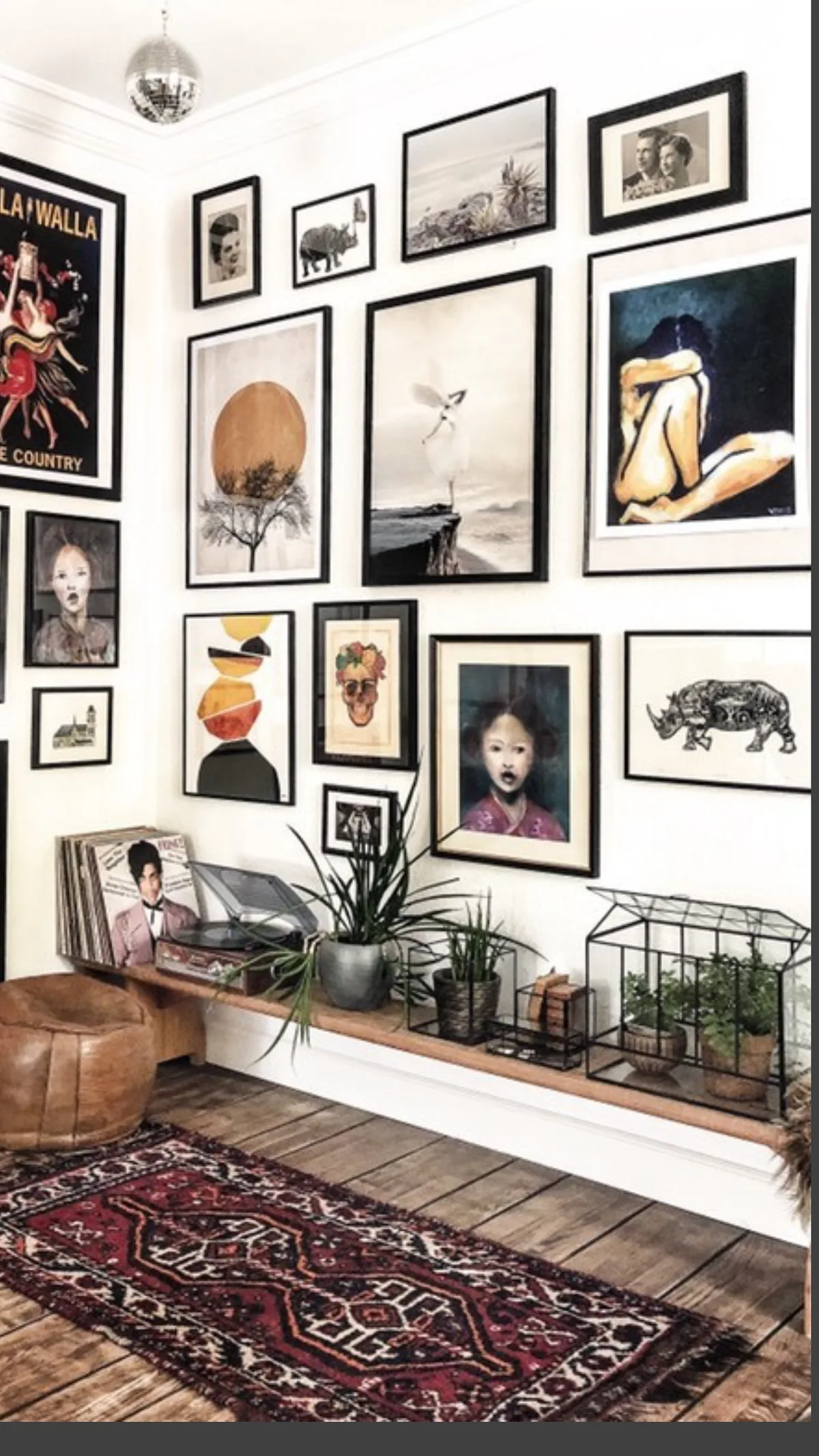
| Gallery Wall | Personal/Eclectic spaces | Showcases many items at once |
| Wall Trim | Architectural interest | Adds depth and texture |
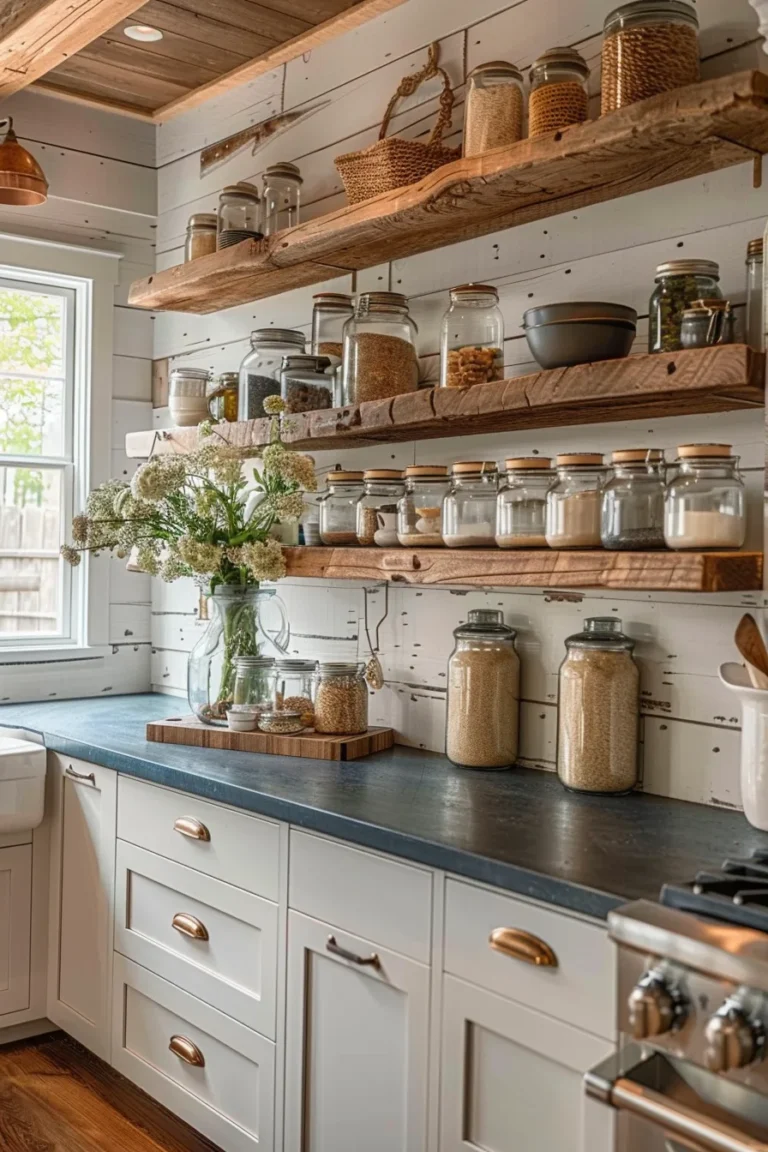
| Floating Shelves | Functional needs | Storage and decor combined |
Step-by-Step: The Dry-Fit Method for Perfect Placement
Before you pull out the hammer and nails, you need a dry run. Professional designers never skip the step of mapping things out on the floor first. This prevents unnecessary holes in your drywall and saves you the frustration of re-hanging pieces.
- Clear a space on the floor roughly the size of your wall.
- Lay out all frames or items to find the best configuration.
- Cut paper templates of your items and tape them to the actual wall.
- Step back across the room to verify the spacing and sightlines.
- Mark your hardware locations only after the layout looks correct.
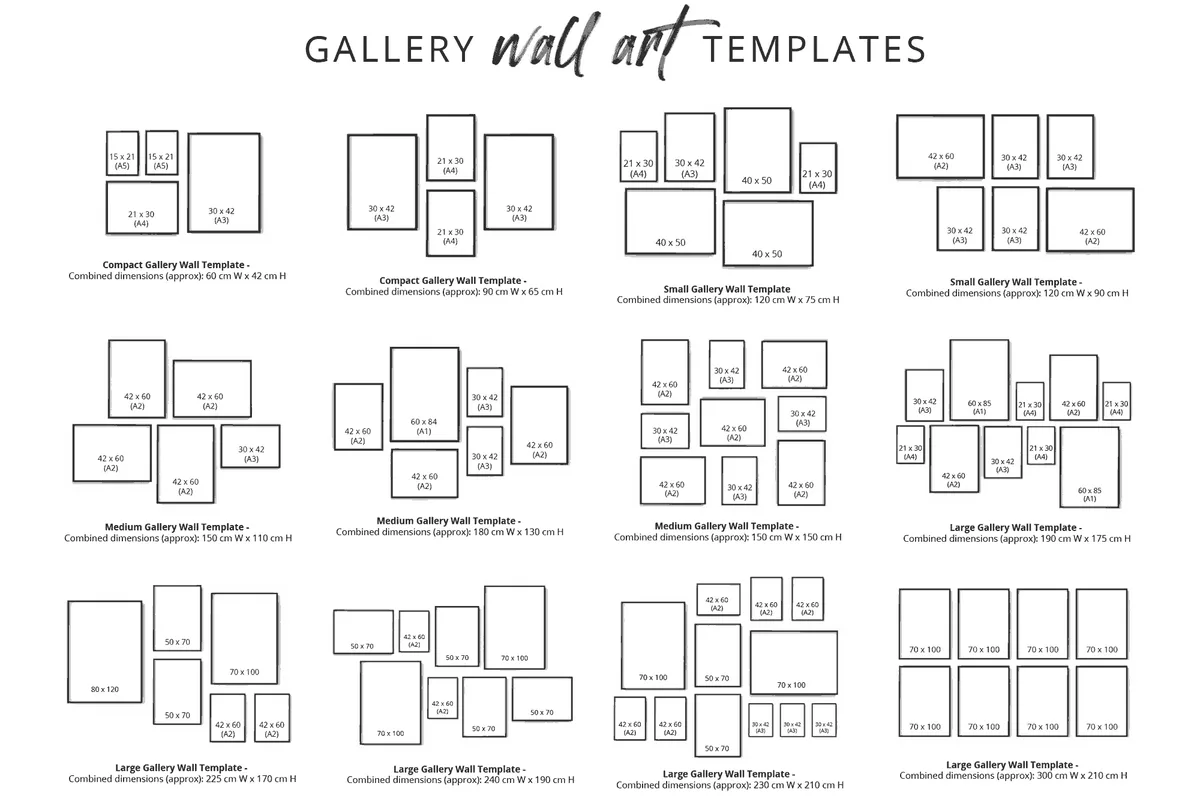
If you are working with heavier items, ensure you are utilizing a stud finder to locate wood framing for secure mounting. Relying only on drywall anchors for large or heavy pieces can result in wall damage over time. Always check the weight ratings on your hardware packaging to keep your setup safe and secure.
Avoiding the Postage Stamp Effect and Other Common Layout Fails
The postage stamp effect happens when you place a small piece of art in the middle of a massive wall. It makes the art look lonely and the room feel unfinished. Instead of one tiny piece, group several smaller items together to create a singular, larger visual unit.
Another common mistake is inconsistent spacing in a gallery wall. If your gaps vary from one inch to six inches, the entire arrangement starts to look messy rather than intentional. Keep your gaps uniform, ideally between two and three inches, for a polished and professional look.
Finally, ignore the temptation to fill every corner. Leaving some wall space blank is a deliberate design choice that prevents your room from feeling claustrophobic. If a wall feels too heavy, remove one piece and let the space breathe.
Safety First: Anchoring, Weight Limits, and Wall Integrity
Safety should always dictate your mounting choices, especially with large mirrors or oversized framed pieces. Always verify the weight capacity of your wall anchors before you begin. A standard drywall anchor may not support a heavy mirror, which can lead to material failure and potential injury.
Locate your wall studs using a professional-grade stud finder for any item exceeding ten pounds. If you cannot align your items with the studs, use heavy-duty toggle bolts designed for hollow wall installations. These provide significantly more security than standard plastic expansion plugs.
Textiles and tapestries also carry fire safety risks. Ensure any fabric hanging is kept away from heat sources like radiators, lamps, or fireplaces. Per NFPA fire safety standards, keeping wall decorations clear of heating elements is a necessary step in home maintenance.
Frequently Asked Questions About Large-Scale Decorating
Should I always use a level when hanging decor?
Yes, using a level is non-negotiable for any arrangement. Even a slight tilt becomes obvious when you have multiple frames in a grid. A bubble level ensures your lines are perfectly horizontal or vertical, maintaining the visual integrity of the entire display.
How do I hang heavy items without damaging the wall?
Use picture hanging systems that distribute weight across multiple points. If you are in a rental, look for heavy-duty adhesive strips designed for high-weight capacity. However, for anything substantial, mechanical fasteners like screws into studs remain the safest method.
Is a gallery wall out of style?
A gallery wall remains a classic choice for showcasing personality as long as the framing is cohesive. To keep it current, select frames that share a similar finish or color palette. A unified aesthetic prevents the wall from looking like a scattered collection of random items.
Can I mix different types of decor on one wall?
You absolutely can mix mirrors, art, and shelves for a layered look. The trick is to establish a shared element that ties everything together. Use a consistent frame color or a common theme in the subject matter to ensure the different objects feel like a unified set.
How do I fix holes if I change my mind?
Repairing drywall holes is a simple process using lightweight spackling compound and a putty knife. Apply a small amount, let it dry, and sand it flush with the wall surface. A quick dab of touch-up paint makes the area disappear, leaving your wall ready for a new layout.