How to Decorate Walls Without Damaging Them
You can learn how to decorate walls without damaging them by choosing the right mounting hardware and preparing your surfaces properly. Many renters rely on these methods to avoid losing security deposits when they move out.
Using high-quality adhesive strips or tension rods makes this process easy for everyone. Following the right installation techniques ensures your decor stays secure while protecting the wall underneath. As of 2026, many manufacturers provide detailed load-bearing specs to help you choose the correct fastener for your project.
Quick Answer
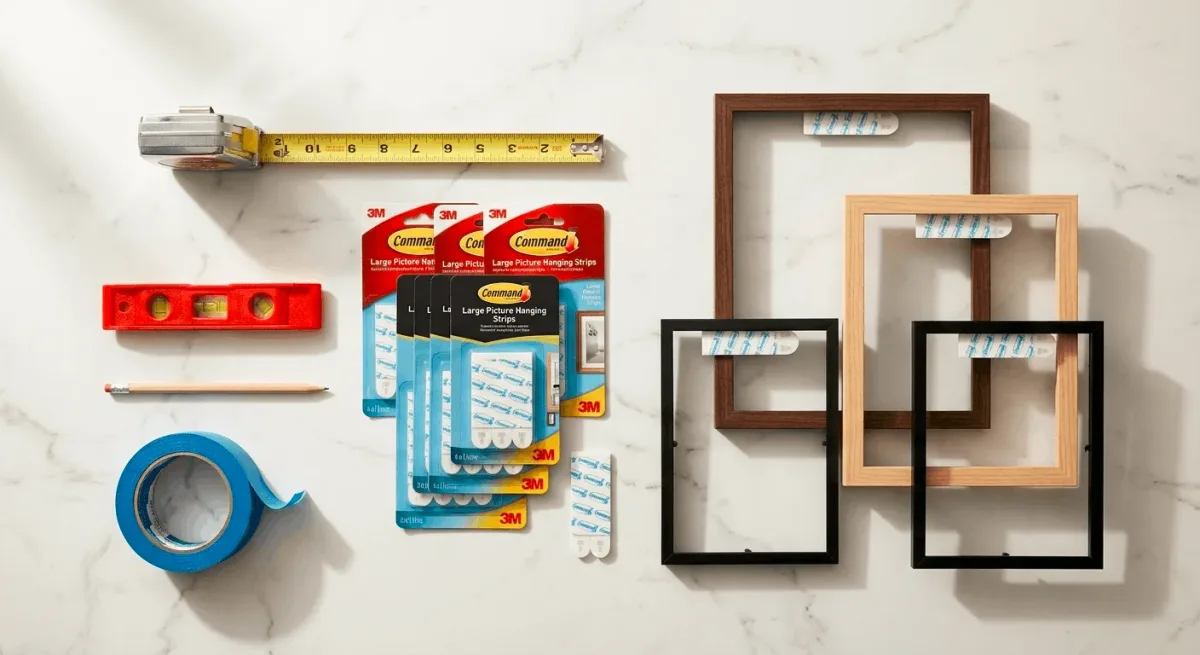
Learn how to decorate walls without damaging them using adhesive strips. Choose tools rated for your specific wall material and frame weight. Clean the wall surface with alcohol before applying any adhesive.
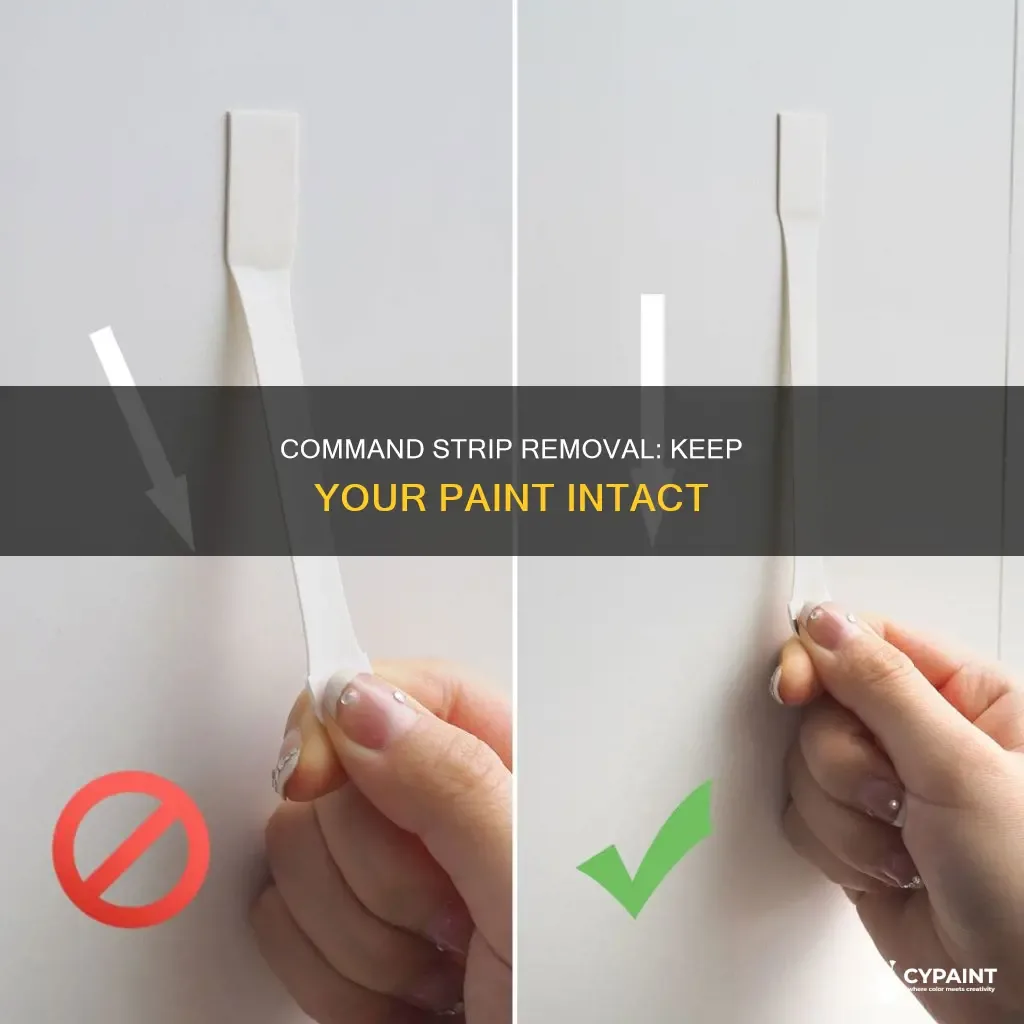
Always pull release tabs parallel to the wall during removal. These steps keep paint and drywall safe from peeling or tearing.
Why Your Walls Deserve a Damage-Free Makeover
Empty walls can make any new space feel cold and disconnected. You want your home to reflect your personality, but large nail holes often cause stress during the moving-out process. Damage-free decorating allows you to curate a gallery wall or display large art pieces without needing a spackle kit later.
Protecting your wall integrity is about more than just your security deposit. Frequent patching and repainting can degrade the surface of drywall, making it prone to crumbling over time. By choosing non-invasive mounting solutions, you maintain a smooth, clean aesthetic that stays fresh for years.
Understanding Your Wall Surface Before You Start
Success in damage-free decorating depends entirely on the material you are sticking things to. Most standard residential walls are made of drywall finished with latex paint. If your walls have a heavy texture, like orange peel or popcorn, adhesives will struggle to create a full vacuum seal.
Smooth, semi-gloss paint creates a perfect bonding surface for adhesive strips. Flat or matte paints, however, can be brittle and prone to pulling away from the drywall when an adhesive is removed. Always test a small area first if you are unsure about the quality of your current paint job.
| Surface Type | Adhesive Performance | Best Practice |
|---|---|---|
| Smooth Latex | Excellent | Clean with alcohol first |
| Textured/Stucco | Low | Use tension rods or ledges |
| Wallpaper | Very Low | Avoid all adhesive contact |
| Fresh Paint | Risky | Wait at least 30 days |
Comparing Non-Permanent Mounting Methods
Not every decor piece requires the same level of support. You should weigh the pros and cons of each method before picking your tools. Adhesive strips are the gold standard for framed art, while tension rods offer a way to hang curtains or tapestries without making a single mark.
Adhesive hooks are best for items that need to hang rather than sit flush against the wall. If you have a collection of photos or postcards, washi tape provides a creative, low-tack option that adds color without the risk of tearing paper or paint.
- Adhesive Strips: Best for frames and canvas.
- Adhesive Hooks: Ideal for lightweight decor and wreaths.
- Tension Rods: Perfect for recessed windows or hallways.
- Washi Tape: Great for lightweight paper items or photos.
Step-by-Step Guide to Safe Installation and Removal
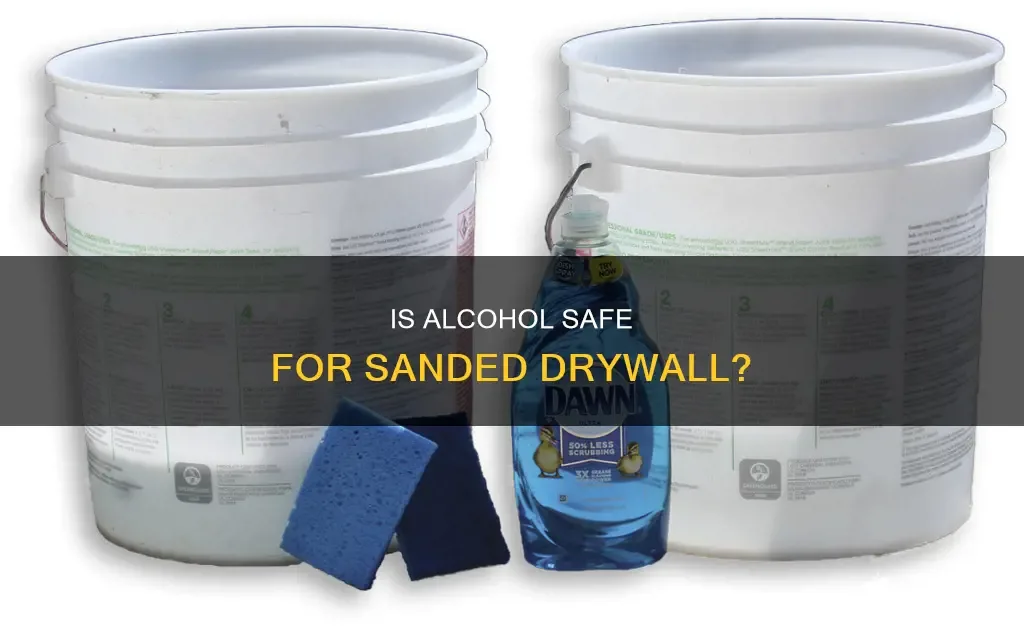
Preparation is the secret to a successful installation that leaves no trace behind. You should start by wiping the target area with a clean cloth and isopropyl alcohol to remove dust and invisible grease. According to guidance from the National Institute of Standards and Technology, surface cleanliness is the most significant factor in bond strength.
Once the area is clean, press your strips firmly against the wall for at least thirty seconds. Wait one hour before hanging any decor to allow the adhesive to fully set. When it is time to remove your items, pull the release tab slowly and straight down, keeping it flush against the wall surface to prevent paint lifting.
Pro-Level Tactics for Avoiding Surface Damage
Even with the best tools, you need a strategy to ensure a clean exit. Never pull an adhesive strip away from the wall at an angle, as this increases the leverage on the paint layer. If you feel resistance, apply a small amount of heat using a hairdryer to soften the adhesive before pulling again.
Consider the weight of your items carefully before mounting them. Most manufacturers suggest using two strips for items nearing the weight limit to distribute pressure evenly across the wall. If you find your decor shifting, the bond may be compromised by humidity or a dirty surface, so don't hesitate to replace the strip with a fresh one.
Essential Maintenance for Long-Term Decor
You should inspect your mounted decor periodically to ensure the adhesive bond remains strong. Changes in ambient humidity or temperature can cause adhesives to lose their grip over time. If you notice a frame beginning to tilt or pull away from the wall, remove it immediately to prevent potential damage.
Re-applying a fresh adhesive strip is much easier than repairing torn drywall. Always keep a few extra strips in a drawer so you can perform quick maintenance without a trip to the store. Consistency with the manufacturer's weight ratings is the best way to prevent accidental falls.
Dust buildup behind hanging frames can also affect the adhesive over several months. Gently clear away debris with a microfiber cloth if you notice dust collecting on the top edge of your art. This simple habit keeps your wall area clean and protects the integrity of your mounting system.
Frequently Asked Questions
Can I use these methods on bathroom walls?
You can use adhesive strips in bathrooms, but only if the surface is fully dry and free from soap residue. High humidity often breaks down adhesive polymers faster than in dry rooms. Use a dedicated moisture-resistant adhesive if you plan to hang art in a bathroom or a high-humidity area.
What should I do if paint peels off during removal?
Stop pulling immediately if you see paint lifting away from the drywall. Use a heat source like a standard hairdryer to warm the adhesive strip, which softens the bond and makes it easier to remove safely. Once the strip is off, you can patch the area with a tiny bit of spackle and matching touch-up paint.
Are adhesive hooks safe for heavy mirrors?
Adhesive hooks are generally not designed for heavy, fragile items like large glass mirrors. Mirrors often have uneven weight distribution that can cause hooks to slip or fail suddenly. Always use traditional hardware with wall anchors for heavy or breakable decor to ensure safety and prevent accidents.
How do I remove leftover sticky residue?
You can remove stubborn adhesive residue by rubbing the area gently with a soft cloth and a small amount of isopropyl alcohol. Do not use harsh chemical solvents or abrasive scrubbers, as these will likely strip the paint finish. Always test your cleaning solution on an inconspicuous spot before applying it to the entire area.
Can I reuse adhesive strips after taking them down?
You should never reuse an adhesive strip after it has been removed from the wall. The bonding agent is designed for a single-use application and will lose its integrity once peeled. Always replace used strips with brand new ones to ensure your decor remains securely attached to the surface.