What Is Minimalist Home Decor
Minimalist home decor is a design philosophy that prioritizes intentionality, clean lines, and the removal of excess to create a calm living environment. It focuses on the quality of your space rather than the volume of your belongings, helping you define what truly adds value to your life.
As of 2026, research into environmental psychology suggests that reducing visual clutter can help lower cortisol levels in the home. By curating your surroundings, you transform a room from a storage area into a purposeful retreat. Let’s look at how you can apply these principles to your own living space.
Quick Answer
Minimalist home decor reduces visual noise through simple design. It emphasizes open space and high-quality furniture pieces. You keep only items with clear function or meaning.
This style favors neutral palettes and natural light. It removes unnecessary clutter for a calm feel.
The Visual Noise Trap: Why Your Space Does Not Feel Relaxing
Visual noise occurs when your brain tries to process too many objects, patterns, and colors in one room at the same time. Even if your home is physically clean, an abundance of decorative items creates subconscious stress. You might feel like your room is busy without knowing exactly why.
Minimalism addresses this by establishing a clear hierarchy for your decor. You decide which items are the focal points and which items should fade into the background. When you limit the number of items on your surfaces, your eyes have a place to rest.
This intentional pause is exactly what creates that sense of relaxation.
If you are struggling to find this balance, look at your flat surfaces. A nightstand covered in three types of cords, four books, and a stack of mail is a primary source of visual noise. By clearing these surfaces, you change the way the room functions.
You are moving from a state of managing stuff to living in a managed space.
The Three Pillars: Understanding Space, Texture, and Intent
Minimalist design relies on three core pillars that work together to create a cohesive look. First, negative space is your greatest asset. Do not feel pressured to fill empty corners or walls just because they exist.
Letting a wall breathe is a deliberate design choice that prevents a room from feeling crowded.
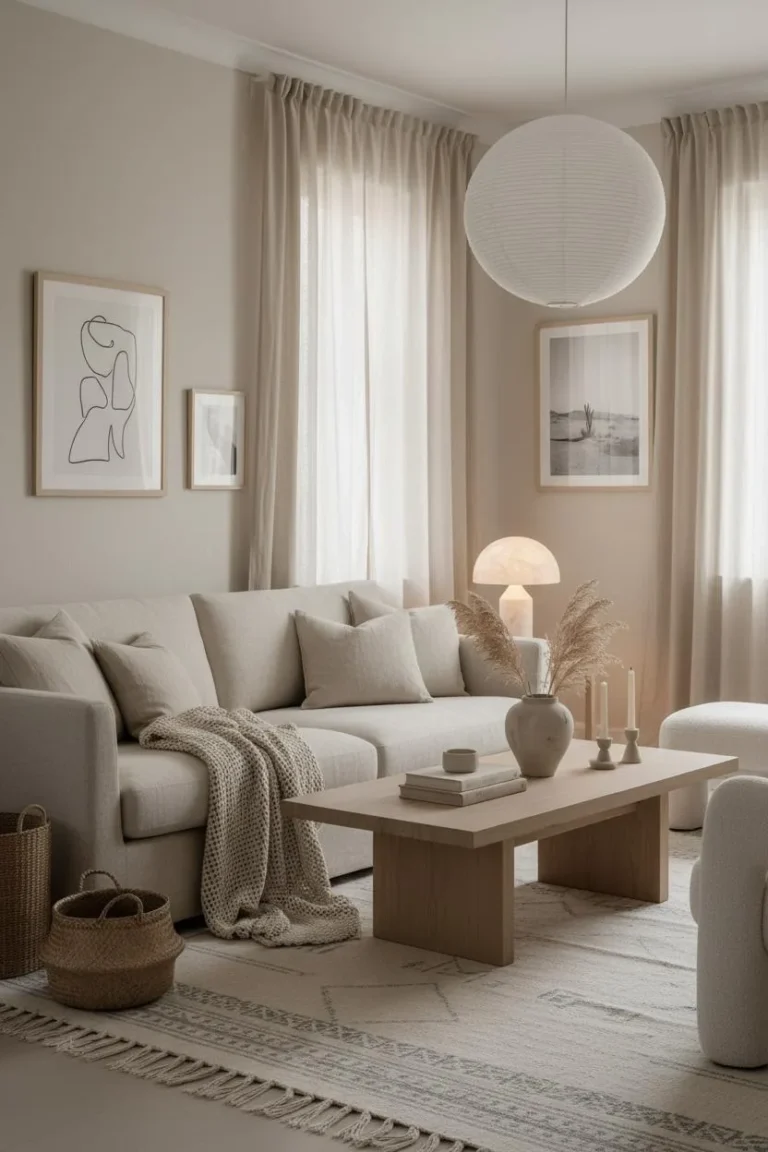
Second, texture provides the depth that a simple color palette might otherwise lack. Since you aren't relying on patterns or bright colors to add interest, you must use materials that feel good. Think about the contrast between a smooth wooden floor, a soft linen throw, and a textured wool rug.
These layers prevent the space from feeling sterile.
Third, intent governs every object you bring inside. Before adding anything to a room, ask if it serves a clear purpose. If it doesn't provide utility, it should ideally offer genuine joy or beauty.
Per the National Institute of Standards and Technology, simple, well-structured systems often perform better and require less maintenance, and the same principle applies to your interior design choices.
Identifying Your Minimalist Style: Scandi, Japandi, and Modern
Minimalism is not a monolith; it manifests in several distinct styles depending on your personal preferences. Scandinavian minimalism focuses on hygge, which is the concept of comfort and coziness. It uses light woods, white walls, and warm textiles to ensure the space feels inviting during long, dark winters.
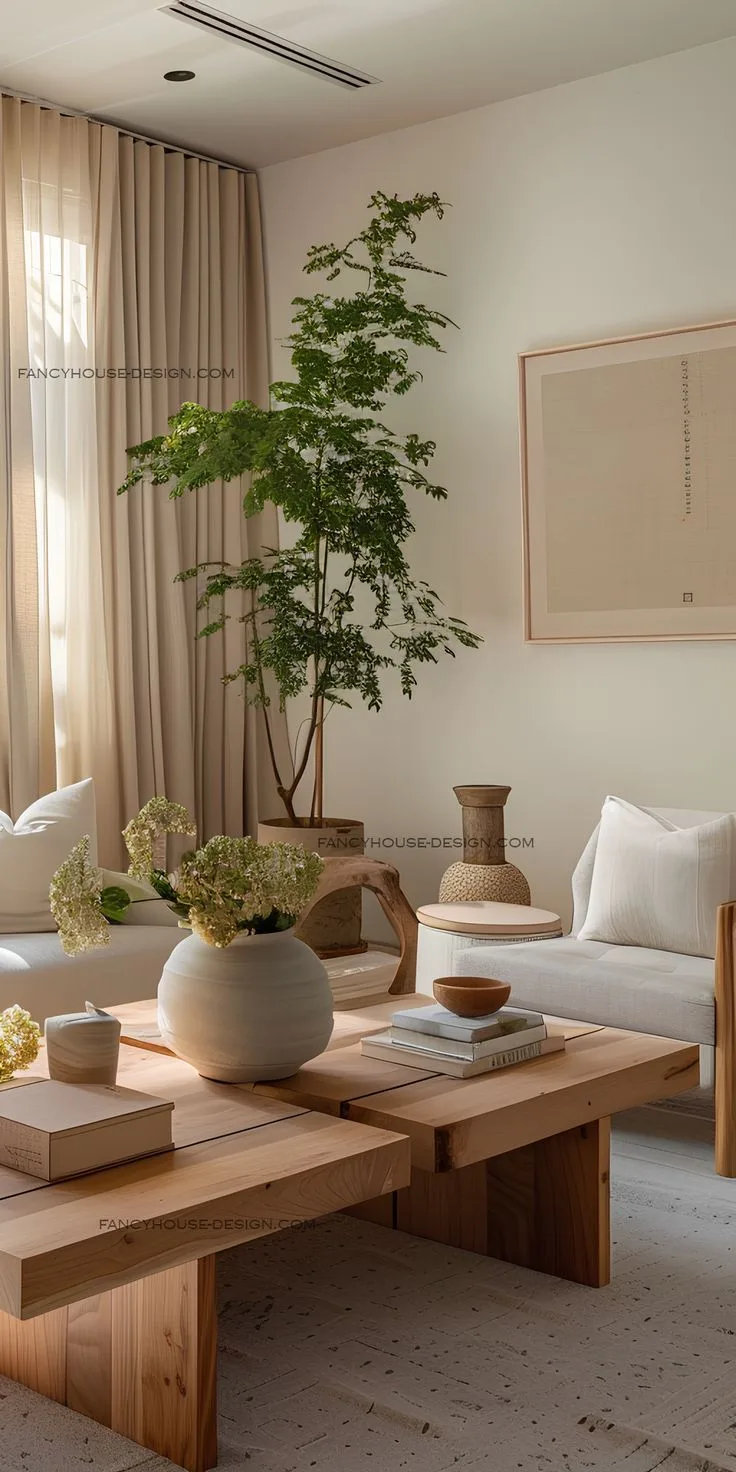
Japandi is a popular hybrid that blends Japanese rustic minimalism with Scandinavian functionality. It favors low-profile furniture, natural materials like bamboo or paper, and a more muted, earthy color palette. It feels grounded and incredibly peaceful.
Modern minimalism, often associated with industrial design, uses more glass, metal, and polished concrete. It is sharper and more structured. Regardless of the sub-style, the goal remains the same: eliminating the excess to highlight the architecture of the building or the craftsmanship of your furniture.
| Style | Key Material | Primary Vibe |
|---|---|---|
| Scandi | Light wood | Cozy & bright |
| Japandi | Bamboo/Linen | Earthy & calm |
| Modern | Steel/Glass | Sharp & sleek |
How to Curate Your Home Without Losing Its Soul
Curation is the process of selecting only the items that enhance your life. It is the opposite of mindless consumption. You aren't just throwing things away to be minimalist.
You are making room for items that have a story or a specific function.
Start by auditing your most-used rooms. If a piece of decor has been sitting in a cabinet for two years without being used or displayed, it is likely clutter rather than a treasure. By removing these dead-weight items, you allow your favorite pieces to stand out.
A single, well-placed piece of art has more impact than ten tiny items scattered on a wall.
This approach requires you to be honest about what you actually love. It is fine to keep a collection of travel mementos if they truly make you happy. The key is to display them thoughtfully rather than letting them pile up in a way that creates visual chaos.
Strategic Editing: The Workflow for Achieving Visual Balance
Editing is a continuous workflow rather than a one-time cleaning event. You should view your home as a living space that needs regular tune-ups. Start by clearing every surface in a chosen room.
Do not try to clean the whole house at once.
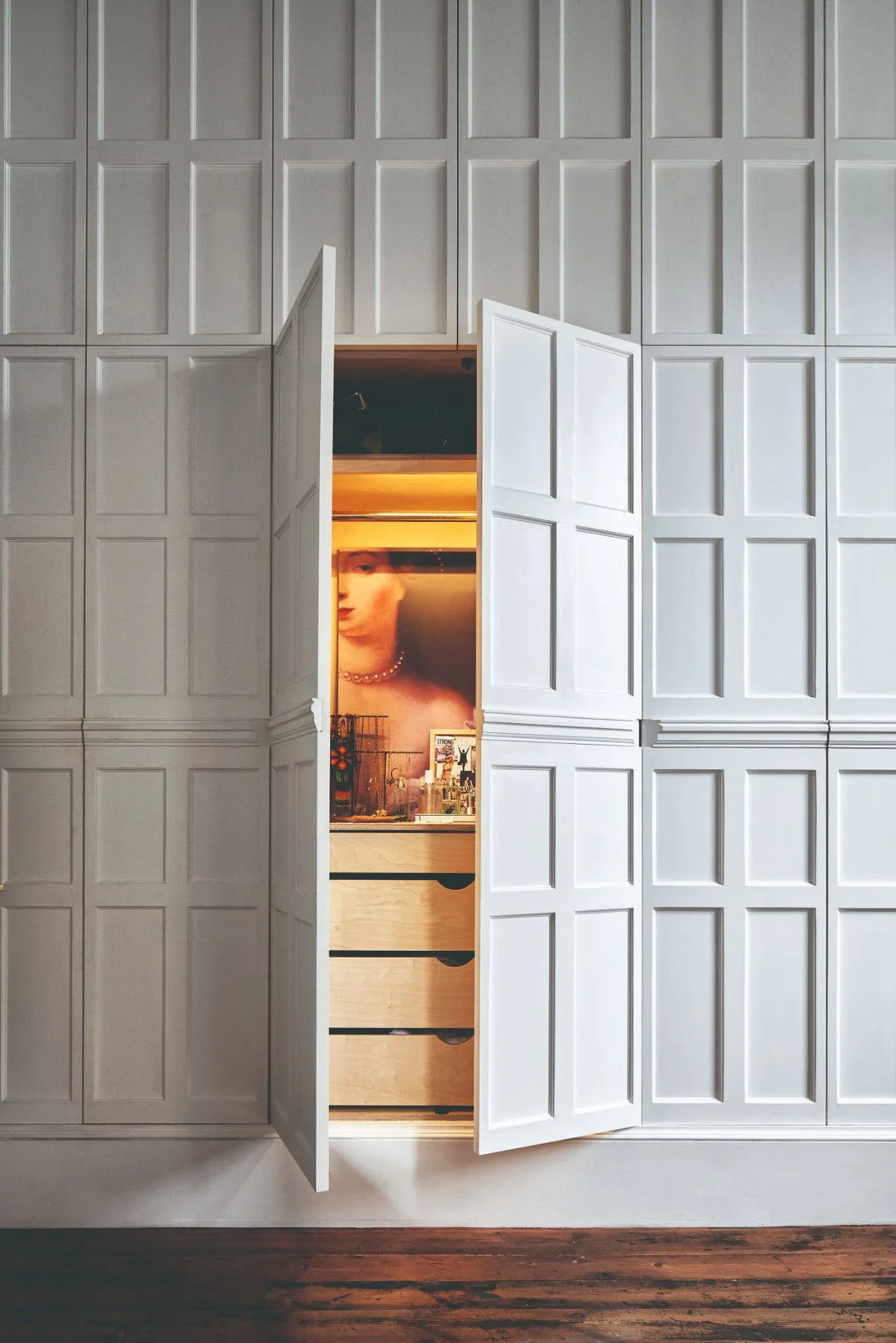
Group your belongings by function. If you have five items that serve the same purpose, such as decorative bowls, pick the one you use most and donate the rest. If you need to keep extra items, use closed storage systems.
These keep your belongings out of sight, which is the fastest way to get that minimalist look.
Adopt the one-in, one-out rule to maintain your progress. If you buy a new vase, one old vase must leave the space. This simple, strict boundary prevents clutter from creeping back into your home.
It forces you to consider every new purchase carefully. When you make these decisions, your home stays balanced without you needing to do a massive overhaul every few months.
Common Pitfalls: Where Minimalism Goes Wrong
Minimalism often fails when the focus shifts from quality of life to a rigid aesthetic checklist. You might fall into the trap of buying minimalist-style mass-produced furniture that lacks durability. This approach creates a fragile environment where you feel afraid to use your own furniture.
Avoid prioritizing the look over the actual comfort and function of your home.
Another common error is creating an empty room that feels cold and uninviting. If you remove all personal artifacts, your home can lose its character. Minimalism is meant to be a backdrop for your life, not a sterile showroom.
Ensure you keep items that have personal significance to you, even if they aren't strictly functional.
Finally, do not underestimate the importance of lighting and warmth. A room with bright white lights and no soft surfaces will always feel like a hospital. You need to layer your light sources and textures to keep the space feeling human.
If you find your room feels lifeless, add a warm-toned lamp or a plush rug to ground the space.
Frequently Asked Questions About Minimalist Decor
Is minimalist decor expensive to achieve?
It can be as affordable as you choose to make it. Since you are removing items, you may actually save money by choosing not to buy new decor. If you do purchase new furniture, you are spending on fewer, higher-quality pieces that last longer.
This shifts your budget from buying many cheap items to investing in a few well-made essentials.
How do I handle sentimental items in a minimalist home?
You don't have to get rid of everything that has meaning. The goal is to avoid letting sentimental clutter overwhelm your living space. Consider rotating your displays so you can enjoy different items at different times.
If you have too many, try photographing them for a digital album and keeping only the most important pieces in storage.
Does minimalism mean I have to get rid of my books or hobbies?
Not at all, provided those items bring you joy or provide utility. The key is to organize your hobby supplies and books so they aren't creating visual noise. Use closed shelves or dedicated bins to keep them tidy.
Minimalism is about removing things you don't use, not stripping away the things that define who you are.
Can I have a minimalist home with kids or pets?
Yes, but you will need to adjust your expectations and storage methods. Focus on hidden storage solutions like lidded ottomans or deep baskets for quick cleanup. A minimalist home with children is often easier to keep clean because there are fewer loose parts to manage.
Prioritize durable materials that can handle daily wear while keeping surfaces clear.
How do I start if I live with a partner who is not a minimalist?
Start with your own personal spaces first, like your closet or your nightstand. Do not force your style onto common areas without clear communication and compromise. Show your partner how a clutter-free space improves daily function, such as finding keys faster.
When they see the benefits, they may become more open to applying those principles to shared areas.