How to Make a Home Look Modern
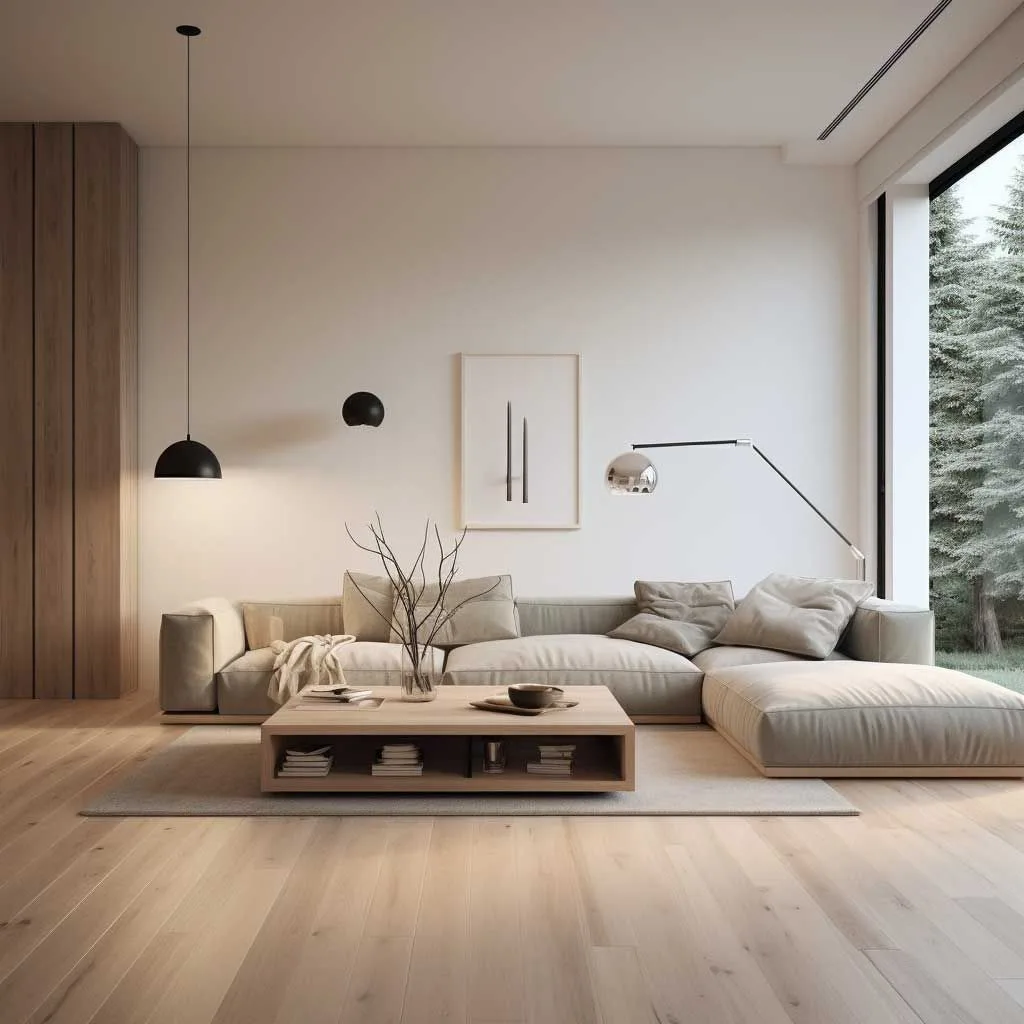
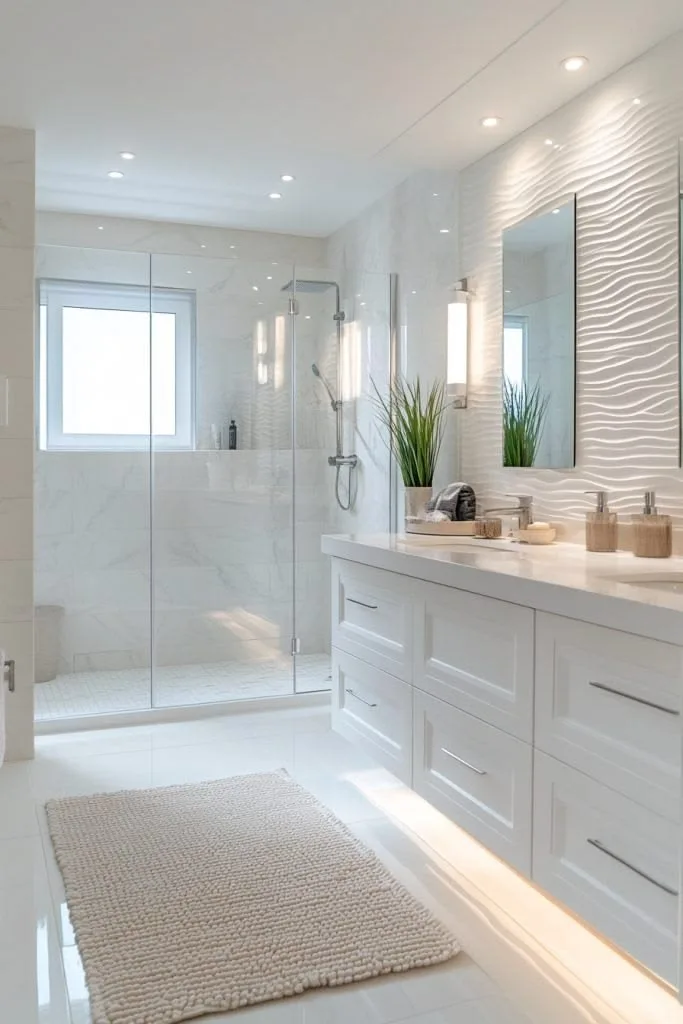
Learning how to make a home look modern is less about following fleeting trends and more about refining your space for clarity. It focuses on removing visual clutter while emphasizing clean lines and purposeful, high-quality materials.
True modern design achieves a sense of balance through the careful selection of color, light, and texture. Per industry standards from the American Society of Interior Designers, functional space planning remains the primary benchmark for achieving this aesthetic as of 2026.
Quick Answer
Making a home look modern requires removing unnecessary visual clutter. Use a neutral color palette to create a consistent flow. Prioritize furniture with clean lines and simple geometric shapes.
Ensure every room has at least three distinct light sources. Emphasize textures over complex patterns to maintain depth.
The Philosophy of Modern Design: Understanding Visual Balance
Modern design is centered on the principle that form should follow function. You aren't just decorating a room; you are curating it for efficiency and calm. This means every object in your living area should earn its place either through utility or genuine beauty.
Visual balance is achieved when no single element overpowers the room. You want the eye to travel across the space without hitting obstacles or feeling trapped by heavy, ornate furniture. Achieving this requires a critical eye and the willingness to edit your belongings until the space feels breathable.
The Role of Negative Space in Creating Spaciousness
Negative space is the empty area around and between the subjects of a room. Many people fear empty walls or bare corners because they feel unfinished. In modern design, these empty zones are essential tools for grounding the room.
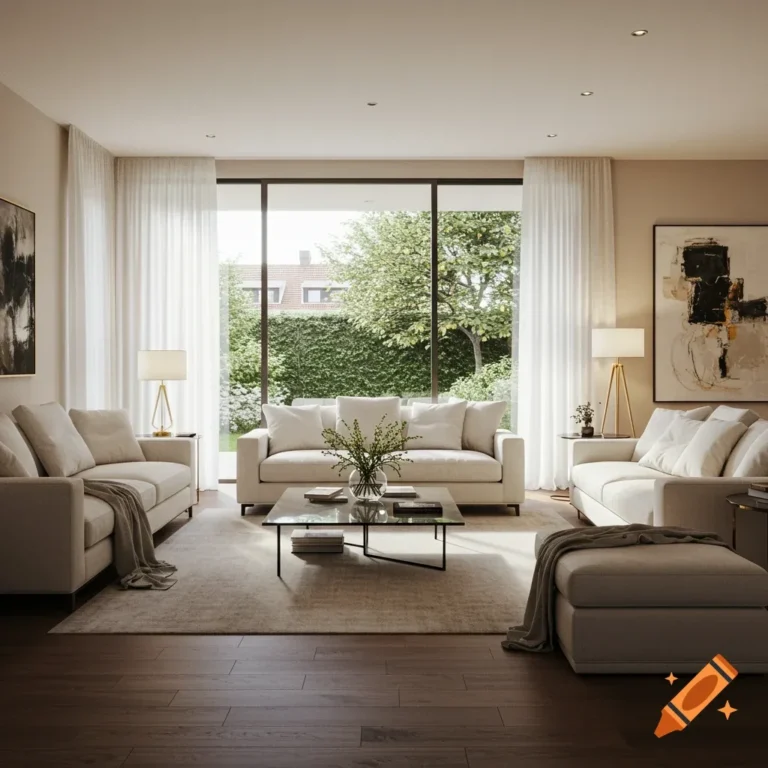
To use negative space effectively, avoid pushing all your furniture against the walls. Pull your sofa away from the wall to create a floating arrangement that defines the living area. Clearing your countertops and shelves also allows the architecture of the room to become the main feature.
Updating Your Palette: Neutral Tones and Textural Contrast
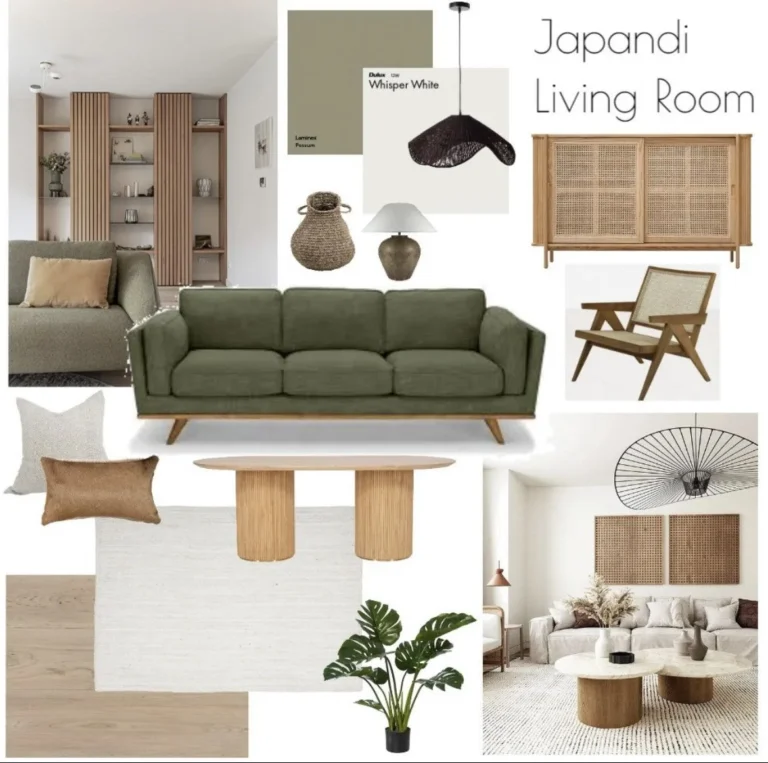
A modern home relies on a neutral color palette to provide a clean, unified background. Think shades of soft white, warm gray, or muted earth tones. These colors act as a canvas, allowing your textures and silhouettes to stand out.
| Element | Traditional Approach | Modern Approach |
|---|---|---|
| Walls | Vibrant, saturated hues | Matte neutral finishes |
| Fabrics | Busy, floral prints | Textured solids like linen |
| Floors | Ornate, intricate rugs | Minimalist, low-pile weaves |
You can add depth by mixing materials within the same color family. Pair a smooth leather chair with a soft wool throw, or place a honed stone table on a jute rug. This interplay of materials adds visual interest without needing bright colors or busy patterns.
Lighting Strategies: Moving Beyond Builder-Grade Fixtures
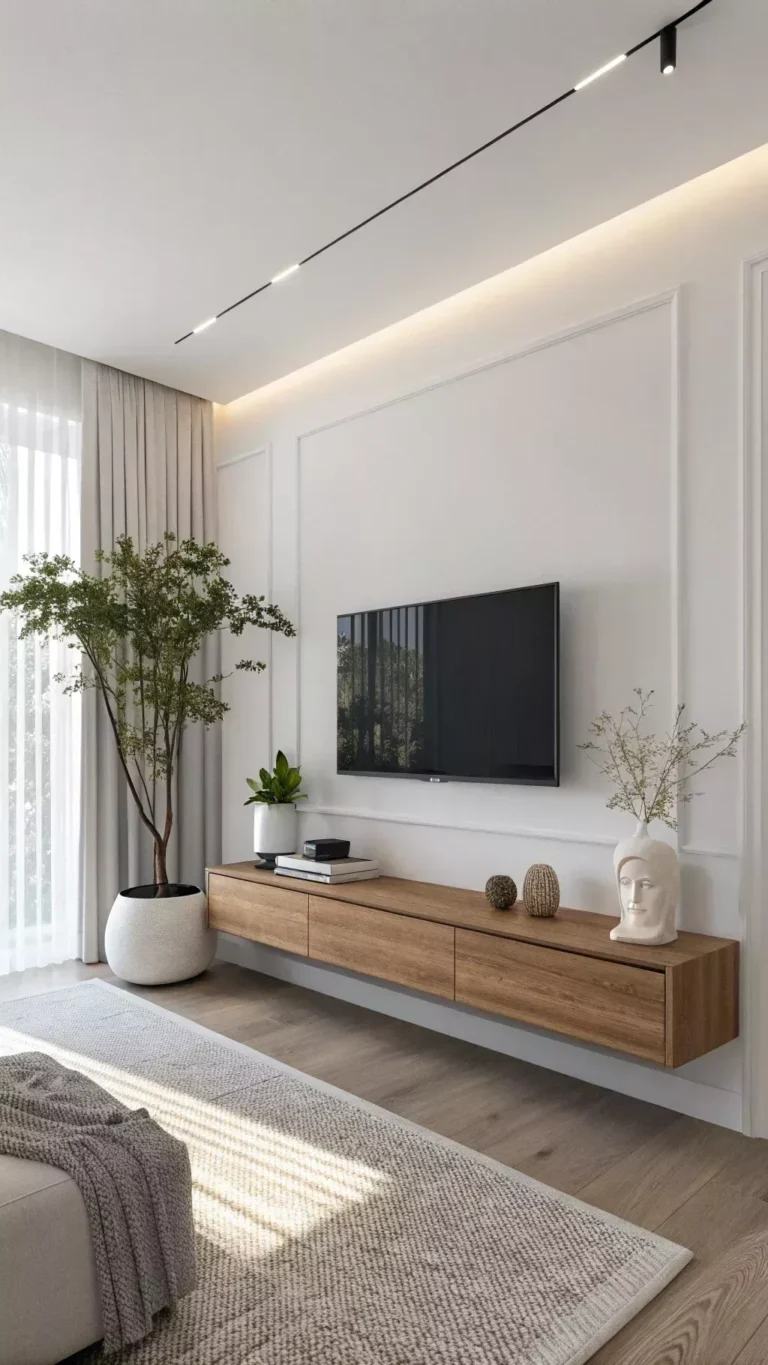
Lighting is the most impactful way to shift a room from dated to modern. Most homes feature a single, central light source that creates flat, uninteresting shadows. Modern design requires layering your lighting to highlight the geometry of your furniture and walls.
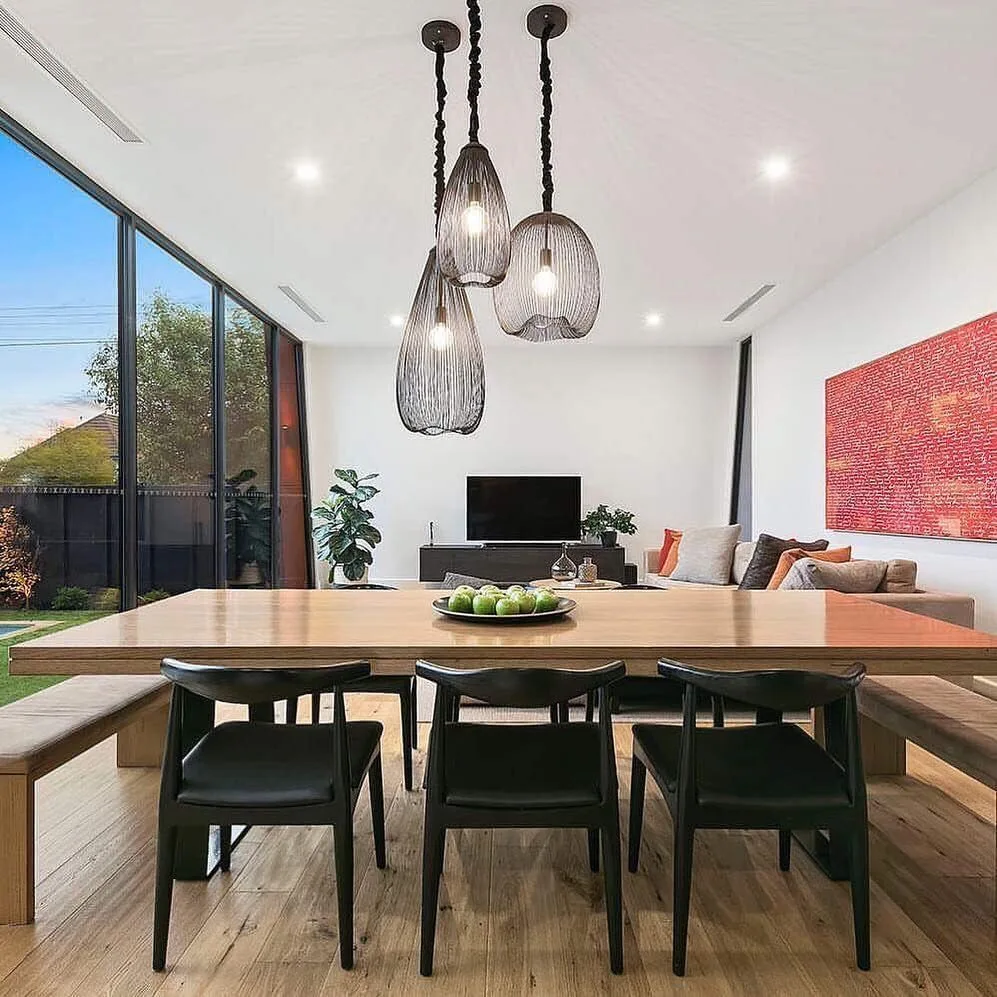
Image source: Web (Bing) / storage.googleapis.com (Web image (fair-use with source credit))
Install dimmers on your main lights to control the mood throughout the day. Add floor lamps for task lighting in reading corners and accent lamps to draw attention to architectural features. Keep your bulb color temperature consistent, typically between 2700K and 3000K, for a warm and cohesive feel.
Modernizing Your Furniture: Selecting Silhouettes and Scale
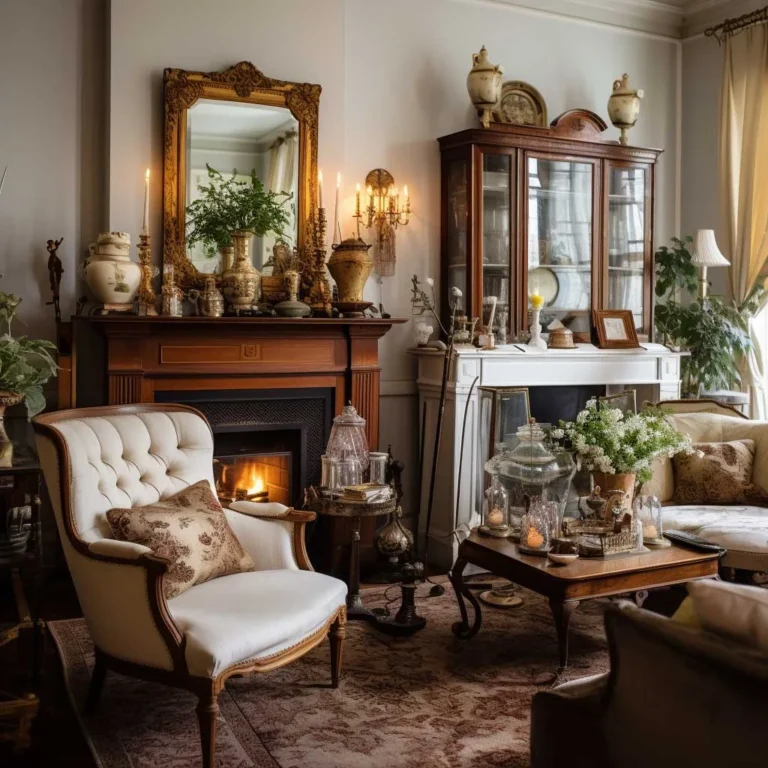
Modern furniture is defined by its clean, uncluttered silhouettes. Avoid pieces with excessive carvings, ornate legs, or bulky frames. Instead, choose items that feature straight lines or soft, organic curves that feel intentional and balanced.
When choosing new pieces, always consider the scale of your room. A massive, overstuffed sofa can make a small room feel crowded. Opt for pieces raised on thin legs, as this exposes more floor and tricks the eye into seeing more space.
Common Design Mistakes That Disrupt a Modern Flow
The most frequent error is overcrowding a room with small, competing items. When you have too many knick-knacks on a surface, the eye cannot settle, which creates visual fatigue rather than a clean, modern aesthetic.
Another mistake involves neglecting the scale of furniture. Large, overstuffed pieces in a small room create a cramped feeling. Conversely, undersized furniture in a large room leaves the space feeling cold and ungrounded.
Avoid using too many patterns at once. Modern design thrives on solid colors and textures. If you must use patterns, restrict them to a single accent element to prevent the room from feeling chaotic.
Practical Steps for a Room-by-Room Modern Refresh
Start by clearing every surface in the room. Move all accessories, books, and small electronics to another room so you can see the architecture clearly. This process helps you identify which items you actually need versus what you are just storing in plain sight.
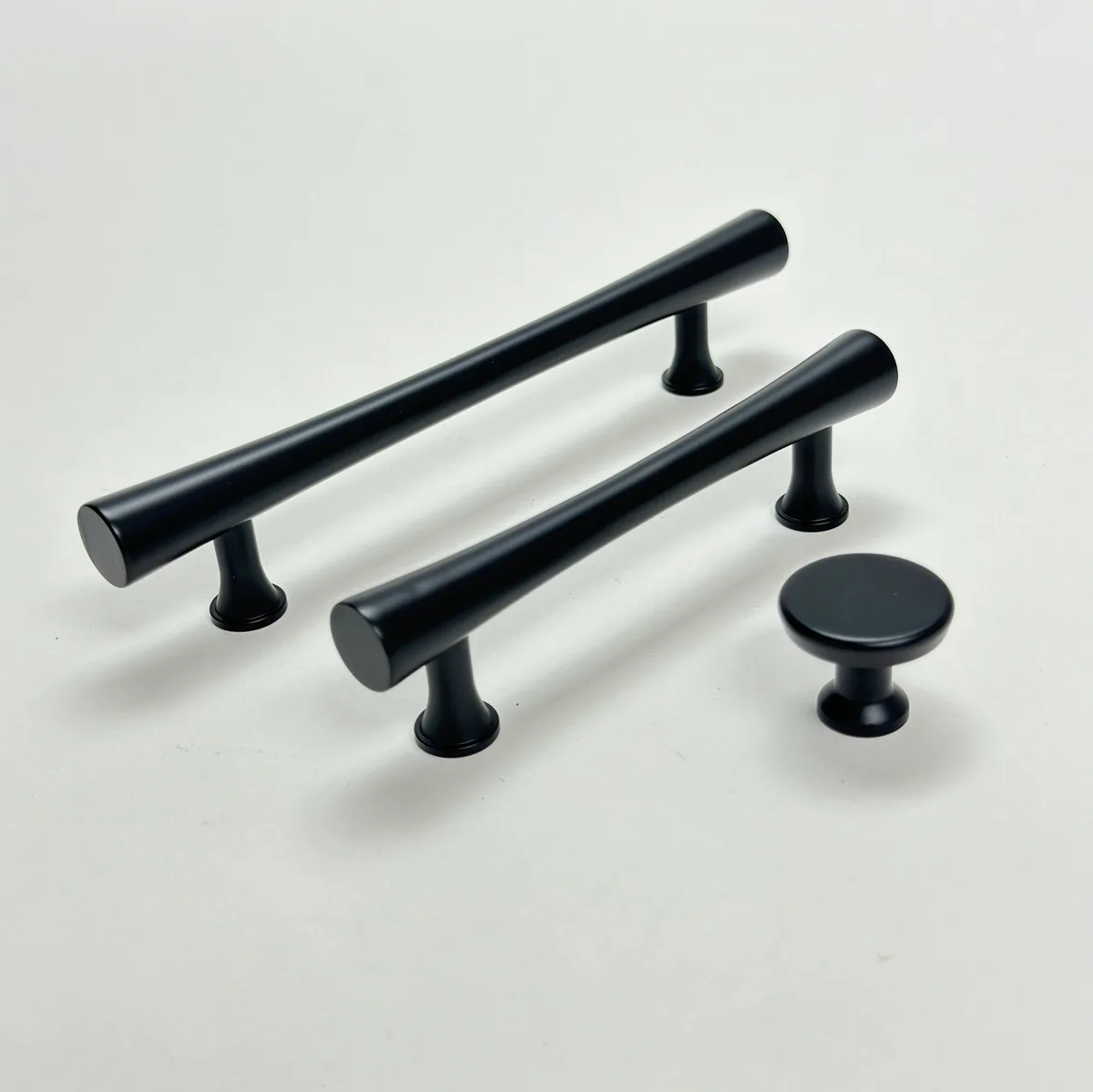
Image source: Web (Bing) / forgehardwarestudio.com (Web image (fair-use with source credit))
Next, assess your hardware. Swap out builder-grade cabinet knobs or light switch plates for updated, minimalist versions in matte black or brushed brass. These small, inexpensive upgrades change the perceived value and style of a room immediately.
Finally, introduce a single, large-scale focal point. This could be an oversized piece of art, a bold pendant light, or a large rug with a simple geometric pattern. Let this item dictate the color palette for the rest of the room.
Frequently Asked Questions About Modern Home Aesthetics
How do I make a small room feel modern without losing storage?
Use closed-storage solutions that blend into your wall color. Floating shelves or wall-mounted cabinets keep the floor visible and make the space feel larger. Avoid bulky, freestanding bookshelves that interrupt the visual flow of the room.
Can I mix old and new items?
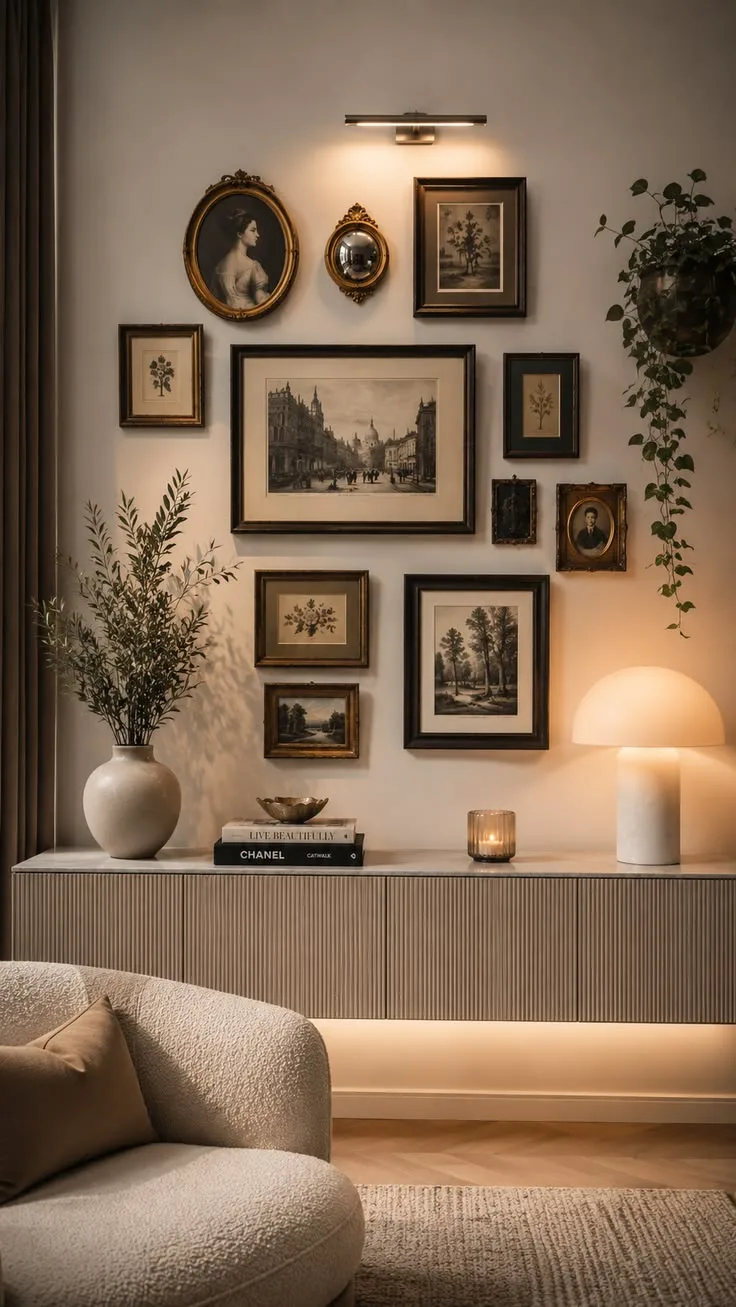
Yes, mixing vintage pieces with modern design creates a warmer, more personal home. Ensure the vintage items have clean lines and avoid overly ornate styles. Use the vintage piece as a focal point to contrast with your simpler, modern elements.
What is the best way to choose a modern color palette?
Stick to a neutral base of white, gray, or beige for your walls and large furniture. Add one or two accent colors through textiles or smaller decor items. This prevents the room from feeling flat while keeping the modern, cohesive look intact.
How often should I update my decor to keep a modern look?
Modern design is essentially timeless, so you don't need to refresh it frequently. Focus on high-quality materials that age well. You only need to make adjustments if your lifestyle changes or if specific items no longer serve a functional purpose.