How to Choose a Home Decor Style
Choosing a home decor style is essentially the process of aligning your personal habits with the physical space you occupy. It requires filtering your preferences through a logical sequence to ensure your environment remains functional and comfortable.
As of 2026, interior design research from organizations like the American Society of Interior Designers suggests that homes functioning in harmony with the inhabitant's lifestyle significantly reduce stress. We’ve developed a workflow to help you audit your space, test your aesthetic, and build a room that lasts.
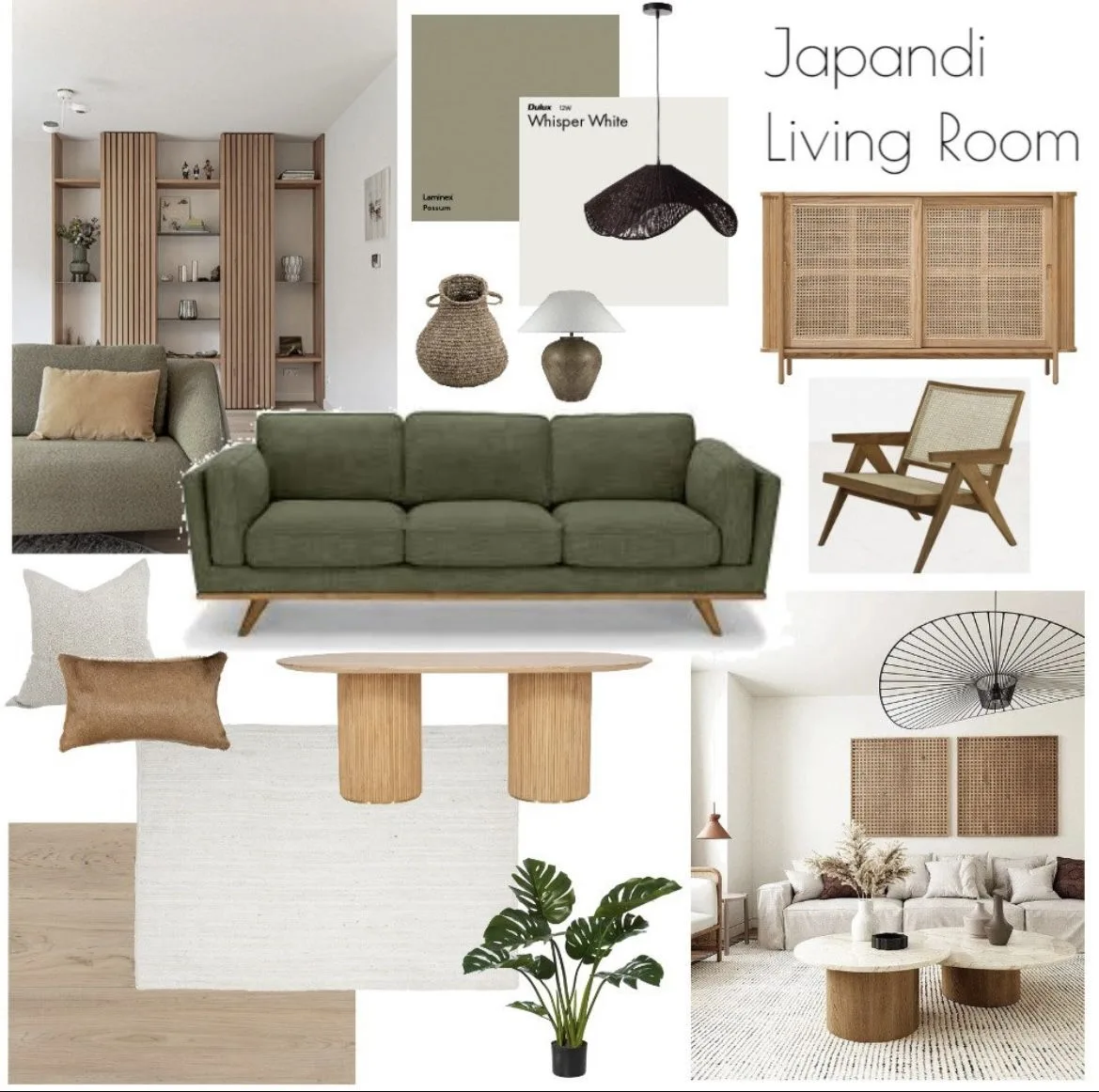
Image source: Web (Bing) / pinterest.com (Web image (fair-use with source credit))
Quick Answer
You choose a home decor style by auditing your daily needs. Identify items that support your specific routine. Review your saved photos for recurring patterns.
Match your furniture scale to your room size. Ignore temporary trends to focus on long-term comfort.
Stop Trying to "Find" Your Style: The Home Audit Method
Most people get stuck because they search for a label like Modern or Farmhouse before understanding what they actually need. You shouldn't start with a Pinterest board. You should start with a calendar and a checklist of your daily habits.
If you have a busy household with pets or young children, your decor style must prioritize durability over delicate aesthetics. List your top three functional requirements for every room. For example, a home office needs ergonomic seating, while a living room needs stain-resistant upholstery.
This audit acts as your primary filter. Anything that doesn’t meet these functional requirements gets removed from your list of potential styles. You are building a home, not a showroom.
The Three Filters That Make Decisions Easy
Once you understand your functional needs, you need to apply three distinct filters to narrow your options. These filters prevent you from buying furniture that you’ll regret in six months.
- The Lifestyle Filter: Does this style support your specific daily activities?
- The Maintenance Filter: Can you realistically keep this aesthetic clean given your schedule?
- The Longevity Filter: Will this look outdated the moment a trend dies?
A minimalist style might look great, but it requires high-level organization that isn't for everyone. A maximalist approach offers personality, but it requires constant dusting and curation. Be honest about your capacity for maintenance.
You don't want a home that demands more energy than it gives you.
Mapping Your Home’s Architecture to Your Aesthetic
Your house is a fixed variable, and fighting its original architecture often leads to awkward design choices. While you don't need to be a slave to history, working with the existing bones usually saves money and effort.
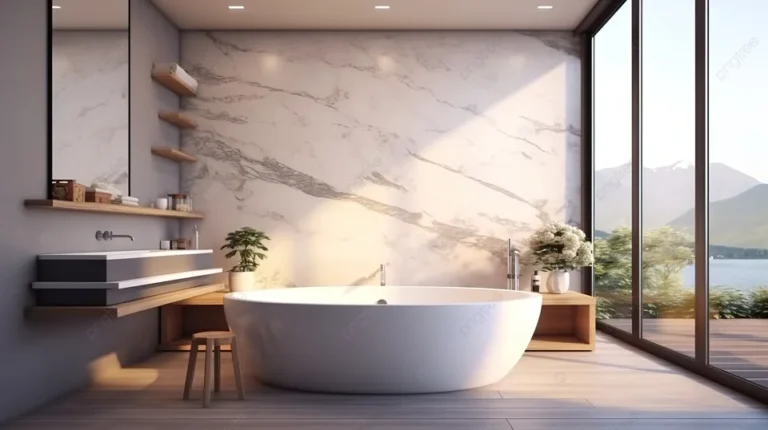
Look at the window placement, floor materials, and ceiling height of your rooms. If you live in an older home with heavy molding, a stark, ultra-modern furniture set might look disconnected. You can bridge this gap by choosing transitional pieces that respect the old while embracing the new.
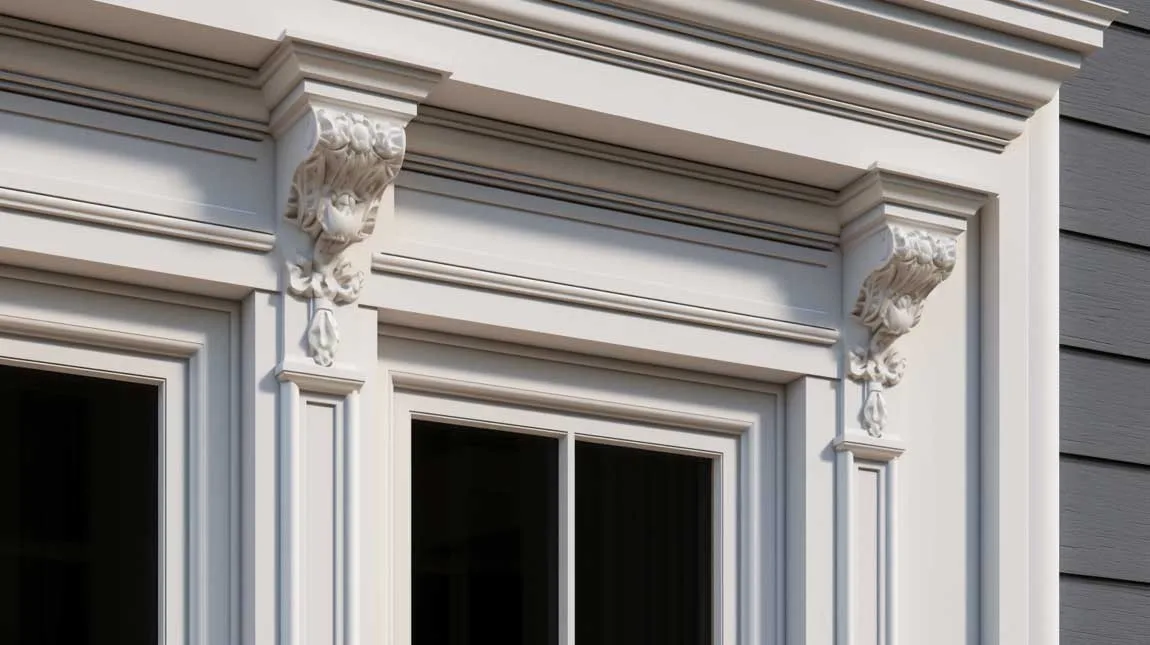
Image source: Web (Bing) / storage.googleapis.com (Web image (fair-use with source credit))
| Architectural Trait | Suggested Aesthetic | Reason |
|---|---|---|
| High Ceilings | Industrial / Modern | Allows for bold, large-scale lighting. |
| Original Wood Trim | Traditional / Craftsman | Complements the natural material warmth. |
| Small, Boxy Rooms | Scandinavian / Minimal | Maintains a sense of light and space. |
| Open Floor Plans | Mid-Century / Contemporary | Encourages consistent flow and sightlines. |
Practical Workflow: Building Your Room, Layer by Layer
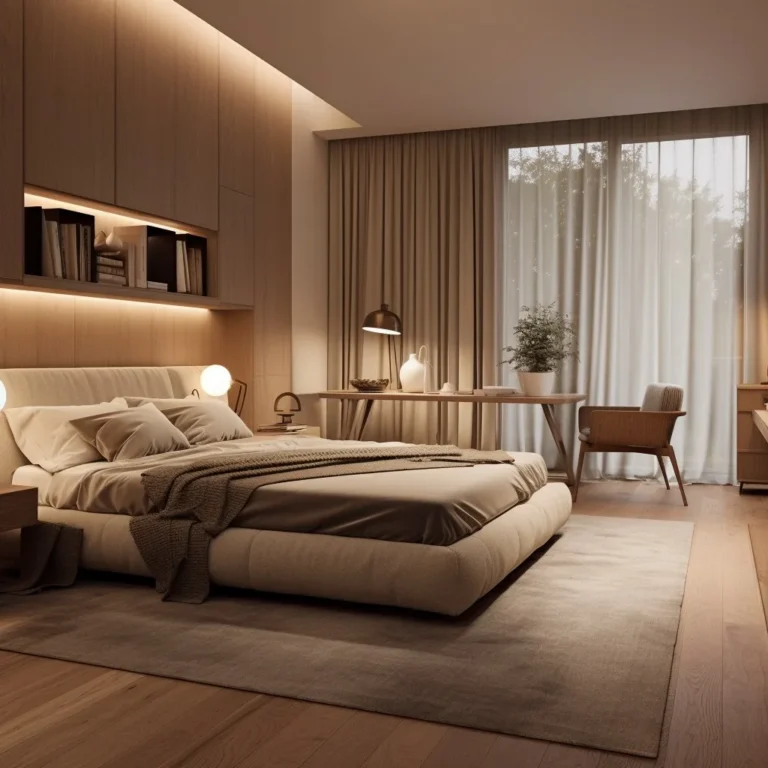
You should always prioritize your anchor pieces first. These are the large items, like sofas, dining tables, or beds, that dictate how the rest of the room functions.
- Map your traffic flow: Ensure your anchor pieces don’t block walkways.
- Define a focal point: Use a window, a fireplace, or a piece of art to orient your furniture.
- Layer your lighting: Don't rely on one overhead light; mix lamps for depth.
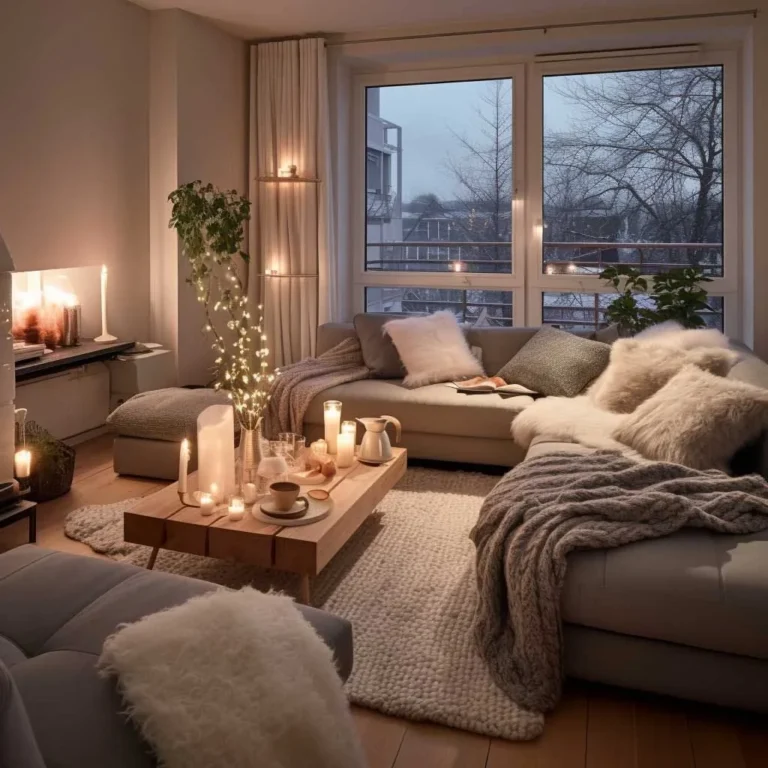
- Add textiles: Rugs, curtains, and pillows add the personality you’re looking for.
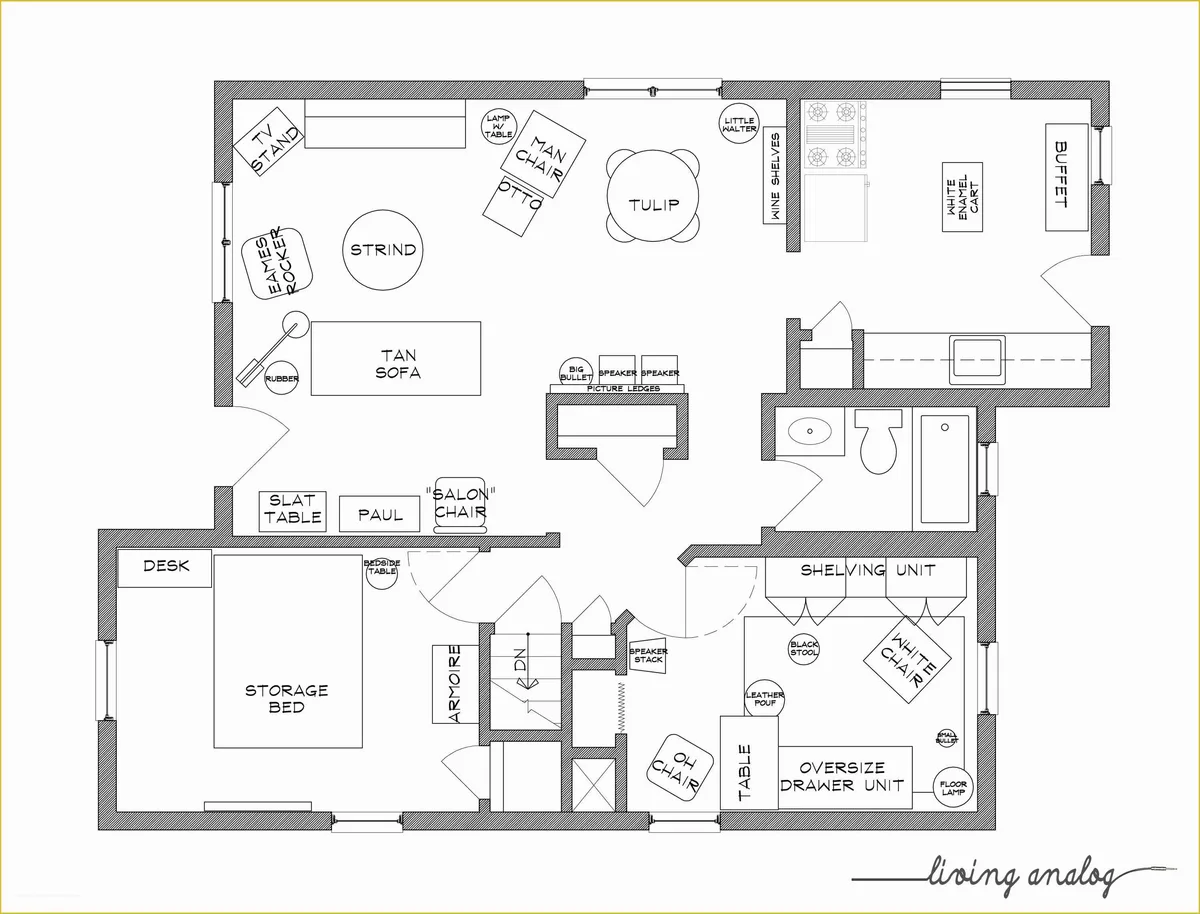
Image source: Bing (Web (fair-use with source credit))
Common Pitfalls That Stall Your Progress
The biggest mistake people make is trying to decorate every room at once. This usually leads to burnout and a pile of mismatched furniture that doesn't actually fit together.
Another common error is failing to account for scale. A massive sectional sofa will suffocate a small living room, even if the style is "perfect." Always use painter's tape to map out the footprint of furniture on your floor before you buy anything.
Finally, avoid buying sets. Buying a matching table, chair, and sideboard from one catalog often makes a room look like a generic furniture warehouse. Mix materials and textures to create a home that feels gathered and authentic over time.
Maintenance and Long-Term Evolution
Your home is a dynamic environment that must change as your needs shift over time. A style that works for a single professional might require significant adjustments once children or pets enter the picture. This is why you should prioritize versatile, high-quality furniture over trendy, disposable pieces.
Develop a maintenance schedule to keep your space looking intentional rather than cluttered. Regularly clear surfaces, rotate decor, and deep-clean fabrics every six months. If you find yourself constantly adjusting a room, it’s a sign that the current design isn't meeting your functional needs.
Think of your decor as a foundation rather than a finished product. You can swap out pillows, rugs, and wall art to change the vibe of a room without replacing your major furniture pieces. This approach allows your aesthetic to evolve without breaking your budget.
Frequently Asked Questions
How do I know when to hire a professional?
You should hire a professional when your project involves structural changes, complex electrical work, or a large-scale renovation that exceeds your technical expertise. Designers help avoid expensive mistakes in space planning and material selection. If you have a clear vision but lack the time or tools to execute it safely, external support is a practical investment.
Can I mix two different decor styles?
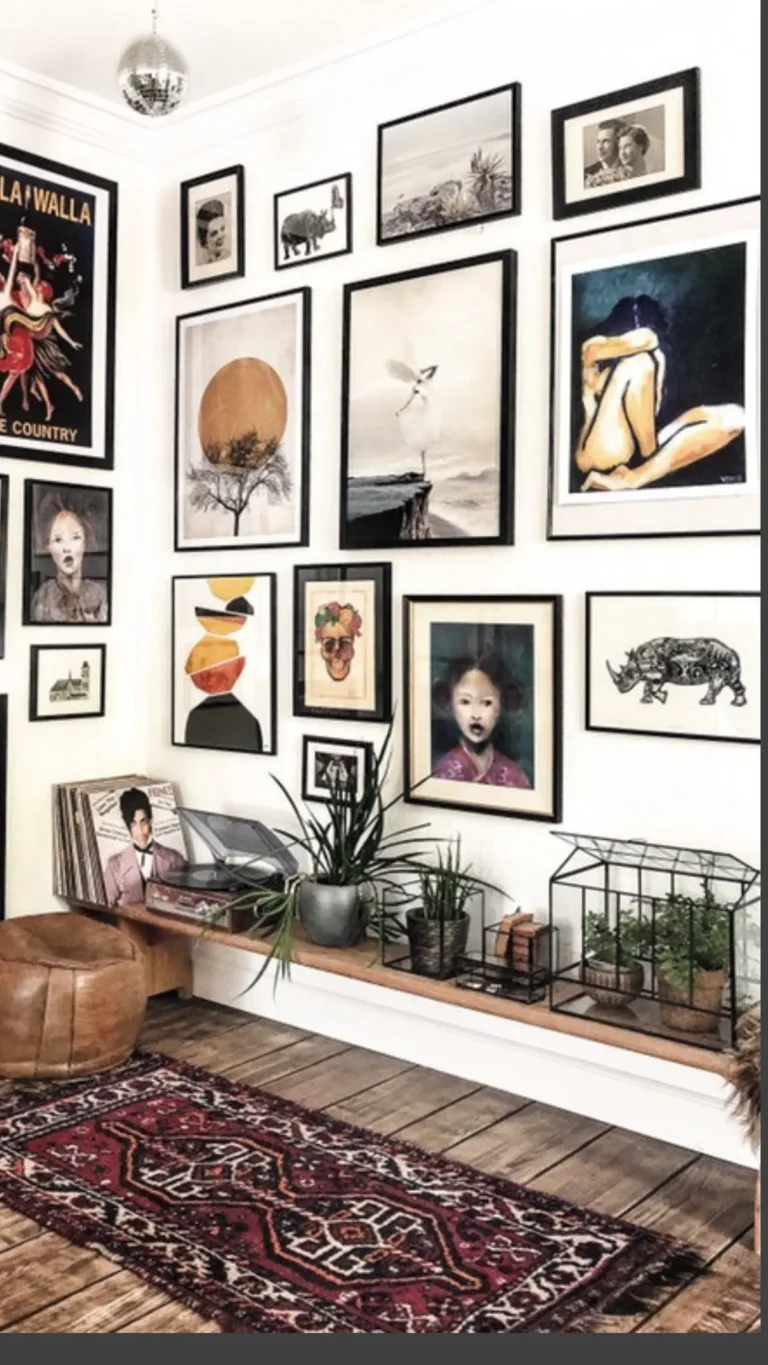
Mixing styles, often called eclectic design, is actually a great way to make your home feel unique. You can pair a modern sofa with a vintage rug to balance clean lines with texture. Aim to keep a consistent color palette across both styles so the room maintains visual harmony despite the clash in eras.
How do I find my style without spending a lot of money?
Start by rearranging your current furniture to improve the flow of your existing space. Use paint or new hardware to update tired cabinets and tables. Focus on decluttering first, as removing unnecessary items often clarifies exactly what kind of look you are actually trying to achieve.
Is it better to focus on furniture or wall color first?
Always choose your main furniture pieces before selecting a wall color. It is significantly easier and cheaper to color-match paint to your existing furniture than it is to find a sofa that perfectly matches a pre-selected wall shade. Anchor your room with your furniture, then let the paint act as the supporting backdrop.
Final Decision Checklist: A Practical Framework
Use this list as a final sanity check before committing to any major purchase or design change. If you can answer yes to these four questions, you are likely on the right track toward a functional and lasting home environment.
- Does this item serve a specific purpose in my daily routine?
- Have I accounted for the maintenance needed to keep this looking good?
- Does this choice fit the scale and light conditions of my specific room?
- Would I still value this item if I removed the trend-driven label?
Remember that a house becomes a home when it supports your life, not just when it looks like a curated catalog. Stay focused on your own patterns, prioritize long-term utility, and be patient with the process. Your home should feel like a relief at the end of the day, not a project you have to work at constantly.