How to Decorate With Mirrors
Knowing how to decorate with mirrors is about more than just filling blank wall space. It is a fundamental design technique used to manipulate light and perceived room volume effectively.
When executed correctly, mirror placement can double the aesthetic impact of a room, as documented in interior architecture standards by organizations like the American Society of Interior Designers. By focusing on sightlines and light sources, you can transform the character of your living space as of 2026.
Quick Answer
Decorating with mirrors requires careful placement to capture natural light.
Hang mirrors opposite windows to brighten dark corners of a room.
Ensure the mirror reflects a clean space to avoid visual clutter.
Use large mirrors to make small rooms feel significantly larger.
Mount mirrors at eye level for the most natural visual appeal.
The Mirror Strategy: Why Reflection is Your Best Design Tool
Mirrors serve as functional tools for interior enhancement rather than simple decorative accessories. They work by capturing incoming light and redirecting it back into the room. This increases ambient brightness without the need for additional electrical fixtures.
You can use reflection to create the illusion of depth in tight quarters. If you have a narrow hallway, a mirror effectively pushes the boundaries of the wall. This trick is a standard practice in residential architecture to improve spatial flow.
When we consider the physics of light, a mirror acts as a secondary light source. By placing it strategically, you distribute sunlight more evenly across your home. This process is essential for rooms that suffer from limited window access or north-facing exposure.
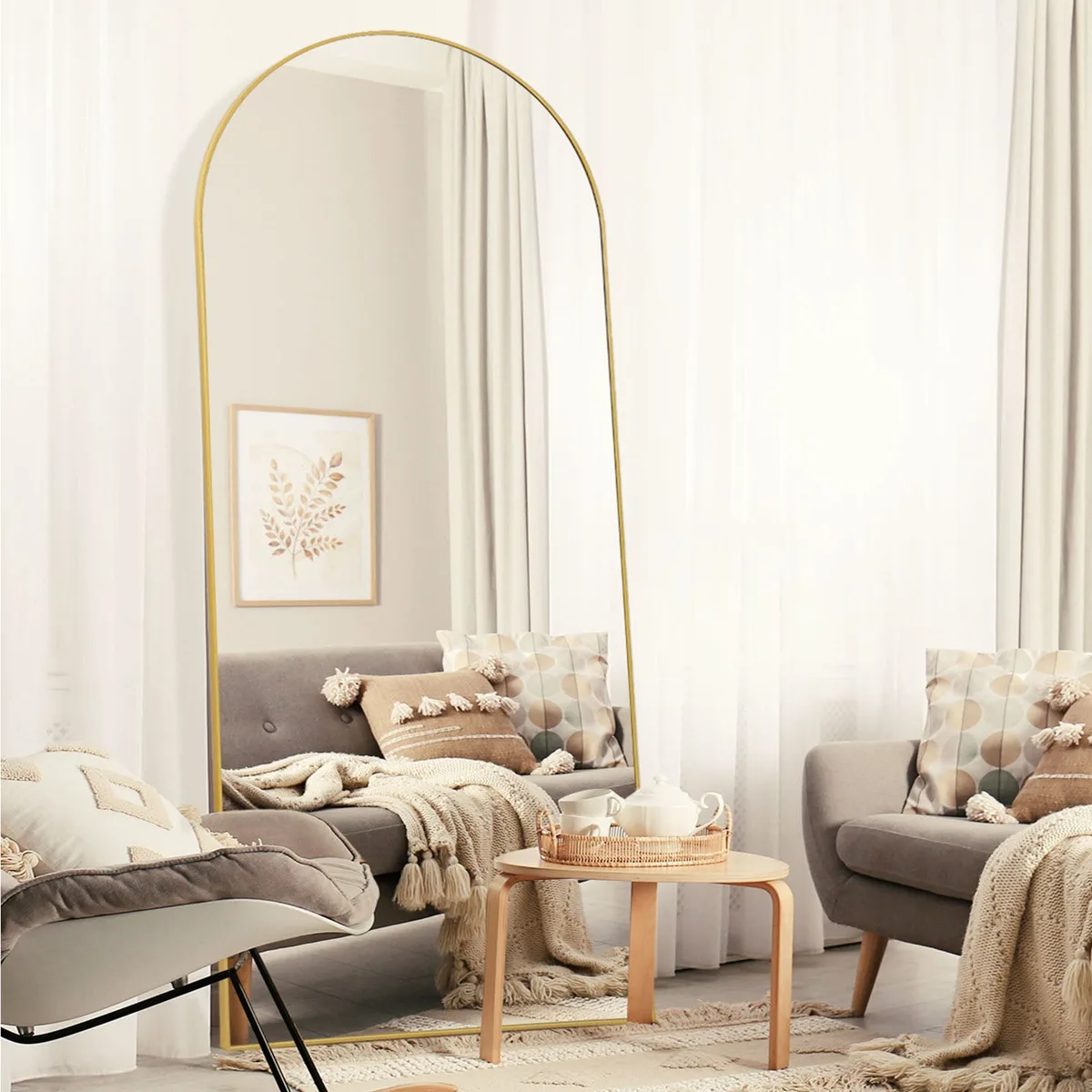
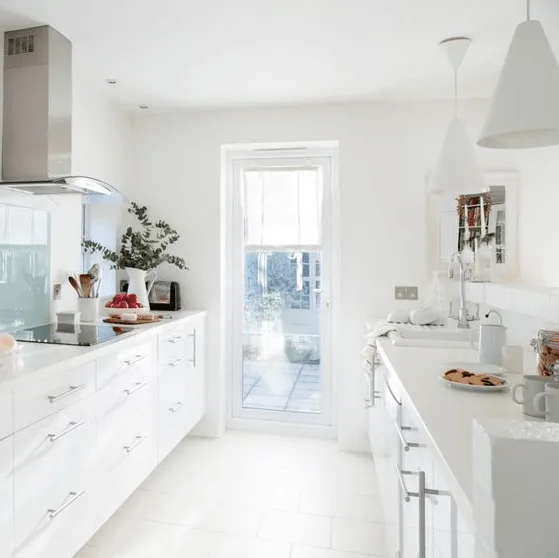
Image source: Bing (Web (fair-use with source credit))
Assessing Your Space: The Sightline and Light Audit
Before you commit to a location, perform a site audit of your room. Stand in the center of the space and look at each wall. Identify which wall receives the most natural light throughout the day.
Note what exists on the opposite side of each potential mirror spot. If your mirror faces a crowded desk or a pile of boxes, it will double those items. You should aim for reflection points that contain architectural features or outdoor views.
Consider the height of the ceiling when planning your mirror size. A vertical mirror draws the eye upward, which adds height to a room with low ceilings. Horizontal mirrors tend to stretch the room, making them ideal for wider, shorter walls.
Strategic Placement: Where to Hang vs. Where to Lean
The decision to hang or lean a mirror depends on the desired mood of the space. Hanging provides a secure, permanent fixture that feels formal and anchored. Leaning, conversely, creates a relaxed, transient, and modern atmosphere.
Large floor mirrors should lean against a wall in rooms where you want a casual aesthetic. You must ensure the floor is level and the mirror is stable. Always verify that the frame is sturdy enough to withstand occasional contact in high-traffic areas.
If you opt to hang your mirror, use a console table to provide visual support. This setup is perfect for entryways where you need a place for keys and mail. Placing a lamp on the console table allows the mirror to bounce warm light back into your path.
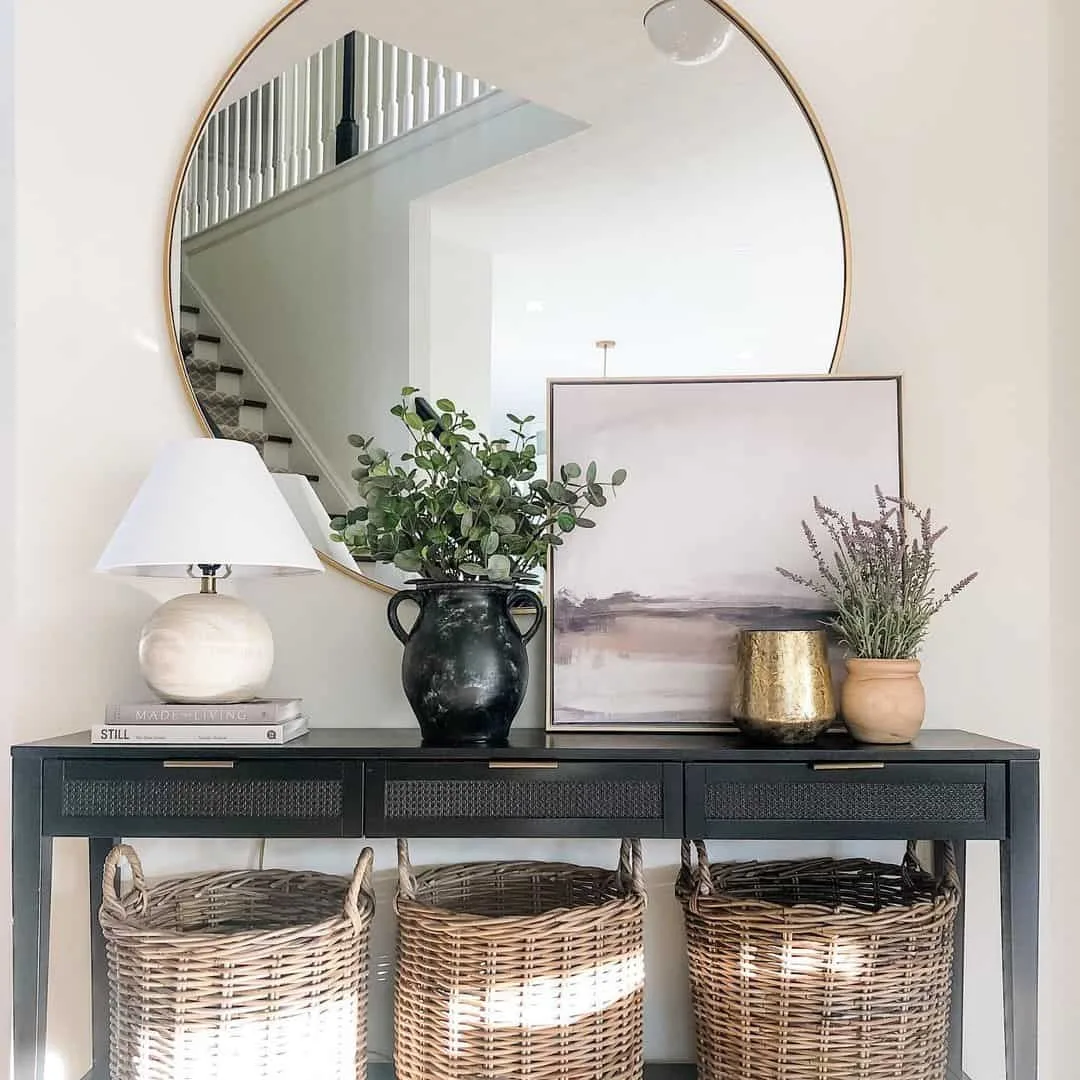
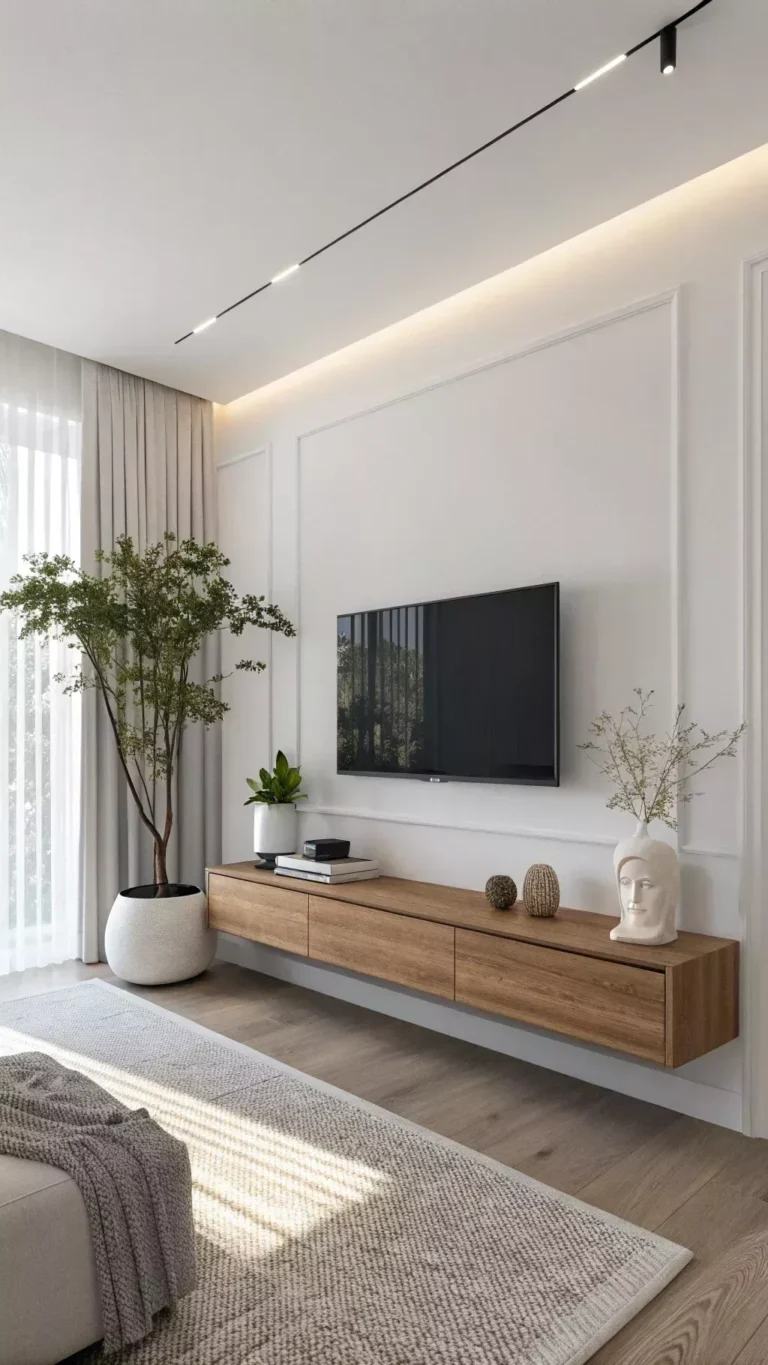
Image source: Web (Bing) / soulandlane.com (Web image (fair-use with source credit))
Solving Spatial Problems: Scaling, Light, and Depth
Scale is the primary factor that determines if a mirror will look intentional or out of place. A tiny mirror on a massive wall will look like a mistake. Aim for a mirror that covers at least two-thirds of the width of the furniture below it.
For rooms lacking light, move the mirror closer to the primary window. Even a small adjustment in distance can significantly increase the amount of reflected sunlight. This strategy minimizes the need for high-intensity overhead lighting during the day.
If you struggle with depth, a frameless mirror can feel like a window into another room. These are particularly useful in tight dining areas. They expand the room without adding the visual weight of a heavy, ornate frame.
Essential Safety: Mounting, Hardware, and Anchoring
Safety is the most important factor when you are dealing with glass surfaces. Heavy mirrors require hardware that is rated for the specific weight of the glass and frame. Check the manufacturer specifications to ensure your wall anchors exceed the weight of your item.
You must locate the wall studs before mounting any heavy mirror. Relying solely on drywall anchors can lead to structural failure over time. Per ANSI Z97.1 standards, safety considerations for glass in residential settings emphasize secure installation methods.
If you choose to lean a floor mirror, use an anti-tip kit to secure it to the wall. This is non-negotiable if you have children or pets in the home. A simple metal bracket hidden behind the top of the frame prevents the mirror from sliding or falling during an impact.
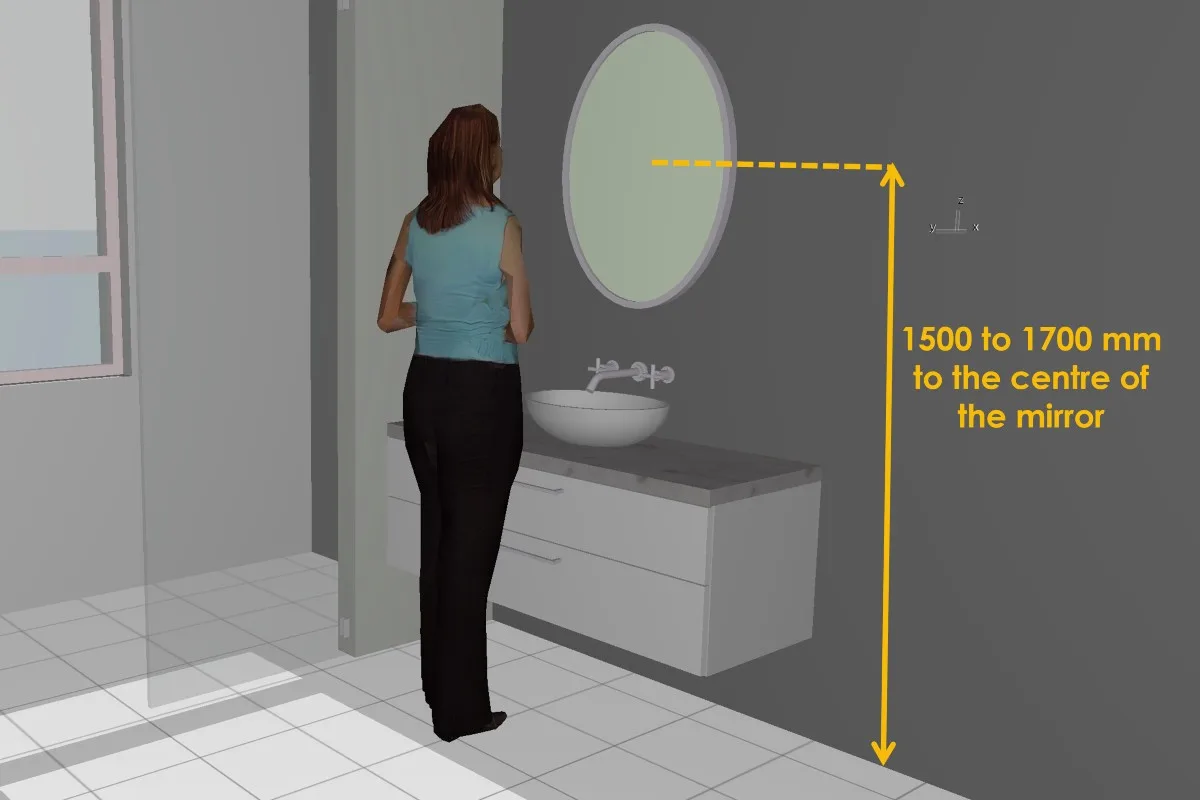
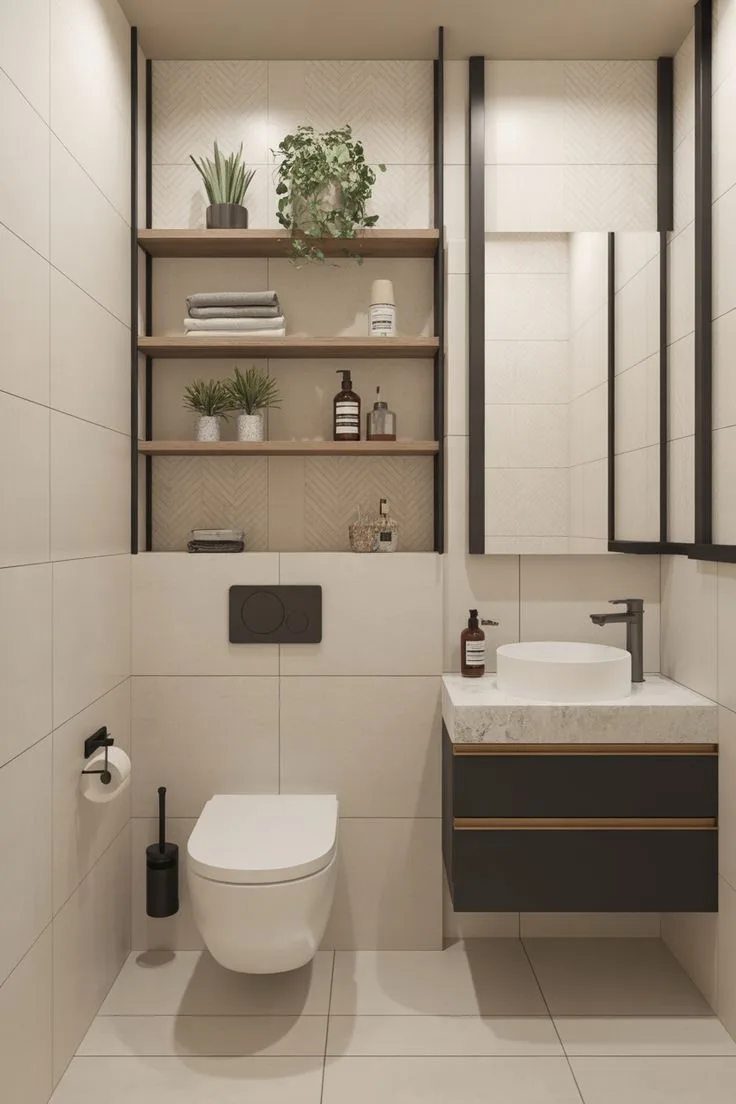
Image source: Bing (Web (fair-use with source credit))
Avoiding the Clutter Reflection and Other Visual Traps
Avoiding visual clutter is the most critical step when positioning a mirror in your home. You want the reflection to add value, not double the appearance of mess or disorganized storage.
If you place a mirror across from a coat rack overflowing with jackets, you are visually doubling the presence of that clutter. Move the mirror to a position where it reflects a clean wall, a piece of artwork, or a window. You should verify the sightline from every angle before drilling holes into your wall.
Glare is another common trap to avoid when you are setting up your space. A mirror placed directly opposite a bright, sun-drenched window can cause harsh reflections that are difficult to live with during the afternoon. You might find the reflection creates a bright, blinding spot that obscures your view.
Angle the mirror slightly to redirect the light if glare becomes an issue in your room. A small adjustment of just five degrees can often move the reflection away from eye level. It allows the light to bounce harmlessly into the room without causing a distraction.
Frequently Asked Questions
How high should I hang a mirror above a console table?
You should aim for the center of the mirror to be roughly 57 to 60 inches from the floor. This aligns the reflection with human eye level. You can mount it slightly lower if the mirror is intended to reflect a seated area like a dining table.
Always leave at least six inches between the top of the console and the bottom of the mirror.
How do I clean mirrors without leaving streaks?
Mix a solution of one part white vinegar to four parts distilled water in a spray bottle. Avoid using ammonia-based glass cleaners, as these can damage the silver backing of high-quality mirrors over time. Use a clean microfiber cloth to wipe the surface in a circular motion.
Dry the glass immediately with a second clean cloth to prevent spotting.
Can I use mirrors in small bathrooms to make them look larger?
Mirrors are the single most effective tool for expanding the perceived size of a small bathroom. A large, frameless mirror that covers the entire width of the vanity will make the room feel twice as wide. Ensure the mirror is placed high enough to avoid frequent water splashing.
You should also consider an anti-fog coating for mirrors in humid bathroom environments.
What is the best way to clean a mirror frame?
The cleaning method depends entirely on the material of the frame. Use a soft, dry brush for ornate wooden frames to remove dust from the crevices. For metal or lacquer frames, a damp cloth with mild soap is usually sufficient.
Keep all moisture away from the glass edge to prevent the silvering from corroding or turning black.
When should I choose a beveled edge mirror?
Choose a beveled edge if you want to add a touch of elegance without installing a heavy frame. The angled edge acts like a prism, catching light and adding a subtle sparkle to the wall. They work best in traditional or transitional spaces where you want to emphasize the glass itself.
Avoid them if your room style is strictly industrial or minimalist.