How to Make a Home Look Cozy
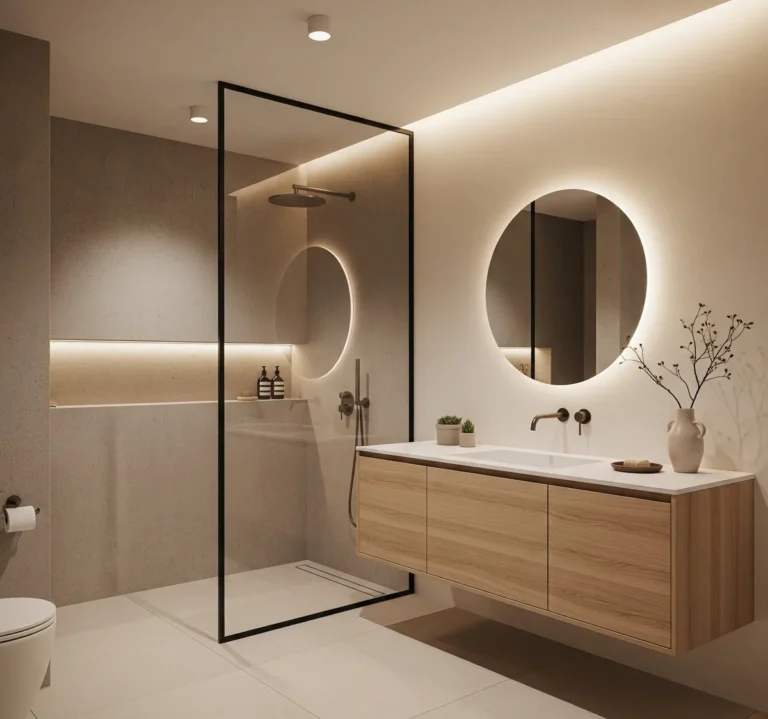
Learning how to make a home look cozy involves focusing on lighting, textures, and thoughtful spatial arrangement. You don't need a massive renovation or a high budget to shift the mood of a room. These adjustments help transform sterile spaces into comfortable retreats.
Research suggests that sensory environments directly impact psychological relaxation and stress recovery in domestic settings.
These changes make a space feel like a sanctuary rather than a showroom. By prioritizing warm light and tactile elements, you create a home that invites you to rest.
Quick Answer
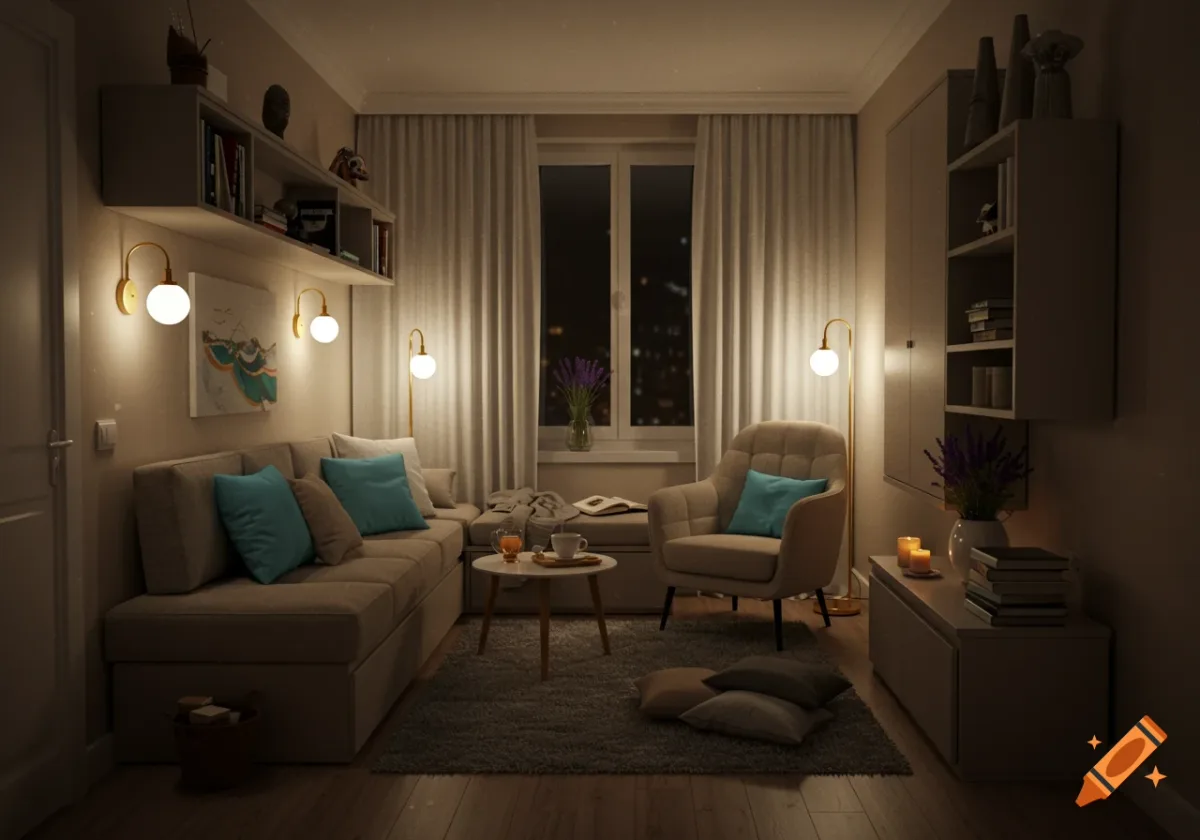
You make a home look cozy through layered lighting. Use warm-toned bulbs to soften every room. Add tactile rugs and blankets to reduce cold surfaces.
Group furniture to encourage relaxed conversation. Personalize shelves with items that have meaning. Avoid bright, single-source overhead illumination.
The Cozy Factor: Why Visual Balance Trumps More Stuff
Cozy design is not about filling a room with more furniture. It is about achieving a visual balance that signals safety and relaxation to your brain. When a room feels cluttered, your stress levels often rise.
When it feels too empty, it lacks a human touch.
True comfort comes from curated restraint. You want a balance of negative space and meaningful decor. This creates a room that feels lived-in rather than staged.
Focus on quality pieces that serve a purpose in your daily life. A balanced room provides enough stimulation to feel finished, but enough space to let the mind rest.
Why Overhead Lighting Is the Enemy of Comfort
Overhead lighting often creates harsh shadows and clinical brightness. This high-intensity light tells your body to stay alert. To achieve a cozy feel, you must move light sources down to your level.
Aim for a mix of light sources. Use floor lamps and table lamps to create pools of light. This lighting scheme is often referred to by experts at the American Lighting Association as layered lighting.
It provides versatility for reading, working, or simply unwinding in the evening.
- Color Temperature: Choose bulbs in the 2700K range for a warm, amber glow.
- Fixture Variety: Use different heights for lamps to draw the eye around the room.
- Dimmers: Install dimmers on main switches to gain full control over intensity.
The Texture Rule: Layering Materials to Soften Your Space
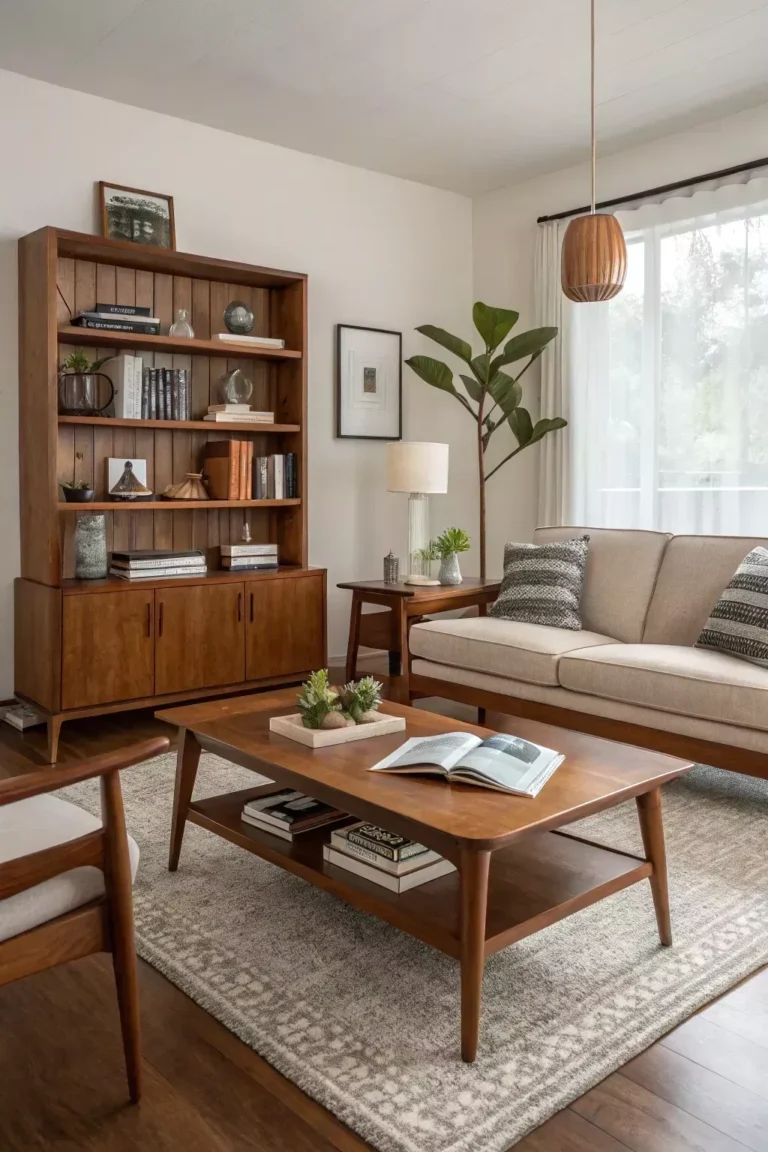
A room feels cold when every surface is hard or smooth. Texture brings warmth through touch and visual depth. Think about how wool, velvet, or linen can change the feel of a wooden chair or a leather sofa.
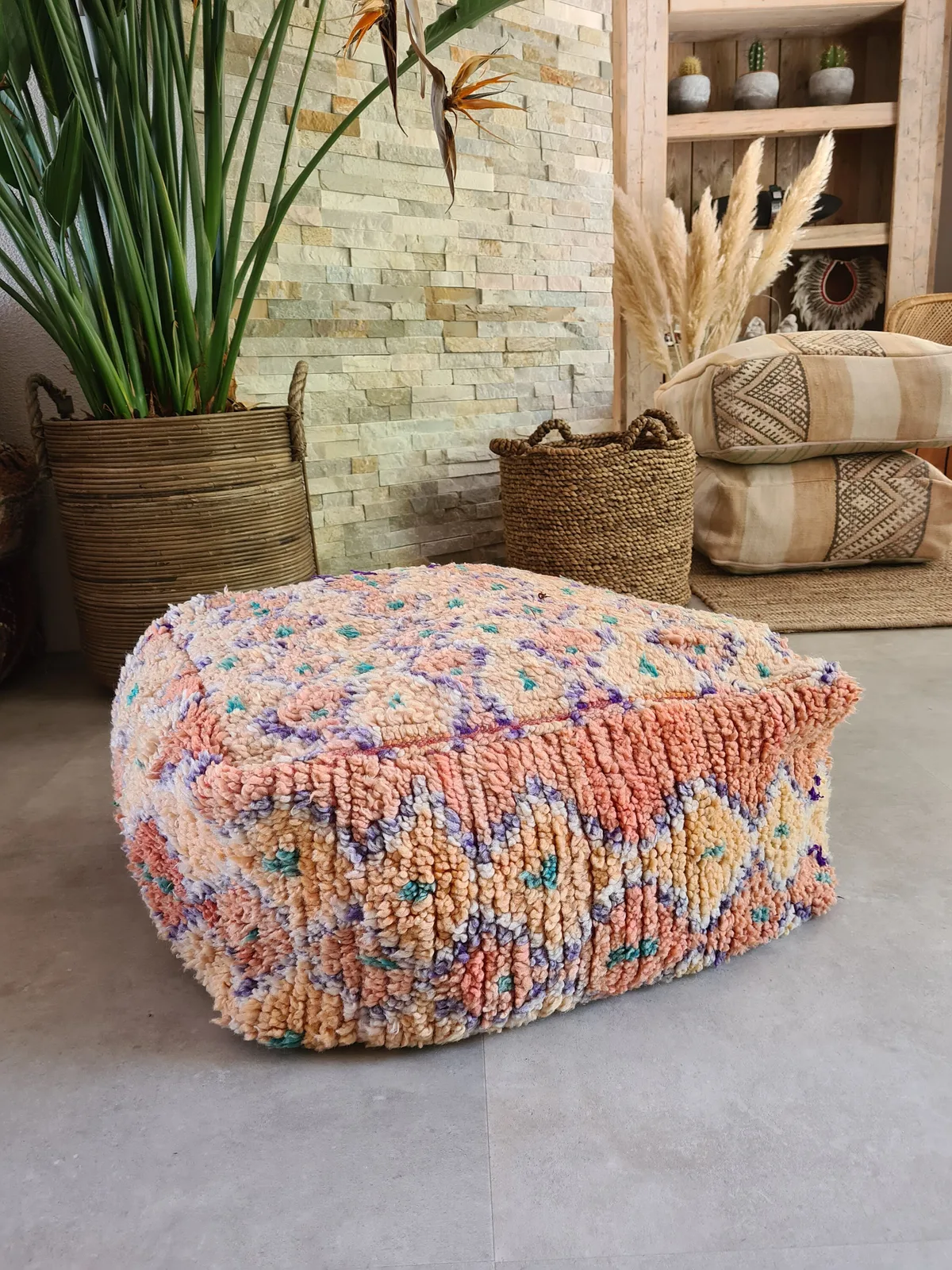
Start with the floor. A high-pile or woven area rug adds an immediate layer of softness. Then, bring textiles into your seating areas.
Use pillows in varying fabrics to add interest.
| Material | Best Use | Cozy Contribution |
|---|---|---|
| Wool | Rugs, Blankets | High insulation and tactile comfort |
| Velvet | Pillows, Chairs | Absorbs light and feels luxurious |
| Linen | Curtains, Slipcovers | Adds organic, relaxed visual lines |
| Jute | Rugs | Adds raw, natural texture to balance soft items |
Mastering Scale and Layout: Creating Intimate Conversation Zones
Large, open rooms can feel disconnected if furniture is pushed against the walls. This layout creates a "racetrack" effect that makes sitting down feel temporary. Pull your furniture into the center of the room to define a clear zone.
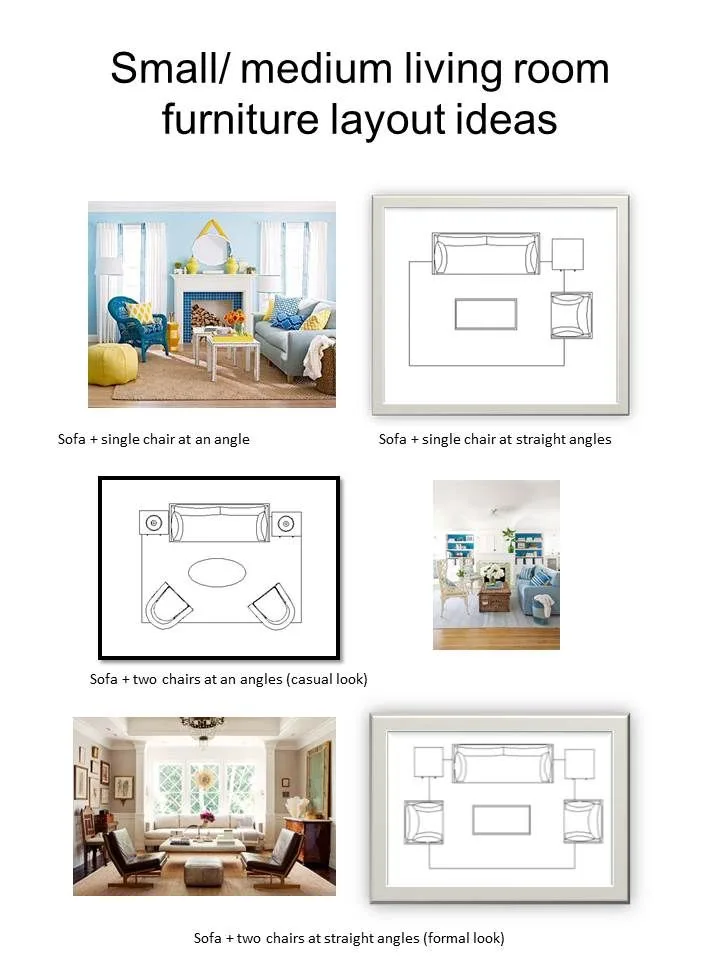
When you pull seating together, you create an intimate area for conversation. This arrangement makes the space feel grounded. Don't worry if you have smaller rooms.
The same principles apply. Even a small pair of chairs can create a cozy reading nook if they are angled toward each other.
- Anchor the space: Ensure front legs of sofas or chairs rest on your area rug.
- Create paths: Leave clear walkways around your conversation zone for natural flow.
- Break the symmetry: Perfectly mirrored layouts can feel formal. Slight offsets feel more organic.
Curating for Soul: Avoiding the "Catalog" Trap
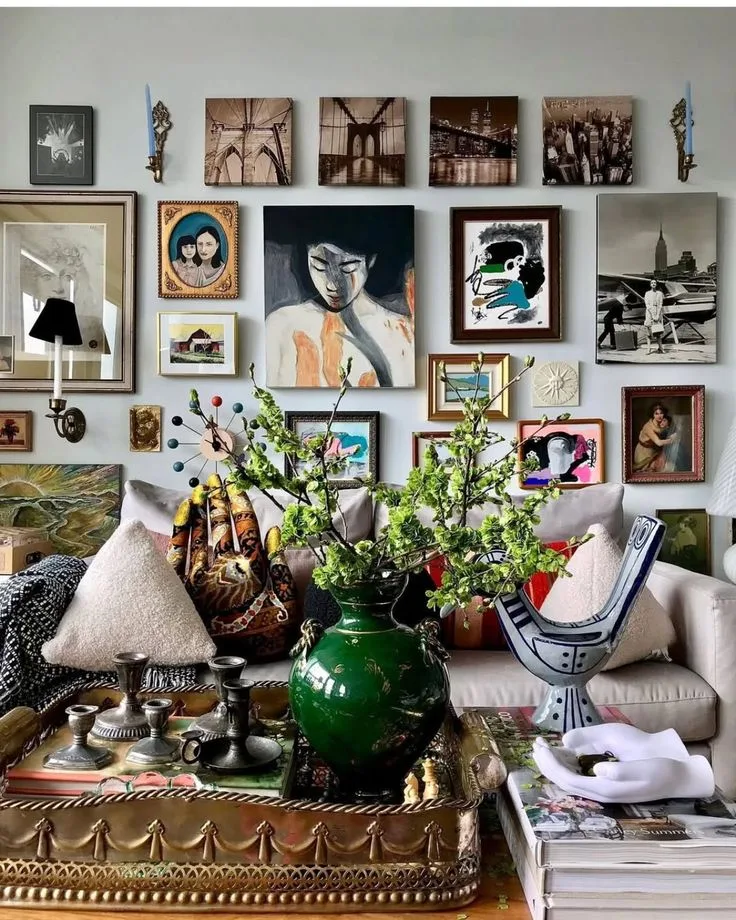
A home starts to feel cozy when it reflects your personality. When a house looks like a curated catalog, it often feels like a hotel. You want to display items that tell a story.
Group personal items in sets of three on shelves or coffee tables. This follows a classic design guideline that prevents items from looking like clutter. Include a mix of materials like ceramics, wood, and metal to keep the display grounded.
- Use the Rule of Three: Odd numbers create more visual interest than even ones.
- Bring in life: Plants add organic shapes that man-made furniture cannot replicate.
- Display your stories: Use books, photos, or travel finds to anchor your surfaces.
Practical Steps for Refreshing Your Home on a Budget
You can significantly change the atmosphere of a room without purchasing large furniture pieces. Start by shopping your own home. Move a side table from the bedroom to the living room, or swap art between walls to change your visual perspective.
Next, focus on low-cost upgrades that impact the senses. Swap out cool-toned LED bulbs for warm-white versions. Add a few inexpensive throw pillow covers in natural materials like cotton or linen.
These small changes cost very little but create a massive difference in how the space feels to you.
- Edit your surfaces: Clear off flat surfaces like mantels and tables. Keep only items that you love or use daily.
- Greenery: Bring in cuttings from plants you already own or buy a low-cost, hearty variety like a Pothos.
- Deep cleaning: Dust, grime, and smudges make any room feel neglected. A clean home is the foundation for a cozy one.
Common Visual Mistakes That Kill the Vibe
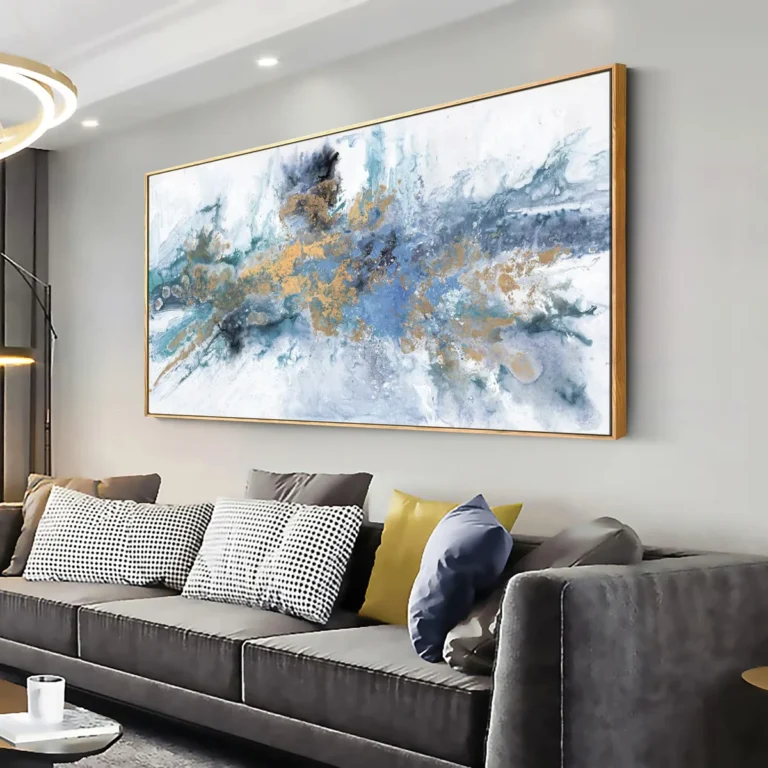
The most common mistake is failing to create a focal point. When you walk into a room, your eye should land on something intentional, like a fireplace, a piece of art, or a well-styled window. If the room feels scattered, it is likely because there is no anchor.
Another frequent error is using lighting that is too bright. Intense, uniform light creates a flat, clinical environment that makes people feel self-conscious rather than relaxed. Avoid placing furniture in ways that block natural light flow, which can make even a large room feel small and cavernous.
- Floating furniture: Don't push everything against the wall unless the room is tiny.
- Generic art: Avoid mass-produced prints that don't speak to you.
- Tangled cords: Hide wires behind furniture or use cable clips to remove visual chaos.
Frequently Asked Questions About Cozy Design
How do I make a small room feel cozy?
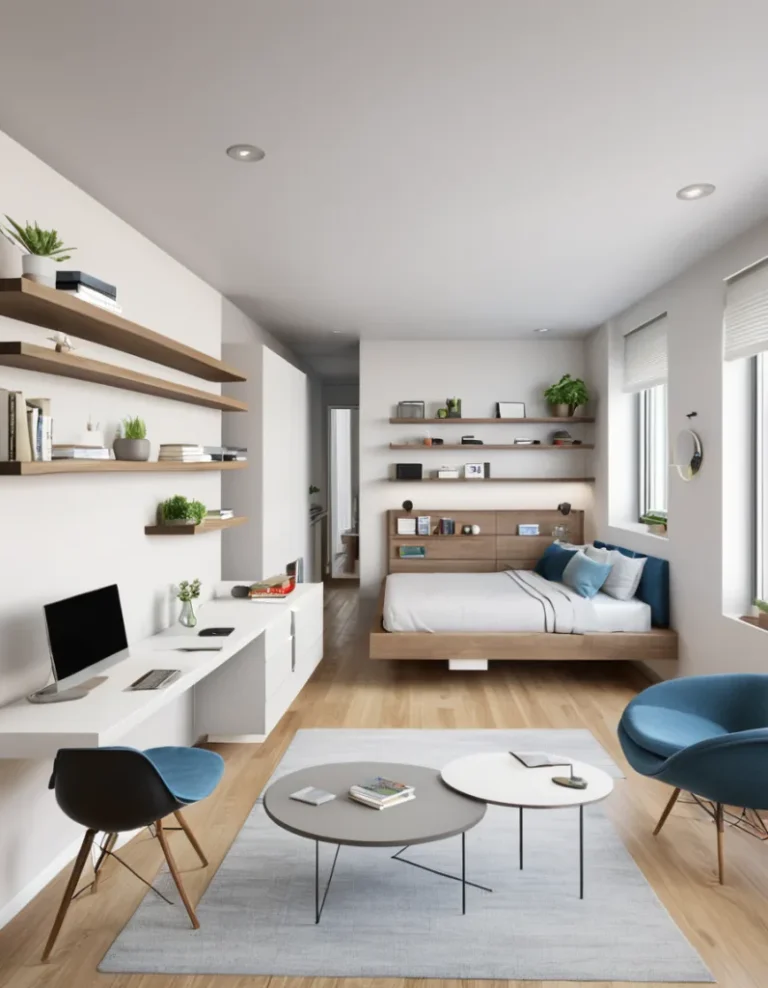
Focus on light and scale. Use mirrors to reflect available light, which makes the space feel more open. Avoid using tiny furniture that makes the room look like a dollhouse.
Instead, choose fewer, larger items that fill the footprint properly.
What colors are the best for a cozy home?
Warm, muted tones usually work best. Think of earthy shades like terracotta, soft creams, or deep olives. If you prefer neutrals, focus on layering different shades of the same color.
This creates depth through tone rather than aggressive contrast.
How often should I update my decor?
Update your decor seasonally if you enjoy change. Swap out lighter linens in the spring for heavier throws in the winter. This keeps the home feeling fresh and responsive to the climate.
You don't need a total overhaul, just a few key textile shifts.
Can a modern home feel cozy?
Modern design can absolutely feel warm. Focus on natural materials like wood, wool, and stone to soften hard, straight lines. Incorporate soft ambient lighting through dimmable fixtures.
Avoid too much cold glass or chrome if your goal is immediate comfort.
Are plants necessary for a cozy space?
Plants are highly effective, though not strictly required. They introduce organic shapes and textures that contrast well with manufactured furniture. If you struggle with live plants, dried flowers or branches can offer a similar aesthetic benefit without maintenance.