How to Decorate Above Kitchen Cabinets
Learning how to decorate above kitchen cabinets is about finding the right balance between visual interest and clean design. Many homeowners struggle with this awkward gap, often treating it as a storage shelf for items that simply collect kitchen grease.
When you style this space correctly, you can draw the eye upward and make the entire room feel more intentional. As of 2026, designers emphasize keeping at least 3 to 6 inches of clearance between your tallest decorative piece and the ceiling to maintain a sense of openness.
Quick Answer
You should decorate above kitchen cabinets by using a few large, cohesive pieces. Avoid filling every inch of the available ledge space. Choose items that match your overall kitchen style.
Keep your arrangements simple and easy to clean. Focus on creating height and visual balance.
Why Your Cabinet Tops Feel Like a Design Dead-End
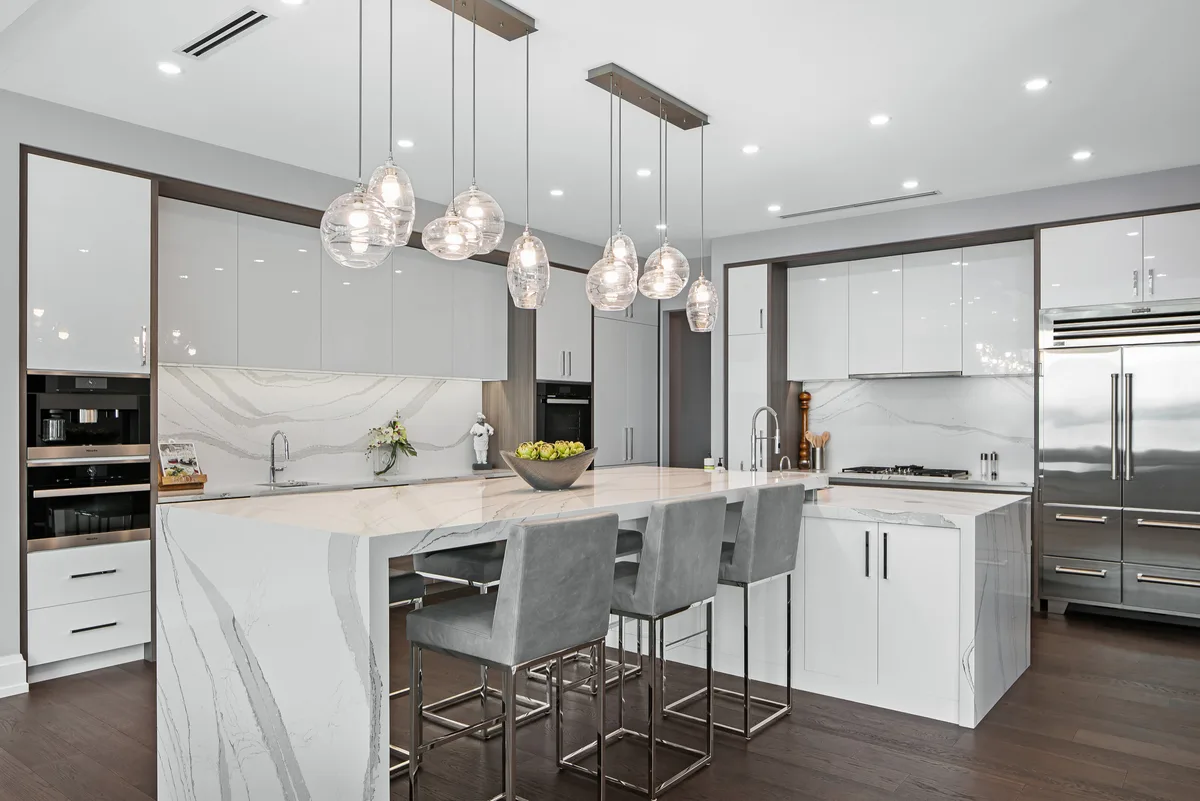
Image source: Web (Bing) / fity.club (Web image (fair-use with source credit))
That gap between your upper cabinets and the ceiling is a tricky design element. In many modern homes, these cabinets stop short of the ceiling, creating an unintentional shelf. If left empty, it can look like an unfinished afterthought.
If stuffed with small, mismatched items, it quickly turns into a focal point for clutter.
The real problem isn't the space itself, but the tendency to treat it as a secondary pantry. When you place random boxes or tiny knick-knacks up there, you create visual noise. This draws the eye away from your actual kitchen design and makes the room feel smaller.
Successful styling requires a shift in perspective. You are not looking for storage, you are looking for an architectural extension of your cabinetry. Professional designers look for ways to bridge the gap between the rigid lines of the kitchen units and the open horizontal plane of the ceiling.
The Spatial Math: Scale, Proportion, and Negative Space
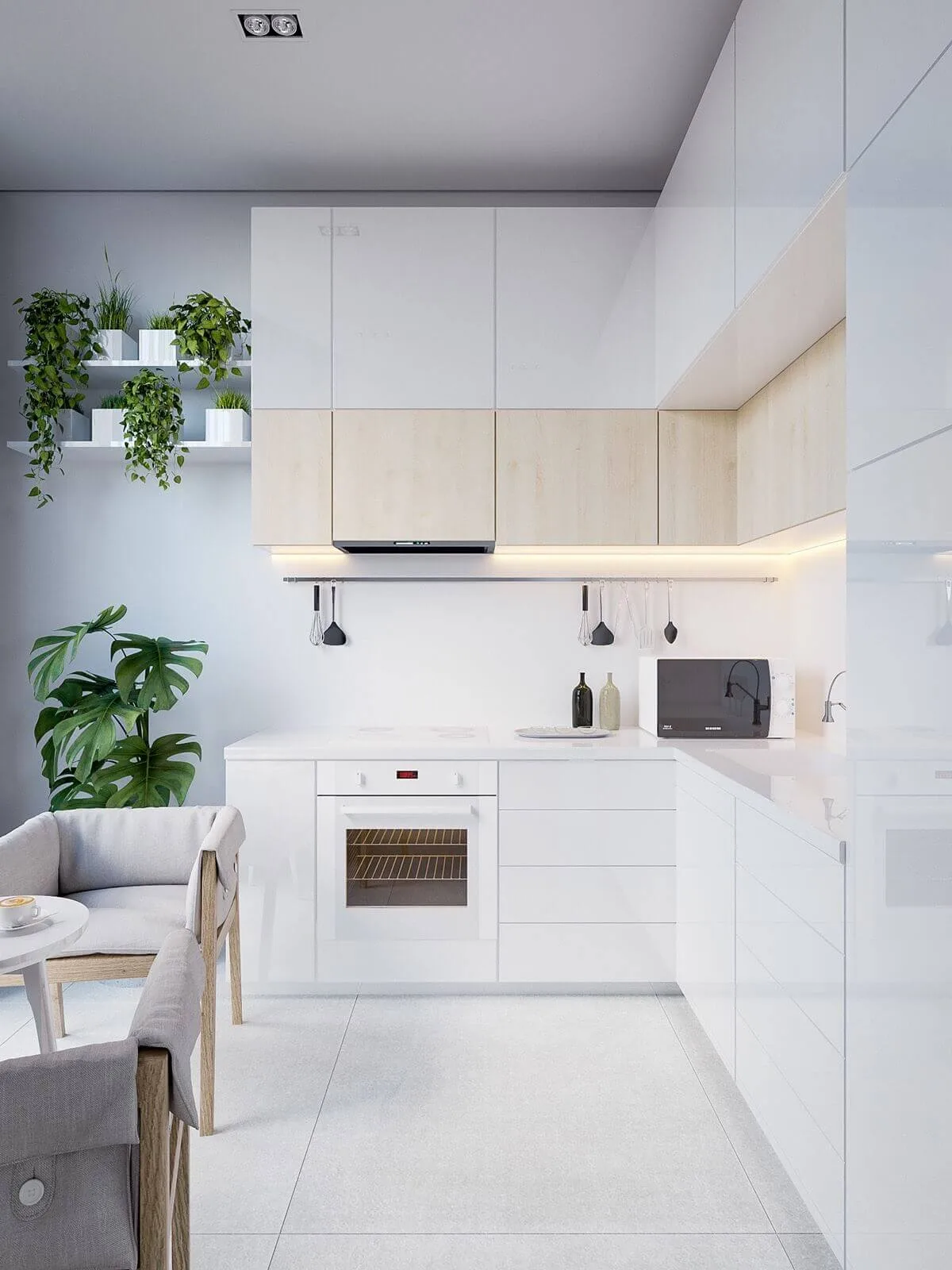
Image source: Web (Bing) / thearchitecturedesigns.com (Web image (fair-use with source credit))
Scale is the most vital metric when decorating high ledges. An object that looks substantial on your kitchen island will likely vanish when viewed from the floor against the backdrop of a ceiling. You need items that are significantly larger than you think, or they will simply disappear.
Negative space refers to the intentional empty areas you leave around your decorative objects. Without this empty space, your cabinetry will look crowded and oppressive. If you have 18 inches of height, don't try to fill 17 of them with decor.
| Feature | Best Practice | Why it matters |
|---|---|---|
| Object Height | 12–15 inches | Ensures items are visible from the floor. |
| Clearance | 3–6 inches | Prevents a squeezed visual effect. |
| Density | Under 50% fill | Preserves essential negative space. |
Maintaining balance involves repeating shapes or colors that already exist in your kitchen. If your cabinet hardware is matte black, consider choosing decorative vases or frames with black accents. This creates a cohesive narrative rather than a random collection of dust-collectors.
Selecting Pieces That Add Value Instead of Clutter
The items you choose must be durable enough to withstand the kitchen environment. Heat and moisture from cooking rise, meaning items up high are subject to regular, greasy buildup. Avoid materials that are porous or difficult to wipe down, like unfinished raw wood or fabric.
High-quality ceramic, glass, and metal are your best allies. These surfaces can be cleaned with a damp cloth or a gentle degreaser during your seasonal maintenance. If you use baskets for texture, look for tightly woven, finished seagrass rather than loose, frayed materials that trap dust.
- Oversized Ceramics: Large vases in a single color can add height without creating visual chaos.
- Woven Baskets: Great for adding warmth and organic texture to sleek, modern kitchens.
- Framed Art: Leaning a large, wide frame against the wall can ground the space if you have a deep shelf.
- Faux Greenery: Select high-quality silk or plastic plants that look realistic from a distance to soften the hard edges of your cabinets.
Strategic Styling: The Rule of Three and Height Tiering
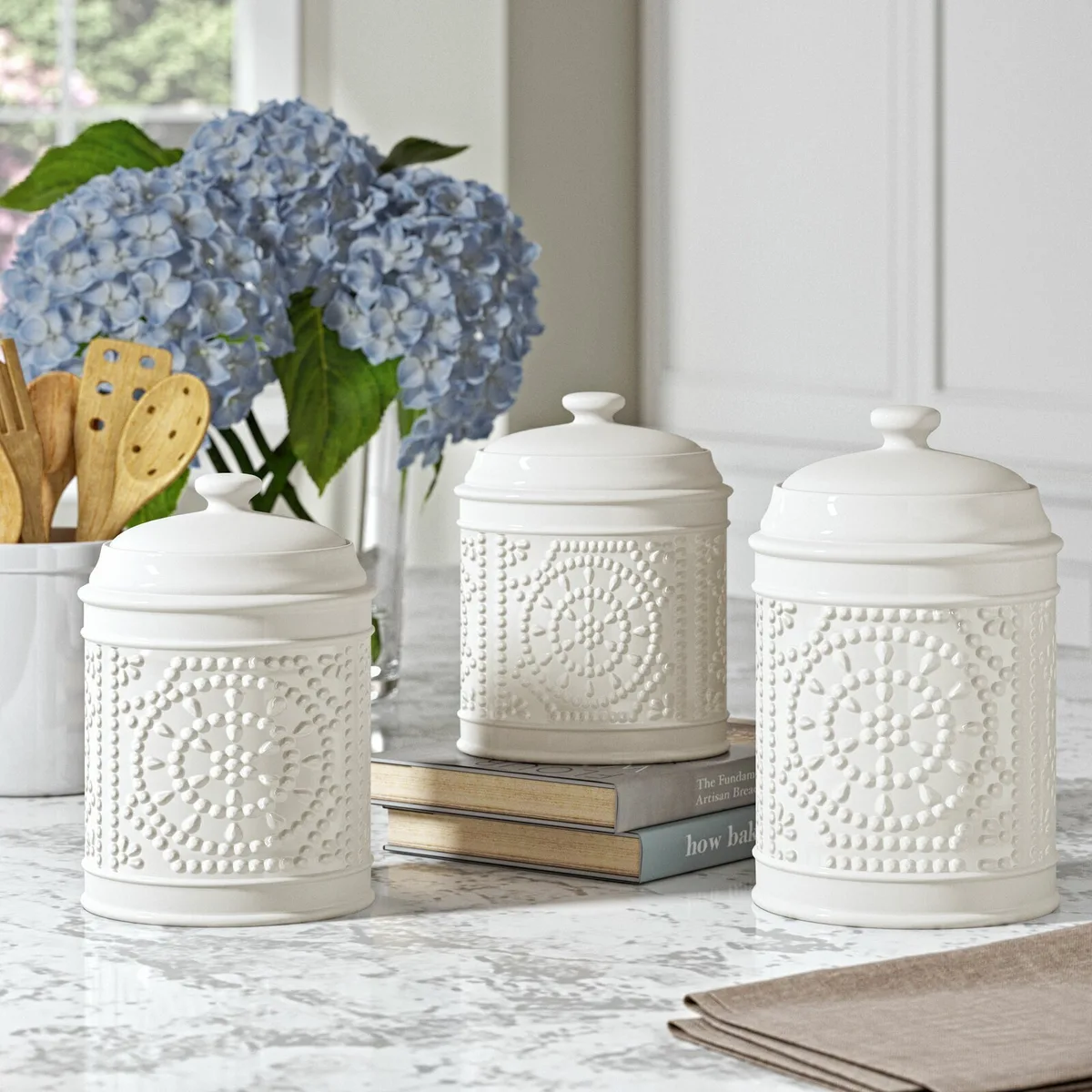
Image source: Web (Bing) / amazon.com.au (Web image (fair-use with source credit))
The Rule of Three is a classic design principle stating that objects arranged in odd numbers are more visually appealing. When you place three items together, the eye naturally finds a focal point and moves through the group. This is much more effective than lining up objects in a long, predictable row.
Height tiering involves placing items of different sizes next to each other to create a dynamic silhouette. If you put three items of the exact same height in a line, you’ve essentially created a wall. Instead, pair a tall vase with a medium-sized bowl and a smaller object.
Always keep the tallest item toward the center of the visual grouping. The shorter items should flank the center to lead the eye across the display. This movement keeps the area from looking static.
You can find more information on interior design balance through professional resources like the National Institute of Standards and Technology for understanding space and measurements.
The Maintenance Reality: Dealing with Kitchen Grease and Dust
Styling the top of your cabinets is a long-term commitment. You are creating a surface that will actively collect airborne cooking oils and dust particles. If you don't have a plan for cleaning, your beautiful display will look dingy within a few months.
Before you finalize your arrangement, ensure every item is accessible with a standard step stool. If you need a full-sized ladder, you are less likely to clean it. Make it easy enough that you can swipe it with a microfiber cloth every time you wipe down your countertops.
- Remove and clean: Take the items down once a month for a thorough dusting.
- Use a barrier: If you have deep cabinet tops, lay down a strip of clear shelf liner. When it gets sticky from grease, just pull it up and replace it.
- Avoid the stovetop: Never place decorative items directly above the range or hood. The heat and constant steam will degrade your decor and create a serious fire hazard.
- Simple is better: If the cleaning process takes longer than five minutes, you have too much stuff up there. Strip it back until you find a balance that you can maintain consistently.
Fire Safety and Practical Placement Restrictions
You must keep all decorations away from heat-venting appliance exhausts to prevent accidental ignition. Kitchens generate intense heat near stovetops and range hoods. Any material placed directly above these areas is at an elevated risk of scorching or catching fire.
The National Fire Protection Association provides guidance on maintaining clearances between heat sources and combustible materials. Even if your decor is made of fire-resistant ceramic or glass, the grease that inevitably settles on the surface is highly flammable.
Check your local building codes or manufacturer instructions for your specific range hood. They often require a specific vertical clearance for any materials mounted or placed nearby. When in doubt, prioritize safety by keeping the space directly above the stove completely empty.
Common Visual Mistakes That Shrink Your Kitchen
The most frequent error is overcrowding the ledge with small items. A dozen tiny salt shakers or individual figurines look like a mess from the floor. These items create visual noise that makes the kitchen feel smaller and more cramped.
Another common pitfall is ignoring the vertical perspective. When you stand in the doorway, you see the top of your decor and the front profile. If your items are thin or spindly, they won't have enough presence to hold their own against the heavy mass of cabinets below.
Avoid using a single, long horizontal line of matching items. This creates a monotonous effect that highlights the cabinet gap rather than masking it. Break up the space with varying heights and depths to ensure the eye stays engaged as it moves across the kitchen.
Frequently Asked Questions
What is the best way to clean high cabinet tops?
Use a vacuum with a soft brush attachment to remove loose dust and cobwebs. Follow this with a microfiber cloth dampened with a mild, grease-cutting kitchen cleaner. If the grease buildup is heavy, a mixture of warm water and dish soap works wonders.
Should I use artificial plants above cabinets?
Faux greenery is an excellent choice for high, dark areas that don't get enough sunlight for real plants. Choose high-quality silk or UV-resistant plastic plants that look realistic from several feet away. Dust them regularly with compressed air to prevent them from looking gray and dingy.
Can I install lighting above my cabinets?
You can install LED light strips or puck lights to create a high-end, custom look. Place the light source behind your decor pieces so they are backlit. This highlights the textures of your items and adds a warm, inviting glow that makes the ceiling look higher.
Is it okay to leave the space empty?
Leaving the space empty is a valid design choice that promotes a minimalist, clean aesthetic. If your kitchen is small or heavily detailed, empty cabinet tops can provide necessary visual relief. You don't have to fill every available shelf just because it exists.