How to Decorate With Vases
Learning how to decorate with vases is a simple way to update your home without buying new furniture. Vases act as sculptural accents that bring height and personality to otherwise empty surfaces. When done correctly, these vessels act as focal points that pull a room’s aesthetic together.
As of 2026, interior styling trends emphasize using fewer pieces with higher visual impact to reduce surface clutter.
Vases provide visual weight, which is the perceived heaviness of an object in your space. A dense ceramic vase feels grounded, while a thin glass one feels airy. You can use these pieces to balance your room.
If a coffee table looks too flat, a tall vase adds necessary vertical lines. You don't need expensive art to change a room's look. Vases offer a low-cost, high-impact solution for most homeowners.
Start by looking at the empty space you want to style. Note if the area feels heavy or light. If you have heavy wooden furniture, balance it with glass or metal vases.
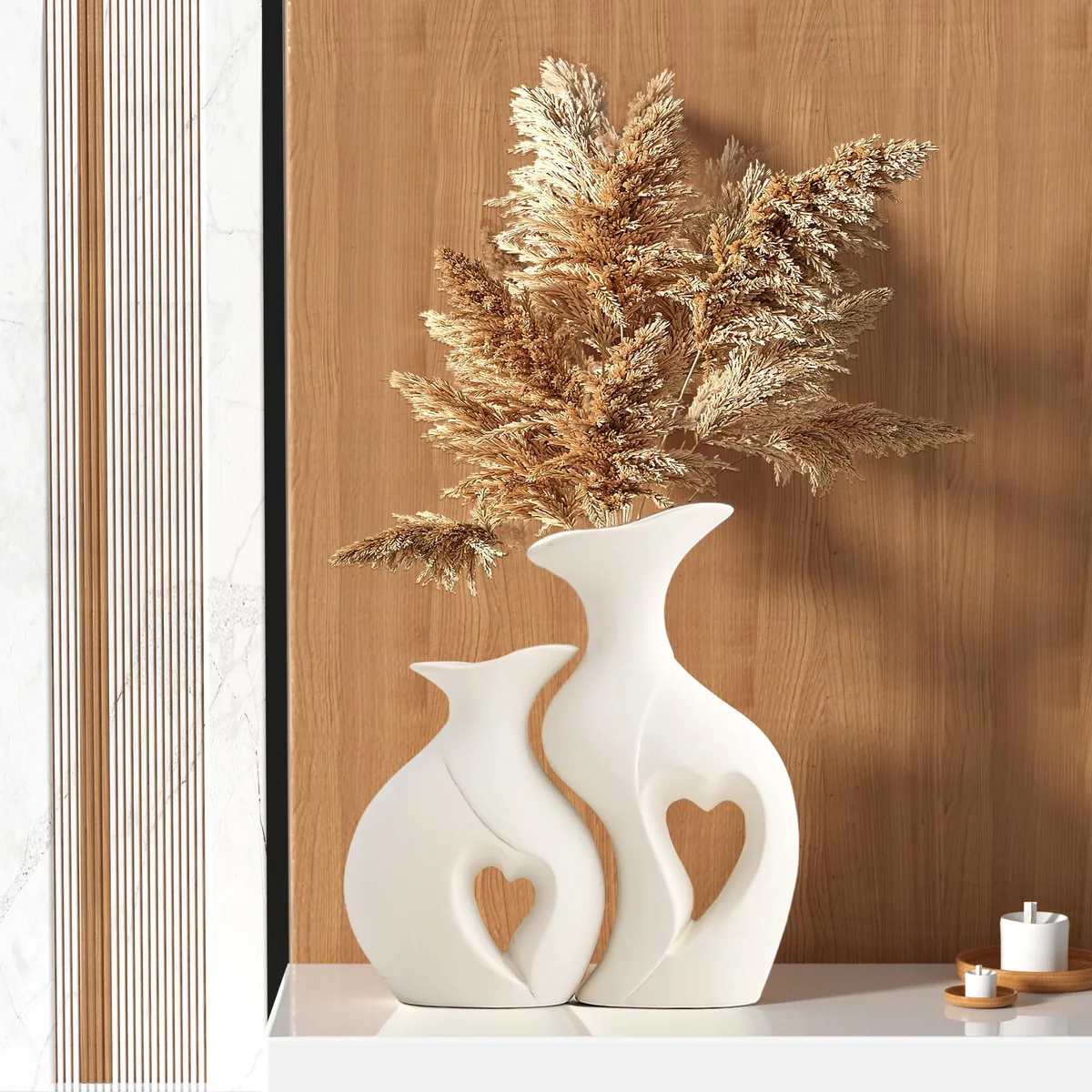
Image source: Web (Bing) / amazon.com (Web image (fair-use with source credit))
Quick Answer
You should decorate with vases by mixing different heights. Use the rule of odds for groups of three. Match vase material to your existing room style.
Keep large vases on the floor or tables. Use small vases on bookshelves or narrow ledges. Empty vases often look better than crowded ones.
The Art of Visual Weight: Why Vases Are Your Best Styling Tool
Vases provide visual weight, which is the perceived heaviness of an object in your space. A dense ceramic vase feels grounded, while a thin glass one feels airy. You can use these pieces to balance your room.
If a coffee table looks too flat, a tall vase adds necessary vertical lines. You don't need expensive art to change a room's look. Vases offer a low-cost, high-impact solution for most homeowners.
Start by looking at the empty space you want to style. Note if the area feels heavy or light. If you have heavy wooden furniture, balance it with glass or metal vases.
The Anatomy of a Perfect Vignette: Scale, Shape, and Proportion
Proportion is the relationship between the size of your vase and the surface it occupies. A tiny vase on a long console table gets lost. A massive vase on a small side table feels overwhelming.
Look for a balance where the vase occupies about one-third of the vertical space on a shelf. The shape should also complement your furniture. Round tables often look better with angular, square vases to provide contrast.
| Surface Type | Recommended Vase Height | Ideal Vase Shape |
|---|---|---|
| Coffee Table | 6 to 10 inches | Shallow or wide |
| Bookshelf | 10 to 14 inches | Tall and thin |
| Dining Table | Under 8 inches | Minimalist |
Mastering the Rule of Odds: Grouping for Visual Harmony
The rule of odds suggests that objects grouped in odd numbers appear more natural. Three items create a visual triangle that is easier for the brain to process. It feels more dynamic than an even pair.
Try grouping vases of different heights together. Place the tallest in the back, the medium to the side, and the shortest in the front. This creates depth and keeps the eye moving across your display.
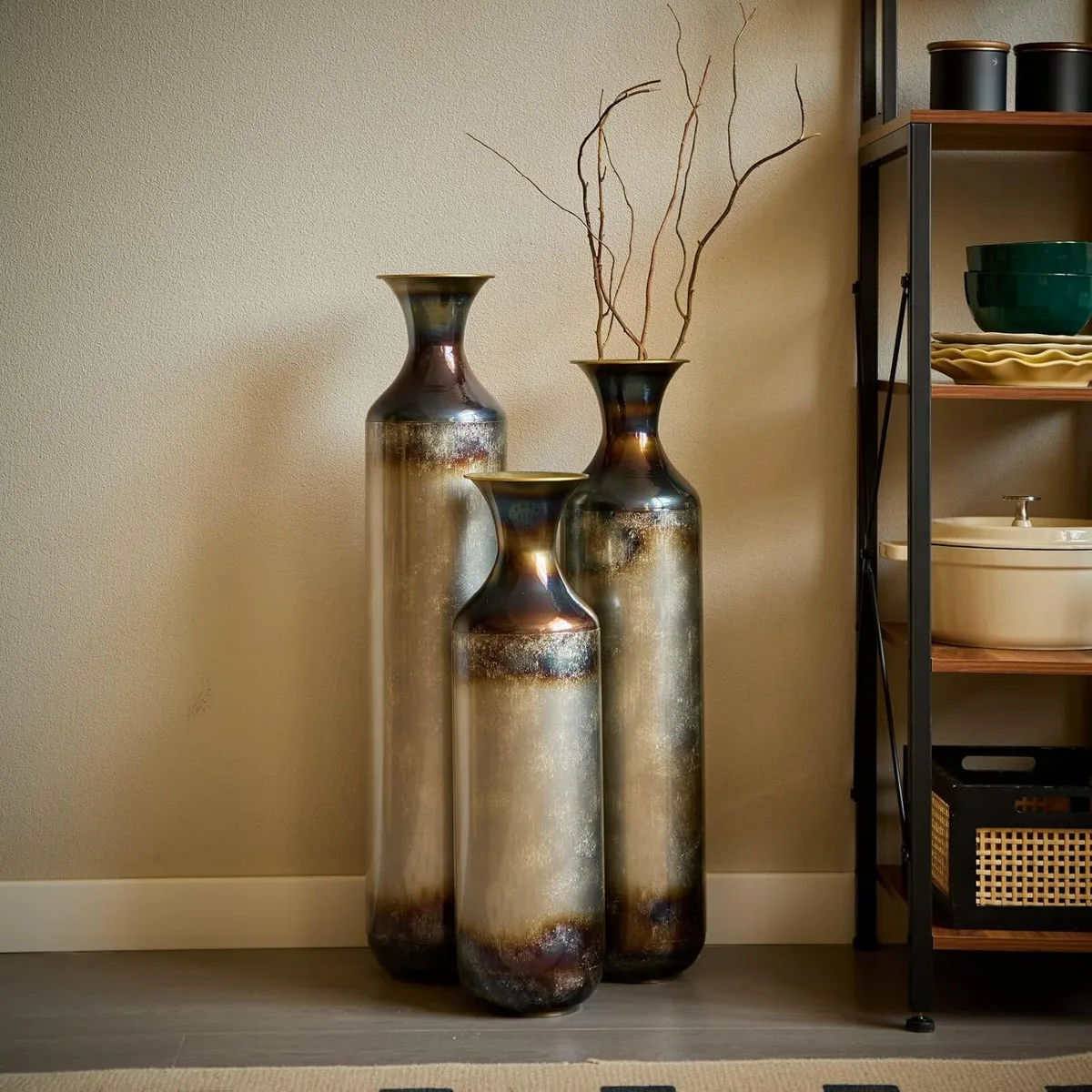
Image source: Web (Bing) / trivia.elpopular.pe (Web image (fair-use with source credit))
Don't worry about perfect symmetry. Often, slightly off-center arrangements look more intentional. Space them out slightly to allow each piece to breathe.
This prevents the clutter look that happens when items touch.
Surface-Specific Styling: Where to Place Your Vases for Maximum Impact
Your choice of surface determines the function of your vase. Entryway tables are perfect for statement pieces. You want something that greets guests but doesn't take up all your landing space.
Dining tables need low profiles. You want to see the person sitting across from you. If you choose a large vase here, keep it to one singular, slim piece.
Shelving units benefit from height. A tall, thin vessel acts as a bookend for your collection. It breaks up the horizontal lines of shelves and adds a professional, architectural feel.
Texture and Material Contrast: The Secret to a Professional Look
Texture adds character to a room. If your home has many smooth, reflective surfaces, look for raw or matte ceramics. This contrast makes a space feel layered.
A rough terracotta vase next to a sleek glass lamp creates a point of interest. It shows that you’ve thoughtfully combined different elements. You don't want everything to look the same.
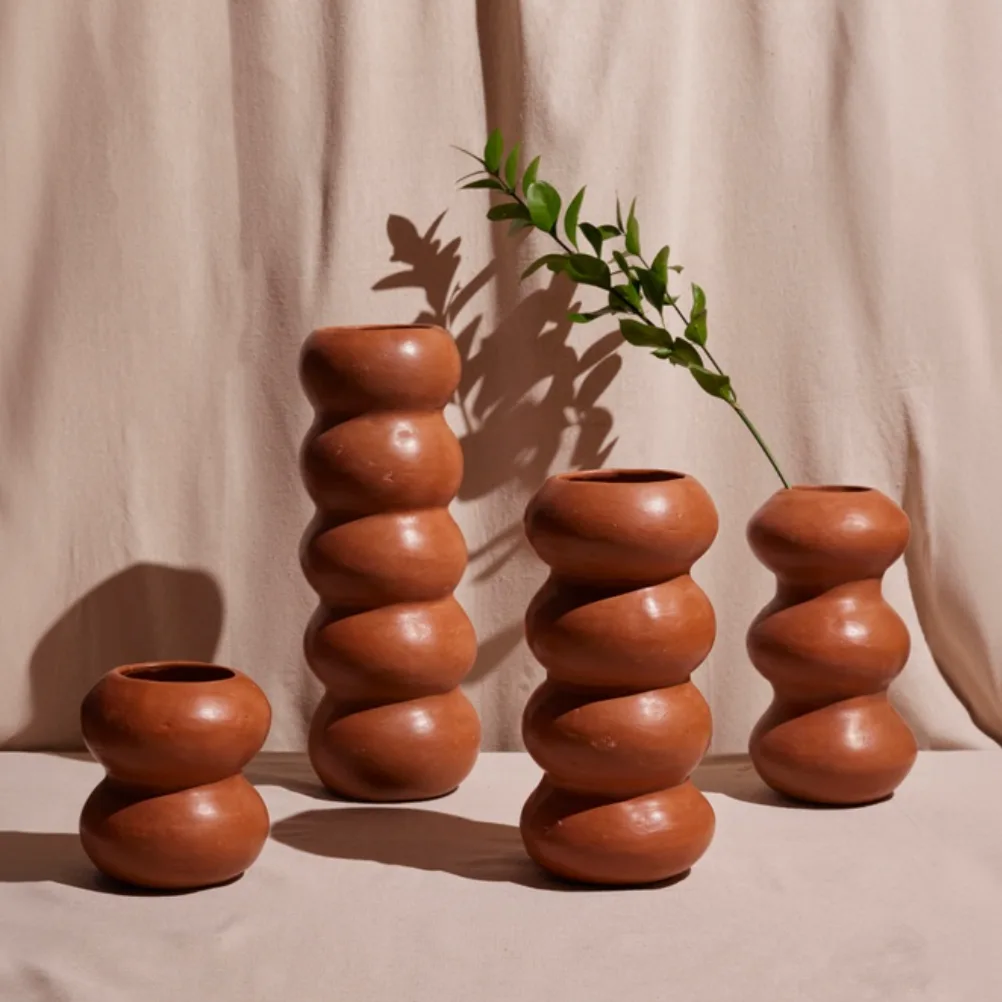
Image source: Web (Bing) / pinterest.com (Web image (fair-use with source credit))
Consider how light hits your materials. Glass vases reflect light, which helps in darker corners. Matte materials absorb light, which is useful in bright, sunny spots.
Choose based on your room's natural lighting levels.
Avoiding Common Decorating Pitfalls: When Less is Actually More
The most common mistake is over-styling by crowding a surface with too many objects. You want your display to look curated, not like a storage shelf for extra decor. If you feel like something is wrong, take everything off the surface.
Add items back one by one. Often, you will realize that a single, high-quality vase looks better than three cheap ones.
Avoid creating a wall of vases that blocks your line of sight. Your decor should enhance the room, not act as a barrier to conversation. If you struggle with placement, try moving your pieces to a different wall or table.
A change of perspective usually highlights exactly where the balance is failing.
Expert Tips for Styling Vases With (or Without) Florals
You do not need fresh flowers to make a vase look finished. In fact, many modern designs prioritize the sculptural form of the vessel over what goes inside it. If you choose to use greenery, keep your arrangements simple.
A few branches of eucalyptus or a single large leaf often provide more impact than a dense bouquet. This keeps the maintenance low and the visual appeal high.
For fresh florals, trim your stems so they aren't twice the height of the vase. This prevents the arrangement from looking top-heavy or prone to tipping. If you use dried botanicals, ensure they stay away from direct heat sources.
This prevents the material from becoming brittle or discolored over time.
Frequently Asked Questions About Vase Styling
How do I clean deep vases?
Fill your vase with warm water and a drop of mild dish soap. Add a handful of uncooked rice and swirl it vigorously to scrub the interior walls. Rinse thoroughly with clean water and let it air dry completely.
This method removes residue without scratching delicate materials like glass or ceramic.
Can I mix different vase materials in one group?
Yes, mixing materials is exactly how you create professional-level depth. Combine smooth glass with rough stone or matte ceramic to build interest. Just ensure there is one common thread in your group.
This could be a shared color palette, a similar shape, or a consistent scale between the pieces.
Should my vase match the furniture color?
Your vase does not need to match the color of your furniture. It is often better to use a contrasting tone to make the piece stand out as a focal point. Use neutral-colored vases if your furniture is brightly patterned.
Use bold, colored vases if your furniture is neutral or solid.
How often should I change my vase display?
You should change your display whenever the room starts to feel stagnant or seasonal light changes. Moving pieces from one room to another can make them feel new again. There is no set schedule for refreshing decor, but a seasonal rotation keeps your home feeling intentional and current.