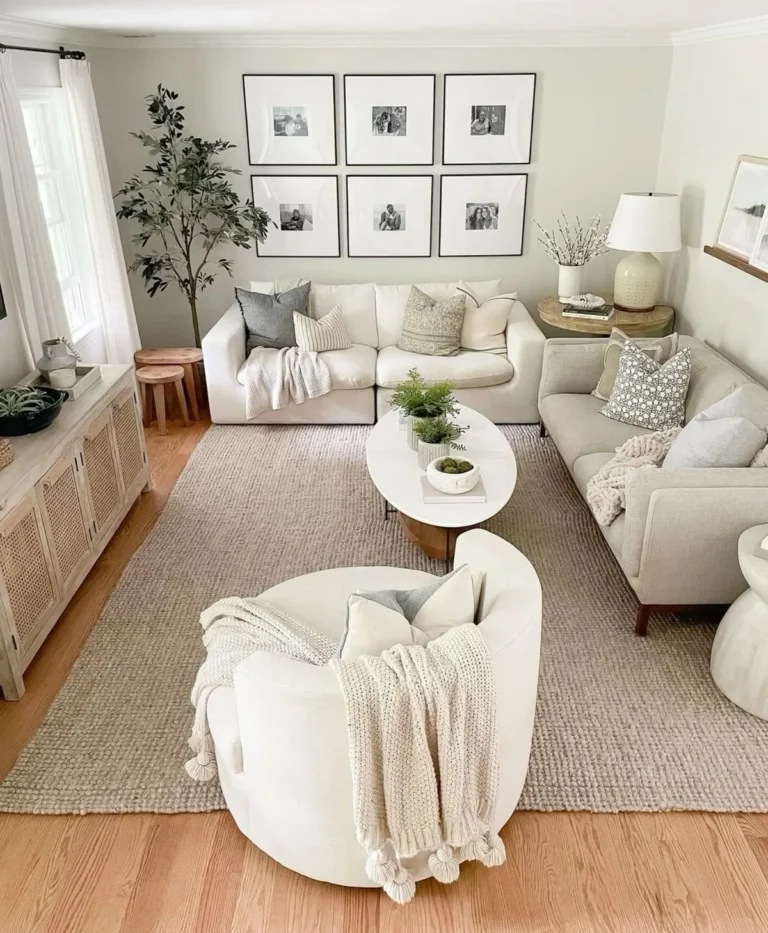
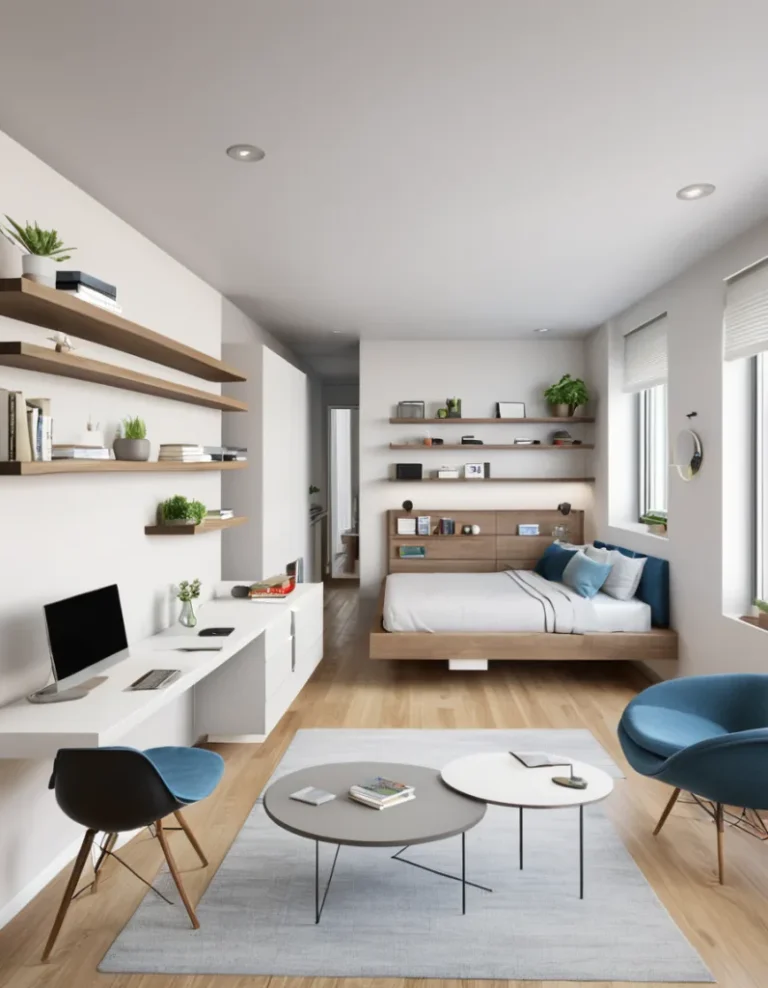
How to Decorate a Small Living Room
Making a space feel expansive doesn’t require a wrecking ball or a massive renovation budget. Learning how to decorate a small living room is really about managing how your eyes move across a space.
Focusing on scale, light, and open floor space helps you transform a cramped area into a sanctuary. As of 2026, design experts recommend keeping furniture proportions under 60% of your total floor area to maintain flow.
Quick Answer
Knowing how to decorate a small living room starts with smart planning. Move furniture away from walls to create better flow. Use high-mounted curtains to make ceilings feel taller.
Keep surfaces clear to minimize visual clutter. Choose pieces with legs to expose more floor area. These simple steps instantly make any small room feel significantly larger.
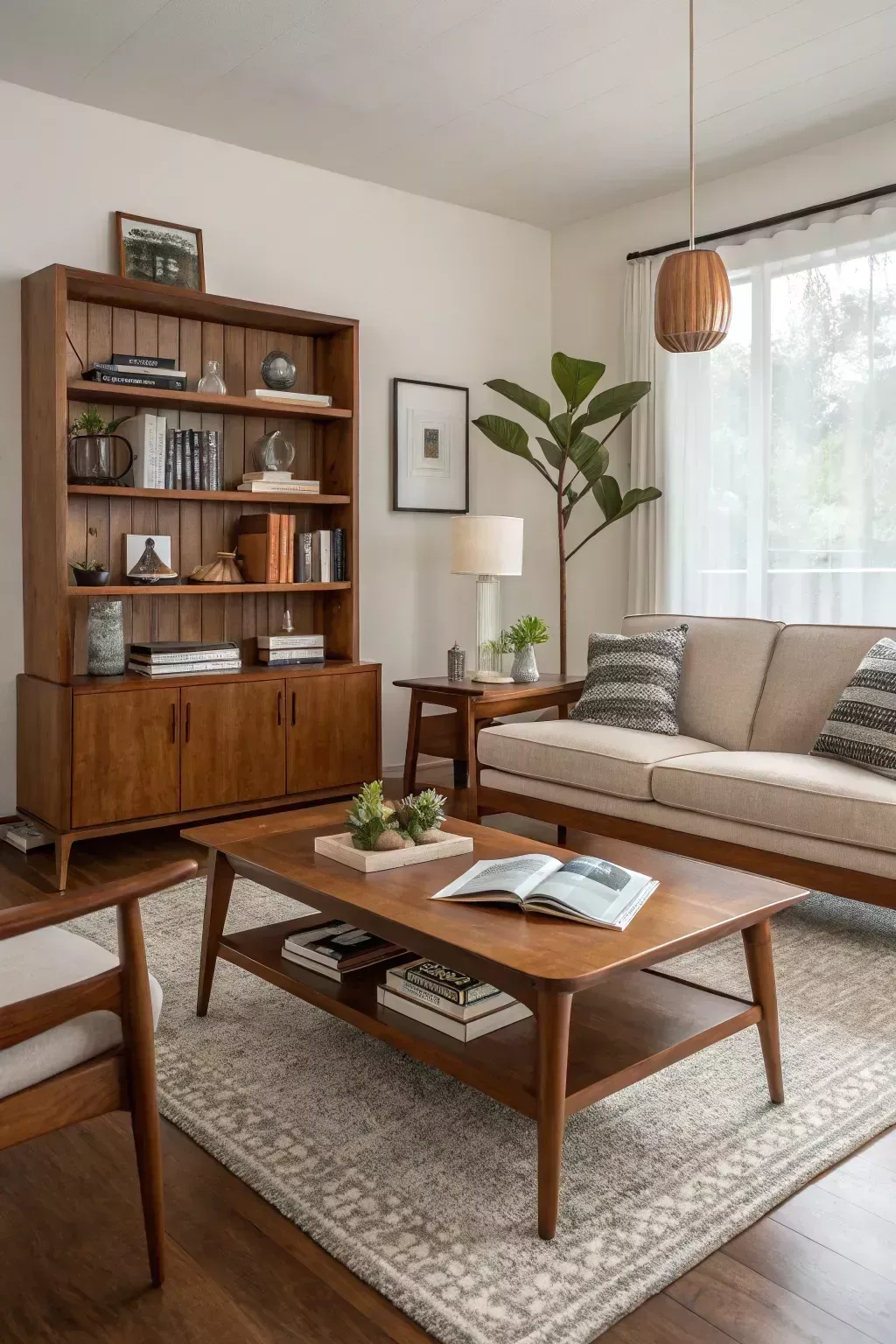
Image source: Web (Bing) / storage.googleapis.com (Web image (fair-use with source credit))
The Small Room Trap: Why Your Furniture Isn't the Problem
Many people believe that buying smaller furniture is the only fix for a tiny room. Our research shows that overstuffing a space with tiny, undersized items often makes a room look like a dollhouse. This can actually emphasize the small dimensions rather than hiding them.
Instead, look for a few well-scaled pieces that fit the room's proportions comfortably. A single, properly sized sofa feels much more intentional than three small, mismatched chairs. If you choose a focal point, like a sofa, keep the rest of the furniture secondary to maintain balance.
The biggest culprit for a cramped feeling is rarely the size of the sofa itself. It is usually the lack of clear pathways for movement. If you have to shuffle sideways to reach the window, your room layout is working against you.
Focus on creating one clear, direct path from the entry to the main seating area.
Visualizing Space: How to Trick the Eye for Maximum Breathability
Your brain perceives space based on how much floor it can see at once. When you block the floor with solid-base furniture or heavy rugs, you effectively shrink the room. A great design trick is to prioritize pieces with exposed legs or open, airy frames.
Transparency is another effective tool in your kit. A coffee table made of glass or thin metal feels invisible compared to a heavy wood trunk. Since the eye passes right through the material, your brain registers the floor area beneath the table as usable space.
| Furniture Type | Best Design Choice | Why It Works |
|---|---|---|
| Sofa | Raised on tapered legs | Increases visible floor surface |
| Coffee Table | Glass or open frame | Maintains visual continuity |
| Storage | Wall-mounted shelves | Clears the floor plane |
Consistency in your color palette also helps. If your walls and large furniture items share similar tones, the boundaries of the room soften. This creates a sense of cohesion rather than a series of choppy, disconnected blocks.
Breaking the Perimeter: Master the Art of Floating Your Furniture
Most people instinctively push every piece of furniture against the walls to leave the center open. This creates a large, empty void in the middle of the room that feels cold and disconnected. Floating your furniture changes the entire dynamic of the living space.
Pull your sofa away from the wall by at least six to twelve inches. This simple gap creates a shadow line that makes the sofa look like it occupies a distinct zone. If the room is large enough, angling chairs toward the sofa creates a dedicated conversation circle.
Image source: Web (Bing) / exorigyyr.blob.core.windows.net (Web image (fair-use with source credit))
You can also use this technique to define areas in a studio apartment. Placing a sofa with its back to a kitchen area acts as a natural room divider. This separates your living and dining areas without needing solid walls.
Always check your local fire safety codes, found at sites like the National Fire Protection Association, to ensure your layout keeps exits clear.
Vertical Optimization: Drawing the Eye Upward to Expand the Room
When the floor space is limited, the only way to go is up. Most decorators ignore the top two-thirds of the wall, which leaves the room feeling horizontally compressed. By drawing the eye upward, you create the illusion of higher ceilings.
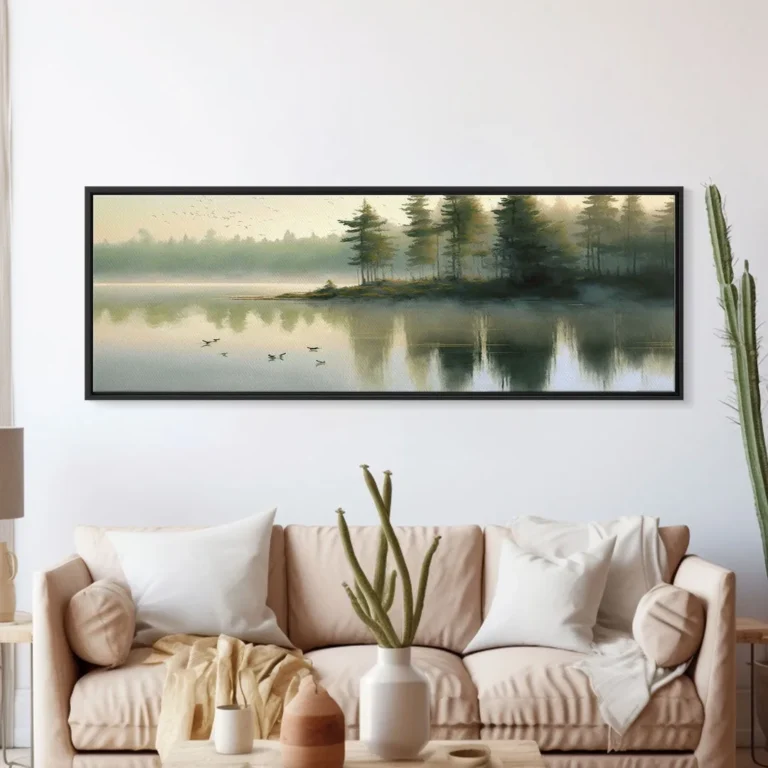
Install your curtain rods as high as possible, just a few inches below the ceiling line. This adds vertical lines to the wall, which naturally pulls the gaze toward the top of the room. Full-length curtains that touch the floor create a clean, continuous line that makes the space feel taller.
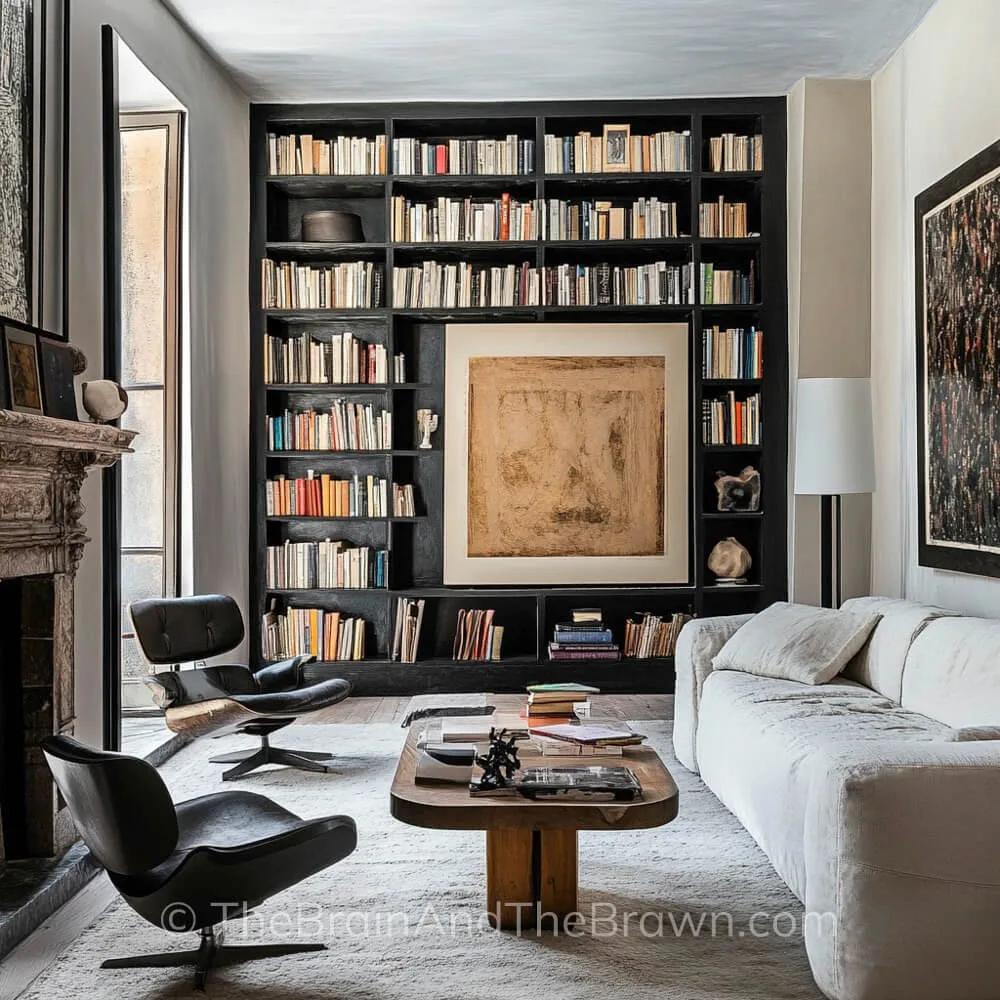
Image source: Web (Bing) / fity.club (Web image (fair-use with source credit))
Consider these vertical strategies for better organization:
- Use tall, narrow bookcases to store items without occupying a large floor footprint.
- Mount wall sconces to provide light without needing floor-standing lamp bases.
- Hang large-scale art higher than eye level to force the viewer to look up.
The Editing Phase: Why Less Really Is More
Editing is the most difficult part of decorating a small room. We often feel compelled to fill every corner with decor, but this quickly leads to visual saturation. A room with too many knick-knacks will always feel smaller, regardless of your furniture layout.
Adopt a "one-in, one-out" policy for your decor items. If you add a new piece of art, remove an old one. This keeps the total volume of objects in the room steady.
Keep your flat surfaces like side tables clear of unnecessary stacks of magazines or remote controls.
Intentional negative space is a design element, not a lack of effort. When you leave a surface empty, you create a visual resting place for the eye. This sense of order makes the room feel calm and purposeful.
If you aren't sure if an item should stay, remove it for a week to see if you actually miss its function or beauty.
Lighting and Layers: Crafting Ambiance Without the Clutter
A single overhead light source is the primary reason many rooms feel small, dim, and uninspired. Relying on one ceiling fixture creates harsh shadows in the corners, which visually pushes the walls inward. Instead, aim to have at least three distinct sources of light distributed throughout the space.
Layering light allows you to control the mood and highlight specific zones without adding bulky fixtures. Start with ambient lighting for general illumination, then add task lamps for reading or specific work areas. Finally, use accent lighting to draw attention to art or architectural details.
| Lighting Type | Best Placement | Function |
|---|---|---|
| Floor Lamp | Beside a chair | Direct light for reading |
| Wall Sconce | Beside the sofa | Saves table surface space |
| Table Lamp | On a bookshelf | Adds depth to dark corners |
Avoid using floor lamps with wide, heavy bases that clutter your floor space. Wall-mounted sconces are a superior choice for small rooms because they provide high-quality light while leaving your floor and side tables completely empty. If you are renting, look for plug-in sconces that don't require professional electrical work.
Always use warm light bulbs, preferably in the 2700K to 3000K range. Cooler, blue-toned light can make a small room feel sterile and uncomfortable, while warm light creates a soft, inviting atmosphere. By illuminating the corners of your room, you extend the perceived boundaries and make the entire space feel more expansive.
Frequently Asked Questions About Small-Space Decorating
Can a large rug make a small room feel bigger?
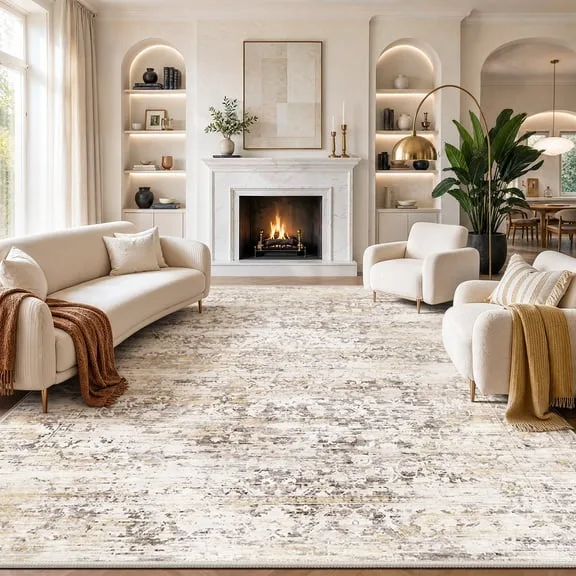
Yes, a large rug can significantly expand a room if you choose the right size. Most people make the mistake of using a rug that is too small, which creates a disconnected island of furniture. A rug should be large enough for the front feet of your sofa and chairs to rest on it, effectively anchoring the entire seating area together.
How do I choose the right color for a small living room?
Light, neutral colors reflect more natural light and help blur the edges of the room. You don't have to paint everything white, but sticking to a monochromatic palette keeps the space from feeling choppy. If you want to add color, use it in small, concentrated doses through pillows or throw blankets.
This adds personality without overwhelming the small footprint.
Should I use mirrors to make my room look larger?
Mirrors are one of the most effective tools for creating the illusion of extra depth. Place a mirror directly opposite a window to capture natural light and bounce it back into the rest of the space. This trick makes the wall feel more like a doorway to another area, which significantly reduces the sense of being enclosed.
What is the biggest mistake people make in small rooms?
The most common mistake is failing to account for traffic flow. Even the most beautiful furniture arrangement will feel frustrating if you have to weave through a maze to get across the room. Always leave at least 30 inches of space for major walkways.
A room that functions well will always feel larger than a room that is merely decorated for show.