How to Decorate a Bedroom Wall
Learning how to decorate a bedroom wall effectively transforms a flat surface into a focal point that reflects your personal style. You can create a restful environment by focusing on scale, lighting, and balanced placement rather than just filling empty space.
Strategic choices prevent a cluttered look while maintaining a cohesive, professional aesthetic. Research suggests that following established spatial standards, like the 60-inch eye-level rule, significantly improves visual harmony in residential interior design. Let’s look at how to get started.
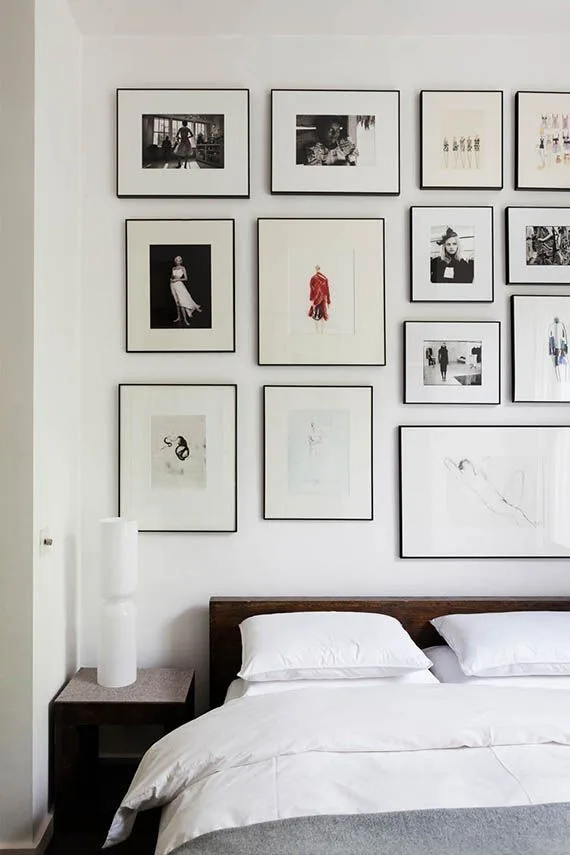
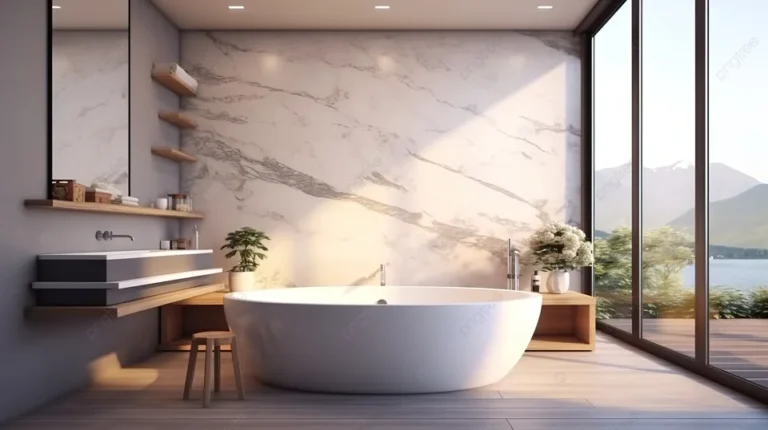
Image source: Bing (Web (fair-use with source credit))
Quick Answer
Decorating a bedroom wall requires intentional placement and scale. Choose a focal point first. Use the 60-inch rule for hanging art.
Layer lighting for added depth. Keep negative space to prevent clutter. Simple changes create a professional look.
Understanding Your Wall’s Potential: The Role of Scale and Proportion
Visual weight determines how a wall feels once it is decorated. An oversized piece of art or a large-scale wall treatment grounds the entire room. Conversely, tiny items scattered across a wide wall create visual noise.
Scale should always correspond to the wall size and the furniture below it. For example, the art above a headboard should ideally span at least two-thirds the width of the bed. This proportion creates a balanced look that feels purposeful rather than accidental.
Professional designers often look for negative space as a primary tool. You do not need to cover every square inch of the wall. Leaving blank space allows the eye to rest, which is essential for a relaxing bedroom atmosphere.
Essential Tools and Techniques for Professional-Looking Results
Preparation is the most common point of failure for DIY wall projects. Using the right tools ensures that your decor stays secure and level. Skipping these basics leads to crooked art and unnecessary damage to your drywall.

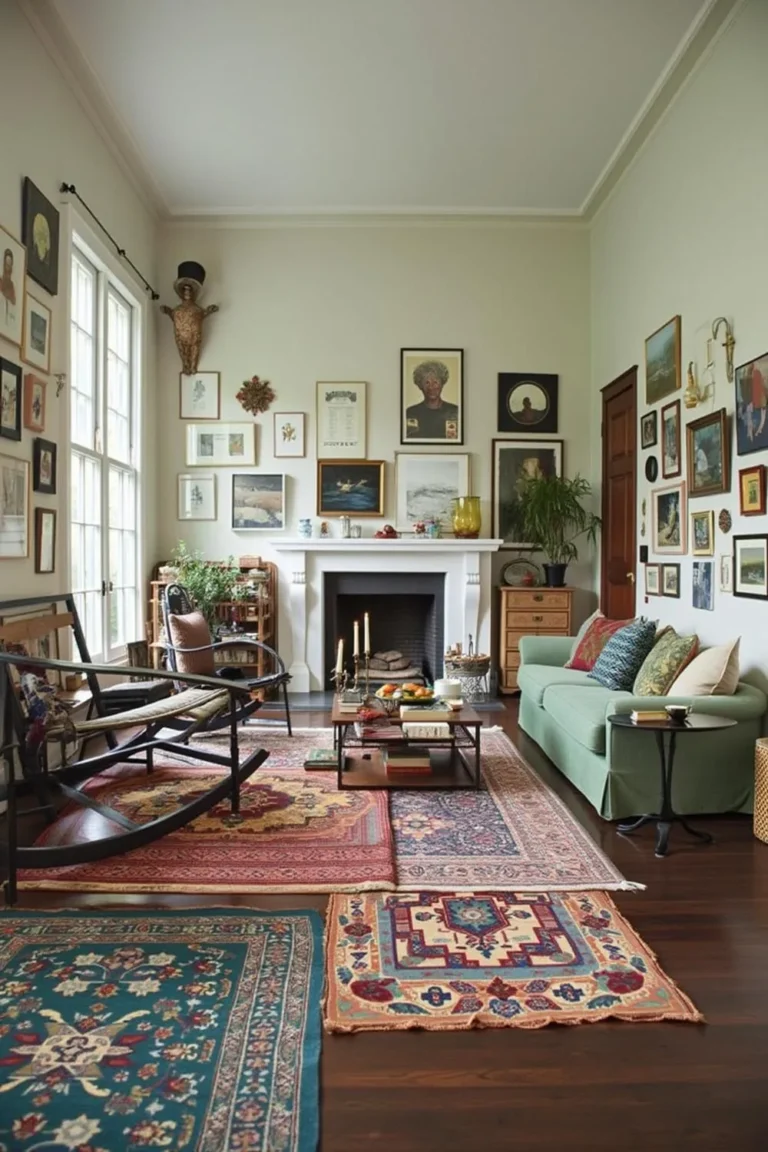
Image source: Bing (Web (fair-use with source credit))
- Laser level: Projects a perfectly straight line across the wall for multi-piece arrangements.
- Stud finder: Detects wall studs to ensure heavy items are anchored safely into wood.
- Painter's tape: Allows you to map out your layout before making any holes.
- Drywall anchors: Essential for securing hardware in areas where a stud is not available.
Always consult manufacturer specifications regarding the weight capacity of your anchors and hooks. Per the National Institute of Standards and Technology guidance on measurement and safety, verifying your dimensions twice before drilling prevents costly repairs. Clean the wall surface lightly before applying any adhesive-backed decor to ensure maximum bond strength.
The Designer’s Guide to Choosing Your Wall Treatment
Choosing a treatment depends on the mood you want to evoke. Paint remains the most versatile option for changing a room's character without structural work. Darker colors create intimacy, while lighter tones open up smaller bedrooms.
Wallpaper has evolved into a reliable way to add texture and depth. Today’s options include peel-and-stick variants that are easy for renters to install and remove. If you prefer a structural look, wood slats or wainscoting add architectural interest that paint alone cannot achieve.
| Treatment Type | Difficulty | Best Used For |
|---|---|---|
| Paint | Low | A quick, dramatic color shift. |
| Peel-and-Stick Paper | Medium | Adding pattern without permanence. |
| Wood Slat Panels | High | Modern texture and acoustic warmth. |
| Gallery Wall | Medium | Displaying personal collections. |
Mastering Spatial Layout and the 60-Inch Rule
The 60-inch rule is the gold standard for hanging artwork in home interiors. This guideline suggests placing the center of your art piece exactly 60 inches from the finished floor. This height aligns with the average person's eye level when standing.
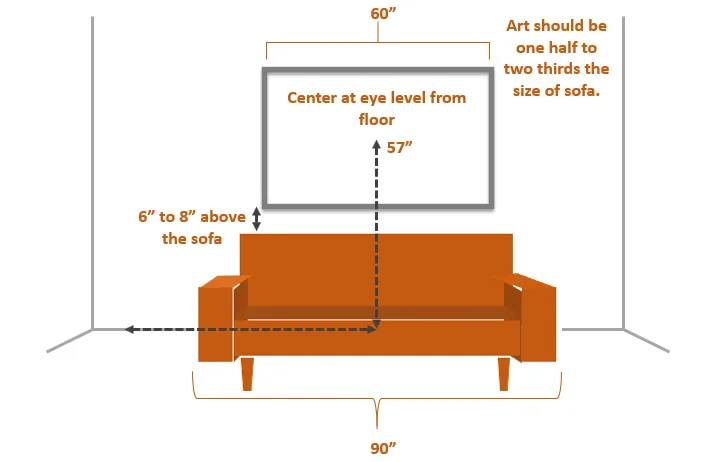
Image source: Web (Bing) / michaelhelwiginteriors.com (Web image (fair-use with source credit))
When grouping multiple frames, treat the entire collection as a single unit. Measure to the center of the group rather than the center of individual pieces. This maintains a consistent aesthetic flow that feels curated.
Avoid hanging art too high, which is a frequent mistake that separates the decor from the rest of the furniture. If you are hanging art over a bed, keep it low enough to anchor the headboard. Ideally, the bottom of the frame should sit about 6 to 10 inches above the top of your headboard.
The Impact of Layered Lighting on Wall Decor
Lighting fundamentally alters how wall treatments and textures appear. A single overhead light often casts flat, harsh shadows that make decor look lifeless. Layered lighting involves using multiple sources to create pools of light that emphasize your chosen wall decor.
- Picture lights: Specifically designed to illuminate art without creating distracting glare.
- Wall sconces: Ideal for flanking a bed, providing both task lighting and aesthetic warmth.
- LED strip lighting: Best for hidden installation behind headboards or wall panels to create a glow.
Color temperature plays a vital role in your wall's final appearance. Use warm bulbs in the 2700K to 3000K range to keep the room feeling comfortable and soft. Cool-toned light often makes colored paint or wallpaper look sterile or washed out.
Proper lighting transforms a simple wall into a curated display.
Common Mistakes That Ruin the Look of Your Bedroom
The most frequent error is hanging art too high above furniture. When art sits at eye level while you are standing, it feels disconnected from the bed. A better approach keeps pieces lower, linking them visually to your headboard or nightstands.
Another common pitfall is ignoring the wall's texture or finish before adding decor. Shiny art frames against high-gloss paint often create distracting reflections that hide the subject matter. Matte finishes generally offer a more sophisticated, gallery-like appearance.
Clutter also sabotages a peaceful bedroom vibe. If you have too many small, unrelated items, the wall will feel chaotic rather than styled. Focus on a singular large focal point or a tight, cohesive group of frames to maintain a sense of order.
Finally, relying on incorrect hardware compromises safety. Always use anchors appropriate for your wall type, such as drywall toggles or masonry plugs. Checking for hidden wiring or pipes before drilling is a non-negotiable step to prevent significant home damage.
Frequently Asked Questions About Bedroom Wall Styling
How do I hang heavy art without damaging the wall?
Use heavy-duty wall anchors rated for the specific weight of your art. If you are worried about damage, look for high-strength adhesive mounting strips that support significant weight. Always test the manufacturer’s weight limits before trusting an adhesive solution.
What is the best way to arrange a gallery wall?
Map out your arrangement on the floor first to test the spacing. Aim for two to three inches between each frame for a balanced look. Keep the exterior edges of the entire group aligned to create a clean, intentional silhouette.
Can I decorate a wall if I am renting?
Yes, you can use removable adhesive hooks or tension-mounted shelving systems that require no drilling. Many peel-and-stick wallpapers are specifically designed for easy removal without leaving residue. Always test a small, hidden section of your wall before applying large-scale adhesive products.
Should I match my wall decor to my bedding?
You don't need to match them exactly, but they should share a common color palette or mood. Use one accent color from your bedding in your wall decor to tie the whole room together. This creates a professional, pulled-together feel without looking overly staged.
How often should I change my wall decor?
There is no set timeline, but seasonal refreshes keep your bedroom feeling current. Small changes like swapping out prints in existing frames or adding a new decorative textile can significantly impact the mood. Update your decor whenever you feel the room no longer reflects your personal comfort needs.