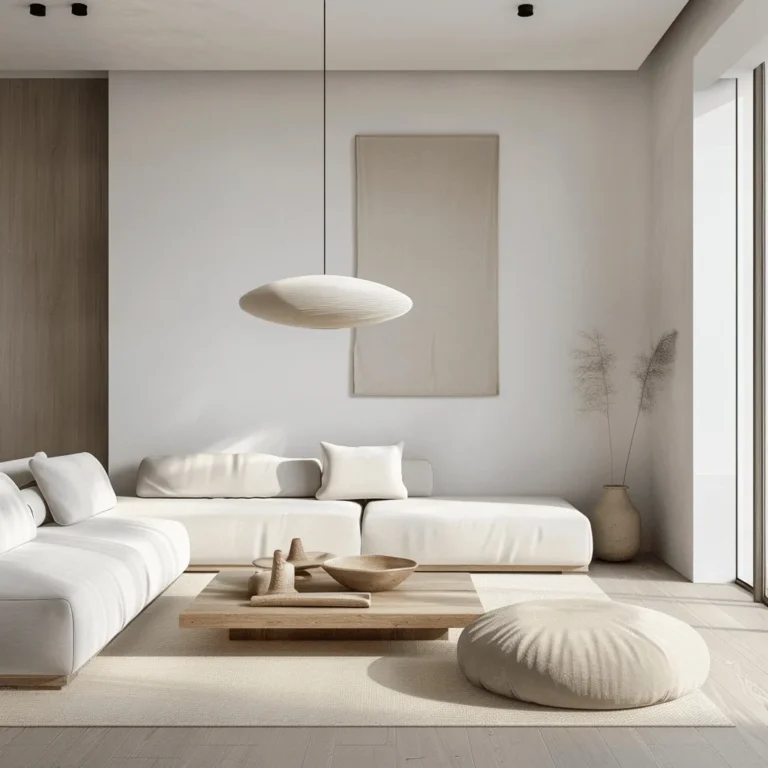
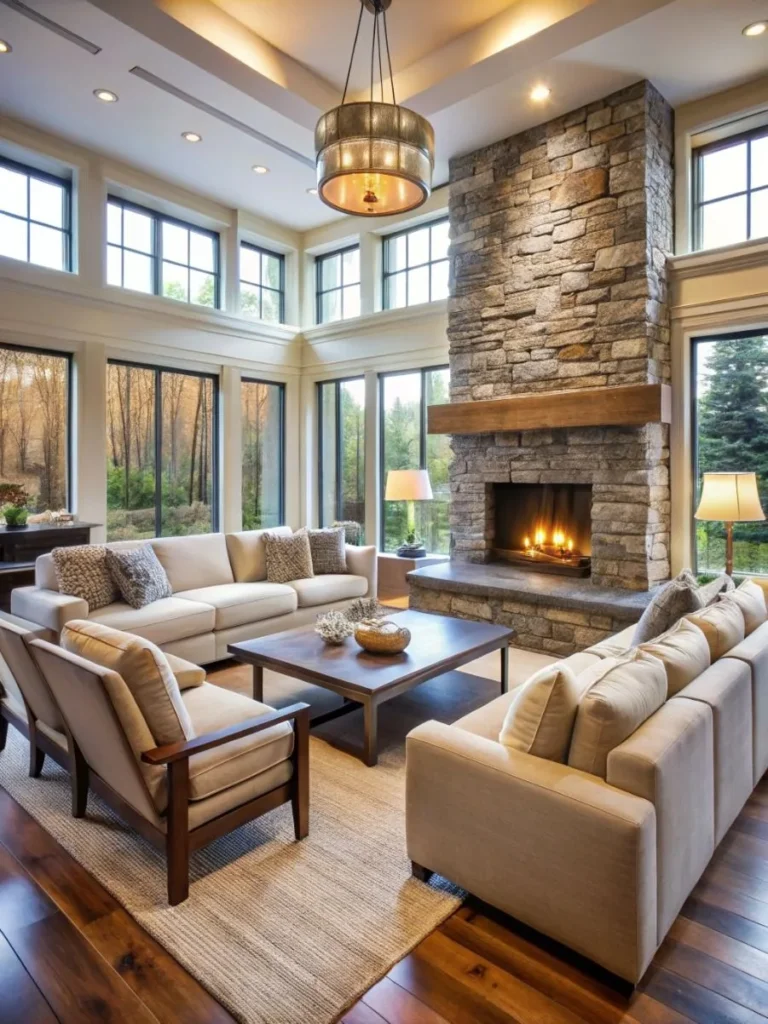
How to Choose a Living Room Coffee Table
Choosing the right coffee table is all about balancing your room's floor plan with your daily habits. If you’ve ever felt like your living room setup is just slightly off, you likely have a mismatch between your seating dimensions and your table surface.
Understanding how to choose a living room coffee table requires looking at both spatial math and material durability. By matching the height and scale of the table to your existing sofa, you create a space that feels curated rather than cluttered.
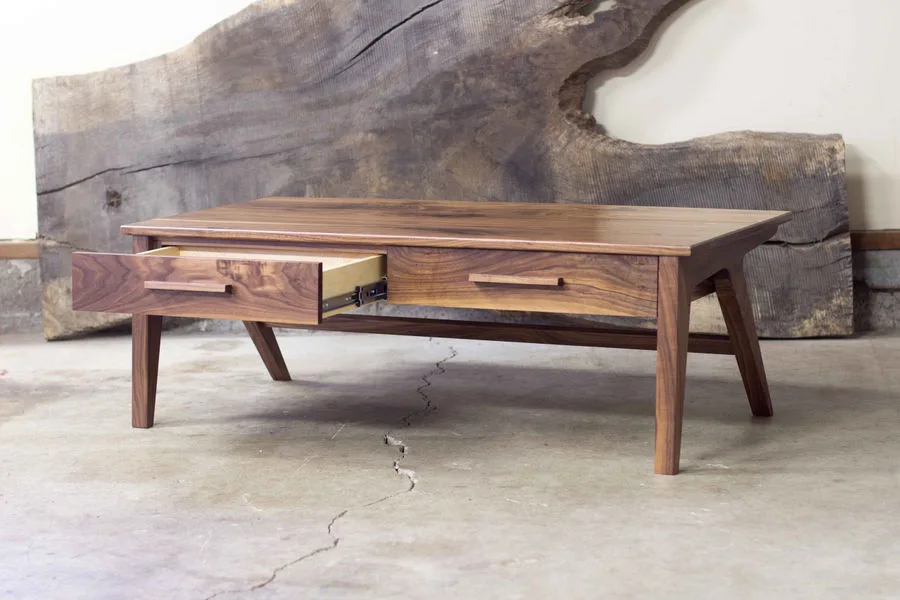
Image source: Bing (Web (fair-use with source credit))
Quick Answer
Choose a coffee table within two inches of your sofa seat height. Keep the length at roughly two-thirds of your sofa's total length. Leave 14 to 18 inches of clearance for easy movement.
Select materials based on your daily household traffic and usage needs. These measurements ensure comfort and functionality for every living space.
The Hidden Geometry of Living Room Furniture
Your coffee table functions as the anchor for your entire seating area. When you place a table that is either too small or too large, the visual weight of the room feels unbalanced. You should aim for a piece that connects your sofa and chairs without dominating the floor space.
Professional interior designers often refer to the visual footprint of a piece. A table with open legs, such as a metal frame or glass top, makes a room feel larger. A bulky, solid block table adds warmth but can shrink the perception of your floor area.
According to furniture standards published by the American Society of Interior Designers, furniture should facilitate easy circulation. You want your table to feel like a destination for a book or a drink. It should not act as an obstacle course during your evening commute to the couch.
Defining Your Space: The Critical Dimensions of Placement
Before you purchase anything, you must measure the open space in front of your sofa. This area is the activity zone where you’ll be resting your feet or setting down items. If you ignore these dimensions, you will likely face the common issue of trapped traffic flow.
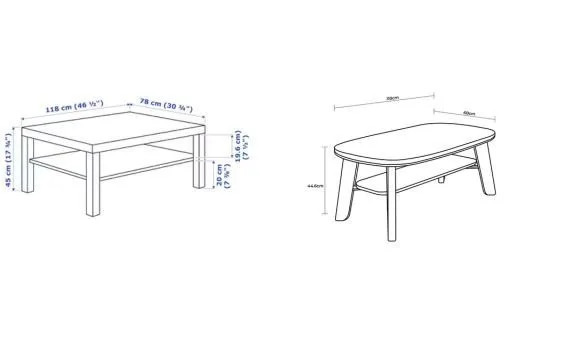
Image source: Bing (Web (fair-use with source credit))
- Sofa Height: Measure from the floor to the top of your seat cushion.
- Table Height: Target a height that is level with your seat, or at most 2 inches lower.
- Clearance Gap: Maintain at least 14 inches between the sofa edge and the table edge.
If your room is narrow, you might need to opt for a smaller or rounder piece to maintain those 18 inches of clearance. A table that sits too close to the sofa creates a cramped, uncomfortable feeling. Conversely, a table placed too far away becomes a useless decorative item that nobody can actually reach while sitting.
Choosing the Right Shape for Your Seating Layout
The shape of your coffee table should mirror the overall shape of your seating arrangement. Rectangular sofas pair naturally with rectangular or oval tables. Large sectional sofas, which often create a deep square nook, benefit from a square or round table to fill the empty middle space.
| Shape | Best For | Benefit |
|---|---|---|
| Rectangle | Standard sofas | Maximizes reach across the seating area. |
| Round | Tight spaces | Softens edges and improves room flow. |
| Square | Large sectionals | Balances the scale of deep seating zones. |
| Oval | High-traffic areas | Eliminates sharp corners for better safety. |
Always consider your traffic patterns when picking a shape. If you have kids running through the living room, rounded or oval tables significantly reduce the risk of painful bumps. Square tables are often the most efficient for filling the void in a sprawling L-shaped sectional.
Matching Materials to Your Real-World Lifestyle
The material of your table determines how much time you will spend cleaning it versus enjoying it. High-traffic households require resilient surfaces that hide wear or clean easily. If you rely on your table as a footrest, you should avoid fragile glass or delicate veneers.
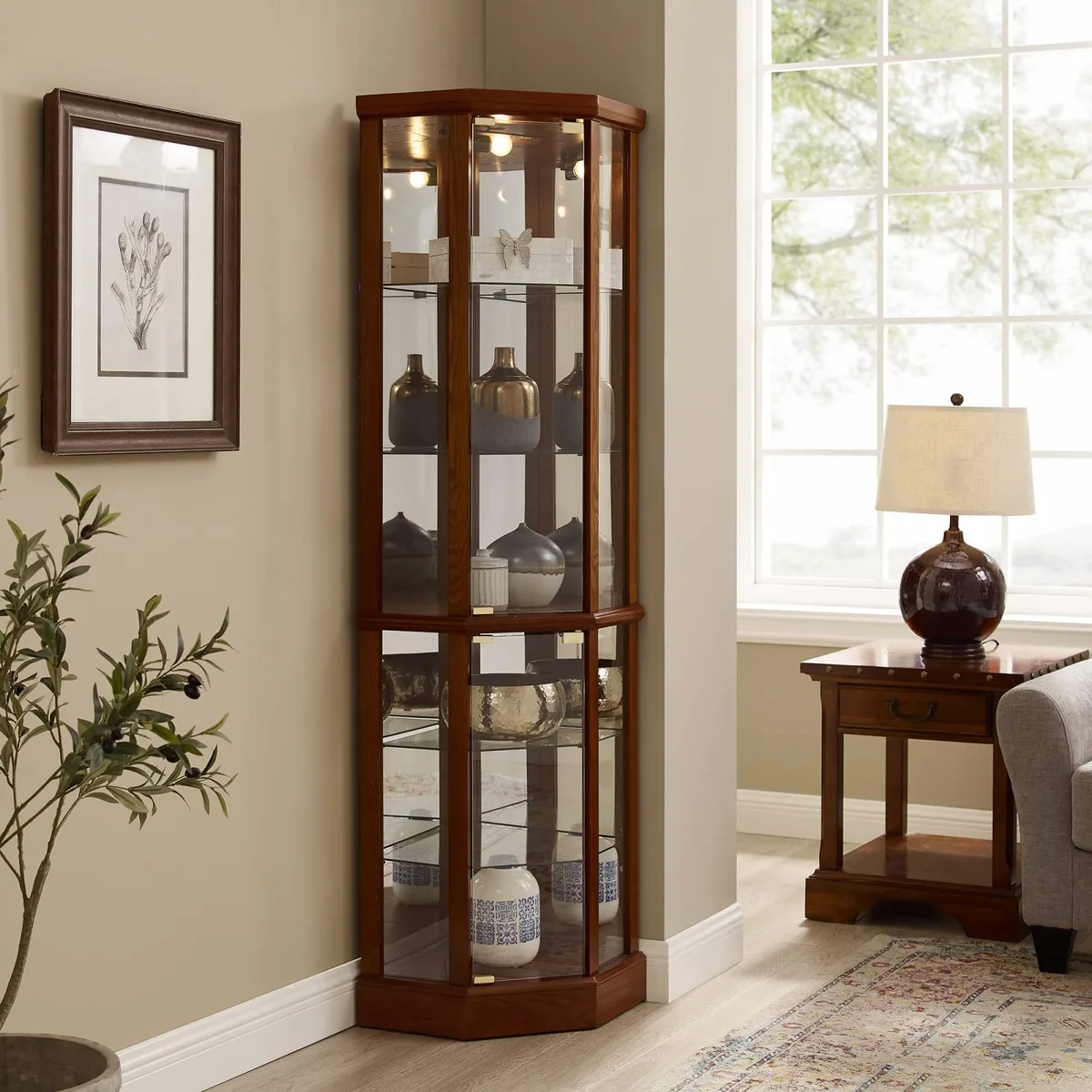
Image source: Web (Bing) / lowes.com (Web image (fair-use with source credit))
- Solid Wood: Classic and durable, wood gains character with light scratches and can be refinished.
- Tempered Glass: Excellent for small rooms, though it shows every fingerprint and dust particle immediately.
- Metal: Highly durable and sleek, but can feel cold or noisy when you set down ceramic mugs.
- Stone/Marble: Heavy and luxurious, but porous surfaces like marble can stain easily if you spill acidic drinks.
If you are concerned about long-term maintenance, consider wood with a matte, distressed finish. It masks daily wear far better than a high-gloss lacquer. If you prefer the look of stone, look for engineered quartz or sealed options that resist moisture absorption.
Navigating Traffic Flow and Functional Clearance
Functional clearance is the most overlooked element of living room design. Your goal is to keep the path between your furniture and your primary walking route clear at all times. If you have to twist your body to squeeze past the edge of your coffee table, the table is too big for the room.
To optimize your traffic flow, try taping the dimensions of your desired table on your floor with painter's tape. Walk around it for a full day. If you find yourself constantly adjusting your stride to avoid the tape, reduce the size of your footprint.
Remember that furniture is often pushed around during parties or gatherings. If you need a more flexible solution, consider nesting tables. You can pull them out when you need surface space and slide them away to regain your floor area.
This keeps the room feeling airy, especially in smaller apartments or high-use family rooms.
Avoiding Common Mistakes That Ruin Room Layouts
The most frequent error is selecting a piece that lacks a clear relationship with the surrounding floor. Many people buy a table they like in isolation without considering the footprint of their existing rug. Your rug should ideally extend at least six inches past the sofa's edge, leaving enough room for your table to sit comfortably on the textile.
Another common pitfall involves choosing a style that ignores the sofa's base. If your sofa has a skirt or ornate legs, a heavy, blocky coffee table can make the entire arrangement look bottom-heavy and cramped. Avoid matching sets where the wood stain of the table perfectly mimics the end tables or TV stand.
This often makes a home look like a showroom floor rather than a curated living space.
Finally, resist the urge to fill every square inch of the living room with furniture. You need negative space to allow the room to breathe. If your coffee table is loaded with too many decorative items, you lose the primary function of the surface.
Keep the styling simple so you have a place for a remote, a beverage, and perhaps one book.
Expert Strategies for Long-Term Maintenance and Styling
Maintaining your table requires understanding the specific finish applied to the material. Wood surfaces often benefit from a mild beeswax or furniture polish to prevent the grain from drying out over time. Always avoid using abrasive cleaners, which can strip away the protective sealant and expose the raw material to water damage.
For styling, think in terms of zones on your tabletop. A tray is your best tool for grouping items, as it creates a portable perimeter that prevents small objects from cluttering the entire surface. Include one item with height, like a sculptural object or a vase, to create visual interest.
Remember to rotate your decor seasonally if you want to keep the room feeling fresh. If you have a glass top, keep a microfiber cloth nearby to handle dust accumulation. Treating your table as a functional surface rather than a museum display ensures it stays useful for years.
You want a piece that handles your daily life without becoming a point of stress.
Frequently Asked Questions
Can a coffee table be taller than the sofa seat?
A taller table usually feels uncomfortable because you have to reach upward to set down a drink. Most ergonomics standards suggest keeping the table at or slightly below the seat height. This creates a natural line of motion for your arm when you are seated.
What should I do if my room is too small for a traditional table?
Consider a C-table or a small ottoman with a hard tray on top. A C-table slides under the edge of your sofa, which saves significant floor space. If you choose an ottoman, you gain a versatile piece that doubles as extra seating when you have guests.
Is it safe to use a glass coffee table with children?
Glass tables are risky if they aren't tempered, so check the manufacturer’s specifications for safety ratings. If you have active children, consider rounded edges and sturdy, reinforced glass to prevent breakage. If you remain concerned, look for acrylic or wood alternatives that eliminate the risk entirely.
How do I stop my coffee table from scratching my floor?
Attach felt pads to the bottom of each leg to prevent damage to hardwood or laminate surfaces. Most modern furniture comes with protective glides, but these often wear down over time. Check your floor contact points every few months to ensure the pads are still intact.