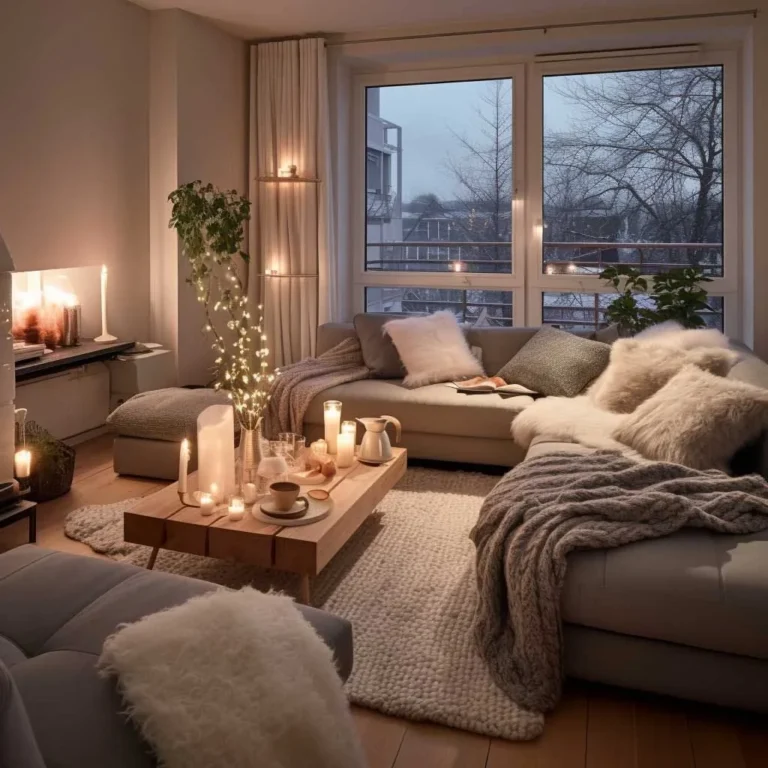
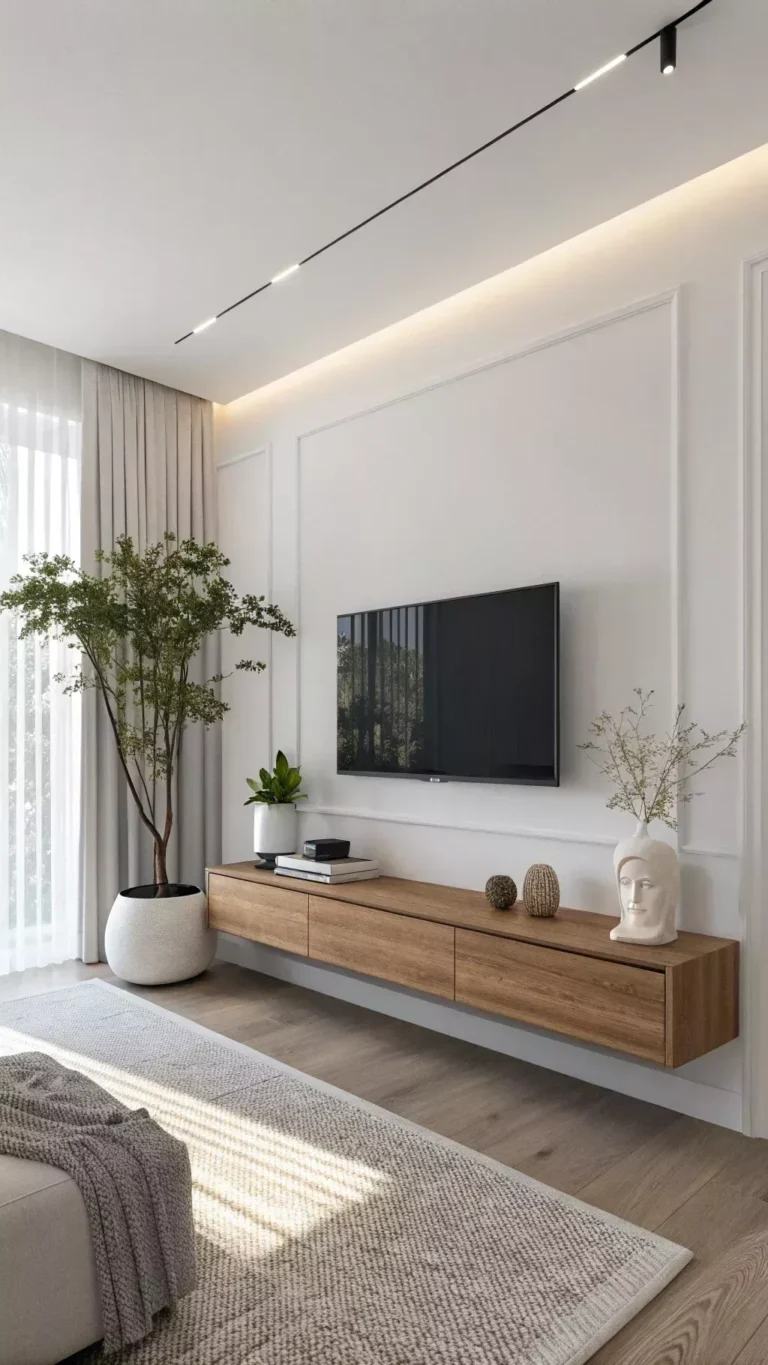
How to Make a Home Look Expensive
You don’t need a massive renovation or a designer budget to make your home feel high-end. Most of the most beautiful homes I’ve stepped into aren't filled with pricey, brand-new furniture. They are filled with intention.
When a space looks expensive, it usually means it feels cohesive, uncluttered, and purposeful.
You don't need a professional budget to replicate these results as of 2026. Focus on clearing surfaces and enhancing natural light to improve your home's aesthetic value. Following these steps helps you create a home that feels curated rather than crowded.
Quick Answer
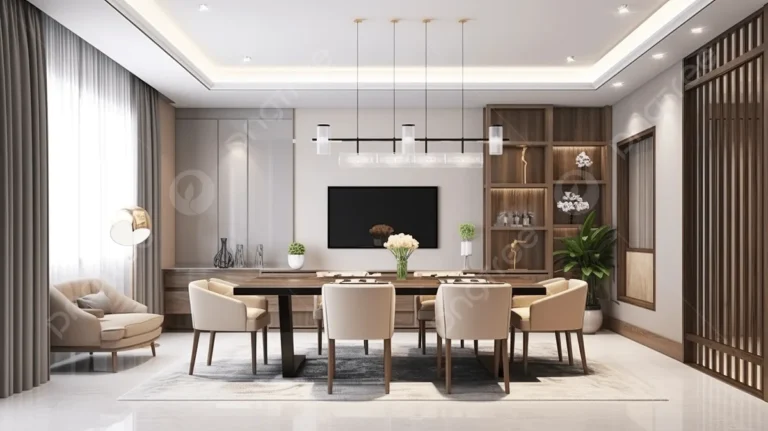
You make a home look expensive by reducing visual clutter. Use large-scale art pieces to ground your furniture groupings. Maintain a consistent color palette throughout each individual room.
Choose high-quality materials like linen, wool, or solid wood. Proper lighting design increases perceived depth and warmth. Remove excess small trinkets to emphasize clean architectural lines.
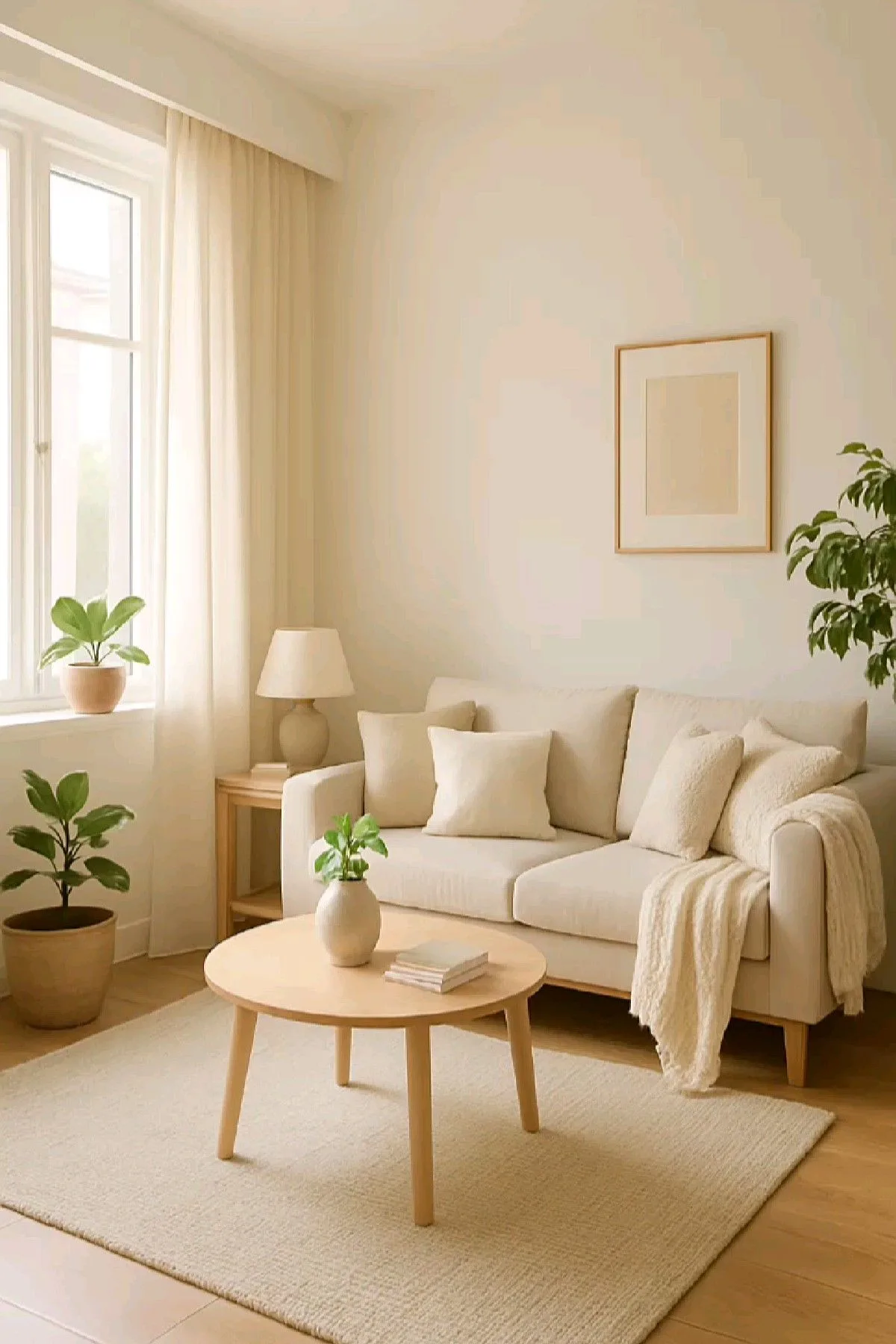
Image source: Web (Bing) / in.pinterest.com (Web image (fair-use with source credit))
Stop Buying Stuff and Start Building Depth
Most homes feel inexpensive because they are filled with small, disconnected items. This creates visual noise that distracts from the actual architecture of your space. You can transform a room by shifting your focus from quantity to quality.
Designers often utilize the concept of negative space to create a luxury feel. Negative space is the empty area around your furniture and decor. It allows the eye to rest and prevents a room from feeling crowded.
If your shelves or tables look packed, start by removing half of the items.
Follow these rules to improve your space:
- Use fewer, larger decor pieces instead of many small ones.
- Group items in odd numbers like three or five.
- Prioritize open floor space to allow for natural movement.
Per guidance from the National Institute of Standards and Technology (NIST) on spatial layout, consistency creates a predictable environment that feels curated. A room that feels deliberate is almost always perceived as more valuable.
Mastering the Science of Visual Weight and Scale
Visual weight refers to how much attention an object demands from the viewer. A massive sofa has high visual weight, while a glass end table has low weight. You need to balance these weights to keep a room feeling grounded.
If all your furniture is low to the ground, the room will feel small. You need to pull the eye upward by using tall floor lamps, high bookshelves, or curtains mounted at the ceiling. This adds verticality to your home.
Think about your room as a composition of shapes. If you have a round coffee table, pair it with a square rug to provide contrast. This balance prevents the room from appearing static or flat.
Your goal is to create a rhythm where the eye moves comfortably across the furniture.
The Lighting Shift: Creating Atmosphere Without High Costs
Lighting is often the most neglected aspect of interior design. Standard builder-grade fixtures often cast a harsh, flat light that washes out textures. You can change this by introducing multiple layers of light at different heights.
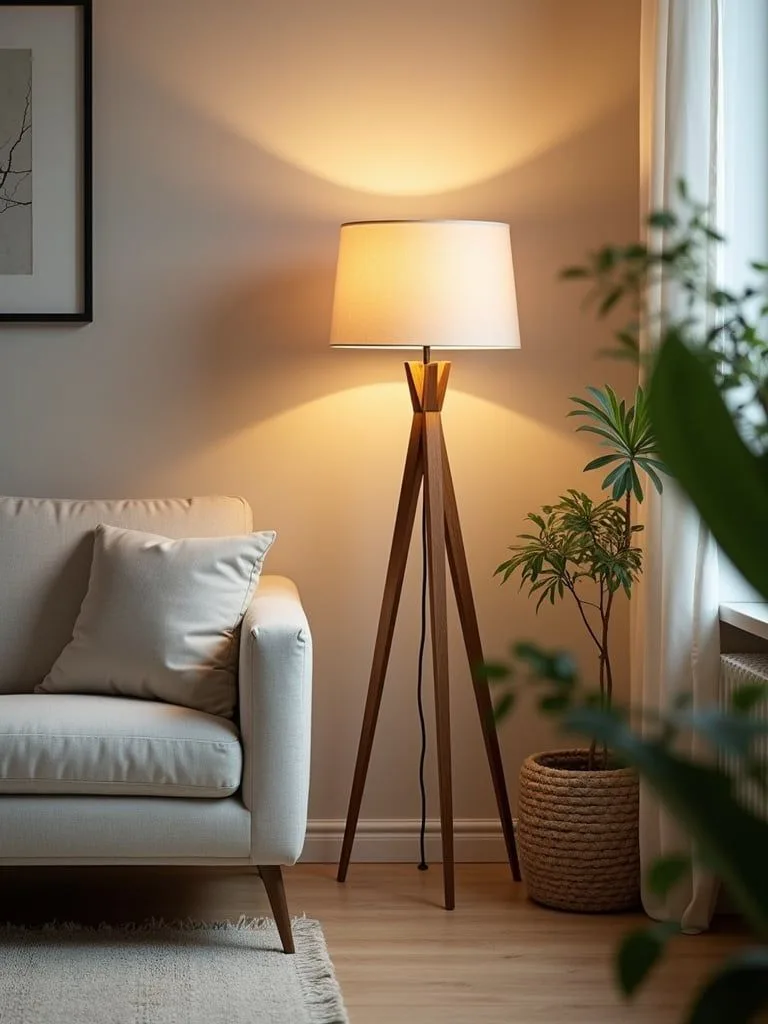
Image source: Web (Bing) / amazon.ca (Web image (fair-use with source credit))
Use the three-layer approach to ensure a high-end feel:
- Ambient light: Use dimmable overhead fixtures for general brightness.
- Task light: Add lamps on tables or desks for specific reading or work areas.
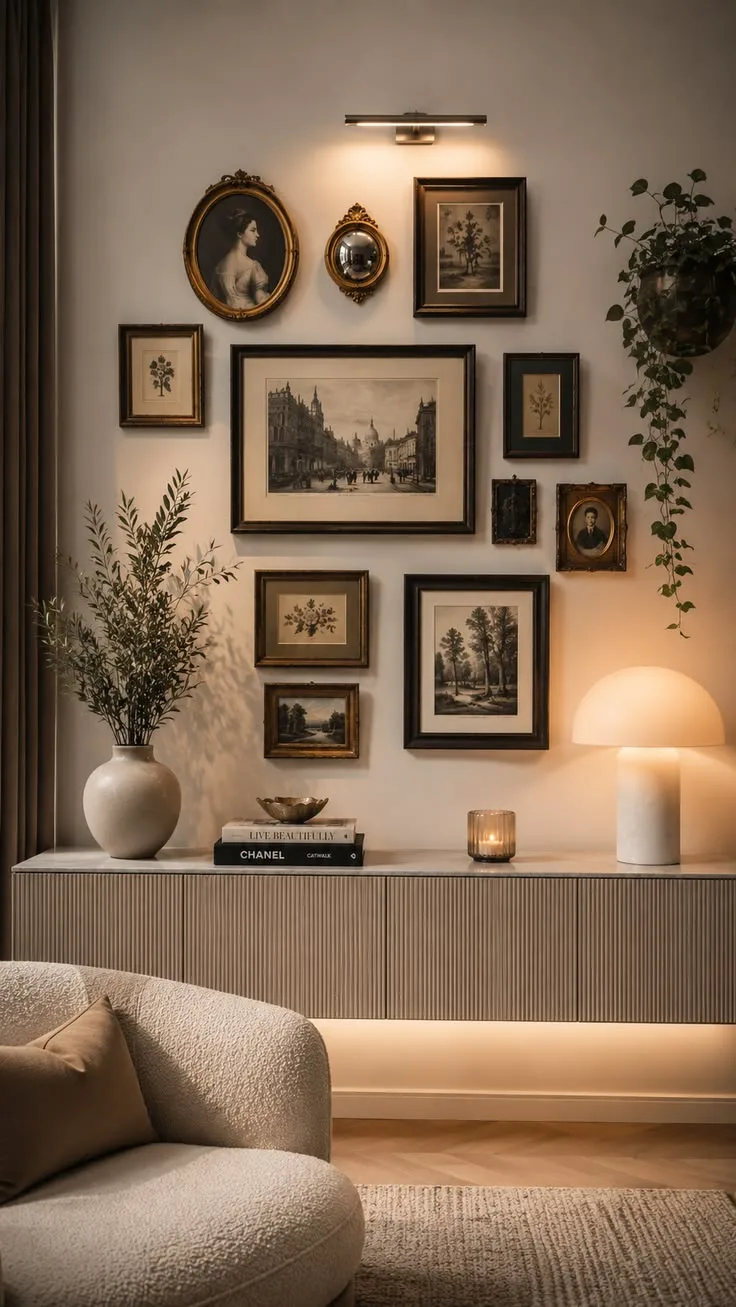
- Accent light: Use wall sconces or under-cabinet strips to highlight artwork or architecture.
Switching your bulbs to a warmer color temperature, specifically around 2700K, makes a massive difference. According to standards published by the U.S. Department of Energy, warm-toned LEDs mimic traditional incandescent light.
This creates a cozy, premium atmosphere that bright-white bulbs simply cannot replicate.
Curating Your Home: The Art of Mixing Eras and Textures
A home that looks like a catalog showroom often feels cheap because it lacks personality. True luxury design usually involves mixing different eras and styles. Pair a vintage wooden chair with a modern, clean-lined sofa to add interest.
Texture is the secret ingredient that makes a room feel expensive. A space full of matching synthetic fabrics looks flat and uninspired. You want to introduce tactile variety through your textiles and materials.
Try mixing these materials to build richness:
- Coarse wool rugs paired with smooth leather upholstery.
- Natural linen curtains against wooden floors.
- Metal hardware accents set against matte surfaces.
Mixing these textures makes a room feel layered, as if it was assembled over time rather than bought in a single afternoon. This approach builds a unique narrative for your home. It shows guests that you made intentional choices about what you brought into your living space.
The Architecture of Windows and Hardware
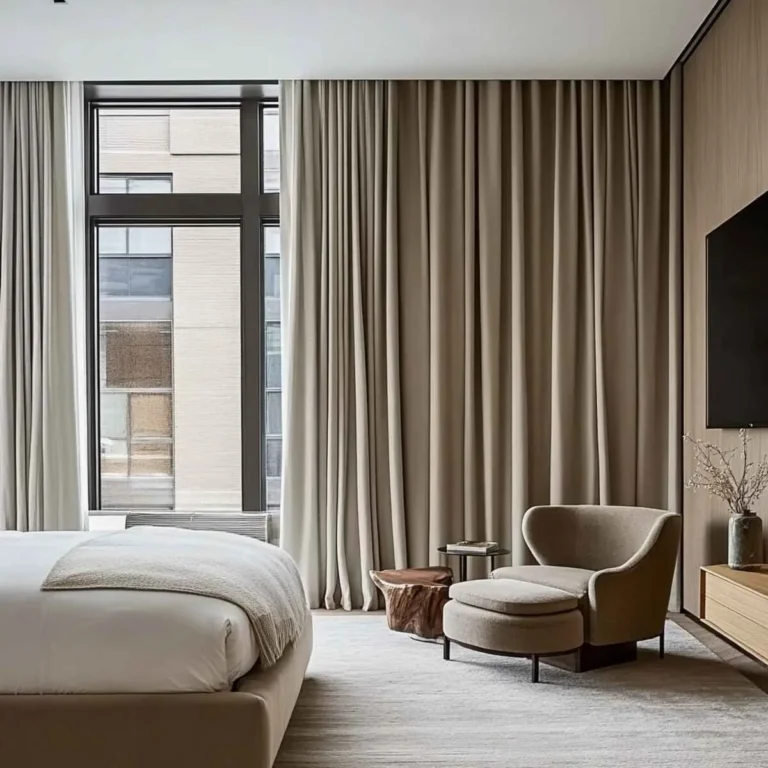
Windows and door hardware are the unsung heroes of interior design. You can elevate the entire look of a room by changing how your curtains hang. Mount your curtain rods as high as possible, ideally right at the ceiling line.
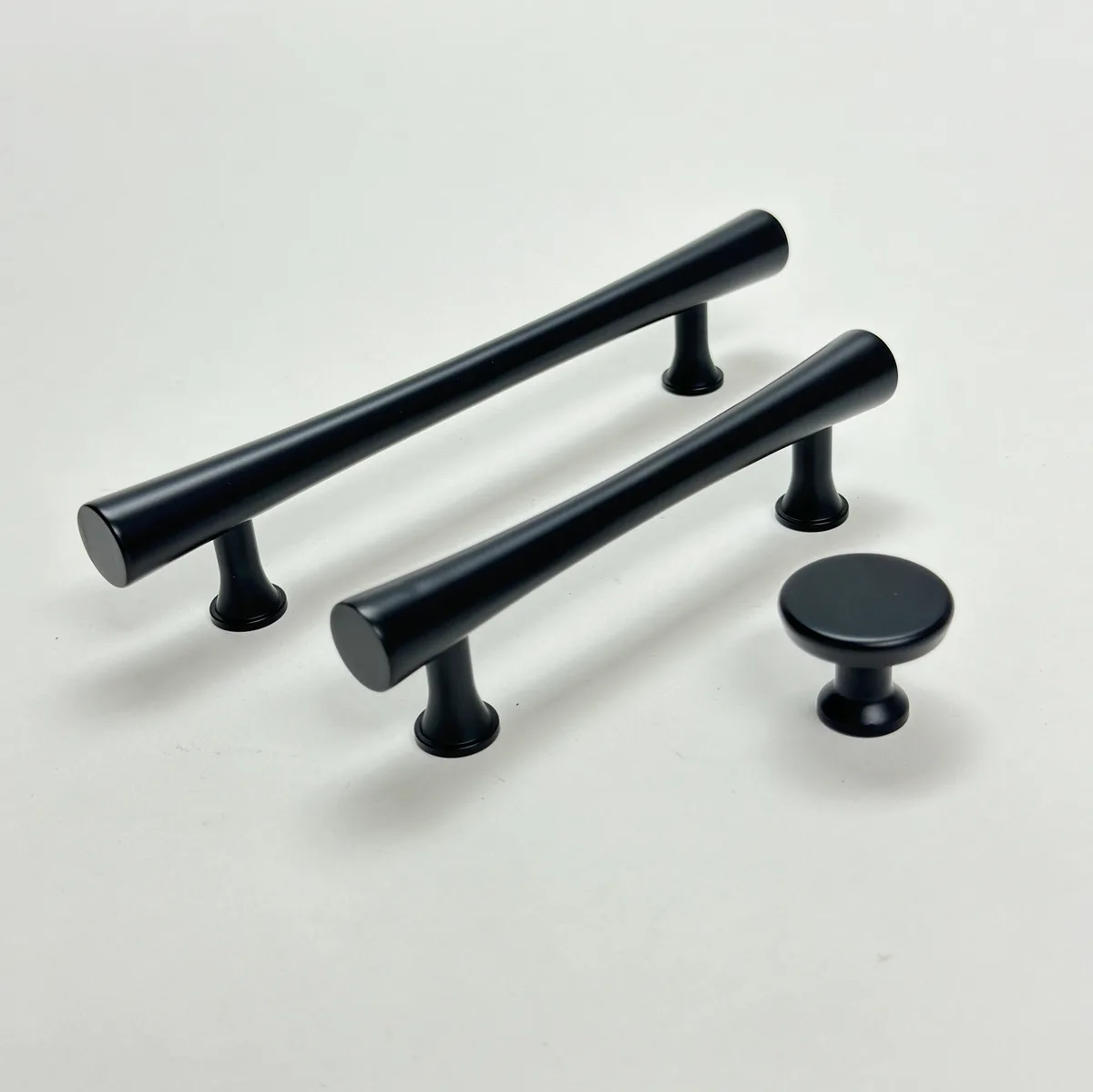
Image source: Bing (Web (fair-use with source credit))
Ensure your curtains are long enough to graze the floor. Flooding your windows with fabric makes a wall look grander and more custom. Avoid thin, plastic-feeling fabrics that let too much light pass through unevenly.
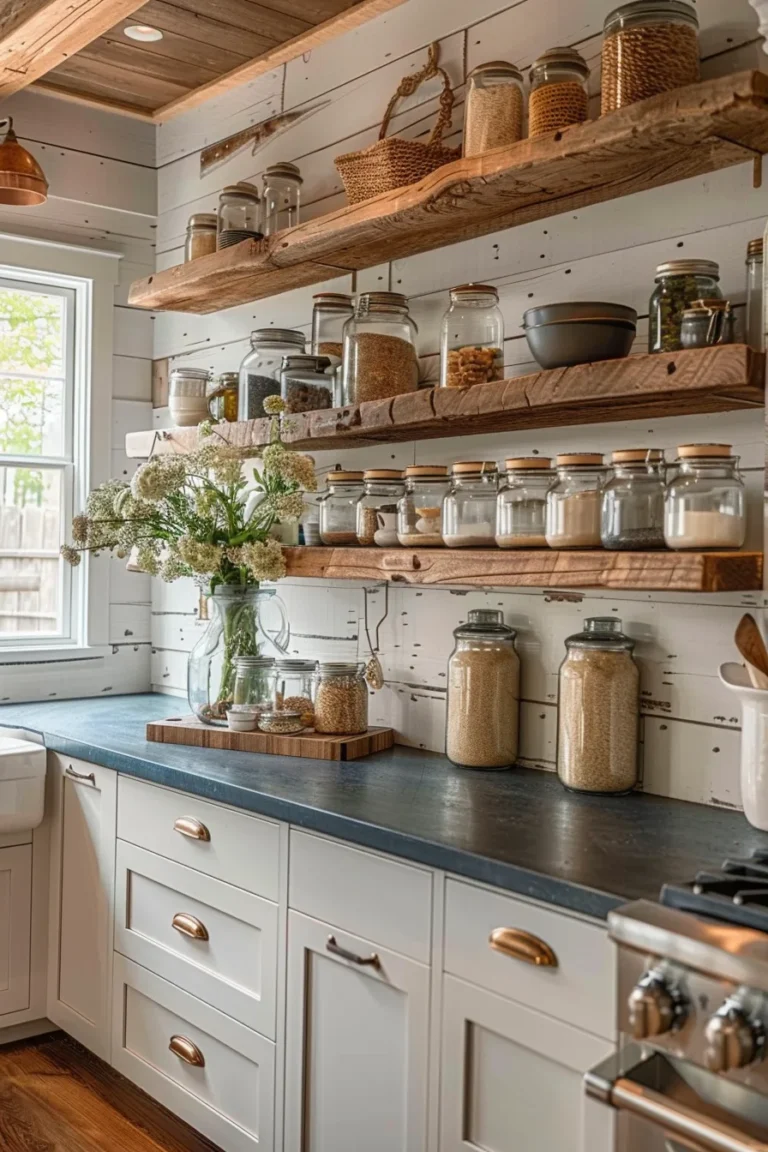
Hardware serves as the jewelry of your home. If your kitchen or bathroom features basic, lightweight metal pulls, replace them with solid, weighted hardware. Unlacquered brass or heavy matte black handles offer a tactile experience that signals quality.
Small, physical changes to the things you touch every day create a subtle, lasting impression of luxury.
Common Design Mistakes That Cheapen Your Space
Many homes feel budget-focused because of common, easily avoidable errors. The most frequent issue is the mismatch of scale, where furniture is either too tiny for the room or too oversized for the layout. You want furniture that fits the room proportionally, leaving enough space for natural circulation.
Another major mistake is the reliance on matching furniture sets. When a sofa, loveseat, and coffee table all come from the same store collection, the room loses its soul. This creates a sterile, catalog-style environment that lacks depth.
Instead, choose pieces that speak to different periods or styles to suggest a collection built over time.
Avoid the temptation to fill every wall space with small, disconnected art. This creates visual noise and draws the eye away from architectural details. A single large-scale piece of art often provides more impact than a gallery wall of smaller frames.
Clear your surfaces, simplify your color palette, and focus on one or two statement pieces per room to maintain sophistication.
Practical Maintenance: The Edit for Long-Term Sophistication
Maintaining an expensive look requires a regular audit of your belongings. We recommend a monthly edit where you remove items that have lost their purpose or aesthetic appeal. If an object doesn't add value to the room's composition, it should be relocated or donated.
Keeping your surfaces pristine is a simple way to elevate your environment. Dust accumulates quickly and can make high-end materials like velvet or dark wood look dull. Wipe down surfaces weekly to ensure textures remain vibrant.
You should also check for wear on hardware and tighten loose screws, as rattling pulls or uneven hinges immediately signal low quality.
Think of your home as a living gallery. The most sophisticated spaces aren't static. Rotate your decor based on the season, or swap out throw pillows to freshen the look of a neutral sofa.
This habit prevents the room from feeling stale and ensures you continue to value the items you keep in your view.
Frequently Asked Questions
What is the most important factor in making a home look expensive?
The most important factor is intentionality. Every object in your room should serve a purpose or provide aesthetic beauty. When you remove clutter and ensure that every piece of furniture is scaled correctly, the space feels naturally curated.
You don't need expensive items to achieve this, just a clear and disciplined vision for your layout.
How do I mix different furniture styles without it looking messy?
Maintain a consistent color palette to unify disparate pieces. If you have an antique chair and a modern sofa, match them using a shared secondary color in the fabric or a similar wood tone in the legs. This visual bridge allows different styles to coexist peacefully.
Limit yourself to two or three distinct styles per room to avoid a chaotic appearance.
Why does lighting have such a big impact on home value?
Light dictates how we perceive color, texture, and space. Harsh or fluorescent light strips away the richness of materials and makes rooms feel flat. Warm, layered lighting creates soft shadows and highlights specific focal points.
This added depth creates a sensory experience that makes a home feel more luxurious and inviting to visitors.
Does a neutral color palette always look more expensive?
Neutral palettes are a safe and effective way to achieve a high-end look because they provide a calm foundation. However, a neutral room only looks expensive if it utilizes texture to create contrast. Without varying materials like linen, wool, and wood, a neutral room can look bland and unfinished.
Use different shades of the same color to add complexity.
How often should I update my home decor to keep it fresh?
You don't need to perform major updates, but minor edits are beneficial every few months. Changing the arrangement of books on a shelf or swapping throw pillows keeps the space feeling updated. This periodic shift forces you to evaluate whether your current decor still fits your vision.
It is less about buying new things and more about re-arranging what you already own.