How to Make a Bedroom Look Bigger
If you’ve ever felt like your bedroom walls are closing in, you’re likely struggling with poor spatial flow. Learning how to make a bedroom look bigger starts with understanding how the human eye interprets depth and light within a confined space.
By using high-reflectance color schemes and elevated furniture, you can trick your brain into perceiving a much larger environment. As of 2026, interior design experts point to a Light Reflectance Value, or LRV, as a key metric for choosing wall colors that physically expand your room's perceived volume.
Quick Answer
You can make a bedroom look bigger by maximizing natural light. Paint walls in light, neutral tones to reflect more brightness. Keep floor space clear by choosing furniture with visible legs.
Mount curtain rods near the ceiling to add height. Use large mirrors to create the illusion of depth. Declutter surfaces to remove visual noise.
Why Your Brain Perceives Small (and How to Trick It)
Your brain assesses room size based on how easily your eyes can scan the space. When your line of sight hits bulky furniture, dark colors, or scattered clutter, your brain labels the room as restricted. You can reverse this perception by prioritizing clear sightlines across the floor.
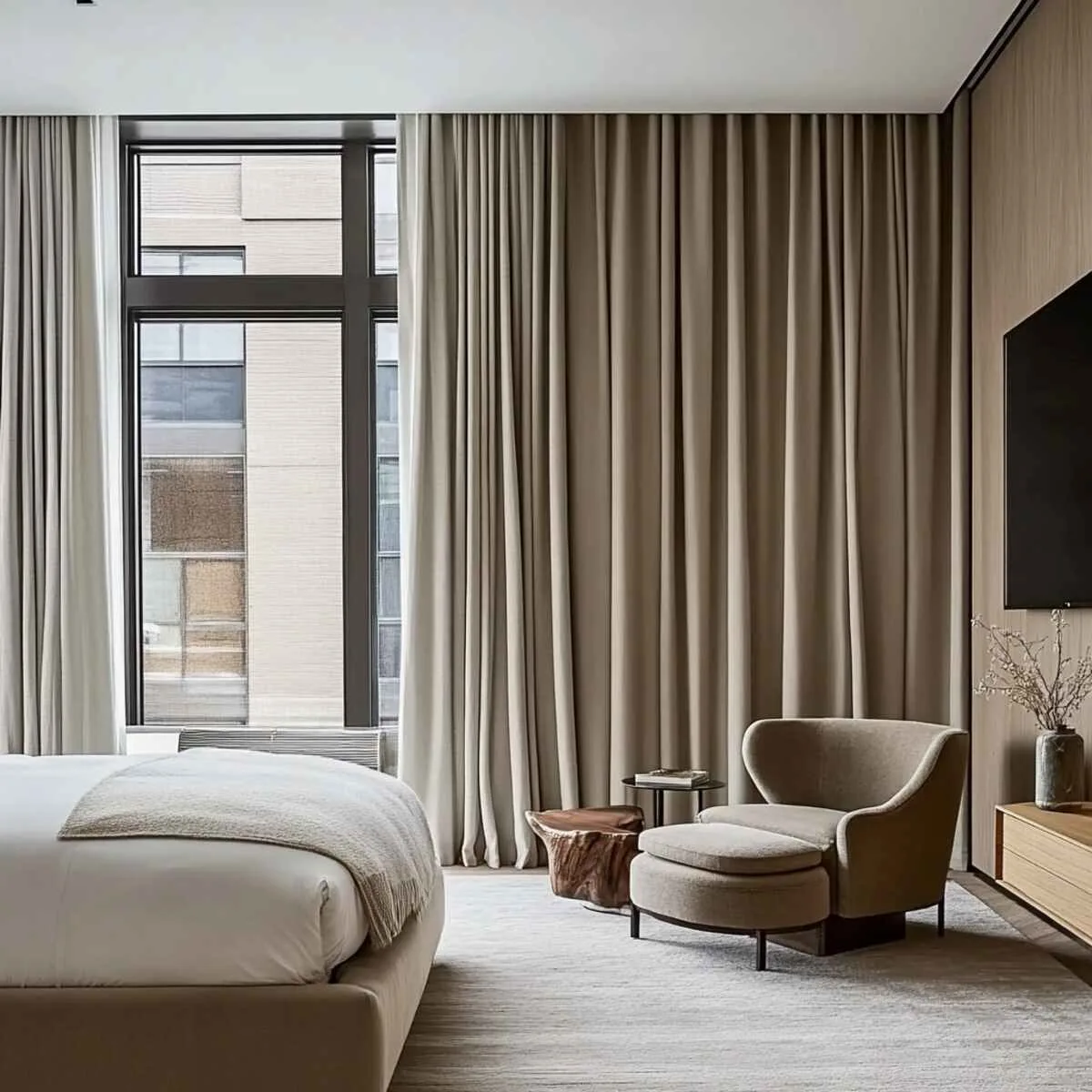
Image source: Web (Bing) / storage.googleapis.com (Web image (fair-use with source credit))
Our research shows that physical dimensions matter less than psychological openness. If you can keep at least 70 percent of your floor visible, your brain registers the room as expansive. Avoid placing heavy items in the center of the room.
This preserves the flow of light and movement.
Mastering Visual Weight and Furniture Scale
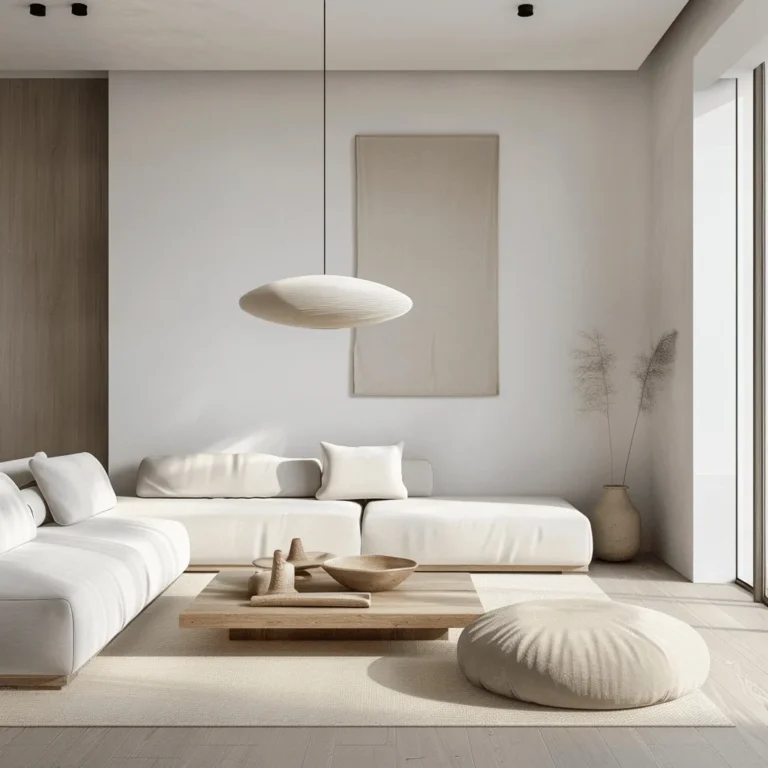
Visual weight describes the perceived heaviness of an object based on its color, shape, and material density. A solid, dark-wood nightstand feels much heavier than a glass-topped table of the same size. Reducing the total visual weight of your furniture is the fastest way to lighten the mood of a cramped bedroom.
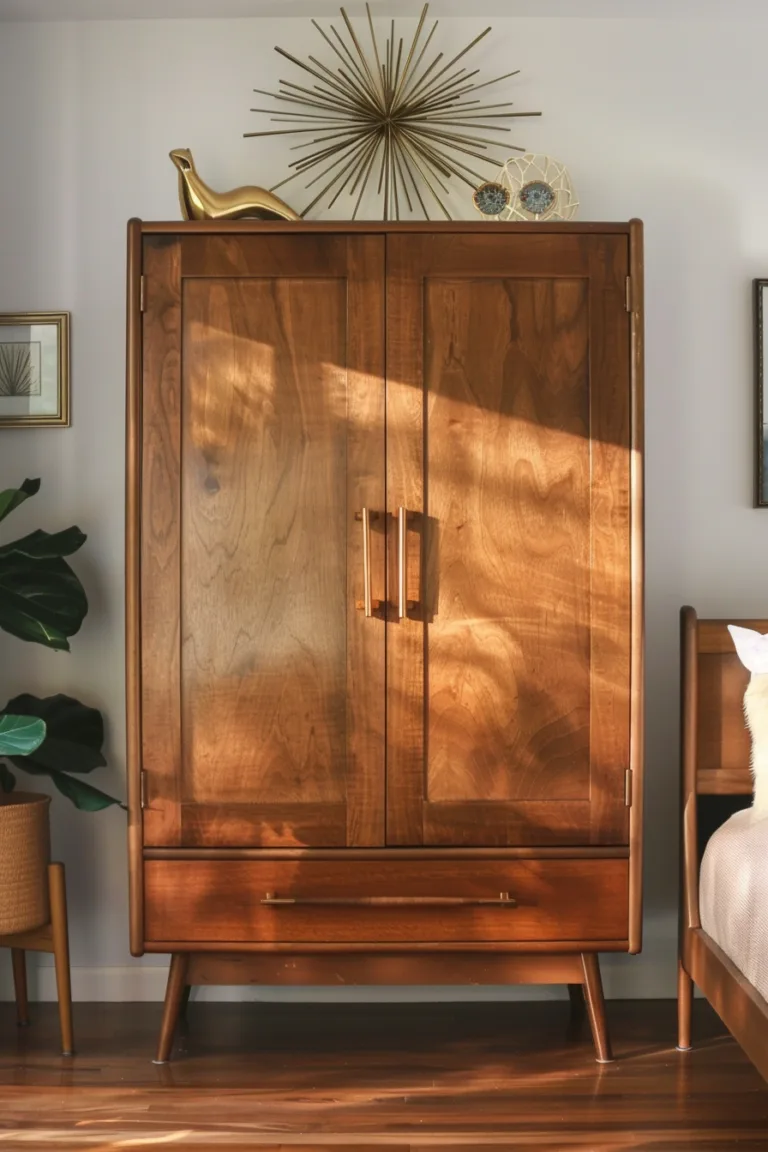
Image source: Bing (Web (fair-use with source credit))
Look for furniture pieces that feature thin legs rather than solid bases. This allows light to travel underneath the items, which prevents the floor from looking cut off. You should also choose low-profile beds to avoid breaking up the horizontal line of the room.
| Feature | Low Visual Weight (Better) | High Visual Weight (Worse) |
|---|---|---|
| Legs | Exposed legs, tapered design | Solid base, boxy to the floor |
| Material | Glass, acrylic, light linens | Dark wood, velvet, leather |
| Profile | Low height, sleek edges | Tall, ornate, heavy carvings |
The Power of Light: Brightness, Mirrors, and Reflectance
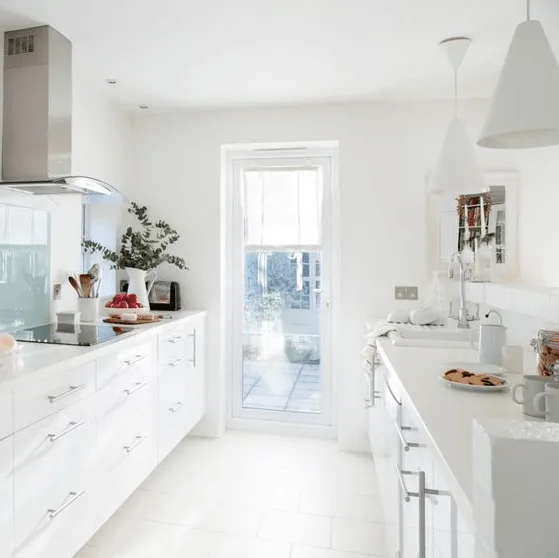
Light acts as an extension of space. A dark room forces your eyes to adjust to edges and corners, making the walls feel like they are encroaching. You can maximize your natural light by choosing paint colors with a high LRV, which is a standard scale used by the National Institute of Standards and Technology to define how much light a surface reflects.
Place your primary mirror directly opposite a window. This bounce-back effect effectively doubles the amount of natural light entering your space. Use sheer curtains that allow light to filter through while still providing privacy.
You should avoid heavy, opaque drapes that swallow light and create harsh shadows in the corners.
Verticality: How to Command the Full Height of Your Walls
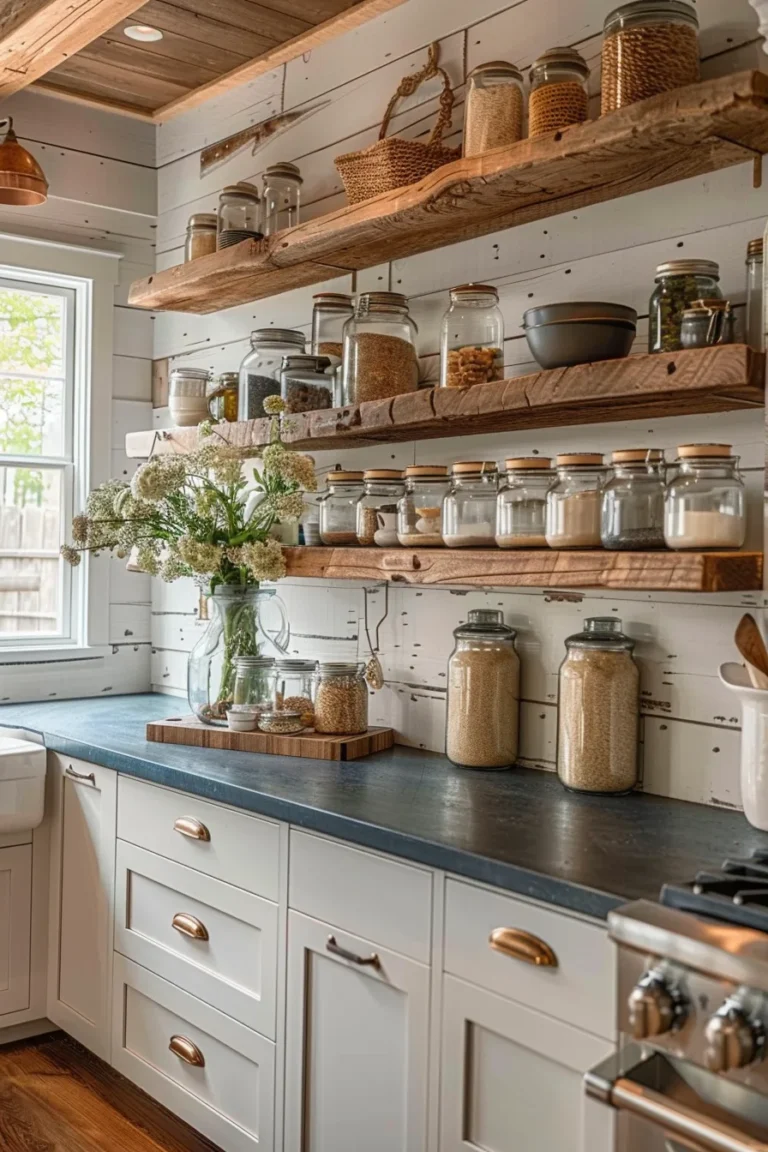
Most people ignore the vertical space above their furniture, but drawing the eye upward is an easy way to fake higher ceilings. When you mount window treatments at the very top of the wall rather than just above the frame, you force the eye to track the full height of the room.
Image source: Web (Bing) / storage.googleapis.com (Web image (fair-use with source credit))
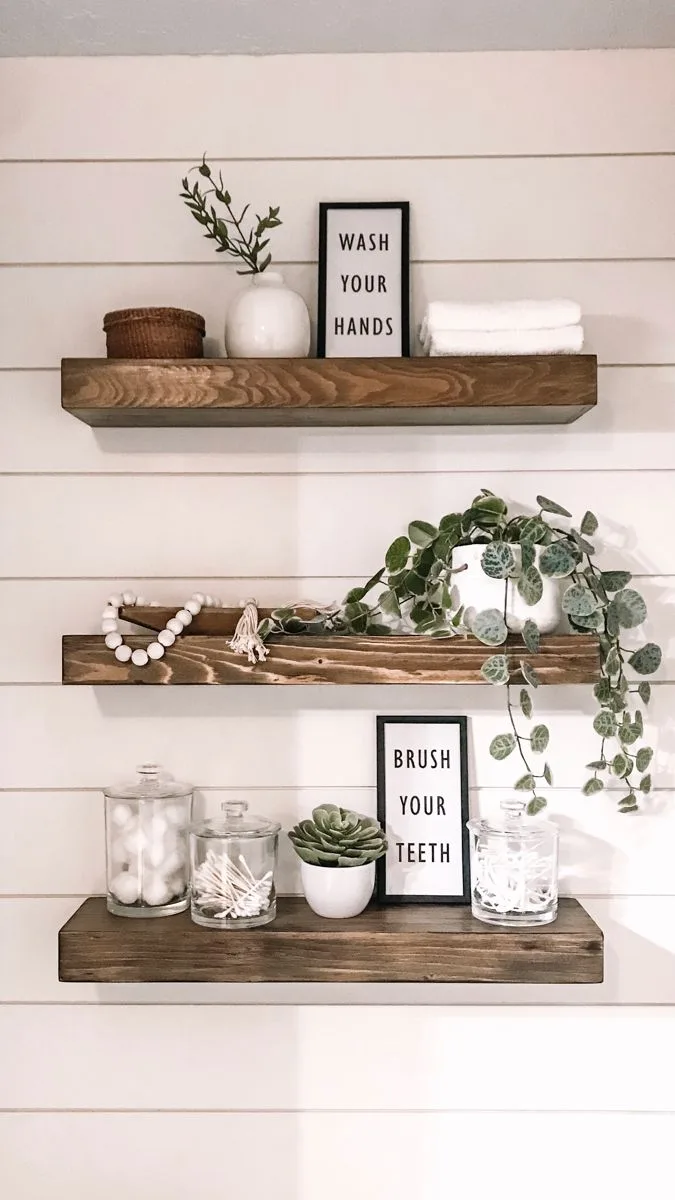
Install floating shelves to utilize wall space for storage instead of relying on bulky bookcases. Place your tallest art pieces slightly above your natural eye level. This encourages visitors to scan the entire wall, which creates a subconscious feeling of a taller, grander space.
Keep the top third of your walls relatively clean to prevent a crowded feeling.
Eliminating Clutter and Creating Negative Space
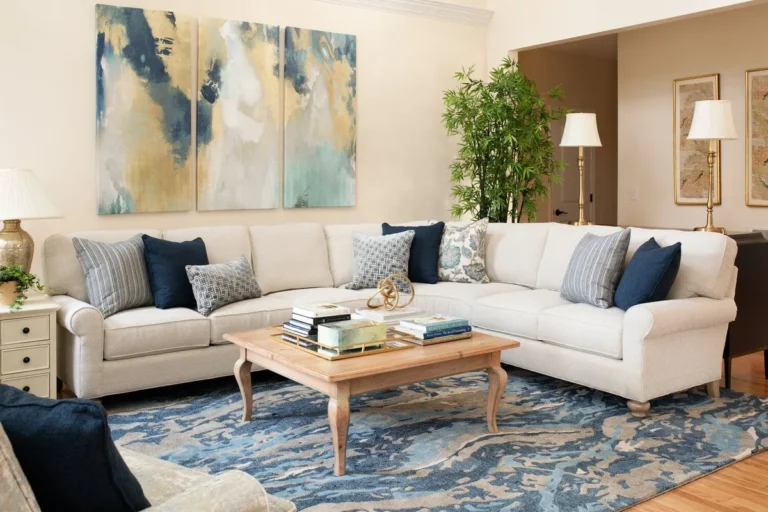
Negative space is the empty area around your furniture that gives your eyes a place to rest. If every wall is covered in art and every surface is loaded with accessories, the room will inevitably feel smaller. You must be ruthless with your decor choices to preserve this balance.
- Group items: Keep small knick-knacks together on one tray rather than spreading them across the dresser.
- Use hidden storage: Utilize under-bed drawers or bins to store items you don't need daily.
- Maintain paths: Ensure you have at least 24 inches of clear walking space between large furniture pieces.
- One big piece: Choose one large, bold painting instead of a gallery wall filled with small frames.
A bedroom should feel like a sanctuary, not a storage unit. By clearing your surfaces, you remove the visual noise that makes a small room feel like a claustrophobic box. Even removing three or four small items from a nightstand can make the entire area feel lighter and more intentional.
Expert Strategies for Multi-Functional Furniture Layouts
You can achieve a spacious feel by selecting furniture that performs double duty. In compact rooms, every item should earn its keep by offering storage or adaptability. Choosing a bed frame with built-in drawers under the mattress eliminates the need for an extra dresser or bulky chest.
If your room serves as both a sleeping area and an office, consider a wall-mounted desk that folds flat against the wall when you finish working. This keeps the floor clear during your downtime, which is critical for maintaining an open atmosphere. Avoid large sectionals or oversized headboards that eat up precious square footage.
- Ottomans with storage: These provide seating or a footrest while hiding blankets or spare linens.
- Vertical wall units: Install shelving that goes all the way to the ceiling to draw the eye up.
- Sliding doors: Swap traditional swinging doors for pocket or sliding track doors to gain a few extra feet.
Think about the flow of traffic through the space before finalizing your layout. You should never have to navigate around sharp corners or squeeze past a dresser just to reach your bed. Keeping the primary walking path wide and clear will make even the smallest bedroom feel significantly more comfortable.
Frequently Asked Questions
Can dark paint colors make a bedroom look bigger?
Generally, no. Dark colors tend to absorb light and push walls inward, which makes a room feel more enclosed. If you love dark tones, use them as an accent on one wall rather than painting the entire room.
This provides depth without sacrificing the airy feeling of a bright space.
Is it better to have one large rug or several small ones?
One large rug is almost always better for a small bedroom. Multiple small rugs break up the floor into segments and make the space feel chopped up. A single large rug that extends under the bed creates a unified foundation and makes the entire floor feel larger and more cohesive.
How do I maximize closet space in a small bedroom?
You can double your storage by using vertical organizers and slim-profile hangers. Install a second hanging rod if your closet height allows it to maximize the wall area. Keep items you rarely use in clear bins on high shelves so your daily clothing stays accessible and your floor remains entirely empty.
Do mirrors really make a room look double the size?
Mirrors effectively create the illusion of depth by reflecting light and views into the room. While they do not technically add square footage, they trick the brain by removing the visual barrier of a solid wall. Place them opposite a window or a doorway to amplify the effect of natural light.
How often should I declutter to maintain the illusion of space?
Aim for a seasonal reset to keep your bedroom from gathering visual noise. Small rooms accumulate clutter faster because there are fewer places for items to disappear. A quick 15-minute sweep once a month helps you remove non-essential items that have migrated to your surfaces, keeping your sightlines clean and open.