How to Arrange a Sofa in a Living Room
Learning how to arrange a sofa in a living room transforms a static space into a functional hub for your home. You don't need an interior design degree to create a layout that feels balanced and intentional.
Start by assessing your room’s natural focal points and the way you move through the area. As of 2026, design standards from the American Society of Interior Designers emphasize that prioritizing traffic flow is just as important as aesthetics. Let's look at how to get your furniture placement right.
Quick Answer
To arrange your sofa effectively, first identify the room’s main focal point. Place the sofa facing this point to create a clear visual anchor. Keep at least 30 inches of space for walking paths.
Ensure your TV sits at a comfortable, glare-free distance. Balance heavy furniture pieces to keep the room feeling open.
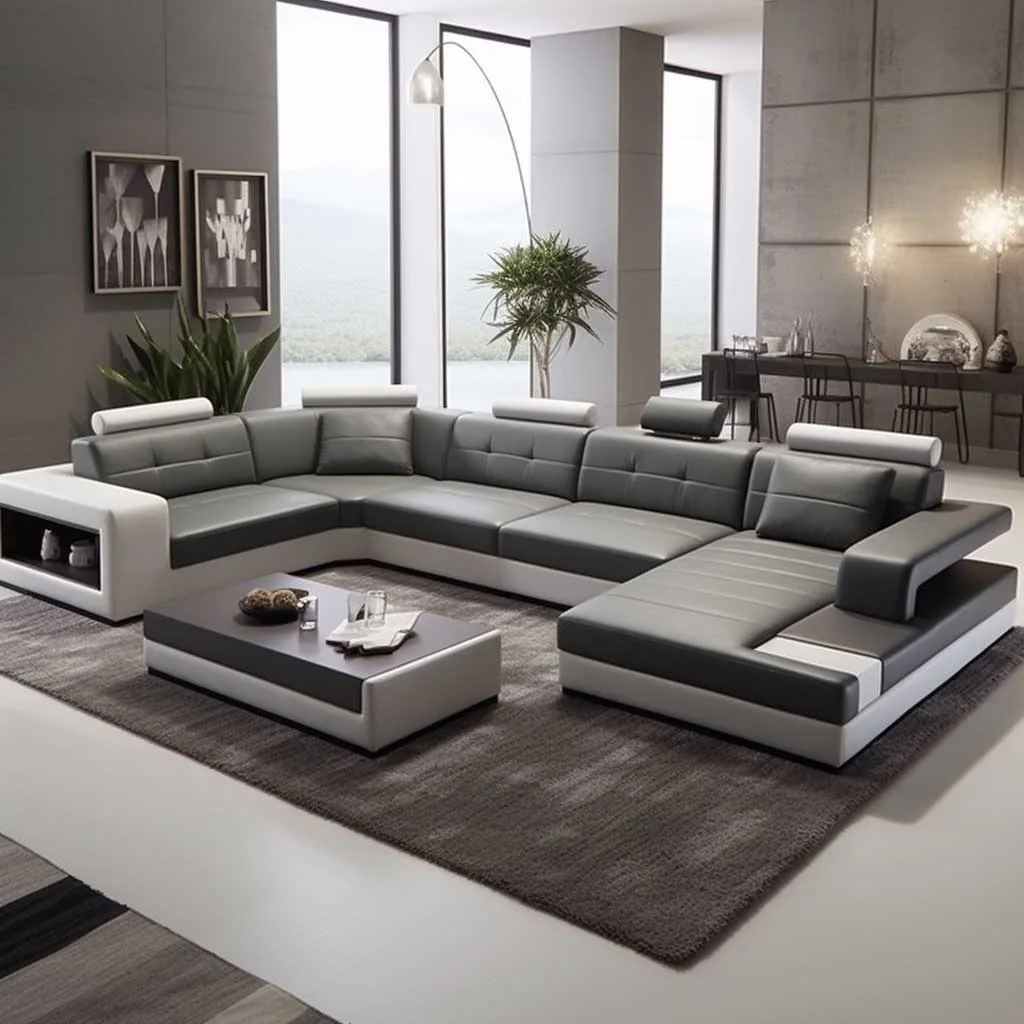
Image source: Web (Bing) / artfasad.com (Web image (fair-use with source credit))
The Golden Rules of Room Flow and Spatial Planning
Successful room layouts begin with a clear understanding of your traffic patterns. You should never feel like you are navigating an obstacle course just to reach the kitchen or a hallway. Observe the natural paths people take when they enter the room.
Avoid placing your sofa in a way that forces a zigzag route through your seating area.
Think about the primary purpose of your room before finalizing any placements. If the space is for hosting, keep the area around the sofa open for easy entry and exit. If it is a private lounge for media, prioritize the distance to your screen over open-concept aesthetics.
Clear paths are the foundation of a livable room.
Identifying Your Room’s Functional Focal Point
Every well-arranged room relies on a strong focal point. This is the first thing your eyes land on when you walk through the door. A fireplace, a large window with a view, or a dedicated media wall usually serves this purpose.
Orienting your sofa toward this point creates a sense of harmony.
If you have a dual-purpose room, you may have two competing focal points. You can address this by angling your sofa or using secondary seating to bridge the gap. Don't feel forced to point everything at the TV if your room has beautiful architecture.
A neutral placement often creates a more relaxing atmosphere.
Why Floating Your Sofa Beats Pushing It Against the Wall
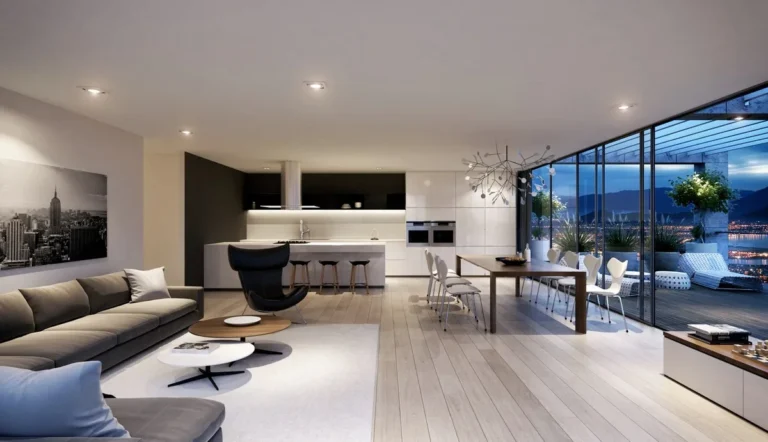
Most people automatically push their sofa against the longest wall to save space. While this seems logical, it often makes the room feel cold and disconnected. Floating your sofa by pulling it toward the center of the room creates a more intimate zone.
This technique is particularly effective in open-plan homes.
Floating furniture allows you to create a "room within a room" feeling. It leaves space behind the sofa for a console table, a bookshelf, or even a small desk area. This added layer of depth makes the entire living area feel more curated and professional.
It also prevents the "waiting room" vibe that happens when furniture hugs every perimeter wall.
Mastering Clearances, Traffic Lanes, and Viewing Distances
Space planning requires a few specific measurements to ensure comfort. Aim for at least 30 inches of clearance for your main traffic lanes. Any less and you will find yourself bumping into corners or maneuvering sideways to pass by.
Keeping these paths clear prevents your living room from feeling claustrophobic.
Your viewing distance is another critical metric to track. According to industry guidelines for home theater displays, aim to position your sofa between 1.5 and 2.5 times the diagonal measurement of your screen. This reduces eye strain and keeps the picture looking sharp.
Use painters tape on the floor to test these distances before moving heavy pieces.
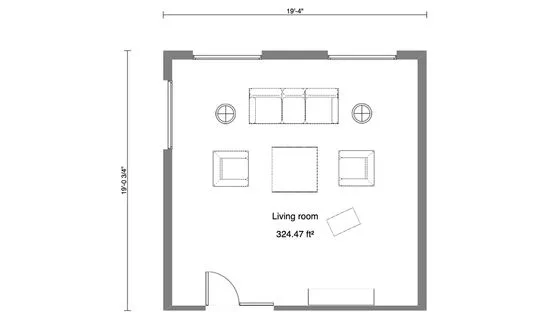
Image source: Bing (Web (fair-use with source credit))
Defining Zones with Rugs and Auxiliary Furniture
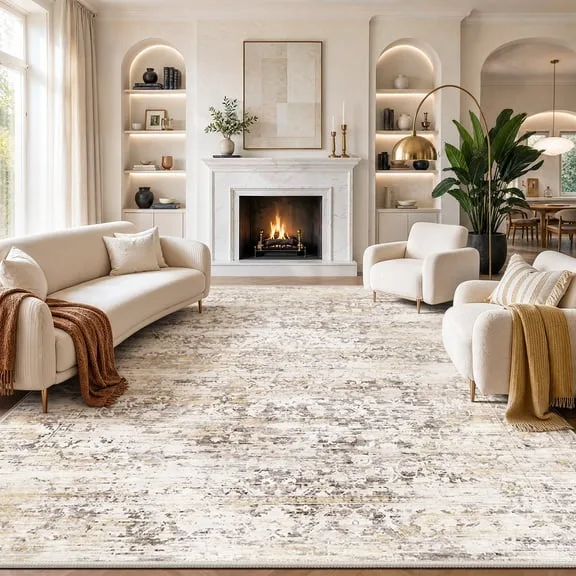
A sofa rarely functions well in total isolation. An area rug acts as a visual anchor that pulls your sofa and armchairs into a single, cohesive unit. Ensure that at least the front legs of your sofa rest on the rug to ground the arrangement.
This creates a clear boundary for your seating zone.
Auxiliary furniture, like side tables and ottomans, should be placed within easy reach of the sofa. Aim for roughly 14 to 18 inches of distance between your coffee table and the sofa edge. This is close enough to set down a drink but far enough to provide plenty of legroom.
These small details define the usability of the space.
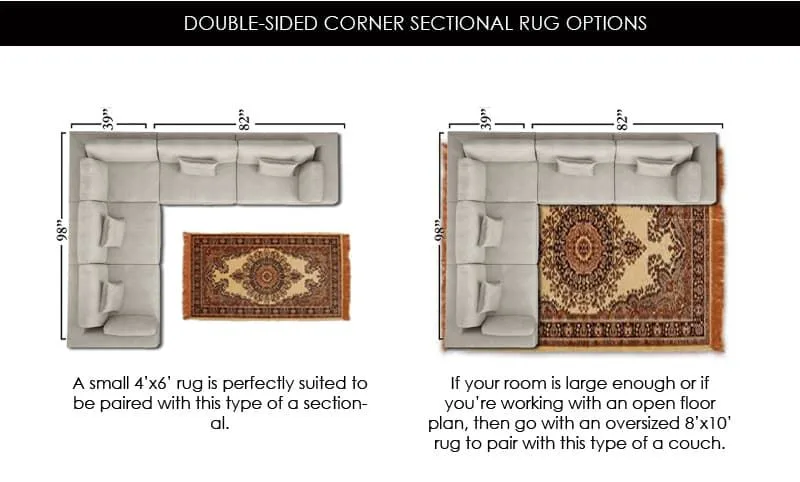
Image source: Web (Bing) / pinterest.com (Web image (fair-use with source credit))
Common Layout Mistakes That Make Rooms Feel Cramped
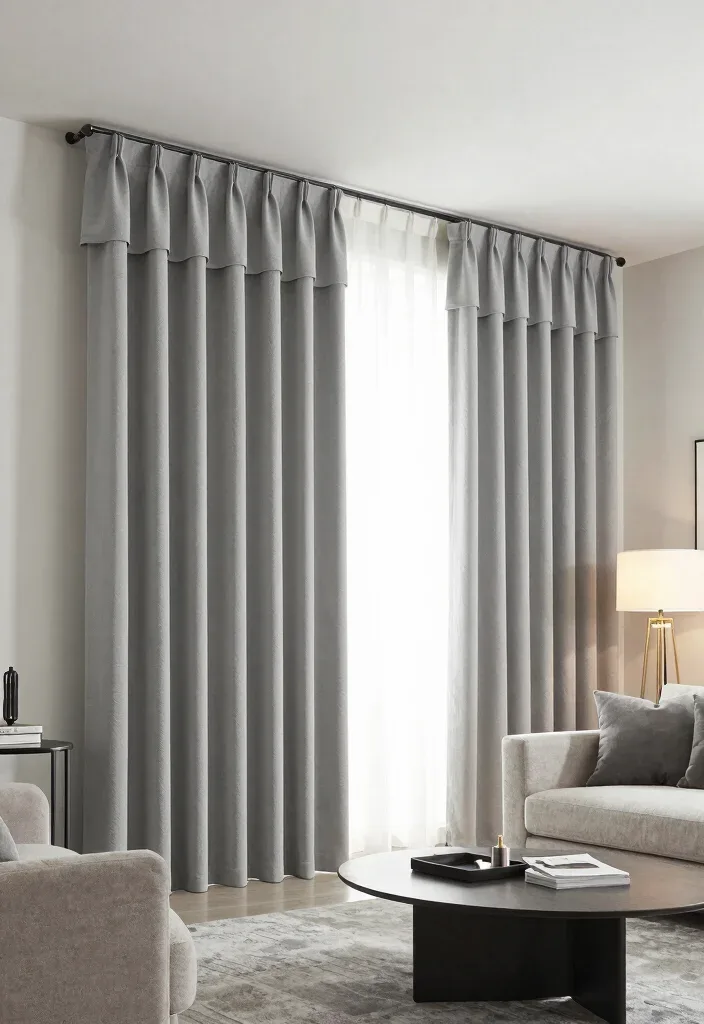
The most frequent error is blocking windows or architectural features with tall sofa backs. While it might seem practical to maximize wall space, this often ruins the natural light flow. Your sofa should complement the room, not hide its best assets.
Keep the sightlines low to maintain an open, airy feeling throughout the living area.
Another major mistake is ignoring scale. A massive, oversized sectional can suffocate a small room, while a tiny sofa in a sprawling open floor plan will look lost. Use painter's tape to map out the footprint before moving furniture.
This simple step highlights if you are heading toward a cluttered layout before you break a sweat.
Finally, consider the power outlets and heating vents. Blocking a radiator with an upholstered sofa is a fire hazard and reduces your heating efficiency. Always ensure your sofa allows for proper air circulation.
Check your local fire safety guidelines or the manufacturer manual for recommended clearances near heating elements.
Frequently Asked Questions About Sofa Arrangement
How do I handle awkward, long, or narrow living rooms?
Break the space into distinct zones to prevent the bowling alley effect. Place your main sofa toward the center of the longest wall, and use a separate seating area like a reading nook at the end of the room. This breaks the visual length and creates a more functional, welcoming space.
Should my sofa always face the TV?
Not necessarily, but it depends on your primary use for the room. If watching movies is the main priority, orient the sofa for the best viewing angle. If the room is for conversation, place the sofa perpendicular to the screen.
You can always use swivel chairs to bridge the gap between media and social activities.
How much room do I need behind the sofa?
Aim for at least 30 to 36 inches if you are placing a walkway behind the sofa. If you are tucking a console table behind it, a depth of 12 to 15 inches is usually enough. This keeps the back of the sofa from feeling like a wall and adds visual depth to your room.
Can I mix and match different sofa styles?
Yes, you can mix styles, but maintain a consistent color palette or wood tone to keep the look unified. If you use a modern sofa, pair it with chairs that share similar legs or finish textures. This ensures the room feels designed rather than like a collection of random garage sale finds.
What if I have a fireplace and a TV?
This is a classic dilemma, but it has a simple solution. Place the sofa to face the fireplace if you want a cozy look, and add swivel chairs that can turn toward the TV when needed. This keeps your main seating oriented toward the architectural focal point while maintaining TV access.