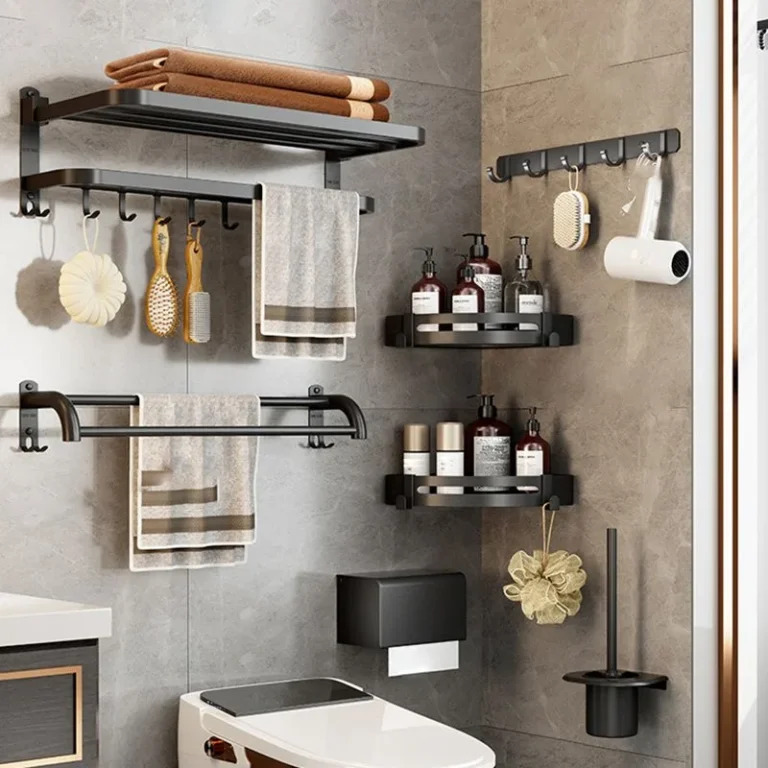
How to Add Storage to a Small Bathroom
Learning how to add storage to a small bathroom requires a shift in perspective from floor-based furniture to wall-based efficiency. Most small bathrooms suffer from wasted air space and cluttered countertops that make the room feel claustrophobic. By reclaiming unused vertical areas, you can transform a cramped vanity into an organized, functional space.
You should prioritize solutions that minimize visual clutter, such as floating shelves or recessed medicine cabinets. According to the National Kitchen and Bath Association (NKBA), standard bathroom planning requires at least 30 inches of width and 24 inches of clearance in front of fixtures for basic accessibility. Respecting these measurements ensures that adding new storage does not block your movement or make the room feel tighter.
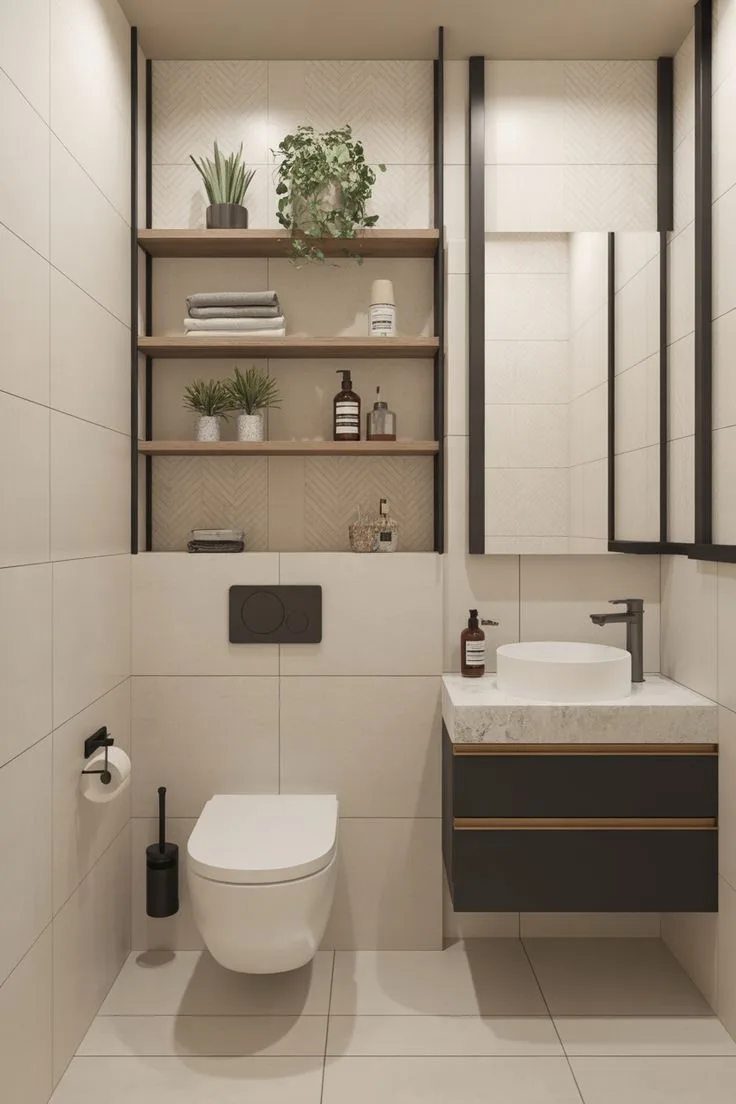
Image source: Bing (Web (fair-use with source credit))
Quick Answer
You can add storage to a small bathroom by using vertical wall space. Install floating shelves above toilets or vanities for quick access. Use recessed medicine cabinets to store small items inside walls.
Mount hooks behind doors for towels or hair tools. Keep surfaces clear to make the room feel larger. Match container styles to reduce visual noise.
The Geometry of Small Bathrooms: Why Less Clutter Means More Space
In a small bathroom, the primary obstacle is often visual weight rather than a lack of physical items. When you fill every corner with bulky cabinets or mismatched bins, the room feels like it is closing in on you. The goal is to keep floor space visible, which tricks the eye into seeing more square footage than actually exists.
Most bathrooms have deep, dark vanity cabinets that encourage stuffing items rather than organizing them. When items are hidden in deep cabinets, you often lose track of what you own. This leads to redundant purchases of shampoos or soaps, which only adds to the clutter problem.
Moving small items into wall-mounted storage creates a more open environment.
You should assess your bathroom layout by looking at the walls surrounding your sink and toilet. If the walls are blank, they are prime candidates for storage. Consider the line of sight in your bathroom.
If your eye hits a wall filled with shelves the moment you enter, keep those shelves tidy and minimalist. Use clear or uniform bins to ensure the space remains calm and orderly.
The Vertical Frontier: Utilizing Walls and Corners
Vertical storage is the most effective way to gain space without losing a single inch of floor room. The space above your toilet is almost always empty, yet it provides enough width for a deep shelf or a series of narrow ledges. These spots are perfect for items you use daily, such as rolled towels or decorative jars.
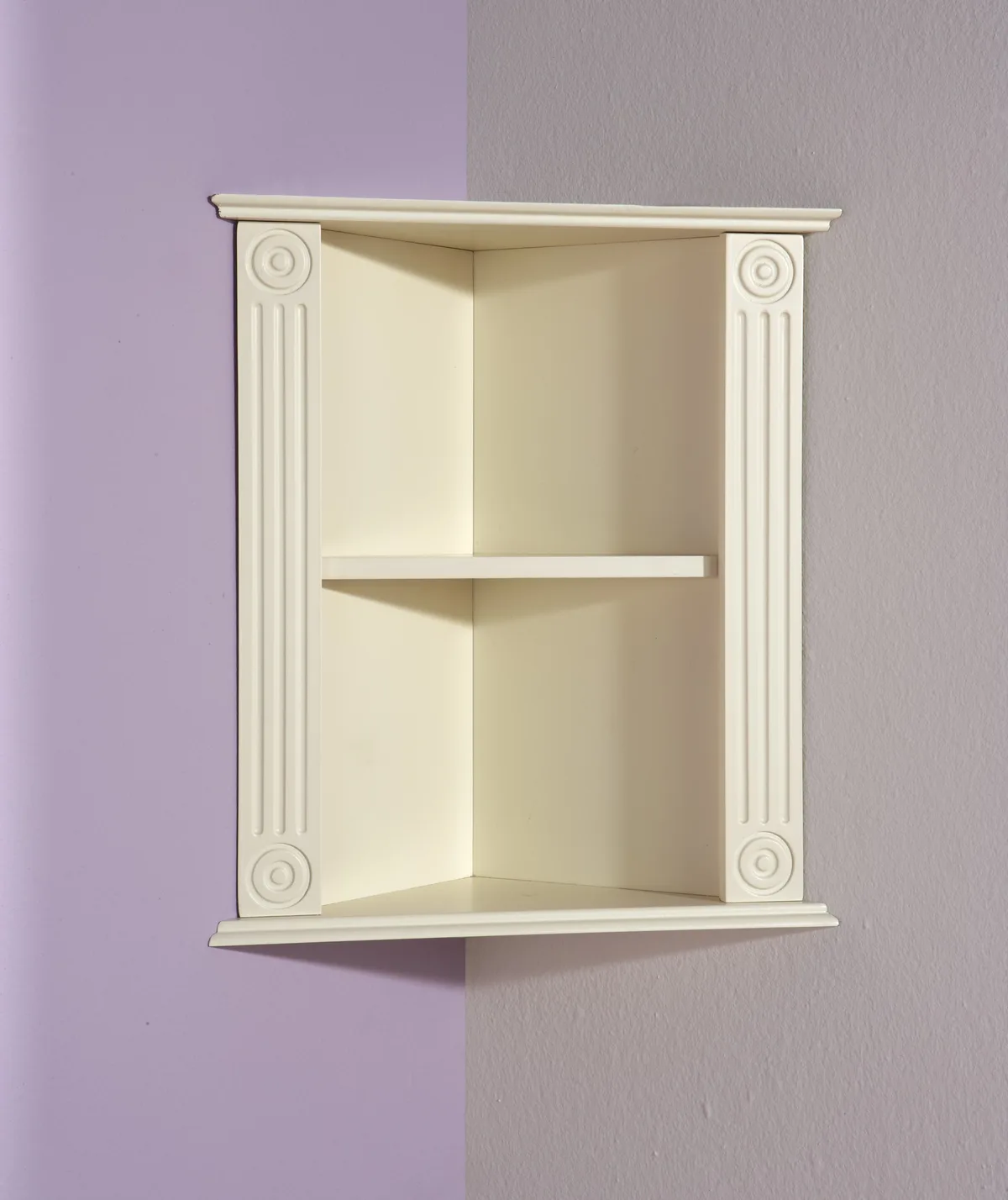
Image source: Web (Bing) / rispa.org (Web image (fair-use with source credit))
Corners are another often overlooked area that can host specialized shelving. You can find triangular corner shelves that tuck neatly into tight angles. These provide a surprising amount of surface area for skincare products or brushes.
Because they sit in a corner, they do not impede the flow of traffic through the room.
- Floating Shelves: Excellent for keeping the floor clear and maintaining an airy look.
- Recessed Cabinets: These sit flush with the wall, providing hidden storage without protruding into your walking path.
- Tension-Mounted Rods: Use these inside or between cabinets to create vertical dividers for cleaning supplies.
- Over-the-Door Racks: Ideal for bulky items like robes or hair styling tools that don't fit in drawers.
Choosing Storage That Doesn’t Close In the Room
When choosing your storage materials, consider how they interact with the available light. In small rooms, heavy dark wood cabinets can make the space feel dim and cramped. Opt for materials that reflect light or blend into the wall color to keep the room feeling bright and spacious.
Clear acrylic bins and glass shelves are popular for small bathrooms because they are visually transparent. They allow light to pass through, which prevents the shelving from feeling like a wall. If you prefer closed storage, choose white or light-colored cabinetry that matches your wall paint.
This helps the storage unit disappear into the background.
| Storage Type | Best Use Case | Visual Impact |
|---|---|---|
| Acrylic Bins | Drawer/Counter organization | Low (Transparent) |
| Floating Wood Shelves | Towels/Decorative items | Moderate (Depends on color) |
| Recessed Cabinet | Medicine/Toiletries | Minimal (Flush mount) |
| Metal Wire Hooks | Robes/Wet towels | Low (Airy design) |
Essential Bathroom Planning: Clearances and Safety Protocols
Before you drill holes in your walls, you must account for standard bathroom clearances. If you mount a shelf too close to the toilet, it may hinder your ability to use the fixture comfortably. According to general International Residential Code (IRC) standards, a clearance of at least 21 inches is recommended in front of the toilet.
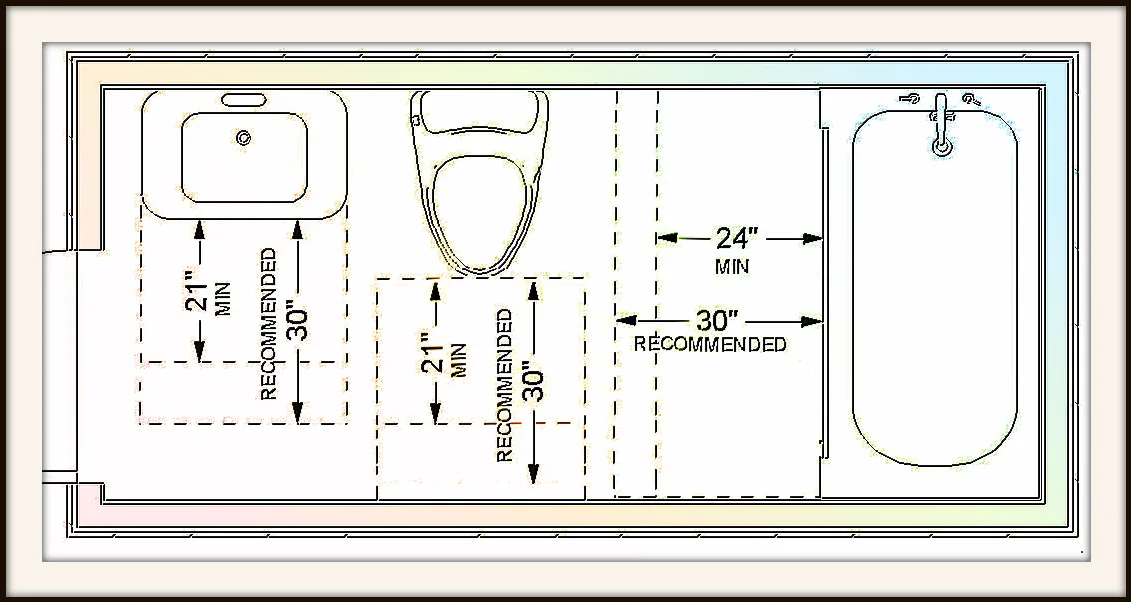
Image source: Web (Bing) / wurld.blogspot.com (Web image (fair-use with source credit))
You also need to check for hidden utility lines behind the drywall. Use a stud finder that can detect electrical wiring and water pipes before you start your installation. Bathrooms are high-humidity zones, so any hardware you choose should be rated for moisture.
Look for stainless steel, powder-coated metal, or treated wood to prevent rust and mold.
If you are mounting heavy storage, such as a tall cabinet or thick wood shelves, you must secure them into wall studs. Never rely on drywall anchors for heavy, weighted storage units. If a stud is not available where you need it, install a wood blocking strip between studs first.
This provides a secure mounting surface for your hardware.
Step-by-Step: Installing Vertical Storage Without Damaging Your Walls
The installation process requires patience and precision to avoid long-term damage to your bathroom surfaces. Start by clearing the space completely to visualize your new layout. Use painter's tape to mark the footprint of your intended shelves on the wall before you drill any holes.
- Mark the studs: Use a high-quality stud finder to identify the framing behind your drywall.
- Verify clearance: Ensure the marked spot doesn't interfere with doors opening or fixtures being used.
- Drill pilot holes: Use a masonry bit if your bathroom walls have tile, and ensure you are using the correct anchors for the material.
- Install the bracket: Level the bracket carefully, as even a slight tilt is magnified by the length of a shelf.
- Mount the storage: Secure the unit to the brackets, ensuring the weight is distributed evenly across the studs.
- Apply sealant: If mounting items on tile, apply a small amount of silicone caulk around the screw holes to prevent water ingress.
Always wait at least 24 hours after applying any silicone or adhesive before placing heavy items on your new shelves. This ensures the bond is fully cured and secure for daily use. If you encounter crumbly drywall while drilling, switch to a toggle bolt for extra strength.
Avoiding the Visual Noise Trap: A Guide to Streamlined Organizing
Visual noise happens when too many small, mismatched items clutter your counter. This creates a psychological feeling of mess, even if the items are technically organized. The key to a calm, professional-looking bathroom is consistency in your containers and placement.
Start by grouping like items together into small, uniform bins. If you keep your skincare in one basket and your hair accessories in another, you'll know exactly where to reach. Transparent acrylic bins are popular because they allow you to see what is inside without adding bulky colors that distract the eye.
Avoid the urge to display every product you own on open shelving. Keep only the items you use daily within easy reach. Store everything else in closed cabinets or lower drawers to keep the main visual field clean.
Remember that a small bathroom looks larger when the walls remain clear.
- Group items by frequency: Keep daily-use items at eye level.
- Use neutral colors: White, clear, or bamboo tones blend better than bright plastics.
- Label when necessary: If you use opaque bins, small labels help you find things quickly without opening every box.
Frequently Asked Questions
Can I use suction cups for bathroom storage?
Suction cups are fine for very light items like loofahs or lightweight plastic toothbrush holders. They often fail in humid environments or on textured tile surfaces. For anything with significant weight, rely on wall anchors or hardware-mounted fixtures to prevent damage from falling objects.
How do I store tall bottles in a small space?
Tall items like shampoo and lotion belong in the tallest available cabinet or on a shelf with enough vertical clearance. If your vanity is too low, use a dedicated vertical rack that sits in a corner. Always measure the height of your tallest bottle before buying shelving or organizers to ensure a proper fit.
Should I prioritize open or closed storage?
Open storage is best for items you use constantly and keep tidy, such as clean, rolled towels. Closed storage is essential for hiding messy-looking bottles, cleaning supplies, and personal hygiene products. A balanced mix of both, favoring closed storage, usually provides the cleanest look for a compact bathroom.
What is the best way to handle damp towels in a small room?
Install hooks instead of towel bars if your space is limited. Hooks allow towels to hang in a smaller footprint and dry faster due to better airflow. Place them on the back of the door or on an empty wall section near the shower for maximum efficiency.