How to Choose a Dining Room Centerpiece
Choosing the right dining room centerpiece is about balancing your personal style with the practical reality of a functional table. You want a display that looks deliberate, yet avoids interfering with the way your guests interact during a meal.
When you learn how to choose a dining room centerpiece, you ensure your space stays welcoming for both quiet dinners and lively gatherings. As of 2026, designers emphasize low-profile arrangements that respect standard table ergonomics.
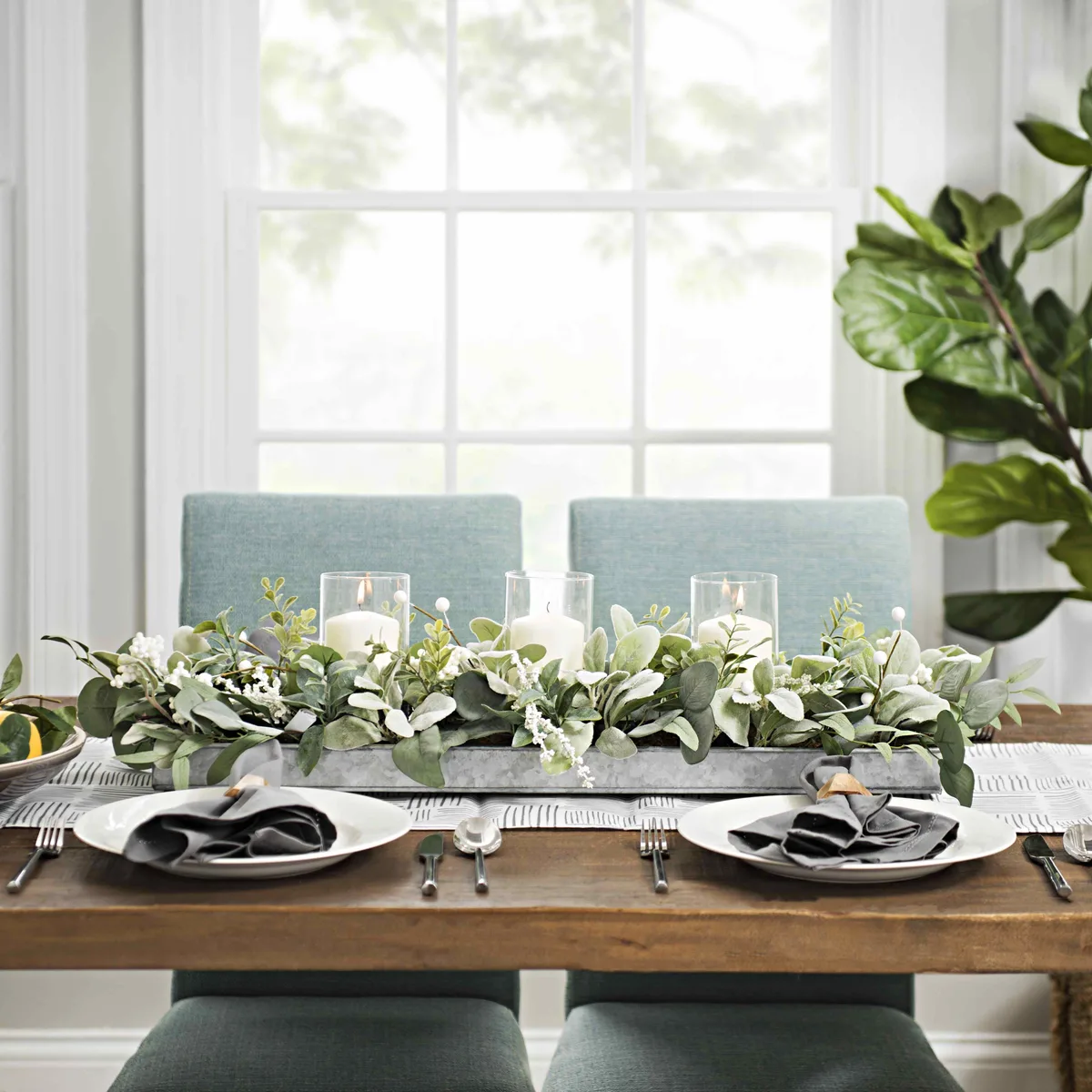
Image source: Bing (Web (fair-use with source credit))
Quick Answer
You should choose a dining room centerpiece based on table dimensions. Keep decor heights under 12 inches for clear guest communication. Use trays to maintain table surface functionality for meals.
Choose items that contrast with your table material for visual interest. Follow the one-third width rule for footprint scale. Keep flammable decor away from heat sources.
The Table-Ready Rule: Balancing Style and Sightlines
The golden rule for any centerpiece is that it should never force guests to lean around it. When guests sit down, their eyes naturally meet across the table. A tall, bulky arrangement creates a physical barrier that kills the flow of conversation.
Most interior design guidelines suggest keeping your centerpiece height under 12 inches to preserve these critical sightlines. This height allows you to see the person sitting opposite you while still providing a focal point. If your centerpiece is too tall, it becomes an obstacle rather than an accent.
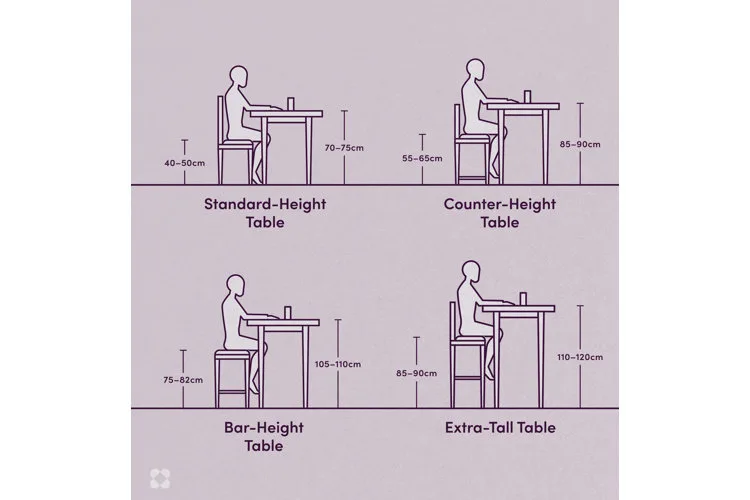
Image source: Web (Bing) / ar.inspiredpencil.com (Web image (fair-use with source credit))
If you are setting up for a buffet or a table that isn't being used for dining, you have more freedom. You can introduce height through tapered candles or sculptural floral branches. Just ensure you can easily move these pieces when it is time to serve a meal.
Scaling Your Centerpiece to Your Table’s Dimensions
Proportion is the difference between a curated look and a cluttered one. A tiny object on a long table feels lost, while a massive arrangement on a small bistro table leaves no room for dinnerware.
You should aim for your centerpiece footprint to occupy roughly one-third of the table width. This creates a visual anchor that feels proportionate to the furniture itself. It also leaves enough space on either side for plates, glasses, and serving dishes.
| Table Shape | Suggested Arrangement |
|---|---|
| Round | Single, circular focal point in the center. |
| Square | Minimalist grouping or one centered item. |
| Rectangular | Long runner or a series of 3 items spaced out. |
When you group items, odd numbers generally look more professional. Three items of varying heights create a dynamic, triangular shape that is pleasing to the eye. Use the tallest item as your anchor and surround it with two shorter, complementary pieces.
How to Group Objects for Visual Balance and Depth
Grouping objects is a skill that relies on texture and contrast to keep things interesting. If you place a dark ceramic bowl on a dark wood table, it disappears into the surface. Instead, look for materials that provide a visual "pop" against your furniture.
Start by varying the materials you include in your display. If you have a rustic wood table, try adding elements of glass, metal, or stone to bridge the gap between styles. This layering technique adds depth, making the table look thoughtfully styled rather than haphazardly thrown together.
- Incorporate greenery: Use a small vase with dried stems or fresh greenery for a natural feel.
- Add metallic accents: Brass or silver candlesticks reflect ambient light, warming up the room.
- Use seasonal fillers: Bowls filled with seasonal fruit or decorative spheres are easy to rotate.
- Layer a runner: A linen or fabric runner creates a soft base that grounds your decorative objects.
If you are stuck, look for inspiration through official design resources from groups like the National Kitchen & Bath Association, which provides technical guidelines on room flow. Their standards help you understand how decor affects the use of a space.
The Portable Tray Method for Multipurpose Tables
If your dining table doubles as a home office or homework desk, a stationary centerpiece is a constant nuisance. You don't want to spend five minutes clearing away delicate items every time you need to sit down for a quick task.
The tray method solves this by using a decorative tray as a mobile base. All your decorative elements live on the tray, making it a single unit you can lift and store in seconds. It transforms your centerpiece from a static object into a portable design element.
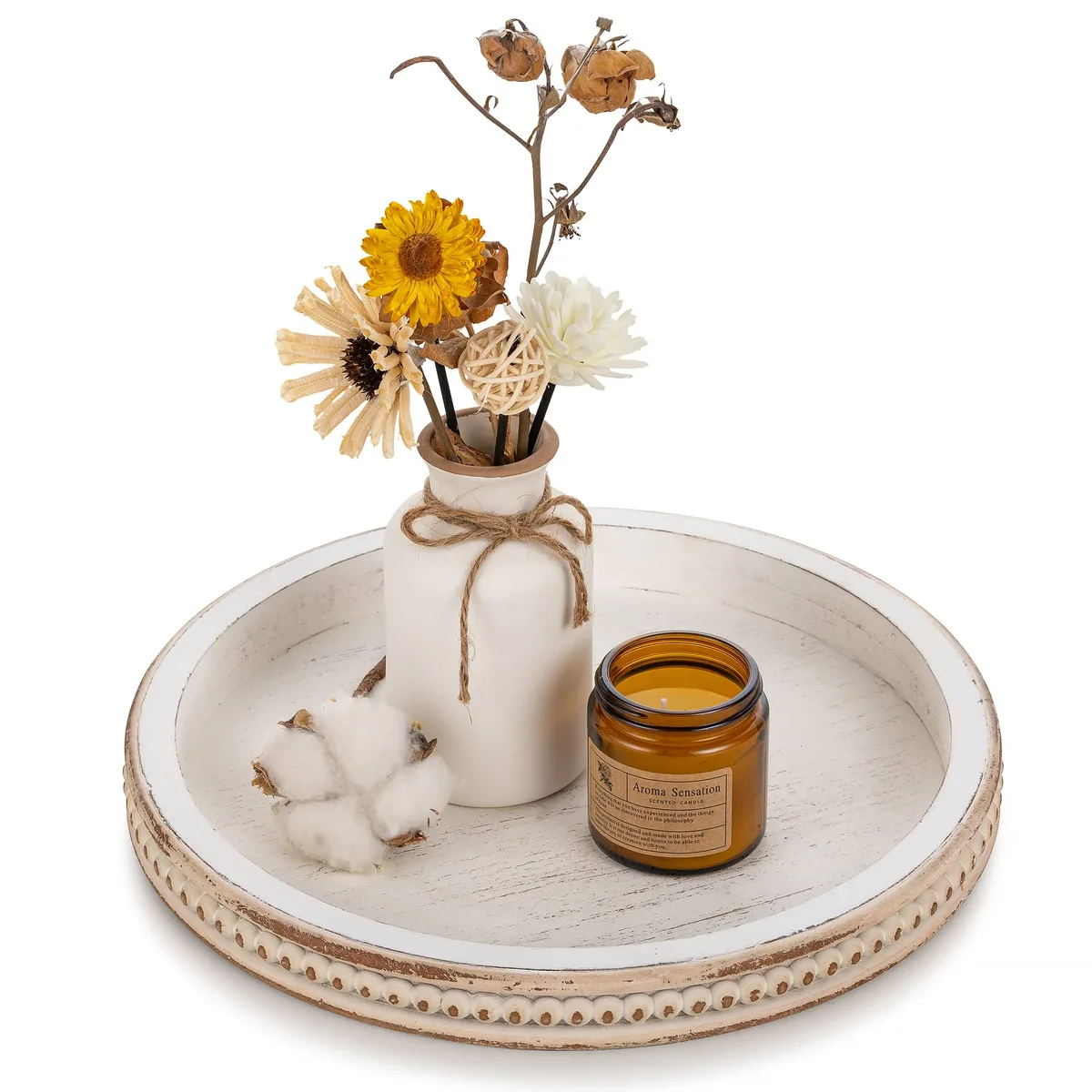
Image source: Web (Bing) / culinarycrafted.com (Web image (fair-use with source credit))
Choose a tray that is sturdy enough to hold the weight of your decor items. Material matters here; wood trays offer warmth, while metal or mirrored trays provide a clean, modern edge. Once the tray is set, you can place your items inside with confidence.
When you need the table surface, just pick up the tray and set it on a sideboard or kitchen island. Your table is clear for work, and your design stays perfectly intact until the next time you serve dinner.
Common Design Pitfalls That Ruin the Dining Experience
We often get caught up in how a centerpiece looks in a magazine, forgetting how it feels to live with it. A common mistake is using items that shed, such as glitter-covered decorations or fragile dried flowers. Crumbs and dust on a dining surface are distracting and unsanitary.
Another frequent error is ignoring the elbow room requirement. Even if your centerpiece looks beautiful, it shouldn't crowd the plate settings. If guests feel like they might bump your centerpiece while reaching for a water glass, the arrangement is too wide.
- Avoid scents: Heavily scented candles or flowers can overwhelm the aroma of the food you’re serving.
- Check weight: Extremely heavy centerpieces are a pain to move during cleanup.
- Watch the finish: Ensure your centerpiece base won't scratch the wood of your table.
- Check reflection: Mirrors are great, but a reflective surface can sometimes cause distracting glare from overhead lights.
If you find yourself rearranging the centerpiece every time you set the table, that is your cue to simplify. The best decor should support your activity, not require constant management. Keep your primary focal points stable, low, and easily removable to ensure your dining experience remains comfortable.
Safety Essentials: Fire Prevention and Surface Protection
Your centerpiece setup should prioritize physical safety above all else. If you choose to incorporate candles, always ensure the flame remains well below the eye level of seated guests. This prevents accidental contact and reduces the risk of hair or clothing catching fire.
Place candles in stable, heat-resistant holders that won't easily tip if the table is bumped. If your centerpiece includes taper candles, they must stand perfectly vertical. Never place lit candles near curtains, tablecloths, or dry foliage that could ignite easily.
Protect your table surface by checking the bottom of any heavy or rough-bottomed decor. Felt pads or rubber feet are inexpensive additions that prevent scratches on wood, glass, or stone surfaces. Moisture is another silent danger.
Use protective coasters or a waterproof mat if you intend to display fresh flowers that require water.
For more information on fire-safety standards, consult resources from the National Fire Protection Association. They provide extensive guidance on the proper placement of open flames in residential spaces. Following these protocols keeps your home secure while you enjoy your dining environment.
Frequently Asked Questions About Dining Decor
How do I clean my centerpiece without ruining it?
Use a soft microfiber cloth for dusting most decorative items. If the centerpiece consists of a tray with multiple objects, remove each piece individually to clean the surface underneath. Avoid using harsh chemical sprays on delicate finishes or porous materials like wood or natural stone.
Can I mix different styles in one centerpiece?
You absolutely can, provided there is a common thread to link them. Use a consistent color palette or similar material finishes to tie disparate items together. This creates an eclectic yet cohesive look rather than a cluttered mess.
What is the best centerpiece for a small kitchen table?
A single, compact focal point is usually the most effective choice for small spaces. A small bowl of fruit, a singular sculptural vase, or a low-profile plant works well. These options maintain the functionality of the table while adding a touch of personality without overwhelming the area.
How often should I change my centerpiece?
Many people choose to swap out centerpieces on a seasonal basis to reflect the changing environment. You might switch to bright florals for spring or deeper, earthy tones for autumn. There is no strict rule, so change it whenever you feel the room needs a fresh look.
Are candles allowed in every dining room centerpiece?
Candles are acceptable in most homes, but you must ensure they are placed away from flammable materials and kept out of reach of children or pets. Consider battery-operated LED candles as a safe alternative if you want the ambiance of a flame without the associated fire risk.