How to Decorate a Living Room Wall
Learning how to decorate a living room wall is about creating a sense of balance rather than just filling empty space. You can transform a plain room into an intentional design statement by focusing on scale, placement, and visual rhythm.
Effective wall styling relies on specific measurements to ensure art interacts well with your furniture. As of 2026, interior design standards suggest keeping your primary decor items centered at eye level to maintain a comfortable, human-centric aesthetic.
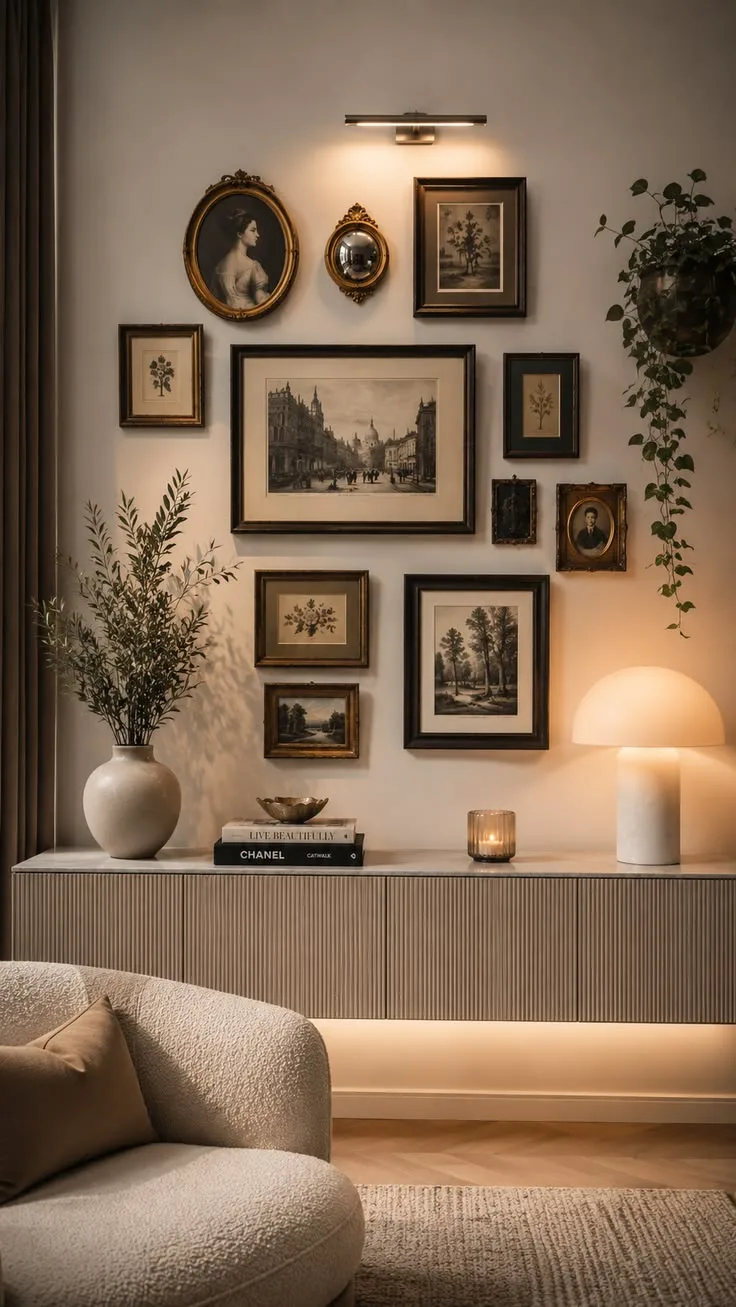
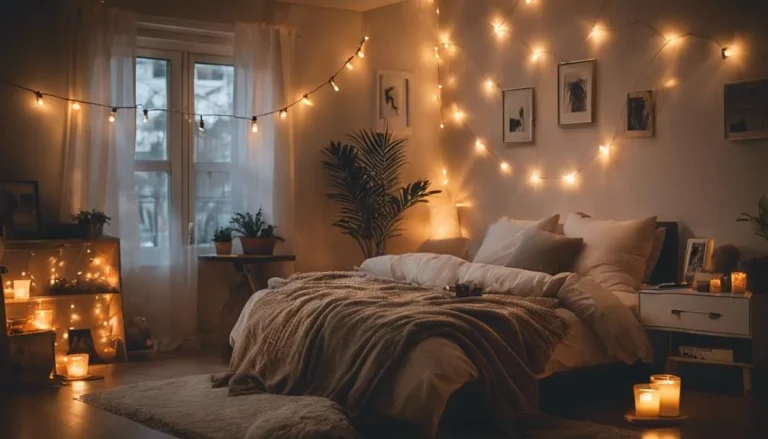
Image source: Web (Bing) / in.pinterest.com (Web image (fair-use with source credit))
Quick Answer
Decorating a living room wall requires balancing scale and room proportions. You should hang art at eye level for the best visual impact. Use painter tape to mock up layouts before installing any hardware.
Always anchor large items into wall studs for long-term safety. Follow furniture width ratios to keep your wall decor looking intentional.
Why Your Wall Feels Off (The Science of Visual Balance)
Your wall might feel incomplete because the items on it are disconnected from the furniture below. This lack of visual cohesion happens when decor floats in the middle of a wall without an anchor. Think of your wall as a vertical extension of your sofa or console table.
If an item is too small, it looks lost and creates a sense of emptiness. Conversely, if your decor is too large, it can overwhelm the furniture and make the room feel top-heavy. Designers often use the concept of visual weight to manage these perceptions.
Dark, solid colors appear heavier than light, airy prints.
Creating balance requires you to treat your wall and furniture as a single unit. You want the eye to move naturally from the floor up to the art. When items feel grounded, the entire space gains a sense of purpose and calm.
The Golden Ratios: Positioning Art for Maximum Impact
Precision is your best friend when installing wall decor. The industry-standard height for hanging art is 57 to 60 inches from the floor to the center of the piece. This range aligns with average eye level and prevents art from feeling disconnected.
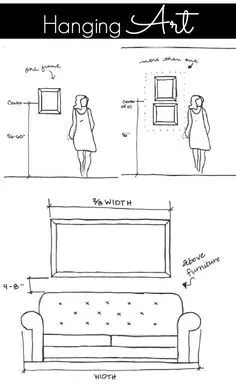
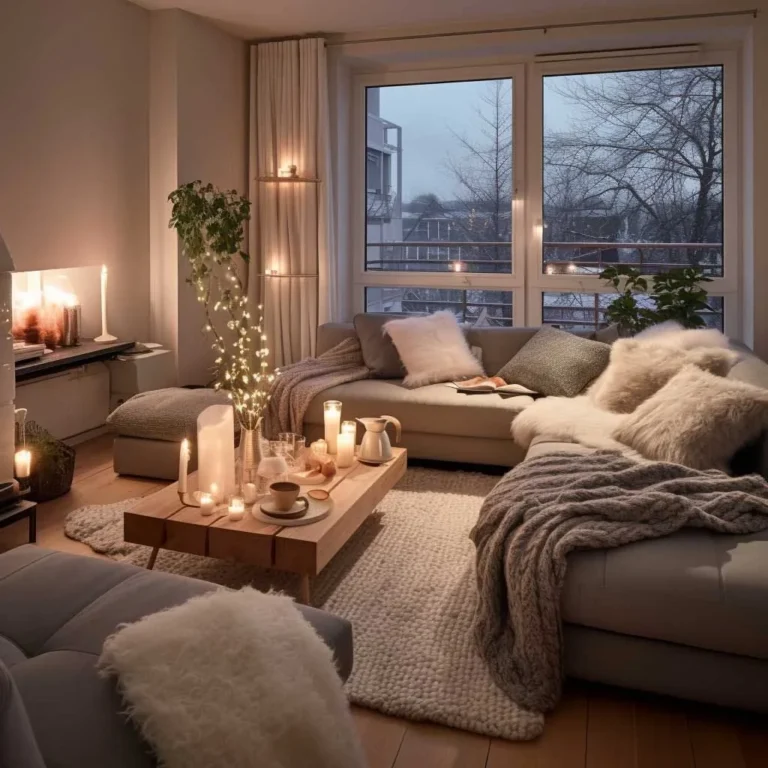
Image source: Bing (Web (fair-use with source credit))
When hanging items above a sofa, maintain a gap of 6 to 10 inches between the furniture and the bottom of your decor. If you hang it higher, the piece feels like it is drifting toward the ceiling. If you hang it too low, it may be hidden by throw pillows.
- Eye Level Benchmark: Aim for 57 to 60 inches from the finished floor.
- Furniture Gap: Keep a 6 to 10-inch buffer above your furniture.
- Width Rule: Cover roughly two-thirds of the width of the furniture below.
These rules provide a starting point for your layout. You can always adjust based on your specific ceiling height or the scale of your furniture. Consistency is the primary goal for a polished, professional look.
Choosing the Right Decor: Mirrors, Gallery Walls, and Large-Scale Art
The type of decor you choose should solve a specific problem in your living room. Mirrors work best in smaller or darker spaces because they reflect ambient light and create an illusion of depth. You should position them opposite windows to maximize the natural illumination.
Gallery walls offer a way to display multiple interests, but they require a bit more planning to avoid visual clutter. Use matching frames or a consistent color palette to tie different pieces together. This prevents a collection of frames from appearing like a random assortment of items.
Large-scale art serves as an excellent focal point in minimalist rooms. A single, high-impact piece creates a sense of sophistication without requiring complex arrangement skills. If you are uncertain about what fits, keep it simple.
A single large item is almost always safer than a crowded wall of small objects.
The Dry Run Method: How to Map Your Wall Before You Drill
The best way to avoid unnecessary holes in your drywall is to perform a dry run. Use kraft paper or old newspaper to cut out shapes matching your frames or decor pieces. Label them with a pencil so you can identify which item goes where.
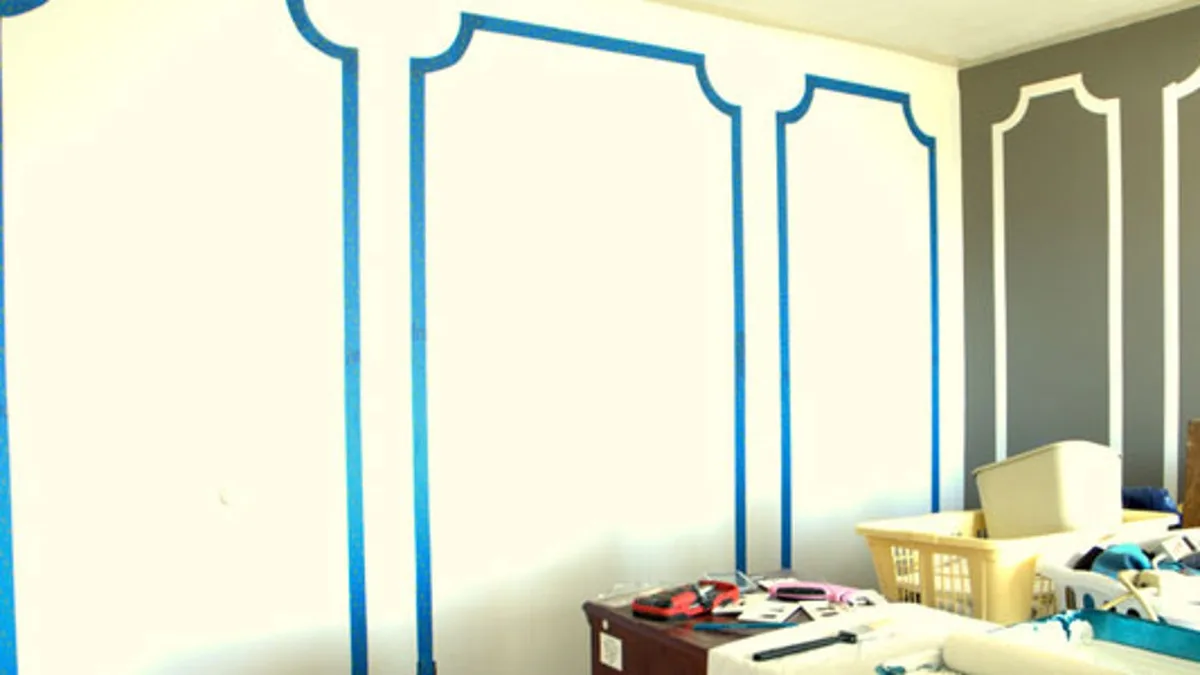
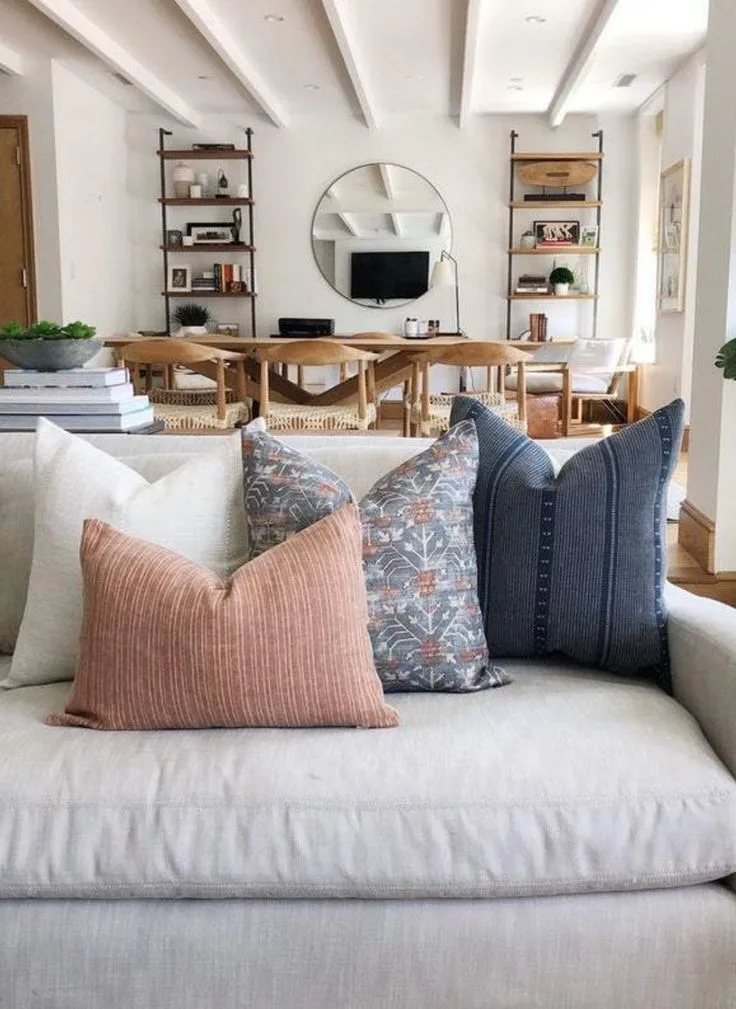
Image source: Bing (Web (fair-use with source credit))
Tape these paper shapes to the wall using painter tape, which is gentle on paint. This lets you step back and evaluate the arrangement from different angles in the room. You can easily adjust the height or spacing without damaging your wall surface.
- Step 1: Trace your frames onto paper and cut them out.
- Step 2: Use painter tape to stick the shapes onto the wall.
- Step 3: Experiment with spacing to ensure the arrangement is balanced.
- Step 4: Mark your nail or screw holes directly through the paper.
Check your alignment once more before you pick up the hammer or drill. This process eliminates the guesswork that often leads to crooked displays. It also ensures your final layout reflects the plan you envisioned.
Avoiding the Floating Effect: Common Spatial Mistakes
The most common error is hanging artwork that is too small for the wall. A tiny frame centered on a massive wall creates a lonely, disconnected look. You can solve this by grouping smaller items together to reach that two-thirds width rule.
Another frequent mistake is failing to account for the negative space around your decor. Negative space is the intentional area left empty to provide relief for the eye. A wall packed with too much decor leads to visual fatigue and makes the living room feel smaller.
Don't ignore the vertical alignment with other room features like windows or doorways. While you don't need perfect symmetry, your wall decor should respect the lines established by the architecture. For further guidance on home safety and wall mounting best practices, visit the National Institute of Standards and Technology website for information on hardware load ratings.
Safety First: Studs, Weight Ratings, and Wall Integrity
Securing heavy decor requires more than a simple nail in the drywall. You must locate a wall stud for any item weighing over 10 pounds. A stud finder helps you identify the wooden framing behind your drywall, which provides the necessary structural support to prevent items from falling.
Always verify the weight rating on your hardware before installation. Every picture hook or wall anchor comes with a maximum weight capacity, which manufacturers specify on the packaging. Ignoring these ratings is the primary cause of wall damage and potential injury.
- Under 10 lbs: High-quality adhesive strips or standard picture hooks work well.
- 10 to 30 lbs: Use heavy-duty wall anchors or drive screws directly into a stud.
- Over 30 lbs: Always use screws attached to a wall stud for maximum stability.
Consider the composition of your wall as well. Plaster walls require masonry bits and specialized expansion anchors to hold weight securely. If you live in an older home, ensure your anchors are compatible with lath and plaster materials to avoid crumbling your wall surface.
Frequently Asked Questions About Wall Styling
How do I hang items on a rental wall without damage?
You can use adhesive strips or thin masonry nails to minimize wall impact. Adhesive products are designed to peel away cleanly without taking paint with them. If your lease is strict, consider leaning large framed art against the wall on a console table instead of drilling holes.
Can I mix different frame styles on one wall?
Yes, mixing frame styles creates a curated and eclectic aesthetic. You should keep a single thread of consistency, such as matching colors or similar subject matter, to prevent a chaotic look. The key is to keep the overall visual weight balanced across the wall space.
Should all my art be at the exact same height?
No, you don't need a perfectly horizontal line unless you want a rigid, symmetrical display. Groupings work best when they relate to the furniture beneath them rather than a arbitrary line on the wall. Follow the 6 to 10-inch furniture gap rule, and your arrangement will feel naturally anchored.
How do I keep a gallery wall from looking cluttered?
Focus on the spacing between each frame to maintain a sense of order. Aim for 2 to 3 inches of space between items in a gallery grouping. A consistent gap width allows the eye to process the collection as one cohesive unit rather than a series of disconnected images.