How to Choose Wall Art for a Room
Finding the right piece for your home requires more than just picking a design you like. Knowing how to choose wall art for a room involves balancing your personal taste with the physical geometry of your space.
You don't need to be an expert to get it right. By focusing on scale, placement, and color, you can transform any room into a cohesive, finished environment as of 2026.
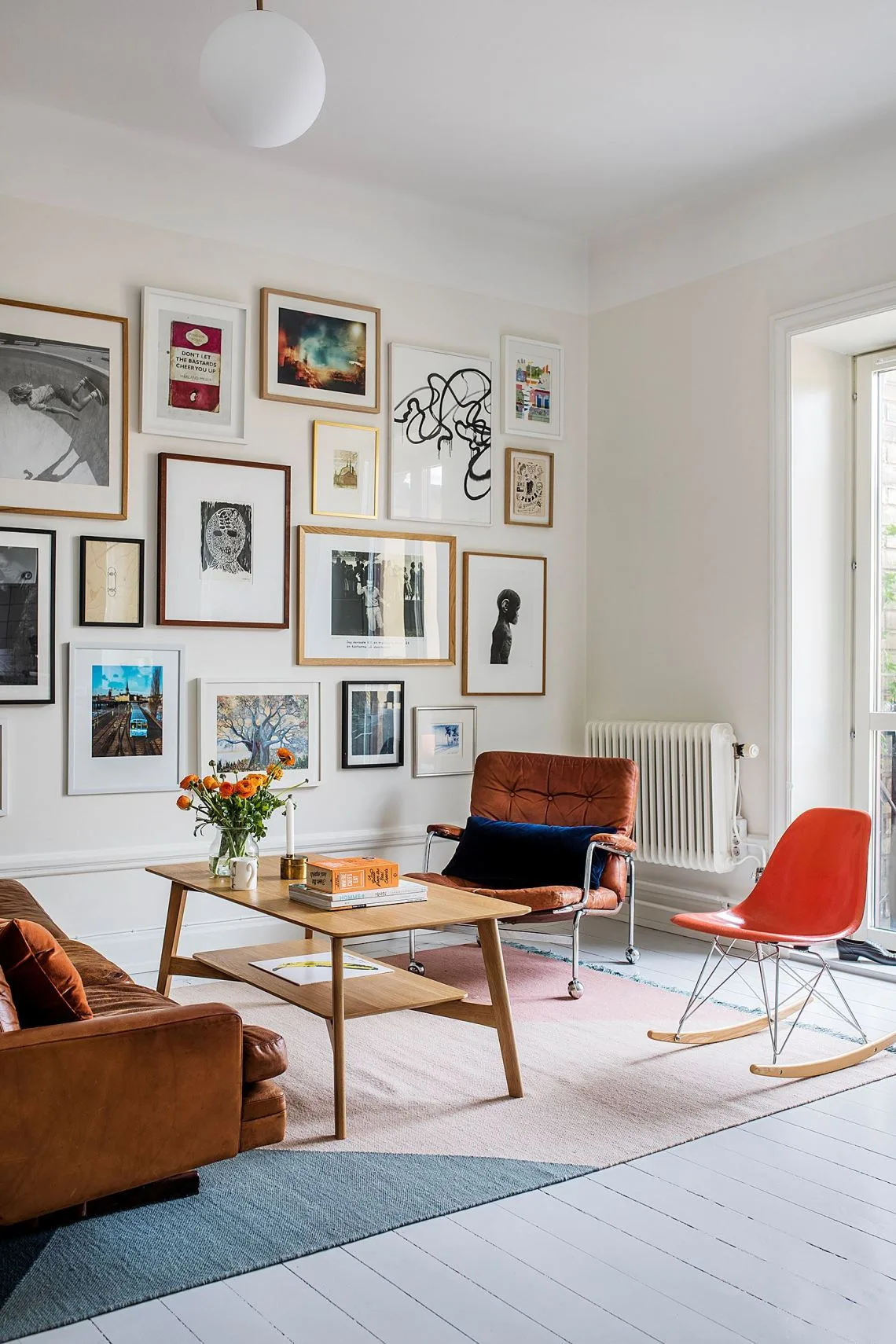
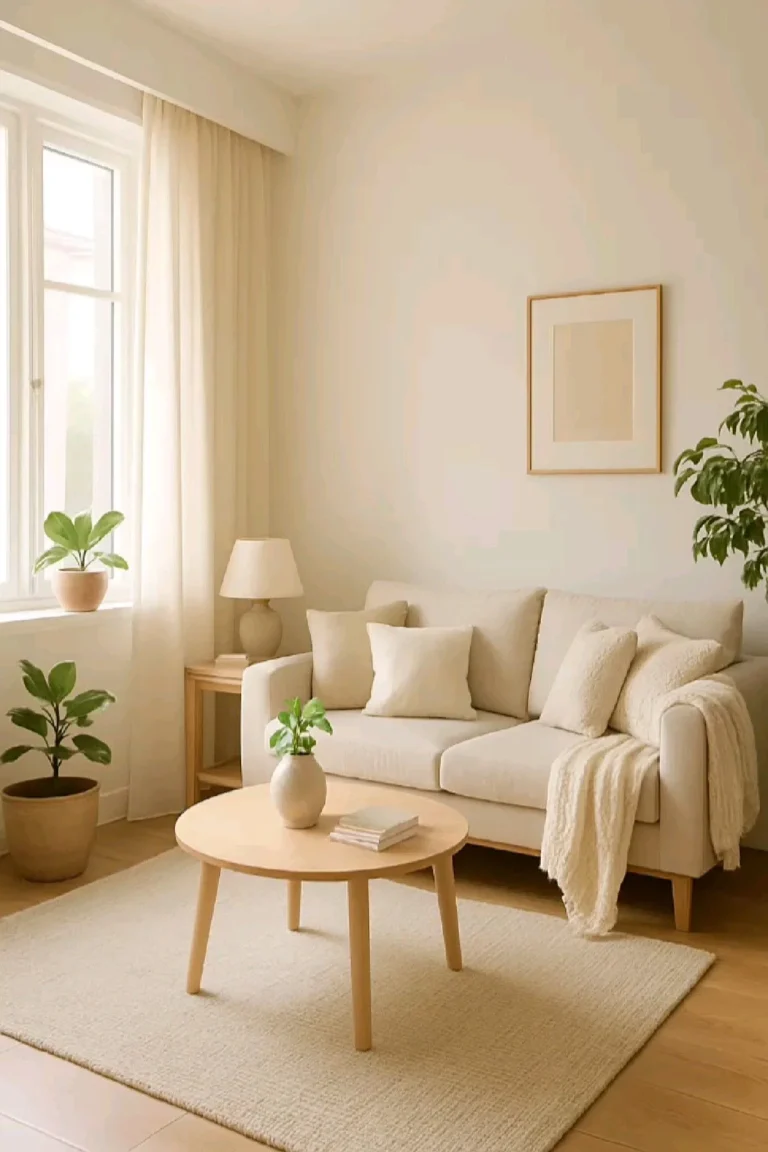
Image source: Web (Bing) / cocolapinedesign.com (Web image (fair-use with source credit))
Quick Answer
Choose wall art by matching the scale to your furniture. Hang pieces at eye level to ensure comfort. Select colors that bridge your existing decor elements.
Use negative space to avoid making rooms feel crowded. Keep your layout balanced for a professional, cohesive look.
The Art of Scale: Getting the Proportions Right
Scale remains the most common factor that keeps a room from looking finished. If you hang a tiny print on a large, empty wall, the art gets lost. Conversely, a massive canvas that dwarfs your sofa can make the entire area feel compressed.

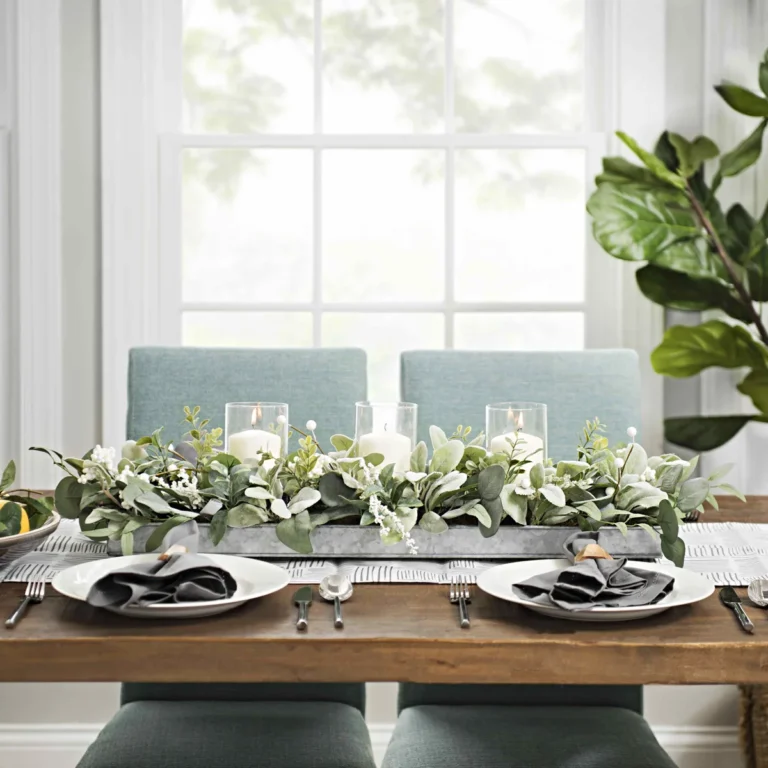
Image source: Web (Bing) / cheatsheetdesign.com (Web image (fair-use with source credit))
You should use the two-thirds rule to guide your selection. Aim for artwork that spans about two-thirds to three-quarters of the width of the furniture below it. This creates a visual anchor that grounds the space.
- Small walls: Go for vertical, narrow pieces or smaller groupings.
- Large walls: Opt for a single large statement piece or a well-planned gallery wall.
- Furniture relationship: Treat the art and the furniture below it as a single unit.
If you are working with a large sectional, a single oversized canvas or two matching prints side-by-side often works better than many small items. This prevents the wall from feeling cluttered.
The 57-Inch Rule and Other Spatial Essentials
Hanging art at the wrong height is a mistake that disrupts the flow of a room. Most residential designers and museum experts follow the 57-inch rule for hanging art. This refers to the distance from the floor to the center of the artwork.
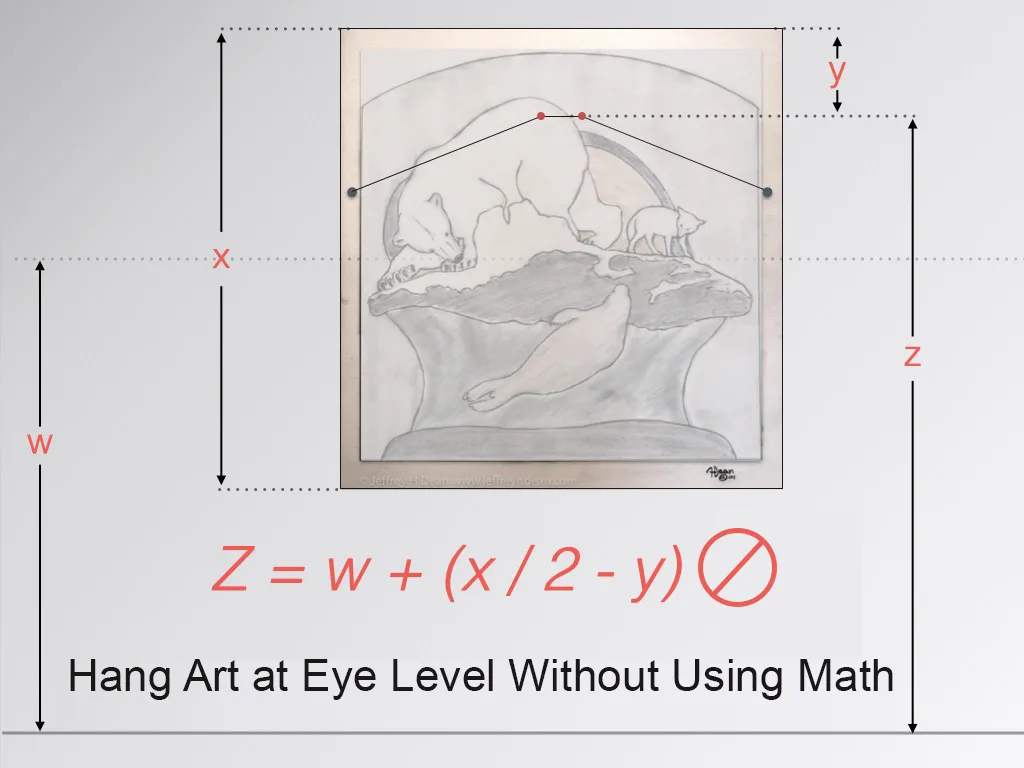
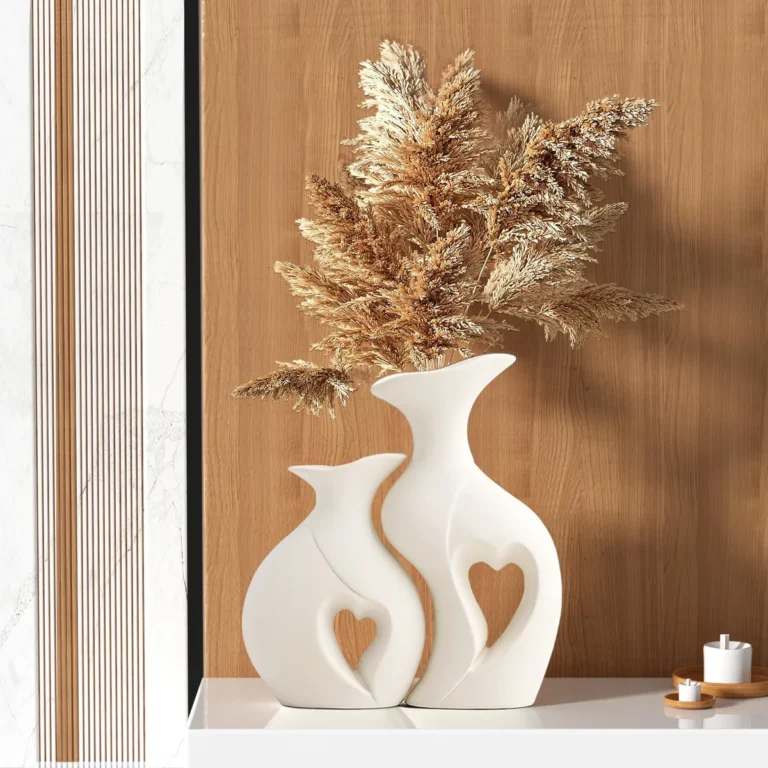
Image source: Web (Bing) / storage.googleapis.com (Web image (fair-use with source credit))
This height aligns the center of your piece with the average human eye level. If you have very high ceilings, you might adjust this slightly upward, but keeping the center within the 57 to 60-inch range ensures the work feels connected to the rest of the room.
- Check your sightlines: If you are hanging art over a sofa, ignore the floor-to-center measurement.
- The sofa gap: Position the bottom of the frame about 6 to 10 inches above the top of the sofa back.
- Consistency: Maintain a uniform center point if you are hanging multiple pieces in a row.
Standard hardware guidelines provided by the American National Standards Institute remind us to choose fasteners appropriate for your wall type. Drywall, brick, and plaster all require different anchors to keep your art secure.
Balancing Visual Weight: Single Pieces vs. Gallery Walls
You must decide if you want a single focal point or a collection of smaller items. A single large piece acts as a strong, singular statement. It simplifies the wall and directs the eye immediately to one location.
Gallery walls offer a different advantage. They allow you to tell a story or display multiple memories without needing one giant, expensive print. These require more planning to maintain balance.
| Approach | Best For | Visual Impact |
|---|---|---|
| Single Statement | Minimalist rooms | Bold, clean, focused |
| Gallery Wall | Eclectic, cozy spaces | Personal, layered, busy |
| Triptych/Set | Wide, expansive walls | Balanced, symmetrical |
If you choose a gallery wall, use a consistent frame finish to keep the look intentional. Aim for 2 to 3 inches of space between each frame. You can lay these out on the floor first to test the composition before you ever touch a hammer to your wall.
Choosing Art That Connects with Your Existing Decor
Art functions best when it communicates with the colors already present in your home. You do not need to match your art to your rug perfectly. Instead, look for a bridge color.
A bridge color is a secondary or accent shade present in your textile, pillows, or rug that also appears in your artwork. This creates a psychological connection between the furniture and the wall.
- Cool tones: Blues, greens, and grays create a relaxing, calm atmosphere.
- Warm tones: Reds, oranges, and deep browns add energy and intimacy to a space.
- Neutral palettes: Black, white, and beige help ground a room filled with bold patterns.
Think about the frame as well. A heavy, dark wood frame adds weight and formality to a room. A thin, light metal or acrylic frame keeps the look modern and airy.
Consider the existing finish of your hardware, like lamps or door handles, when selecting your frame materials.
Avoiding the Most Common Wall Decor Pitfalls
Mistakes in wall decor usually stem from rushing the process. Many people choose art that is too small for the wall, or they hang pieces in a way that feels disconnected from the furniture below.
Don't ignore the importance of lighting. If you have a beautiful piece of art, it deserves to be seen in the evening. Consider simple track lighting or an adjustable picture light if your overhead lighting leaves the art in shadow.
- Avoid floating art: Never let your art hang in isolation halfway up a wall. It needs a partner like a table or chair below it to feel grounded.
- Don't over-decorate: It is often better to have one empty wall than to fill every available inch of space with random items.
- Watch for glare: Avoid placing glossy glass-covered art directly across from large windows. The reflection will make it impossible to see the image during the day.
If you find yourself stuck, take a photo of your room. Looking at a small, two-dimensional image of your space often makes it easier to spot where the balance is off. Adjust the placement of your pieces until the visual weight feels distributed evenly across the room.
Mastering the Hanging and Mounting Process
Securing art to your wall requires matching the hardware to your wall material and the weight of the frame. You should always determine your wall type before choosing fasteners. Drywall often requires wall anchors or toggle bolts for heavier frames, while masonry might necessitate a specialized drill bit and concrete screws.
Start by marking your intended placement with a light pencil. Use a level to ensure the piece sits perfectly horizontal before drilling. If you use a wire hanging system, make sure the wire is taut against the back of the frame, which keeps the art from tilting forward.
- D-rings: Best for heavier pieces, these provide two points of contact for extra stability.
- Sawtooth hangers: Useful for lighter, smaller prints, but they allow for less adjustment once on the nail.
- Cleat systems: Ideal for heavy canvases or large frames, as they distribute weight evenly across the wall.
Avoid using adhesive strips if the art is valuable or if your walls have textured paint, as they can pull off surface layers when removed. Always verify the weight capacity of your hardware against the actual weight of your framed piece to prevent accidental falls.
Frequently Asked Questions About Curating Your Walls
How do I stop my gallery wall from looking messy?
Keep the spacing between frames uniform throughout the entire display. A 2 to 3-inch gap is standard for most gallery arrangements. You can also unify the look by using matching frame colors or a consistent matting style, even if the actual images vary in subject or color.
Can I mix different frame styles in one room?
Yes, mixing frame styles often adds a curated, collected feel to a living space. Try to maintain one constant factor, such as the wood tone or the frame depth, to keep the mix from looking chaotic. If your room is very modern, a few vintage frames can provide a much-needed touch of warmth.
What is the best way to clean wall art?
Dust your frames and glass surfaces regularly with a dry, microfiber cloth to prevent buildup. Avoid using household glass cleaners directly on the glass, as liquid can seep into the frame and damage the print or matting. Instead, spray a small amount of cleaner onto your cloth, then wipe the glass carefully.
Should I use glass for all of my wall art?
Glass provides protection against dust and humidity, but it can create unwanted glare in brightly lit rooms. If reflection is an issue, consider using anti-reflective or museum-grade glass for your most important pieces. For some textures like canvas or textiles, no glass is necessary, which eliminates reflection concerns entirely.
How do I refresh my decor without buying new art?
You can easily update your space by swapping frames or rearranging existing pieces into a new configuration. Consider moving art from one room to another, as a print that feels tired in your bedroom might look completely fresh in your hallway. Rotating art seasonally can also keep your home feeling updated.