How to Decorate Without Buying New Furniture
You can learn how to decorate without buying new furniture by focusing on the items you already own. Most homes are full of untapped potential hiding in plain sight.
By rearranging your existing pieces and adjusting your lighting, you’ll transform the look and feel of your living space. This approach proves that style relies on creativity, not a retail budget, as of 2026.
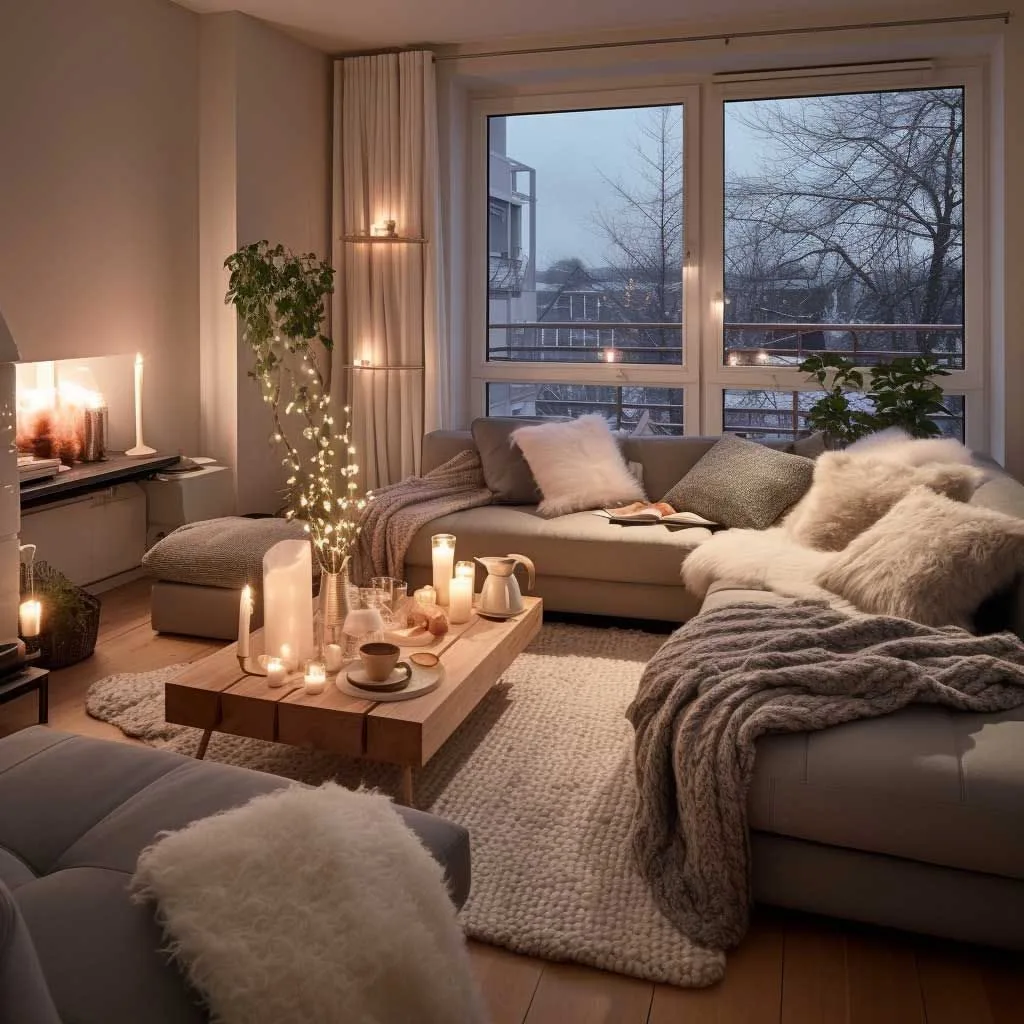
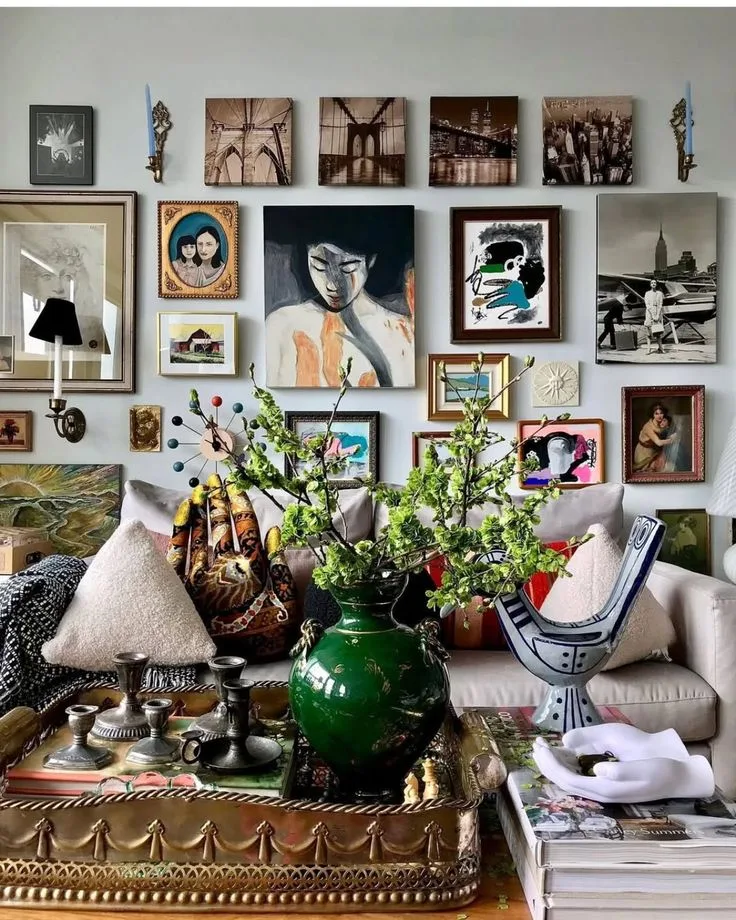
Image source: Web (Bing) / pinterest.com (Web image (fair-use with source credit))
Quick Answer
You decorate without new items by rearranging existing furniture. Clear every surface to start with a blank canvas. Group decorative objects in odd-numbered sets for balance.
Swap textiles between different rooms to refresh your color palette. Improve room warmth by using lamps instead of overhead lighting.
The Shop Your Home Philosophy: Why Your Best Decor is Already Inside
The "Shop Your Home" method is a simple strategy for refreshing your interiors by utilizing what you already possess. Instead of browsing stores, you treat your current collection of goods like an inventory. This process forces you to look at everyday objects with a fresh perspective.
Start by gathering decorative items from every room in your house. Take vases, books, trays, and frames and place them on a dining table to see what you have available. You will likely find pieces that were hidden in corners or stored in cabinets that fit perfectly in your main living space.
Moving items from their usual spots creates an instant change in your home’s visual landscape. A piece of art from a hallway can become a stunning focal point above a sofa. This practice minimizes waste and ensures that your space feels curated and deeply personal.
Clearing the Canvas: The Power of Editing and Surface Management
Before you try to style your space, you must remove the clutter. Clear every surface completely, including bookshelves, mantels, and coffee tables. This action provides a blank canvas that helps you identify the true shape of your room.
A cluttered surface often masks good furniture. Once your surfaces are empty, you can better judge which items deserve to be displayed. If an object does not serve a functional purpose or bring you joy, consider tucking it away.
Keep the following rules in mind when editing your items:
- Edit ruthlessly: If you haven’t used or enjoyed an item in a year, it is ready for storage or donation.
- The 20% rule: Try removing 20% of the decor items from a room to see how the space breathes.
- Function first: Prioritize pieces that add texture or height to your room rather than just filling space.
Research from university extension services, such as the University of Minnesota Extension, emphasizes that home organization is the foundation of good interior design. By reducing the number of objects on display, you allow the eye to rest. This makes your home feel intentional rather than filled.
Reimagining Your Layout: How to Float Furniture for Better Flow
Many homes suffer from the "waiting room" effect where every piece of furniture is shoved against the walls. Pulling your main furniture items away from the walls is a quick way to create an intimate, sophisticated look. This technique is known as floating your furniture.
By creating a "floating" seating area, you define a zone that feels distinct from the rest of the room. This works especially well in large rooms or open-concept floor plans. You gain access to the space behind your sofa for a console table or even a small desk.
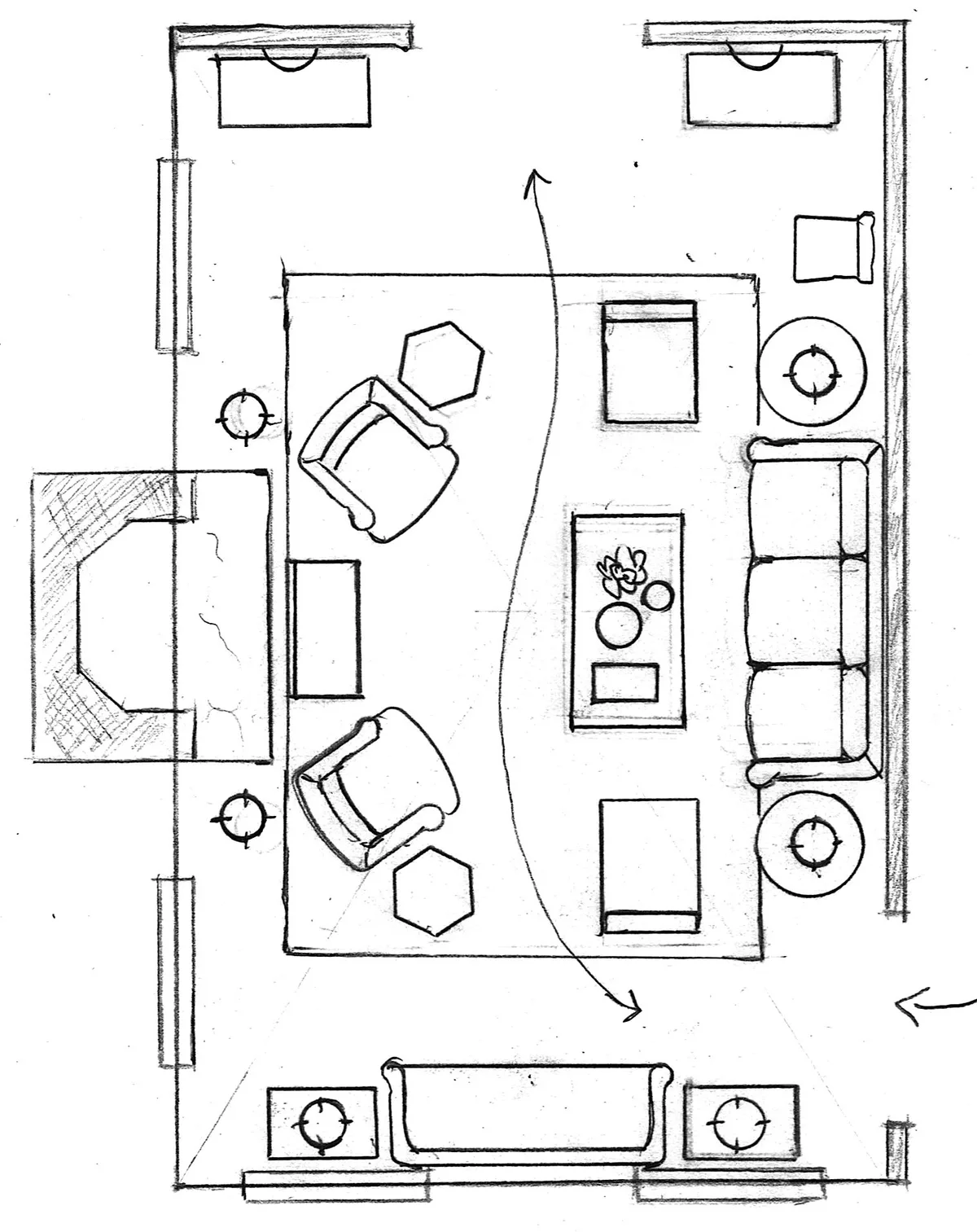
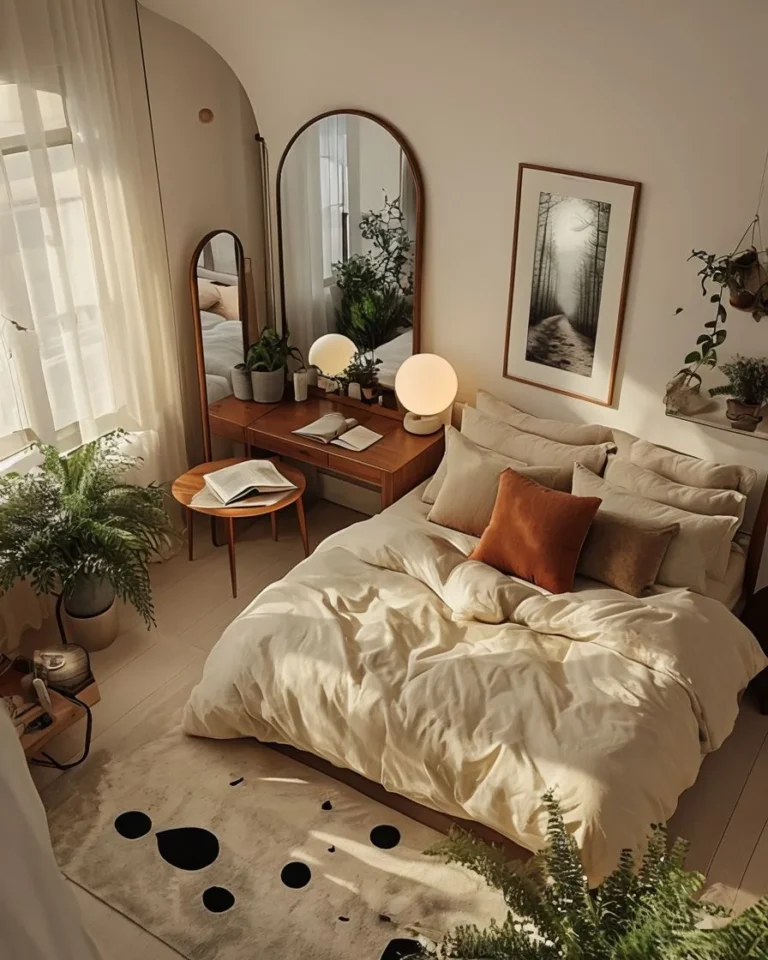
Image source: Web (Bing) / storage.googleapis.com (Web image (fair-use with source credit))
Consider these layout tips when you start moving pieces:
- Create a focal point: Angle chairs toward a fireplace, a large window, or a piece of wall art.
- Maintain paths: Ensure you have at least 30 inches of space for clear walking paths around your furniture.
- Encourage conversation: Position chairs close enough that you can have a conversation without shouting.
The Art of Visual Balance: Grouping, Scale, and Negative Space
Visual balance is the secret to making a room feel finished rather than just messy. You can achieve this by arranging your items in clusters rather than scattering them across a room. The rule of three is a reliable standard for this type of styling.
When you group items in odd numbers, your eyes are more likely to move across the display in a smooth rhythm. Try combining items of varying heights, shapes, and textures to keep the display interesting. A tall candlestick, a medium-sized bowl, and a small stack of books create a balanced triangle shape.
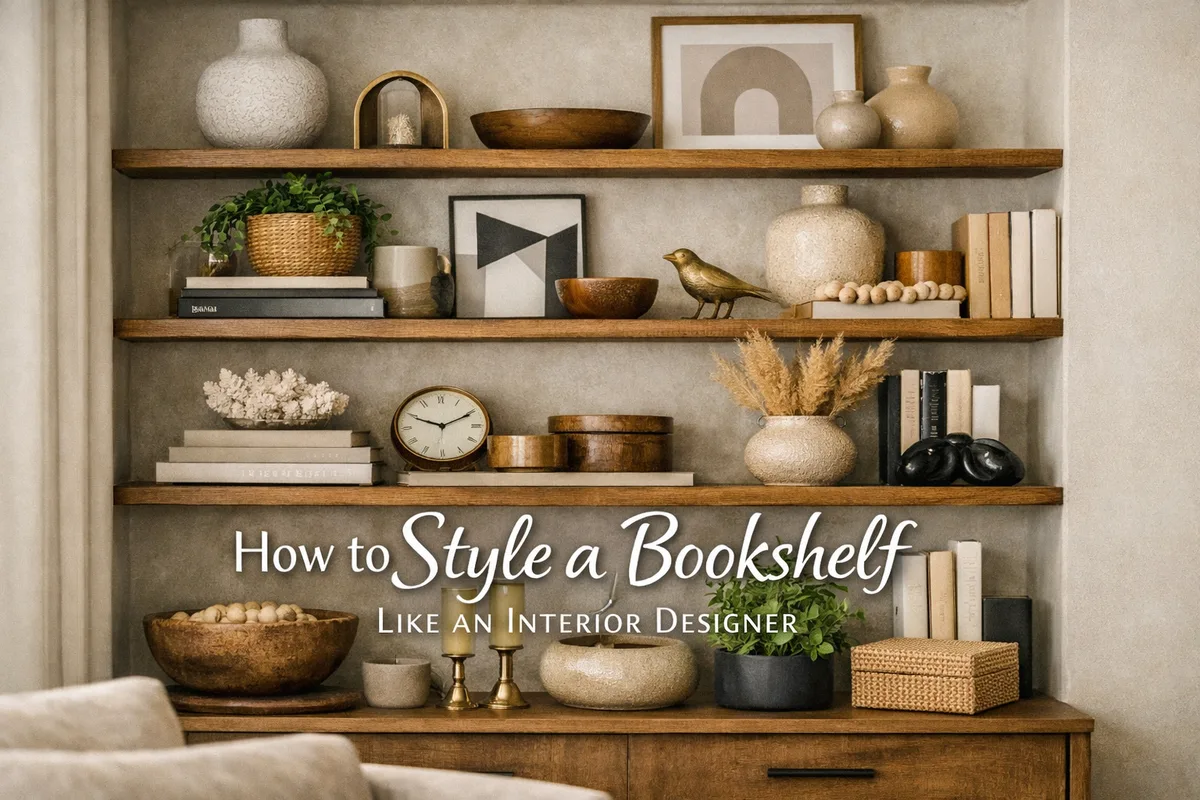
Image source: Bing (Web (fair-use with source credit))
Pay close attention to scale when mixing these pieces. Large furniture pieces need larger decor items to balance them out. Tiny trinkets can get lost on large surfaces, making the room feel disorganized.
| Design Element | Goal | Action |
|---|---|---|
| Height | Create interest | Combine tall, medium, and short items. |
| Negative Space | Avoid clutter | Leave empty gaps between groups. |
| Texture | Add warmth | Mix smooth ceramics with rough wood. |
Atmospheric Curation: Using Lighting and Textiles to Shift Mood
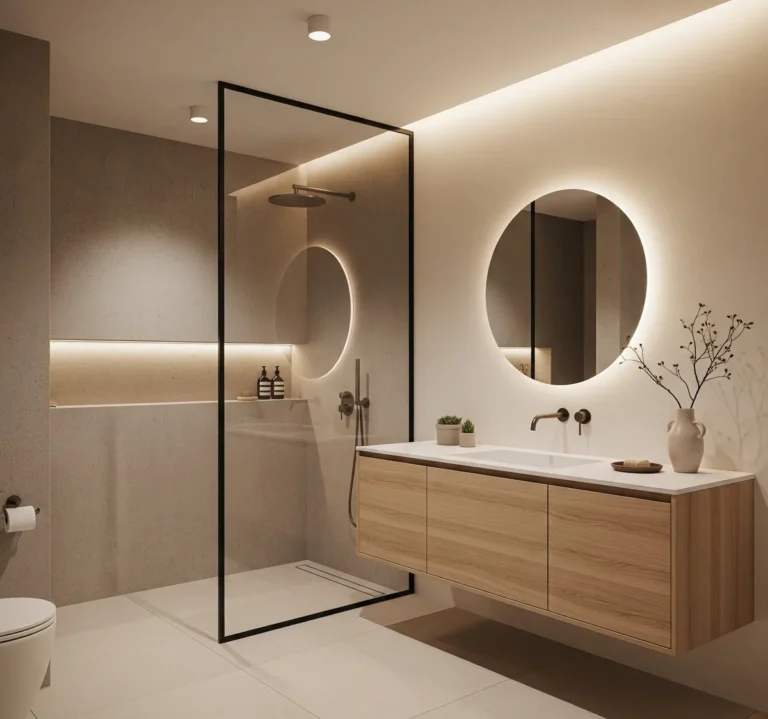
Lighting determines how your furniture and decor actually look. Many people rely entirely on overhead lighting, which creates harsh shadows and makes a room feel clinical. Swap your main light source for a combination of floor lamps and table lamps to create a warm, inviting glow.
Aim for a color temperature between 2700K and 3000K for all your bulbs. This range provides a soft, warm light that mimics the quality of sunset. You can often find this information on the packaging of your lightbulbs, as defined by standards from NIST regarding color perception.
Textiles are the final layer that softens a room. Try these swaps to refresh your space:
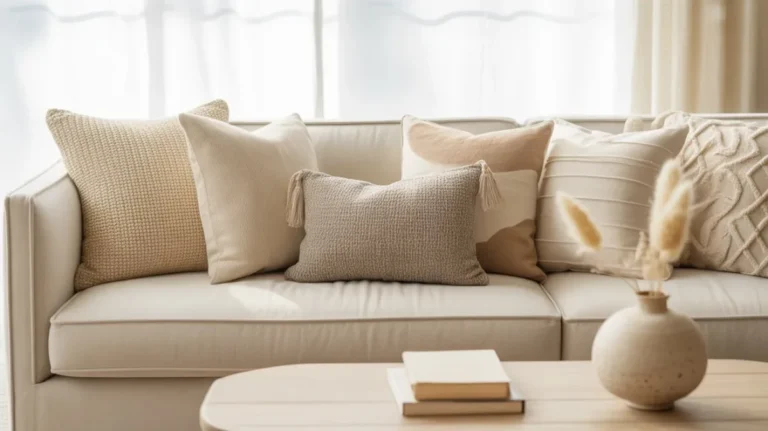
- Pillow Rotation: Move decorative pillows from your guest bedroom to your living room to instantly change the color palette.
- Rug Layering: If you have two small rugs, place one partially over the other to create a larger, textured area.
- Drapery Adjustment: Move your curtains from a less-used room to your main area, or simply try re-hanging them higher toward the ceiling to add height.
Common Visual Pitfalls That Make a Room Feel Stale
A room often feels tired because of common setup mistakes that go unnoticed over time. The most frequent error is leaning too heavily on symmetry in spaces that require more movement. While matching lamps and tables provide order, they can also make a room look like a generic catalog page.
Another pitfall is ignoring the vertical plane of your room. Many people focus entirely on floor-level furniture and leave their walls bare. Empty walls at eye level make a space feel bottom-heavy and cramped.
Consider moving existing mirrors, prints, or fabric hangings higher to draw the eye upward and create an illusion of increased ceiling height.
Finally, check for matching syndrome. If every piece of wood or metal in a room matches exactly, the space will feel stiff and one-dimensional. Don't be afraid to mix a wooden chair with a metal table or a fabric ottoman.
Contrast creates depth, and depth makes a room feel expertly designed rather than simply furnished.
Frequently Asked Questions About Zero-Cost Interior Styling
How do I know if I have too much decor?
If you feel overwhelmed when you look at a surface, you likely have too many items. Take everything off and put one item back at a time. If the space feels calm and intentional, you are done.
Packing away extra items in a box is a simple way to test if you truly miss them.
Can I mix styles from different rooms?
Yes, mixing styles is often the key to a unique home. A modern lamp on a vintage wooden table creates a sophisticated contrast that adds character. As long as the items share a common color thread or scale, they will look great together.
How do I improve lighting without buying new fixtures?
Start by relocating lamps from other rooms to create better distribution. Change your bulbs to a warmer, softer tone to improve the mood instantly. Moving a lamp closer to a dark corner can also eliminate the harsh contrast of an overhead light.
What is the best way to clean and prep items for a refresh?
Dust your surfaces and wipe down your decor items with a damp cloth before moving them. This small act makes old pieces feel new and clean. When you display them in a fresh, uncluttered environment, even familiar objects will look intentional and polished.