How to Choose Throw Pillows for a Sofa
Learning how to choose throw pillows for a sofa requires balancing aesthetics with everyday utility. You want a setup that looks intentional without turning your seating area into a cluttered obstacle course.
Most design experts recommend following a 60/30/10 ratio to maintain visual harmony. Per 2026 interior styling standards, standard throw pillow sizes range from 12-inch lumbar supports to 24-inch floor cushions.

Image source: Bing (Web (fair-use with source credit))
Quick Answer
Choose throw pillows by balancing size, texture, and color. Use larger pillows as anchors in the back corners. Add smaller layers in front for depth.
Match fabric weight to your sofa material. Ensure comfort by avoiding overcrowding the seat.
Why Your Sofa Needs a Visual Strategy
A sofa often acts as the focal point of a living room. Without proper styling, it can feel unfinished or disjointed from the rest of the space. A clear visual strategy helps you create a cohesive look that ties your room’s color palette together.
You want your pillows to act as a bridge between the furniture and your existing decor. This includes pulling colors from your area rug or window treatments to create a flow. When you plan your arrangement, you avoid the mistake of buying random patterns that clash.
Think of your sofa as a canvas. You are building a composition rather than just piling items. This approach ensures your living room feels curated and professional.
Selecting the Right Shapes and Sizes for Your Space
Scale is the most important factor in preventing a messy look. If your pillows are all the same size, they will appear stiff and formal. You need a mix of dimensions to provide visual interest and physical support.
- Large (20, 22 inches): These act as the foundation for your corners.
- Medium (18 inches): These sit in front to build the middle layer.
- Small (12, 14 inches or lumbar): Use these for a final decorative touch.
Low-profile sofas work best with smaller pillows. Large cushions can dwarf the furniture and make it impossible to sit comfortably. Always measure your seat depth before you commit to a specific size.
Mastering the Balance of Texture and Color
Texture adds warmth and prevents a sofa from looking flat. If your sofa is made of a smooth material like leather, you should introduce softer fabrics. Wool, chunky knits, and velvet work well to provide a cozy contrast.
If your sofa is fabric, consider incorporating leather or metallic accents. This creates a refined look that changes how the light hits your furniture. Follow this breakdown to categorize your selections:
| Pillow Type | Role | Recommendation |
|---|---|---|
| Anchor | Solid base | Neutral linen or cotton |
| Connector | Ties in colors | Subtle geometric patterns |
| Star | Personality | Bold velvet or textured trim |
Stick to a neutral base for the majority of your pillows. Save the bold colors for your accent pieces. This strategy allows you to update your room easily without replacing the entire set.
Choosing High-Quality Inserts for Lasting Comfort
The cover is only half the battle. The insert determines how the pillow holds its shape over time. Cheap polyester fiberfill often goes flat after a few weeks of use.
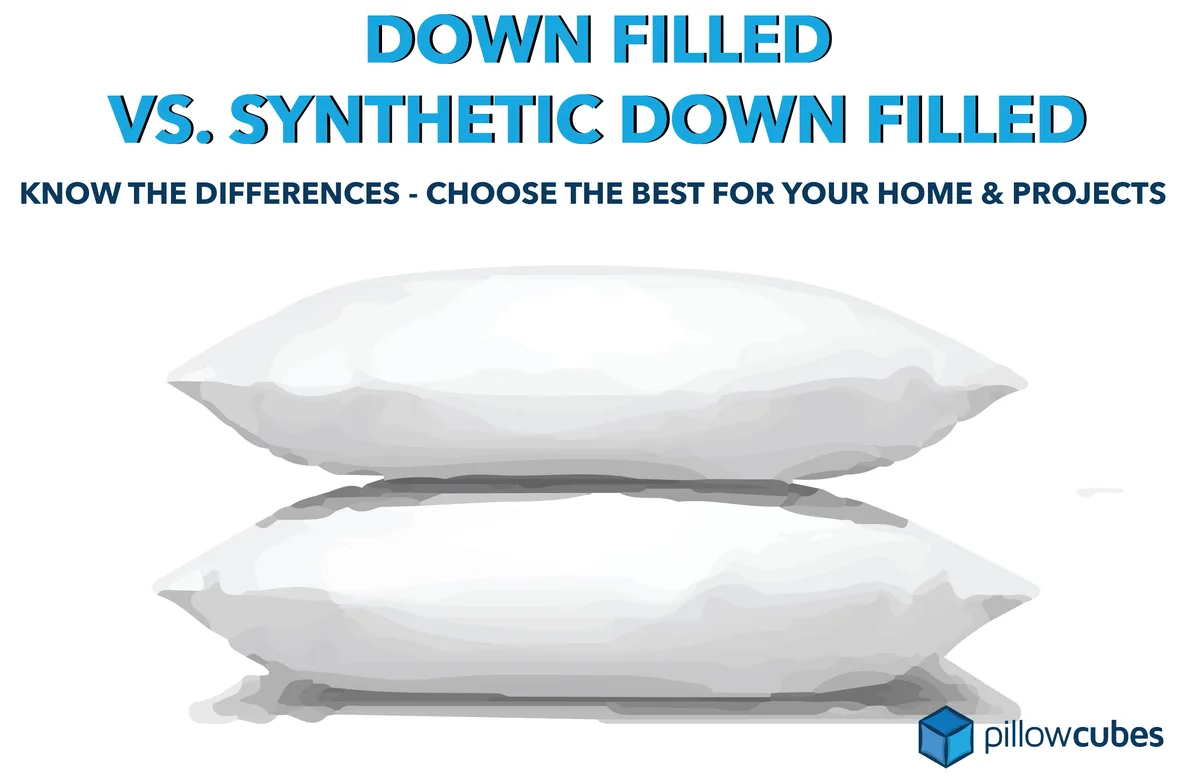
Image source: Web (Bing) / wilportpillow.com (Web image (fair-use with source credit))
Down or high-quality down-alternative inserts offer the best loft and "choppability." Manufacturers often suggest sizing up for a fuller appearance. Use an insert that is 2 inches larger than your cover.
An 18-inch cover, for example, needs a 20-inch insert. This simple trick fills out the corners and removes the "empty" look that lower-quality setups often suffer from. You can find more information on upholstery maintenance standards at ASTM International.
Step-by-Step Styling for a Professional Look
Start by placing your largest, neutral pillows in the back corners of the sofa. These provide a structure that grounds the entire arrangement. Move inward by adding your medium-sized, patterned pillows in front of the anchors.
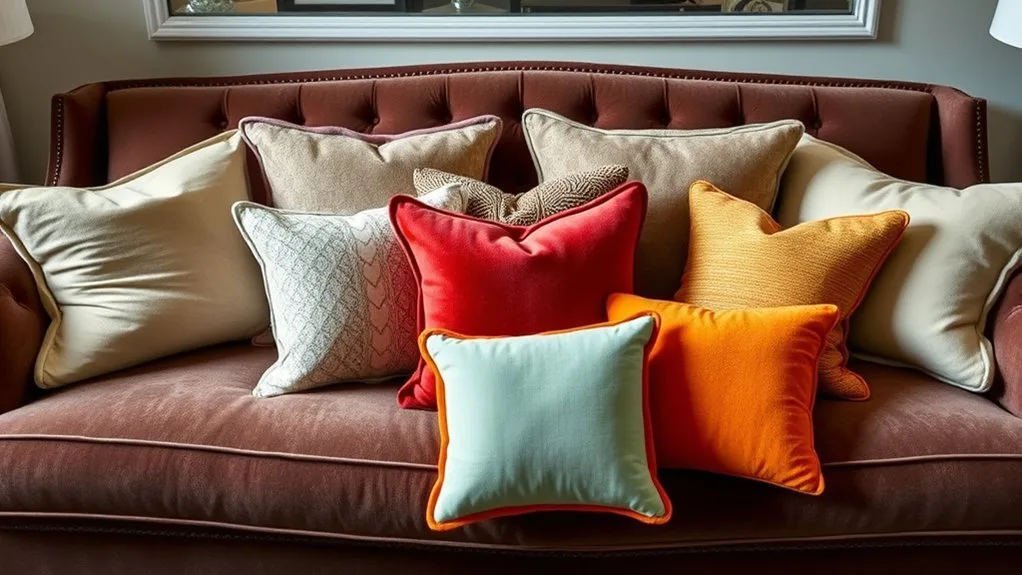
Image source: Bing (Web (fair-use with source credit))
Place your smallest or lumbar pillow directly in the center. This creates a balanced, symmetrical look that is easy to maintain. If you prefer a more relaxed vibe, move the pillows slightly off-center for a layered effect.
Always test your setup before finalizing the arrangement. Sit on the sofa to ensure you aren't removing more than two pillows just to get comfortable. If you find yourself fighting for space, reduce the number of cushions.
Common Layout Mistakes That Ruin Your Sofa's Comfort
The most frequent error is overcrowding the seating area. If you need to clear off three or four pillows just to sit down, your design has become an impediment rather than a feature. Aim for a maximum of four pillows on a standard three-cushion sofa.
Another common mistake is choosing fabric that irritates the skin. Avoid overly scratchy decorative trims or stiff, non-breathable synthetic covers if you plan to use the sofa for long periods of lounging. You can check the durability of a fabric by looking for the "double rub" count on the manufacturer label.
Finally, avoid placing pillows that are too small in the corners. They look lost and will constantly fall into the cracks between the cushions. Stick to larger, firmer options for those corner placements to maintain a clean, anchored aesthetic.
Long-Term Maintenance and Fluffing Techniques
Regular maintenance keeps your pillows from looking flat and tired over time. You should fluff your pillows weekly to redistribute the fill material. This is especially important for down or feather blends that tend to settle at the base.
The "karate chop" technique is a popular way to give pillows a designer appearance. Simply hit the top center of the pillow with the side of your hand after you have fluffed it. This creates a distinct crease that adds dimension and a high-end look to your sofa.
If your pillow covers are removable, wash them according to the manufacturer instructions found on the interior tag. Use cold water to prevent shrinking, and air-dry whenever possible. Machine drying can sometimes break down the fibers of decorative trims or tassels, leading to premature fraying.
Frequently Asked Questions
How do I know if a pillow insert is high quality?
High-quality inserts generally feature a down-proof ticking that keeps feathers from poking through. They should feel substantial and spring back to their original shape immediately after you compress them. If the insert stays crushed or feels light and hollow, it likely contains low-density polyester fill that will fail quickly.
Should my pillows always match the sofa color?
Matching the pillows to the exact shade of your sofa often creates a washed-out, monotonous look. Instead, use your pillows to provide a subtle contrast. If your sofa is a dark neutral, choose pillows in lighter, complementary tones or introduce a pattern that contains the sofa color alongside other secondary accent hues.
Can I mix different pillow shapes on the same sofa?
Mixing shapes is an effective way to keep your living room design from looking too staged or predictable. Combine large square cushions with a smaller, rectangular lumbar pillow to break up the lines. This variety helps the eye move across the sofa and prevents the furniture from appearing as a single, uniform block.
How often should I replace throw pillows?
You can keep the covers indefinitely if they remain in good condition. However, the inserts should be replaced every two to three years depending on use. Once you notice the pillows no longer hold their shape even after vigorous fluffing, it is time for an upgrade.
Is there a specific number of pillows that works for every sofa?
There is no universal number, as it depends on the length of your sofa. Use an odd number of pillows for a more casual and modern aesthetic. Larger sofas can easily accommodate five pillows, while smaller loveseats usually look best with only two or three.