How to Decorate a Rental Home
Learning how to decorate a rental home is about finding clever workarounds for architectural limitations. You want to make the space feel like your own without risking your security deposit or violating your lease.
Most rental agreements prohibit structural changes like painting or drilling, but you have options. According to the U.S. Department of Housing and Urban Development, tenants generally have the right to reasonable adjustments, though permanent modifications usually require written landlord approval as of 2026.
Quick Answer
Learning how to decorate a rental home requires temporary, non-damaging solutions. Use adhesive hooks for art. Layer textiles to hide floors.
Choose floor lamps for better lighting. Place furniture to define zones. These changes leave no permanent trace.
You will keep your deposit safe.
The Reality of Renting: Why Your Space Doesn't Have to Feel Temporary
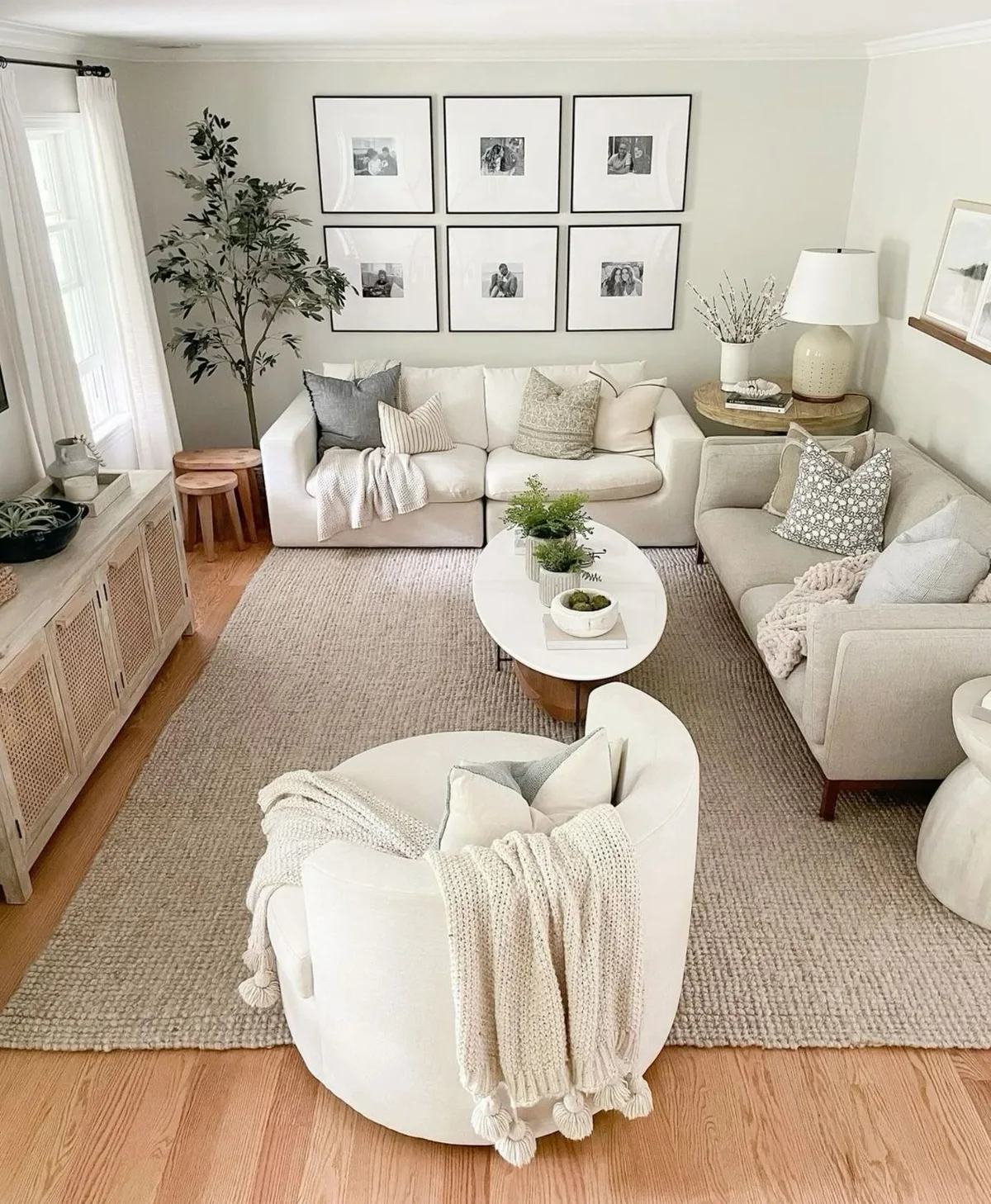
Image source: Web (Bing) / artofit.org (Web image (fair-use with source credit))
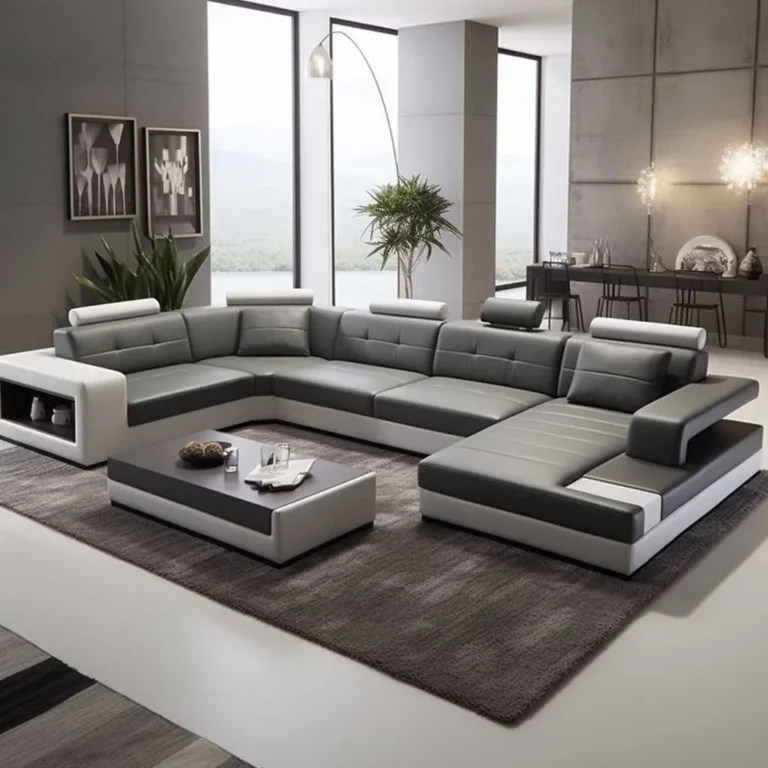
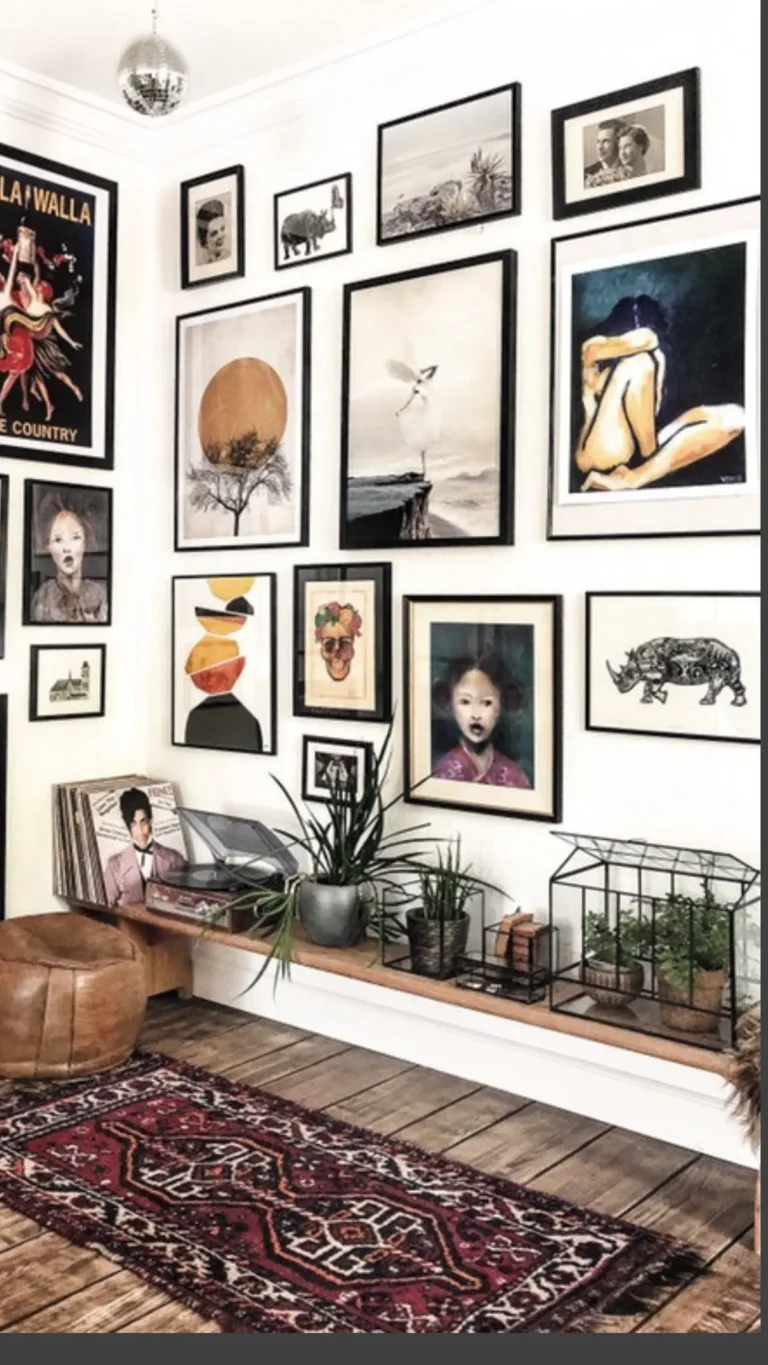
Renting often feels like living in a neutral box designed for someone else. You are greeted by white walls, standard carpet, and lighting that feels more clinical than cozy. The goal is to shift your mindset from permanent to temporary.
You don't need to change the bones of a house to change how it feels. Focus on surface-level updates that you can pack into a box when your lease ends. Small, intentional changes to lighting and layout make a massive difference in your daily experience.
Start by identifying the elements that bother you the most. Is it the stark lighting or the empty, echoed walls? Prioritize these areas to maximize the impact of your effort.
You want a home that feels curated, not temporary.
Master the "No-Drill" Aesthetic: Strategies for Walls and Windows
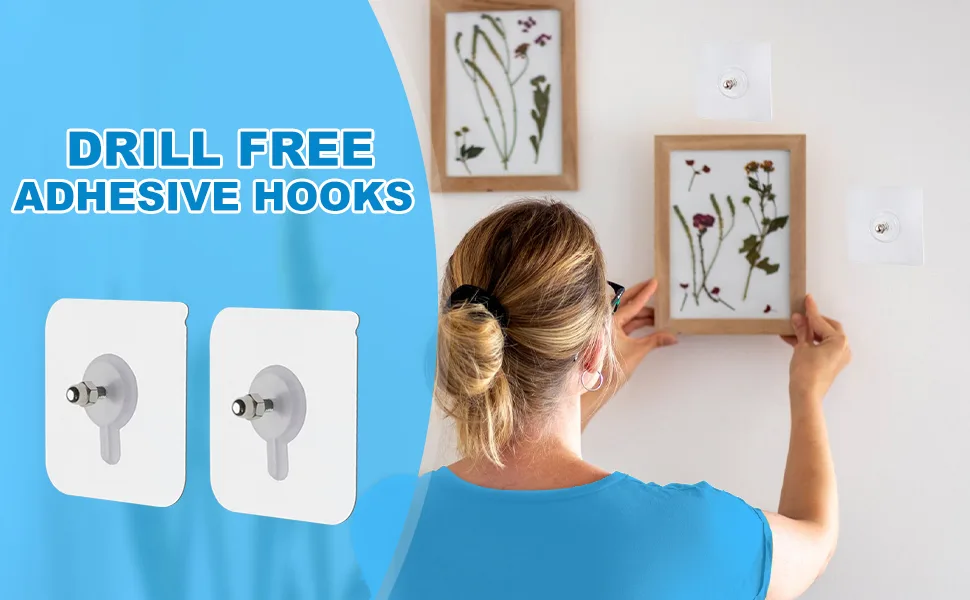
Image source: Web (Bing) / amazon.com (Web image (fair-use with source credit))
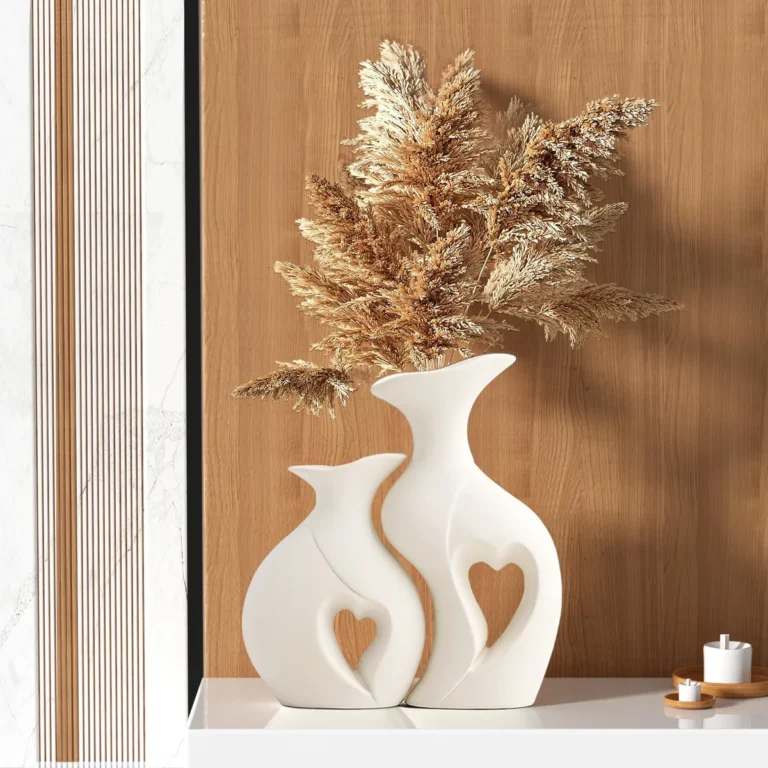
Drilling holes is the quickest way to lose your security deposit. Most landlords have strict clauses against unapproved wall damage. Fortunately, high-performance adhesive strips allow you to hang art securely without penetrating the drywall.
Always test adhesive strips on a small, inconspicuous patch of wall before applying them everywhere. Some older paint or wallpaper can peel under the tension of the adhesive. When removing them, follow the manufacturer guidelines by pulling the tab slowly against the wall surface rather than pulling outward.
Window treatments are another area where renters struggle. Standard blinds are often unsightly but required by the landlord. You can install a floor-to-ceiling curtain rod using tension systems.
This covers the existing hardware without needing a single screw.
| Mounting Method | Damage Risk | Best For |
|---|---|---|
| Adhesive Strips | Low | Light frames, canvas art |
| Tension Rods | Zero | Curtains, room partitions |
| Leaning Frames | Zero | Large mirrors, heavy art |
| Command Hooks | Low | Wall decor, lightweight tools |
Layering Light and Textiles to Override "Landlord Beige"
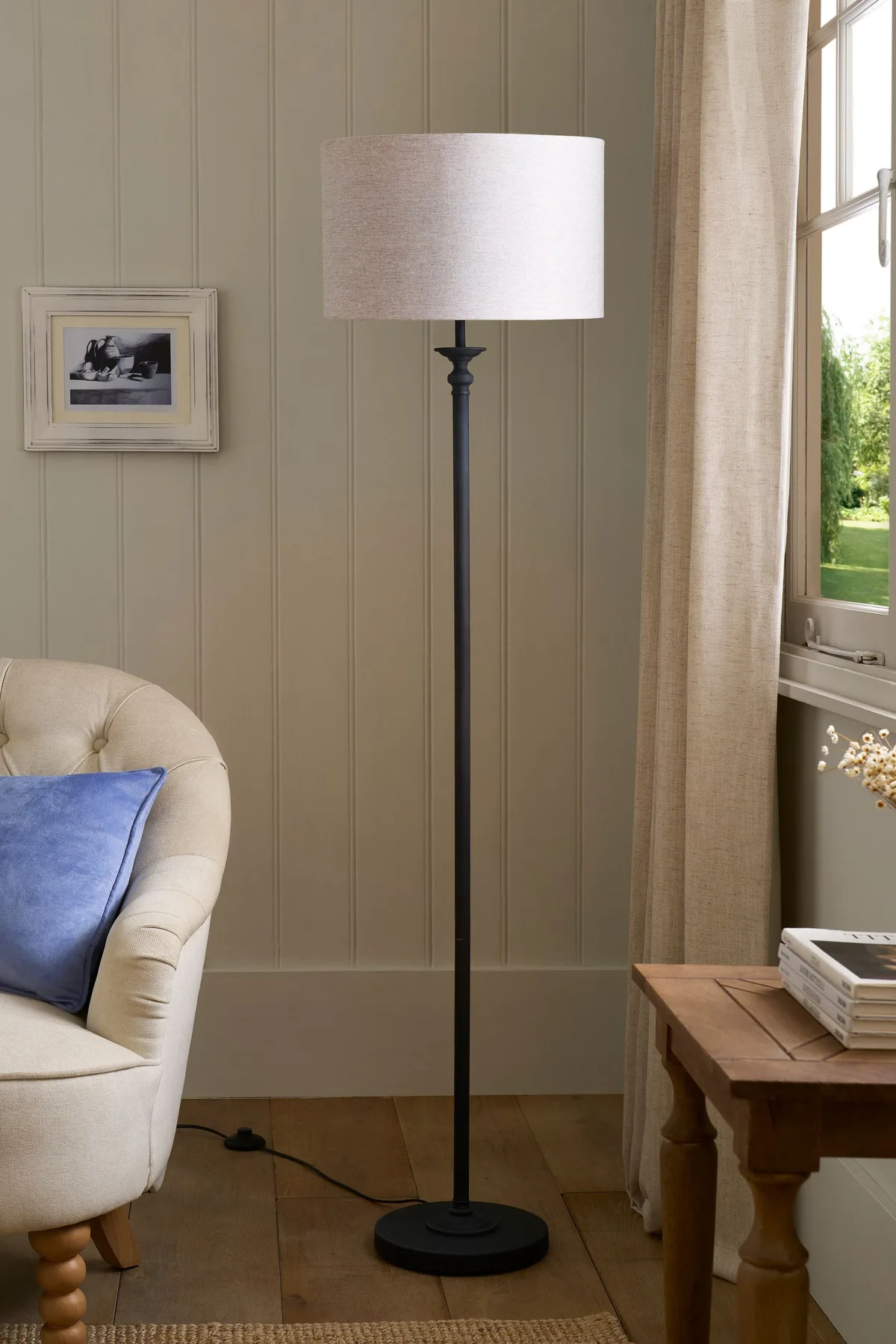
Image source: Web (Bing) / next.co.uk (Web image (fair-use with source credit))
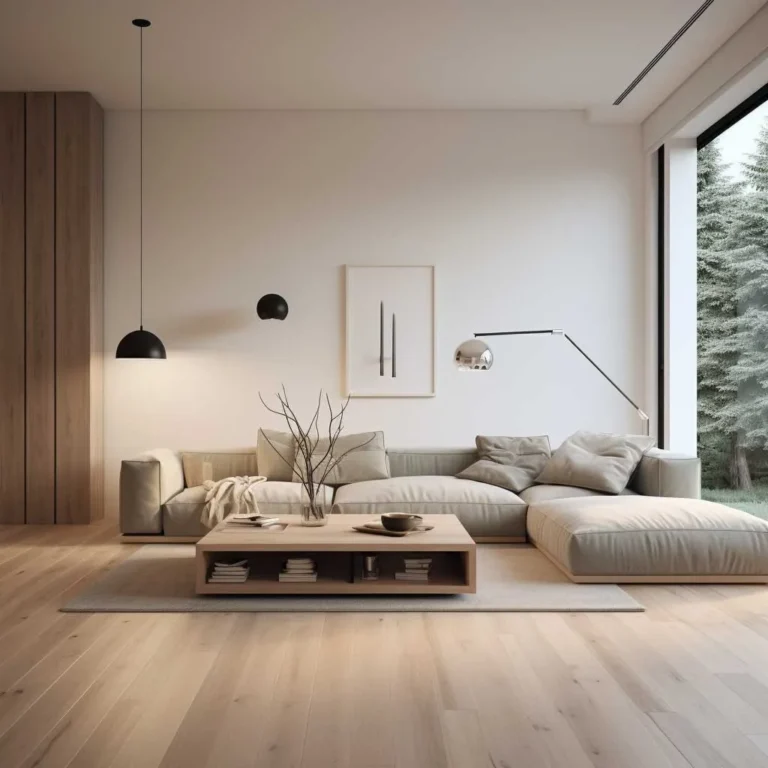
Harsh overhead lighting is the primary reason rentals feel cold. You can easily fix this by switching to warmer light sources. Aim for bulbs with a color temperature around 2700K, which mimics the warmth of a sunset.
Avoid turning on the main ceiling light entirely. Instead, use a combination of floor lamps and table lamps to create pools of soft light. This technique, known as layering, adds depth to your room.
It also draws the eye toward your furniture and decor.
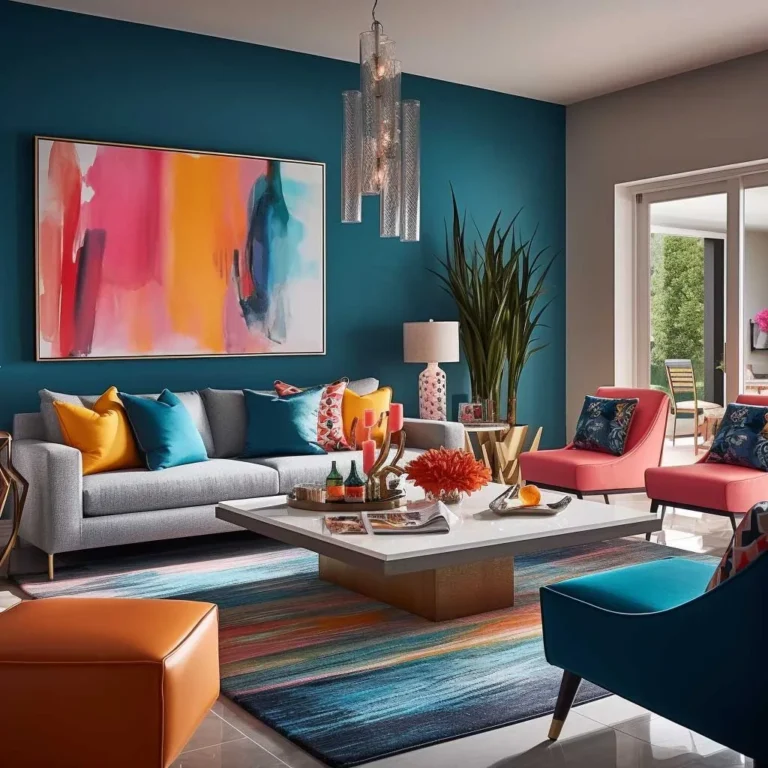
Textiles are your secondary line of defense against bland interiors. Use large area rugs to cover worn carpets or dated vinyl flooring. High-quality rugs protect the underlying surface and define your living space.
Adding texture with velvet pillows or wool throws makes the room feel lived-in and comfortable.
Defining Your Zones: How to Organize Layouts in Small Footprints
In a smaller rental, you often have to make one room perform multiple functions. You might need a home office, a dining area, and a living room in a single square footage. Use your furniture to create boundaries rather than relying on walls.
Place your sofa so its back acts as a divider between the kitchen and the living zone. Add a rug under your dining table to separate it from the rest of the floor. This creates a visual shift that tells your brain you are moving from one space to another.
Plants are excellent room dividers that don't take up much space. A tall, leafy plant placed in a corner or between two zones adds life without needing any installation. If you need privacy, use a decorative folding screen.
It’s a stylish piece of decor that you can take with you when you move out.
Comparing Permanent Upgrades vs. Portable Rental Solutions
You have to decide which items are worth the effort of moving and which are not. Permanent changes involve significant cost and labor, while portable solutions prioritize mobility. Per the guidelines found at University of Minnesota Extension, evaluating the long-term utility of your interior choices helps minimize waste during transitions.
| Category | Permanent Upgrades | Portable Alternatives |
|---|---|---|
| Wall Surfaces | Fresh paint colors | Removable wall decals |
| Flooring | Hardwood installation | Large, high-pile area rugs |
| Lighting | Recessed fixtures | Dimmable floor lamps |
| Storage | Built-in shelving | Modular metal bookcases |
Permanent upgrades often increase the value of a property, but they rarely pay off for a tenant. Focus your budget on high-quality, portable furniture and decor. These pieces will serve you well regardless of where you sign your next lease.
Critical Mistakes to Avoid (And How to Keep Your Security Deposit)
Avoid making permanent alterations if you want to keep your full security deposit. The most common mistake involves using heavy-duty hardware that leaves large holes in walls. Patching drywall requires professional-grade supplies and matching paint, which can be difficult to source.
Check your lease agreement before you begin any project. Some contracts have specific clauses regarding what is allowed on the walls or floors. If a lease says no permanent changes, stick to modular furniture and freestanding decor.
Do not overlook the condition of your baseboards or existing light fixtures. Removing original hardware and replacing it with your own can lead to loss of components. If you do swap out a light, store the original parts in a safe place so you can restore the unit quickly when you move out.
Watch out for adhesive damage on delicate surfaces. Even products marketed as damage-free can pull off layers of paint on poorly maintained walls. Test every product in a hidden spot like behind a door or inside a closet.
Frequently Asked Questions About Rental Decorating
Can I paint my rental home without losing my deposit?
Most landlords require written consent before you start painting. If they agree, they may mandate that you return the walls to the original color before moving out. Get the specific brand and color code of the paint directly from your landlord to ensure an exact match.
Are tension rods strong enough for heavy curtains?
Tension rods are ideal for lightweight fabrics but can sag under the weight of heavy, blackout curtains. Check the weight specifications on the product packaging before you make a purchase. If you need heavy drapes, look for floor-supported curtain rods that do not require drilling.
How do I define a room in an open-concept apartment?
Use large area rugs to anchor specific zones like the living room or dining area. You can also use open-back bookshelves as low partitions between spaces. This approach provides visual boundaries while keeping the floor plan feeling open and airy.
What is the best way to handle ugly rental flooring?
The most effective way to cover dated flooring is to use large area rugs. They offer immediate coverage and come in styles that reflect your personal taste. If you have a small room, consider modular floor tiles that connect without adhesive for a custom look that is easily removed.
When should I consult my landlord about a change?
You should consult your landlord for any modification that alters the structure of the space. This includes drilling into walls, replacing fixtures, or painting surfaces. Asking for written permission prevents potential disputes and ensures your security deposit remains protected throughout your stay.