How to Make a Bedroom Cozy
Knowing how to make a bedroom cozy involves more than just buying new decor. It requires a thoughtful approach to texture, lighting, and layout to transform a basic sleep space into a personal sanctuary.
You can shift a room's atmosphere by adjusting elements that influence your comfort and relaxation. As of 2026, experts at the National Sleep Foundation emphasize that consistent, low-intensity environments significantly improve sleep quality and circadian rhythm regulation.
Quick Answer
You can make a bedroom cozy by layering warm light sources. Use soft, varied textures like wool and linen. Place a large area rug under the bed frame.
Avoid using bright overhead lights in the evening. Keep your space tidy to reduce visual clutter. These simple steps create a calm, restful environment.
Why "Cozy" is Actually a Design Discipline
Making a room feel cozy is an intentional design choice rather than an accident. It relies on balancing the visual weight of objects to ensure the room feels grounded instead of sterile. When a space feels balanced, your brain processes it as safe and ready for rest.
Professional designers focus on the interplay between hard and soft surfaces. A room full of sharp edges and glass surfaces feels cold because these materials reflect sound and light. Adding soft, matte, or porous materials helps absorb echoes and softens the room's overall acoustics.
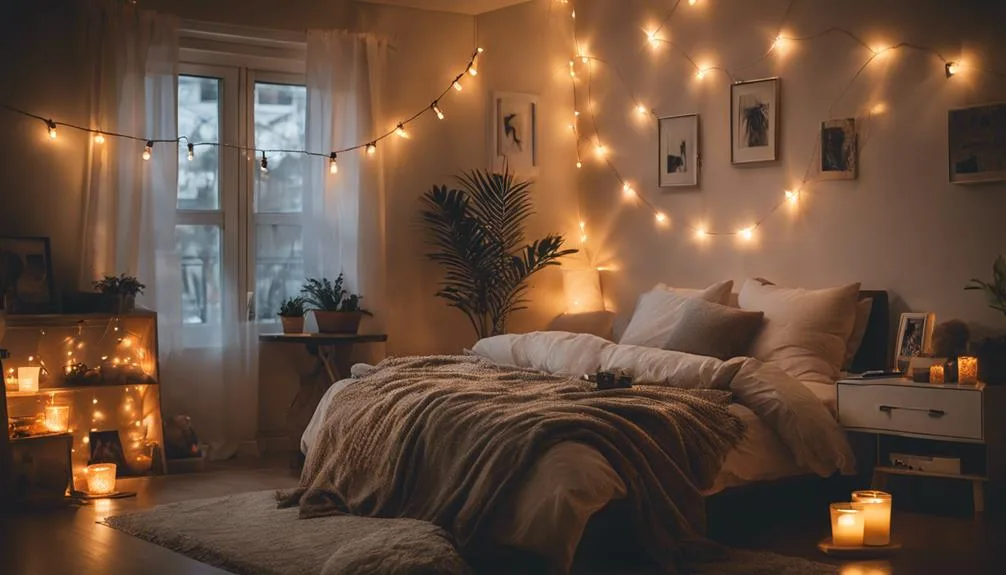
Image source: Web (Bing) / perfectfitliving.com (Web image (fair-use with source credit))
The Psychology of Lighting and Circadian Health
Lighting dictates how your body reacts to your environment. Research shows that high-intensity blue light suppresses melatonin production and keeps your brain in an alert state. You need to transition your room away from harsh illumination to prepare for sleep.
Focus on creating layers of light that sit below eye level. Use lamps with warm fabric shades to diffuse the glow and remove shadows. These light sources create a nesting effect that makes a room feel secure.

Image source: Bing (Web (fair-use with source credit))
- Ditch the Big Light: Keep your primary overhead light off once the sun goes down.
- Layering: Combine at least three light sources like bedside lamps and floor lamps.
- Warmth: Use bulbs with a color temperature of 2700K to 3000K for a soft glow.
Mastering Texture and Visual Weight
If your bedroom looks flat, it is likely because all your surfaces have the same finish. You need to introduce contrast to make the space feel inviting. Think about how materials feel against your skin or how they catch the eye.
Mixing textures provides visual depth. A linen duvet cover paired with a faux fur throw or a chunky knit blanket prevents the bed from looking like a giant, solid block. These materials also hold heat better, which is crucial for comfort in colder months.
| Material | Best Use Case | Benefit |
|---|---|---|
| Linen | Bedding | Breathable and soft |
| Wool | Throws | Adds structure and warmth |
| Rattan | Accent furniture | Natural, organic feel |
| Velvet | Decorative pillows | Adds luxury and depth |
Solving the Cold Room Problem with Layout and Zoning
A bedroom often feels cold when it lacks a focal point or feels like a furniture warehouse. Zoning your space with an area rug is the fastest way to add warmth to the floor. A rug provides a soft landing for your feet every morning.
Scale matters immensely here. If your rug is too small, it makes the room look fragmented. Aim for a rug size that allows at least 18 to 24 inches of material to extend past the sides and foot of your bed.

Image source: Web (Bing) / designingidea.com (Web image (fair-use with source credit))
- Anchor the Bed: Place the front legs of your furniture on the rug to tie the pieces together.
- Create a Nook: If space allows, place a small chair in a corner with a side table.
- Balance Heights: Don't put all tall furniture on one wall. Spread the visual weight to keep the room feeling level.
The Architecture of a Proper Bedding Layer
Your bed acts as the centerpiece of the room. A cozy bed isn't just about the mattress; it’s about how you dress it. Layering allows you to adjust to the temperature while adding visual interest through color and pattern.
Start with a foundation of high-quality sheets, then add a duvet or quilt. Fold the top of the duvet back to reveal the layering underneath. Top it off with a selection of pillows in different sizes to create a sense of fullness.
- Pillow Variety: Mix standard bed pillows with larger Euro shams and a smaller lumbar pillow.
- Weight: Use a heavier duvet insert in winter and switch to a lighter coverlet in summer.
- Overstuffing: Use high-quality down or synthetic inserts to ensure pillows stay plump.
Common Visual Mistakes That Ruin the Sanctuary Vibe
Many bedrooms feel chaotic because the eye has nowhere to rest. A frequent error is hanging artwork far too high, which creates a disconnected feeling between your wall decor and the furniture. Aim to keep the center of your art about 57 to 60 inches from the floor to maintain a natural line of sight.
Another common mistake involves ignoring cord clutter. Visible power strips and tangled wires serve as constant visual reminders of the outside world, which ruins your relaxation. Use simple cord management boxes or fabric cable sleeves to keep these items out of view.
Avoid placing furniture against every single wall to prevent the waiting room effect. Even pulling a chair a few inches away from the wall can make a room feel more intentional and less static. If you have too many small decor items on your dresser or nightstand, try grouping them in trays.
This turns multiple pieces of clutter into a single, cohesive display.
Essential Guidelines for Long-Term Comfort
Maintaining a cozy bedroom requires periodic adjustments as the seasons change. Swap out heavy bedding for breathable fabrics like cotton or bamboo when summer arrives to avoid overheating. When winter hits, switch to flannel sheets or wool blankets to trap warmth effectively.
Check your lighting hardware every few months to ensure you aren't using harsh or flickering bulbs. Standardized ANSI lighting guidelines suggest that flicker-free, warm sources are better for long-term visual comfort. Dust your light fixtures and shades regularly, as trapped dust can dull the glow and make a room feel dingy.
Keep your layout flexible enough to accommodate cleaning. If your furniture is too heavy to move, you’ll likely neglect the spaces underneath, leading to dust buildup that irritates sinuses and lowers air quality. Invest in furniture with legs so you can vacuum underneath, which is a major factor in keeping a bedroom feeling fresh.
Frequently Asked Questions
Does painting the walls a dark color make a room cozier?
Dark colors can create a cocoon-like effect that feels very intimate and restful. If you choose a dark shade, make sure you balance it with lighter textures and warm lighting to prevent the room from feeling cave-like. Mid-tone neutrals often achieve a similar cozy effect with less risk of feeling overwhelming.
How do I make a small bedroom feel larger while keeping it cozy?
Use mirrors to reflect light and create the illusion of more space. Stick to a monochromatic color palette, as this reduces visual friction and makes the room feel unified. Keep the floor space clear of excess items to prevent the room from feeling cramped or cluttered.
What is the best way to handle bedroom storage?
Hidden storage is the key to maintaining a peaceful environment. Use baskets or lidded bins to store items that don't need to be out in the open. If you have under-bed storage, ensure it is organized properly so you don't end up with a collection of items you never actually use.
How often should I update my bedroom textiles?
Change your primary bedding every few years as the fabric wears down or loses its softness. You can update throw pillows and accent blankets seasonally to refresh the room's mood without needing to redecorate entirely. Always check care labels to ensure you are cleaning these items correctly to extend their lifespan.