How to Decorate a Living Room
Learning how to decorate a living room requires balancing your personal style with the practical realities of your home. It is not just about buying pretty furniture. It is about creating a space that functions well for your daily life.
By focusing on spatial flow and layering, you can transform any room into a comfortable sanctuary. As of 2026, designers emphasize using standardized measurements to ensure your furniture fits the proportions of your home.
Quick Answer
Decorating a living room starts with mapping your room's traffic paths. Place your main furniture toward a natural focal point like a window. Use area rugs to anchor your seating arrangements.
Layer your lighting to create a warm and inviting atmosphere. Always leave enough space for easy movement throughout the room.
Mapping Your Room: Solving for Traffic and Focal Points
Every functional living room begins with a clear layout. You need to identify how you move through the space before you move a single piece of furniture. A common mistake is pushing all your seating against the walls.
This creates a disconnect that makes a room feel cold or empty.
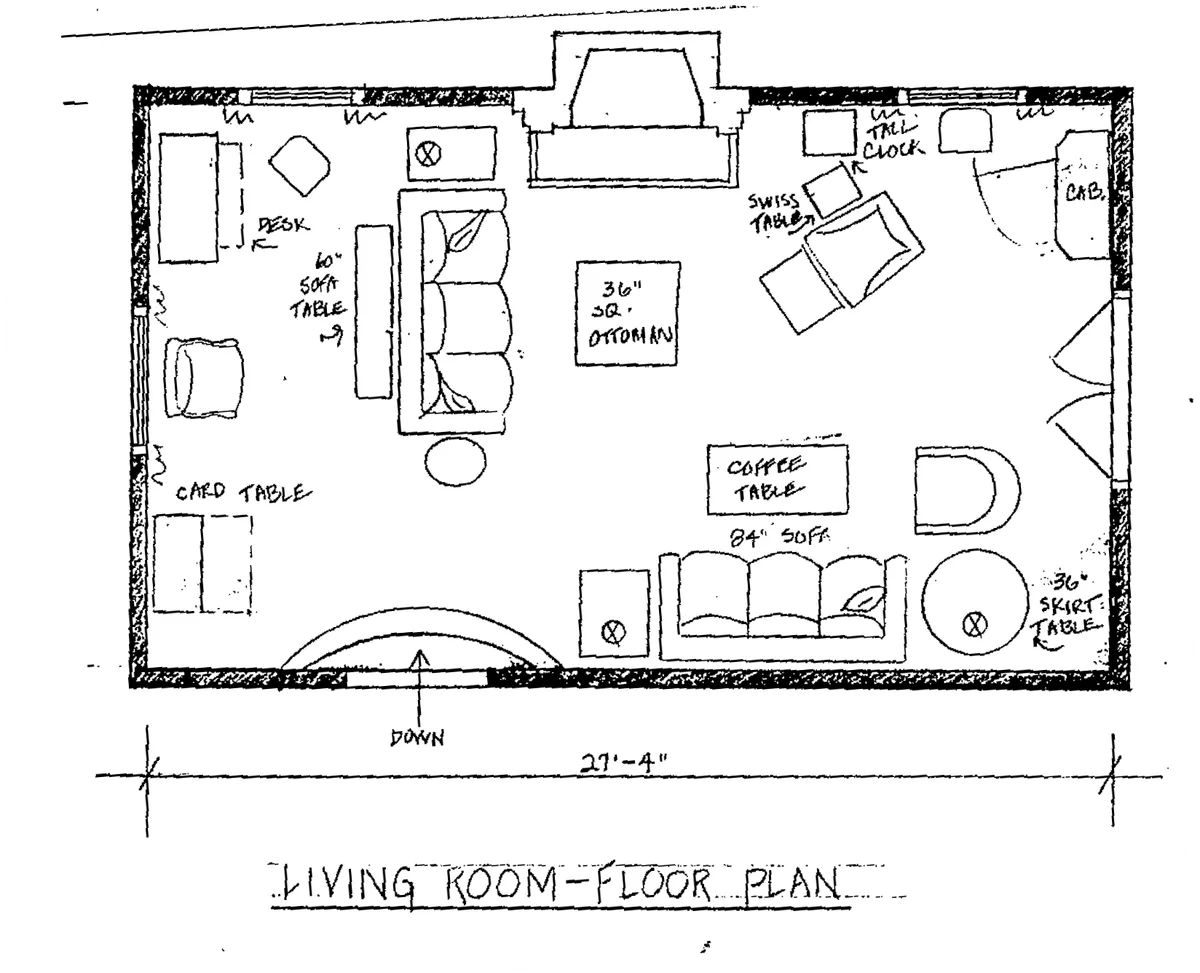
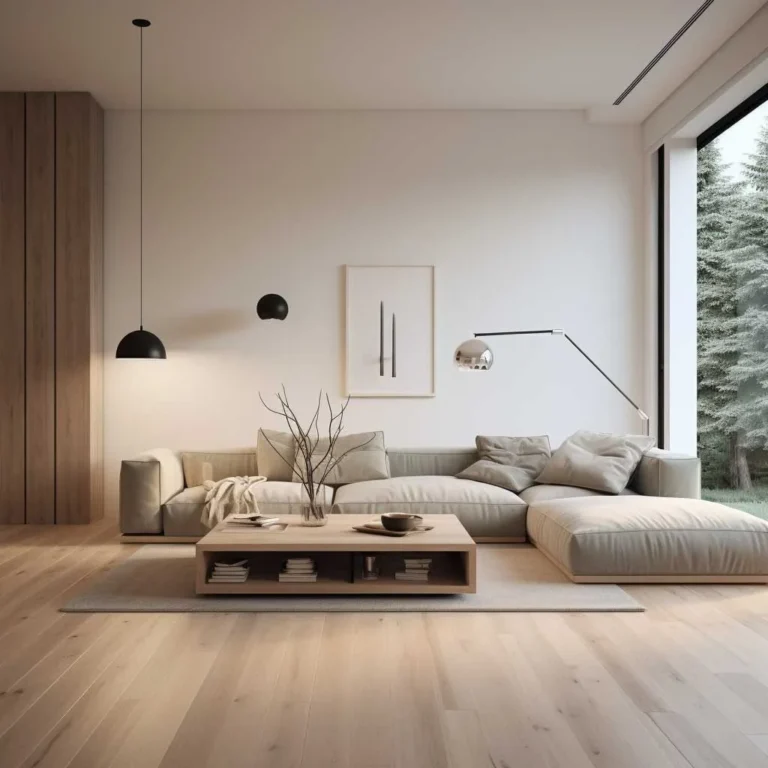
Start by finding the natural focal point of your space. This might be a fireplace, a large window with a view, or your television. Orient your sofa and chairs to face this anchor.
If your room serves multiple purposes, use rugs to define specific zones for conversation or work.
Maintain clear paths for walking to avoid tripping over furniture. Aim for at least 30 to 36 inches of clearance in your main traffic lanes. This standard, often referenced in interior design guidelines, ensures the room feels open rather than cluttered.
Keep this walkway clear of ottomans or low tables that hide in your path.
Finding the Right Scale and Avoiding Catalog Syndrome
Scale is the most common reason a room feels off. An oversized sofa in a small room makes the space feel cramped. Conversely, tiny furniture in a large room gets lost and feels unanchored.
You want your furniture to be proportional to your square footage.
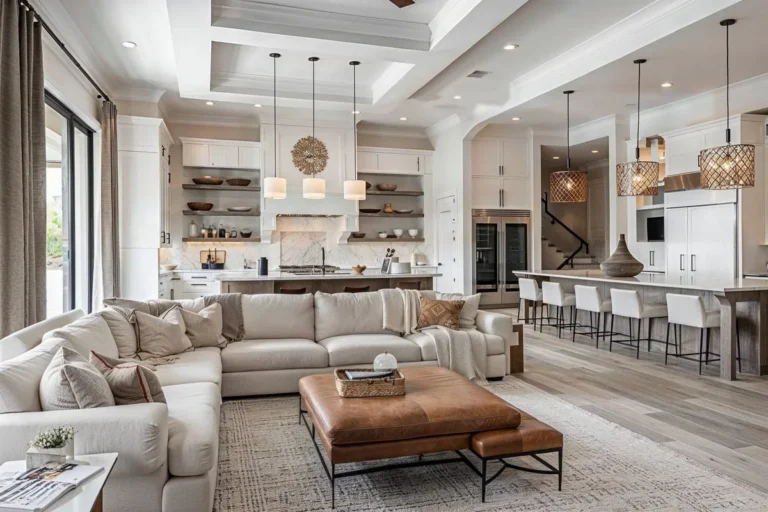
Catalog syndrome happens when you buy a matching set of furniture. This often results in a flat, one-dimensional look that lacks character. Instead, mix textures and materials to give your space a lived-in feel.
Combine a wood coffee table with a fabric sofa and leather accent chairs.
Use painter's tape to outline the footprint of new furniture on your floor before you buy anything. This simple visual check prevents expensive mistakes. If the tape feels like it dominates the floor, choose a smaller piece.
Aim for a balanced distribution of heavy and light items to keep the room visually grounded.
Building Your Room in Three Essential Layers
Decorating is a process of building, not a one-time shopping trip. You should approach your room design in three distinct layers to ensure long-term comfort. This method helps you avoid the common trap of overbuying at the start.
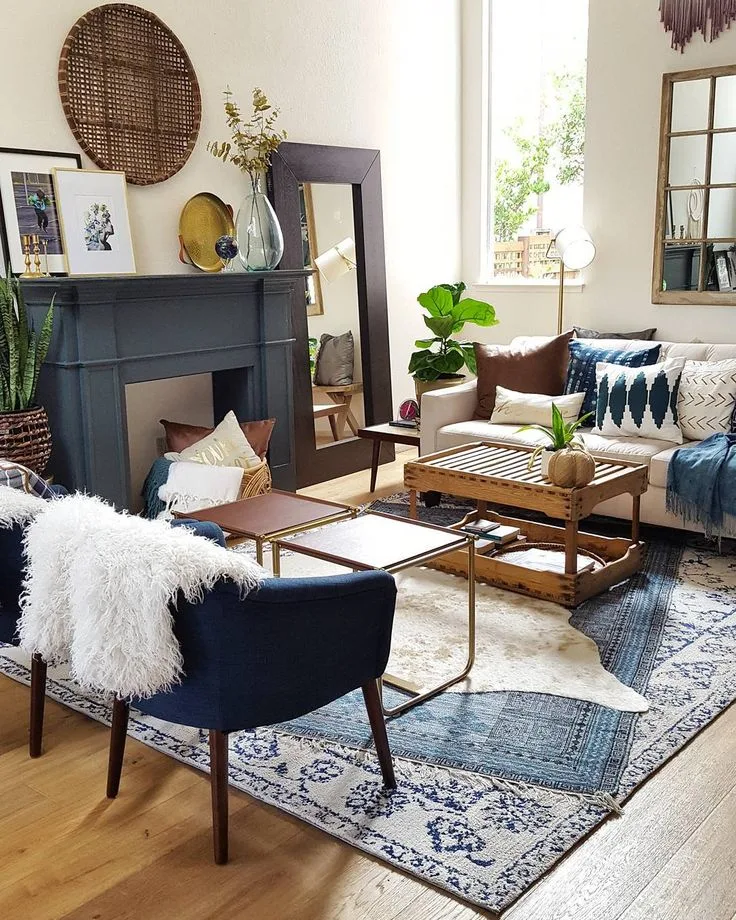
- Foundation: Start with the largest items like your rug and sofa. These set the tone for the entire room.
- Function: Add your coffee tables, side tables, and lamps. These items must support your daily habits, such as reading or hosting guests.
- Soul: Finally, add your personal items like art, books, and plants. These small details tell your story and make the space feel unique.
Don't rush to fill every empty shelf or wall immediately. Leave some negative space so your eyes have a place to rest. A room that feels finished often feels boring, so allow yourself room to evolve your decor over time.
Balancing Visual Weight and Negative Space
Visual weight refers to how heavy an object looks to the eye. A dark, solid armchair looks heavier than one with thin, exposed legs. If you cluster all your heavy items on one side, the room will feel tilted.
Spread these pieces out to keep the room balanced.
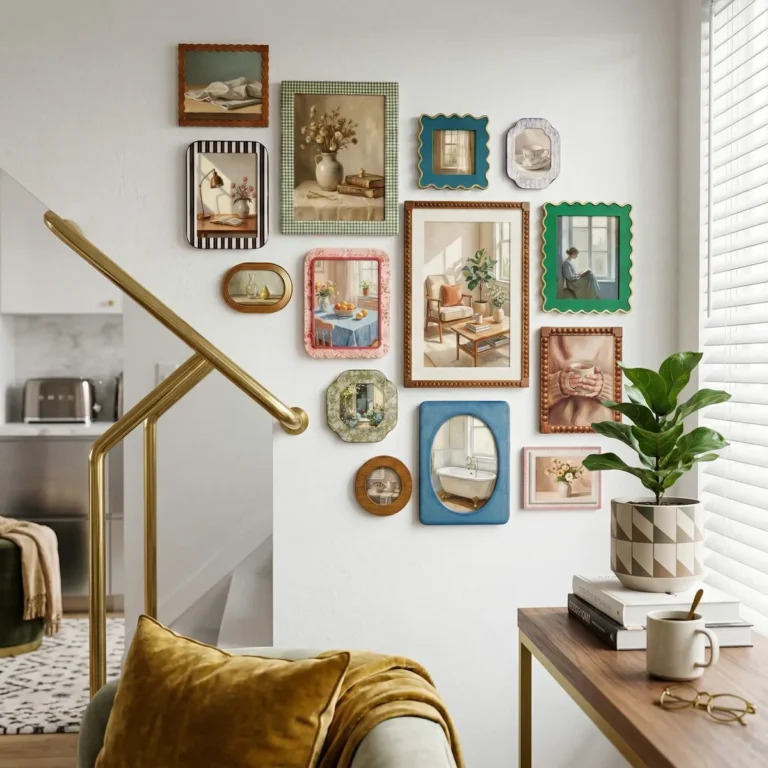
Use negative space to highlight your favorite items. If you have a beautiful piece of art, don't crowd it with other wall hangings. Surrounding it with blank wall space makes it stand out.
This principle is core to effective space management and helps your decor breathe.
Think of your room as a balanced equation. If you have a dark sofa, pair it with a light-colored rug or throw blanket. Keep your floor patterns subtle if your walls are busy.
This approach ensures your room feels calm and intentional rather than chaotic.
Strategic Placement: Art, Lighting, and Rug Guidelines
Good placement makes a room feel professionally designed. For wall art, a general rule is to keep the center of the piece at eye level. This is approximately 57 to 60 inches from the floor.
Avoid hanging art too high, which is a common error that makes furniture look disconnected.
Lighting needs to be layered to be effective. Relying on one ceiling fixture creates harsh shadows and a clinical feel. Use floor lamps for task lighting near reading chairs and table lamps for soft, ambient glow.
These layers allow you to change the mood of the room throughout the day.
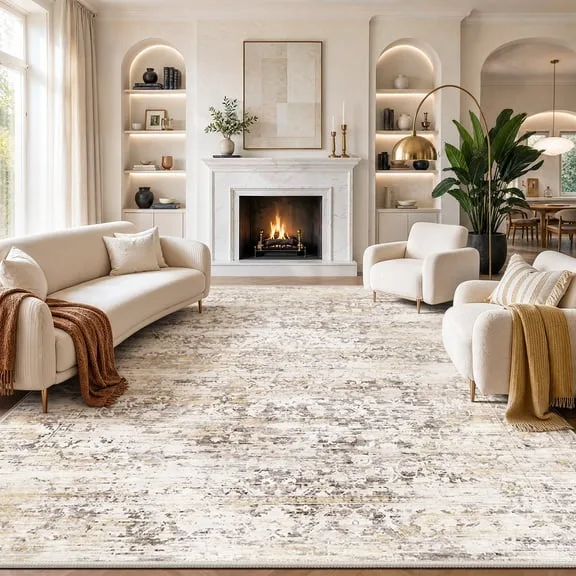
Your area rug serves as the foundation for your furniture. Ensure the rug is large enough so that the front legs of your sofa and chairs sit on it. This creates a cohesive island of furniture that pulls your seating area together.
| Feature | Guideline |
|---|---|
| Walkways | 30 to 36 inches wide |
| Art Height | 57 to 60 inches to center |
| Rug Placement | Front legs of furniture on rug |
| Grouping | Use odd numbers for decor |
Common Decorating Mistakes and How to Correct Them
Most decorating errors stem from neglecting the physical dimensions of the room. A common mistake is using a rug that is too small for the seating area. If the rug floats in the middle of the floor without reaching your furniture, it makes the room feel disjointed.
Solve this by upgrading to a larger rug that anchors the space.
Another frequent oversight is ignoring how natural light affects color and texture. Dark furniture in a room with limited sunlight can make the space feel gloomy and cave-like. If you face this issue, incorporate reflective surfaces like mirrors to bounce light around the room.
You can also use lighter fabrics to brighten the overall mood.
Don't forget about the tangled wire problem in modern living spaces. Extension cords and power strips visible behind your TV or floor lamps create unnecessary visual clutter. Use cord management clips or channel covers to hide these distractions.
This small change makes a massive difference in how polished and organized your room appears to guests.
Frequently Asked Questions About Living Room Design
How can I make a small living room look bigger?
Use light colors on your walls and floors to create an airy atmosphere. Choose furniture with thin legs instead of bulky skirts to keep the floor visible. Mirrors placed opposite windows will reflect light and extend the visual depth of the room.
Keep surfaces clear to minimize the appearance of clutter.
What is the best way to arrange furniture in a square room?
Start by pulling your furniture away from the walls to create a conversation circle. Floating your sofa and chairs makes the room feel more intentional and spacious. Ensure your main focal point remains visible from your seating position.
Use an area rug to define the center of this grouping.
How do I mix different styles without it looking messy?
Stick to a consistent color palette to tie disparate pieces together. Limit your main furniture items to one primary style, such as mid-century modern. Then, add personality with accent pieces that lean toward your preferred secondary style.
Balance your choices so no single item stands out as a jarring distraction.
Can I mix metal finishes in the same room?
Mixing metals is perfectly acceptable if you keep one finish as the dominant choice. You might choose brushed brass as your primary metal for lamps and hardware. Add subtle accents in silver or black to provide depth.
This layered approach prevents the room from feeling like a sterile showroom.
How often should I change my living room decor?
Decorating is not a task with a set deadline or expiration date. You should update your space only when your functional needs or personal tastes change. Small, inexpensive swaps like new throw pillows or fresh greenery can refresh the room instantly.
Save your major changes for when you feel the current setup no longer supports your lifestyle.