What Is Farmhouse Home Decor
What is farmhouse home decor? It is a design style that prioritizes comfort, utility, and simple, natural materials to create a welcoming, lived-in home. This aesthetic blends historic charm with modern functionality to ensure every item in a room serves a purpose.
You might notice these homes often feature raw wood textures and soft, neutral color palettes. As of 2026, designers emphasize the balance between worn vintage character and clean, intentional organization. We can look at the core principles that define this look to help you update your space.
Quick Answer
Farmhouse home decor is a design aesthetic focused on functionality and warmth. It uses natural materials like reclaimed wood, cotton, and wrought iron. The style creates a comfortable, clutter-free environment through neutral color palettes.
It emphasizes utility while showcasing vintage or repurposed furniture pieces.
The Philosophy of Farmhouse Decor: Why It’s More Than Just a Trend
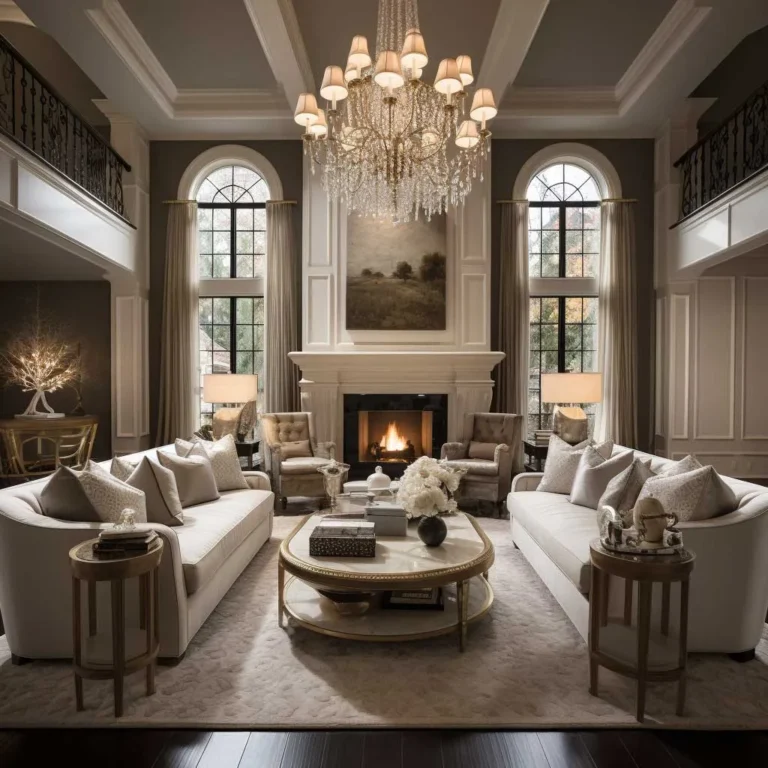
Farmhouse decor remains popular because it rejects the idea of a sterile, showroom home. Instead, it draws inspiration from working farms where furniture had to be durable, reliable, and easy to repair. If you appreciate a home that feels like a refuge rather than a museum, you are already halfway to mastering this style.
The philosophy hinges on the utility-first mindset. Every piece of furniture, from the dining table to the lighting, should earn its keep through daily use. When you choose items that feel sturdy and genuine, you avoid the trap of decorating with purely decorative junk.
This grounding effect makes the space feel cohesive and intentional.
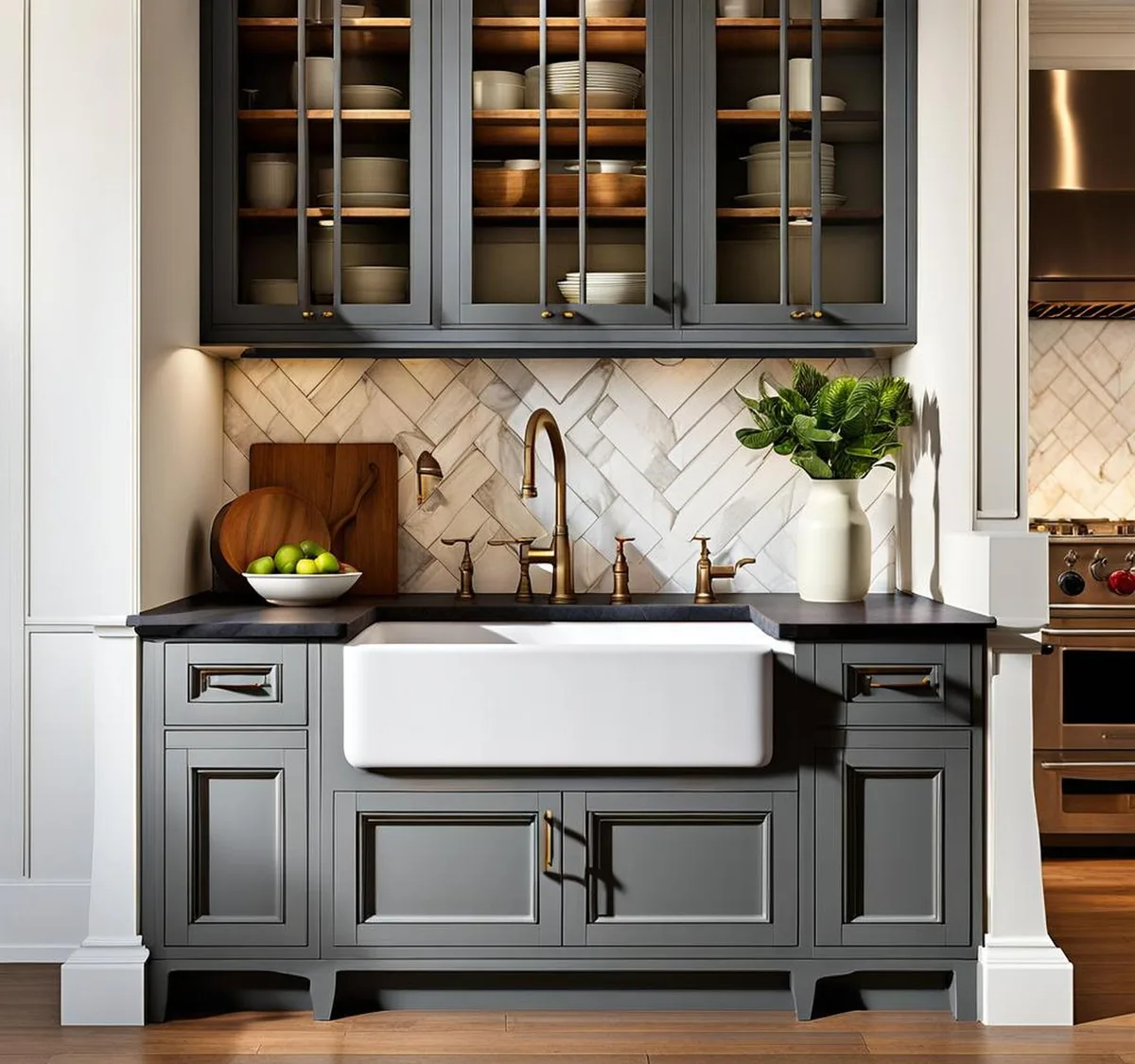
Image source: Web (Bing) / tiponthetrail.com (Web image (fair-use with source credit))
Core Elements: The Visual DNA of a Farmhouse Home
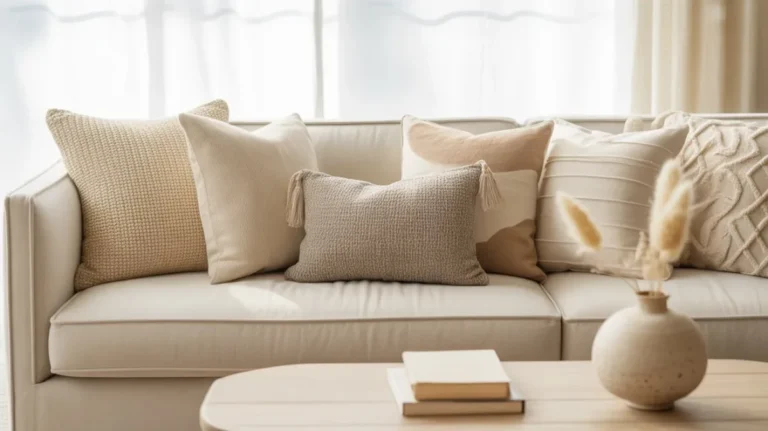
To build a farmhouse space, you must focus on specific textures and materials. These elements provide the visual weight needed to ground a room. You will notice that successful spaces rely on a high-contrast foundation, typically white or cream walls paired with darker, natural accents.
Consider these essential components when building your space:
- Shiplap: Horizontal wooden wall paneling that adds texture and depth to flat surfaces.
- Apron-front Sinks: Deep, ceramic or fireclay basins that serve as a focal point in the kitchen.
- Wrought Iron: Used for hardware, drawer pulls, and lighting to provide a stark, industrial contrast.
- Reclaimed Wood: Timber harvested from old barns or structures that brings history and patina into the home.
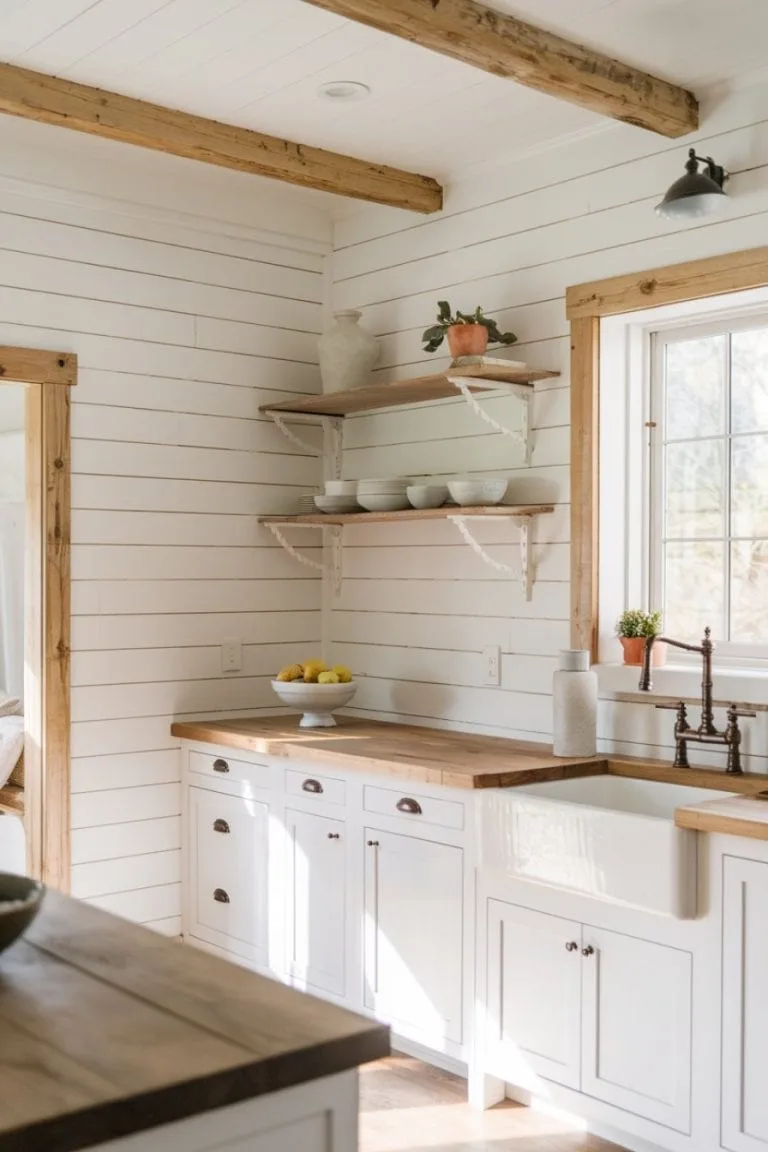
Image source: Web (Bing) / hello-hayley.com (Web image (fair-use with source credit))
Proper spatial arrangement is vital here. According to design research from the National Institute of Standards and Technology regarding interior functionality, prioritizing clear pathways around robust furniture improves the utility of a living space. Keep your layout open.
Allow your larger wooden pieces to command attention without feeling crowded by too many smaller accessories.
Traditional vs. Modern Farmhouse: Finding Your Aesthetic Balance
You have two main paths when defining your farmhouse aesthetic. Traditional farmhouse leans heavily into the past, embracing antique finds, floral patterns, and heavily distressed finishes. Modern farmhouse takes those same roots but cleans them up with sharper lines and a more curated, minimalist approach.
| Feature | Traditional Farmhouse | Modern Farmhouse |
|---|---|---|
| Color Palette | Warm, buttery neutrals | Bright whites and cool grays |
| Furniture | Antique, ornate, worn-in | Streamlined, matte, functional |
| Accent Materials | Brass and copper | Matte black iron and steel |
| Overall Vibe | Cozy, cluttered, nostalgic | Crisp, airy, intentional |
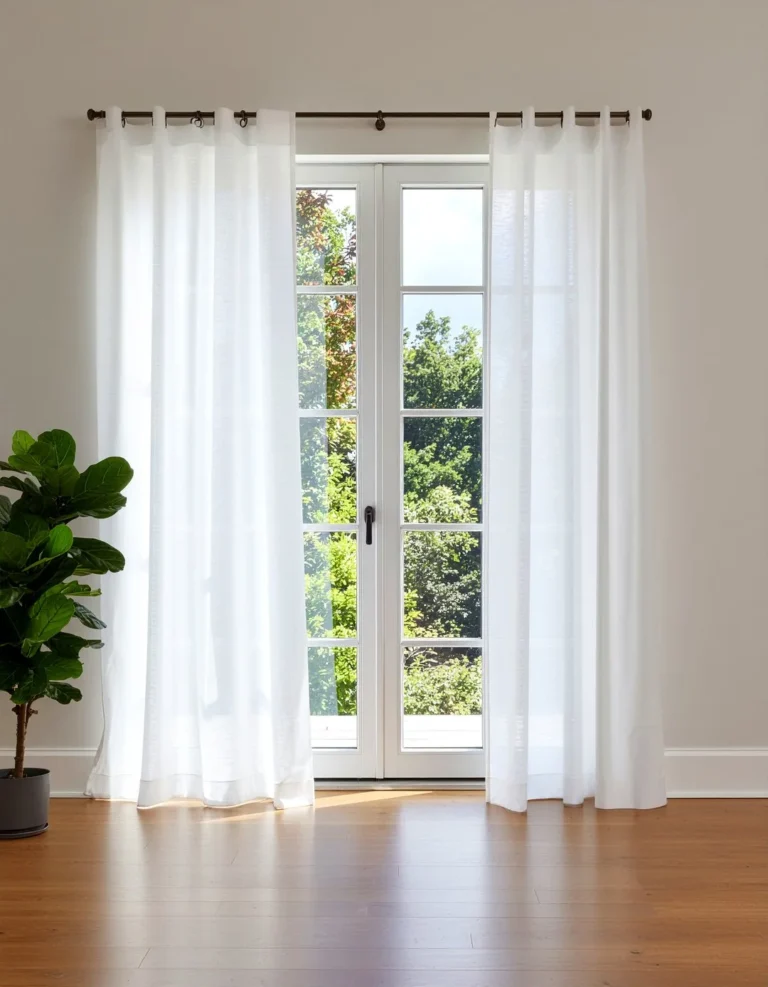
Most homeowners find their sweet spot by mixing these two. You might keep a vintage, paint-chipped cupboard but pair it with a sleek, modern dining table. This tension between old and new keeps the room from feeling dated or overly staged.
If you choose one dominant style, let the accessories represent the other.
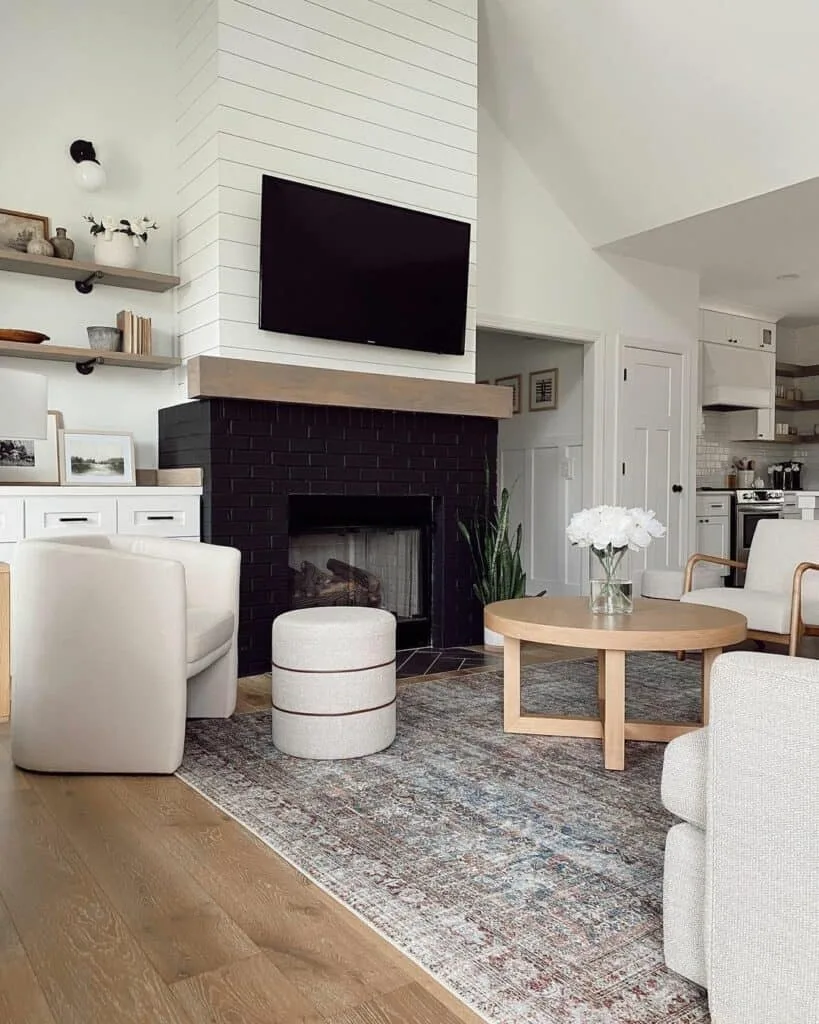
Image source: Web (Bing) / storage.googleapis.com (Web image (fair-use with source credit))
Practical Design Strategies: Transforming a Space into a Farmhouse Haven
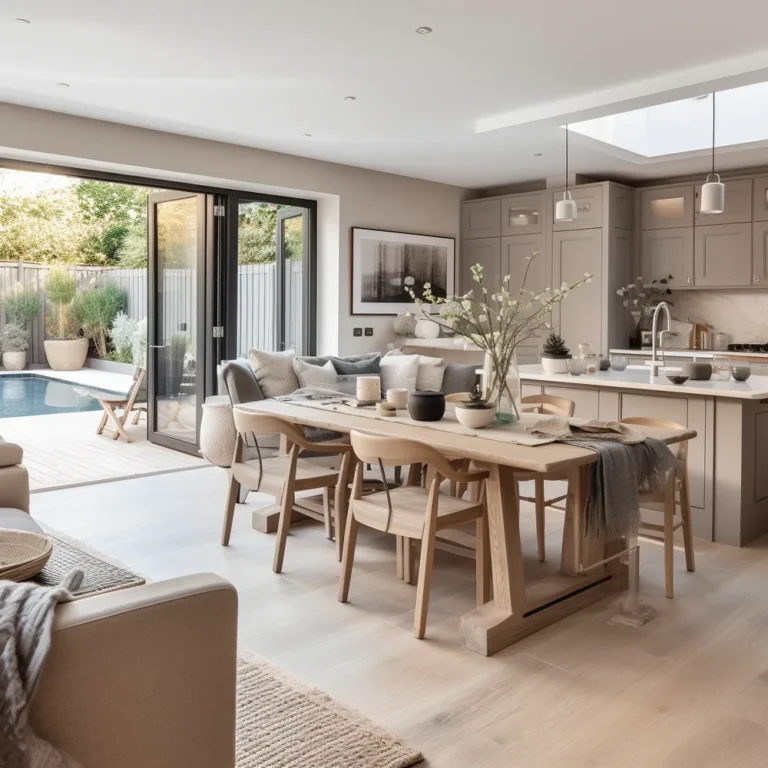
Updating your home does not require a total renovation. Focus on the bones of the room first. If you are working on a kitchen, swapping out standard cabinets for open shelving creates a more rustic, accessible feel.
If you have dark or carpeted floors, light-colored hardwood or durable wood-look tile creates a cleaner, more traditional farmhouse canvas.
Textiles play a massive role in softening these hard surfaces. Incorporate natural fabrics like linen, wool, and cotton. A thick, woven rug under a dining table or oversized cotton throws on a sofa immediately change the temperature of a room.
Avoid synthetic blends that look overly shiny or stiff.
Focus on these small, high-impact changes:
- Hardware Swaps: Replace generic silver knobs with matte black or oil-rubbed bronze.
- Task Lighting: Install industrial-style metal pendants over island counters or dining tables.
- Greenery: Bring in potted herbs or simple dried floral arrangements.
- Surface Texture: Introduce wood trays, stone coasters, or woven baskets to hide small clutter.
Common Pitfalls: How to Avoid the "Cluttered Antique" and "Cold Showroom" Look
Many people struggle with the cluttered antique trap. This happens when you fill every shelf and wall space with kitschy, mass-produced farmhouse signs or imitation vintage gear. If the item doesn't have a history or a purpose, leave it at the store.
Authentic farmhouse decor is about finding items that have lived a life before arriving in your home.
Conversely, some people lean too hard into modern farmhouse, resulting in a cold, sterile room. If your home has only black, white, and gray, it will feel like a hospital ward. You must incorporate warm tones to balance the cool, industrial metals.
Follow these rules to maintain the right balance:
- The 70/30 Rule: Keep 70% of your items neutral and functional, then use 30% for high-character vintage accents.
- Avoid Fakes: If a piece of furniture uses a printed wood grain laminate, it will clash with the real textures you are trying to cultivate.
- Edit Aggressively: If a decorative item does not add comfort or serve a function, remove it from the display.
- Scale Matters: Don’t clutter a small wall with a giant, store-bought sign that tells everyone it is a kitchen. Let the space speak for itself through its fixtures.
Maintenance and Curation: How to Let Your Style Evolve
Farmhouse decor is never finished because your home should reflect the changes in your life over time. Authentic patina is not something you can buy at a big-box retailer. It is the result of daily use, occasional wear, and careful curation.
Allow your wooden surfaces to take on minor scratches and dents, as these marks tell the story of your home.
Maintenance requires a consistent, gentle approach to protect natural materials. Avoid using harsh chemical cleaners that strip the finish from antique wood or dull the luster of raw metals. Use a soft, damp cloth for general dusting and a mild, oil-based wood soap for deeper cleaning of furniture pieces.
Rotation is a key strategy for keeping the aesthetic fresh without buying new decor. If you have a collection of antique ironstone or vintage glassware, display only a few items at a time. Rotate your seasonal textiles or throw pillows every few months to change the room's energy.
This practice keeps your space from feeling static or overly curated.
If a piece of furniture needs repair, prioritize restoration over replacement. Simple fixes like tightening a wobbly chair leg or sanding out a water ring on a table add to the item's history. According to standards from the United States Department of Agriculture regarding wood conservation, using natural wax finishes can preserve timber surfaces effectively against humidity.
Regular upkeep ensures your foundational farmhouse pieces last for generations.
Frequently Asked Questions About Farmhouse Style
Can I mix farmhouse decor with other interior design styles?
You can mix this style with others to create a unique look. Farmhouse blends well with industrial, Scandinavian, or even mid-century modern elements. The key is to keep the material palette consistent across styles.
If you use natural woods and neutral textiles, these different styles will naturally feel cohesive.
What is the most important element for a farmhouse kitchen?
The apron-front sink is widely considered the defining feature of a farmhouse kitchen. Its deep basin and exposed front provide both immediate aesthetic impact and high utility. If a full sink replacement is not an option, focus on adding wooden open shelving or matte black cabinet hardware.
These smaller changes mimic the same functional, historic vibe.
Is farmhouse decor still trending in 2026?
The trend has evolved from a mass-market style into a permanent design staple. While the all-white look of previous years is fading, the focus on natural materials and high-quality utility remains strong. Homeowners now prefer a more grounded, textured approach that emphasizes sustainability over disposable, decorative trends.
How do I prevent my farmhouse home from feeling cluttered?
You prevent clutter by choosing items based on their function rather than just their appearance. If a decorative piece serves no purpose and doesn't hold sentimental value, it likely shouldn't be on display. Group your accessories in odd numbers to create visual balance.
Clear off countertops and shelves to let the essential, high-quality furniture pieces stand out.
What colors should I use in a farmhouse home?
Stick to a neutral base of warm whites, creams, beiges, and soft, earthy grays. Use these colors for your larger furniture and wall finishes to create a bright, airy feeling. You can then add depth through natural wood tones, dark iron hardware, and various organic textures.
Avoid bright or primary colors, as they draw attention away from the structural simplicity.