How to Decorate a Home
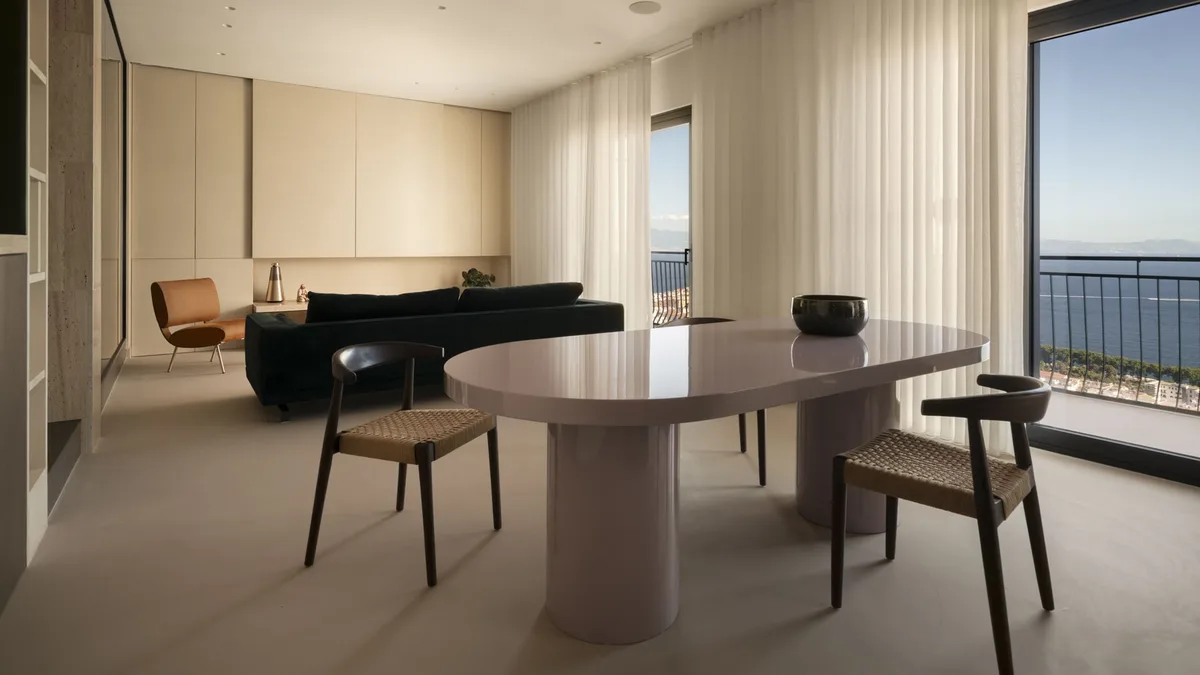
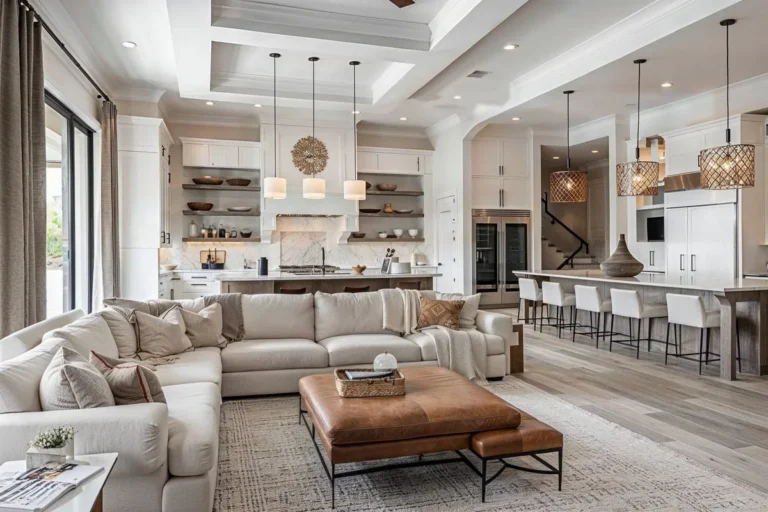
Learning how to decorate a home is less about following trends and more about matching your physical space to your daily habits. Most people struggle because they shop for items before they define their actual needs.
Successful design happens when you audit your lifestyle first. Research from the American Society of Interior Designers suggests that functional floor planning remains the most important factor in long-term satisfaction.
Quick Answer
Learning how to decorate a home requires a clear, step-by-step process. Audit your daily habits to define your specific room requirements. Map your floor plan to ensure proper traffic flow.
Choose an anchor piece to set your room theme. Layer textures to create visual warmth and interest. Use dimmable lighting to control the final room atmosphere.
Stop Buying Furniture: Start Your Life Audit
Before you pull out your credit card, look at how you actually live. Many homes fail because the furniture reflects an ideal version of a person rather than reality. Ask yourself if you truly host formal dinners or if you prefer casual game nights on the floor.
Identify your specific pain points in the space. Do you lack enough surface area for coffee mugs? Is there a lack of natural light that makes the room feel cold?
Write these needs down on paper.
This creates a filter for every future purchase. If a sofa looks beautiful but lacks durable fabric for your pets, you know to pass on it. Don't let aesthetics override the mechanical function of your living space.
The Geometry of Your Space: Mapping Traffic and Function
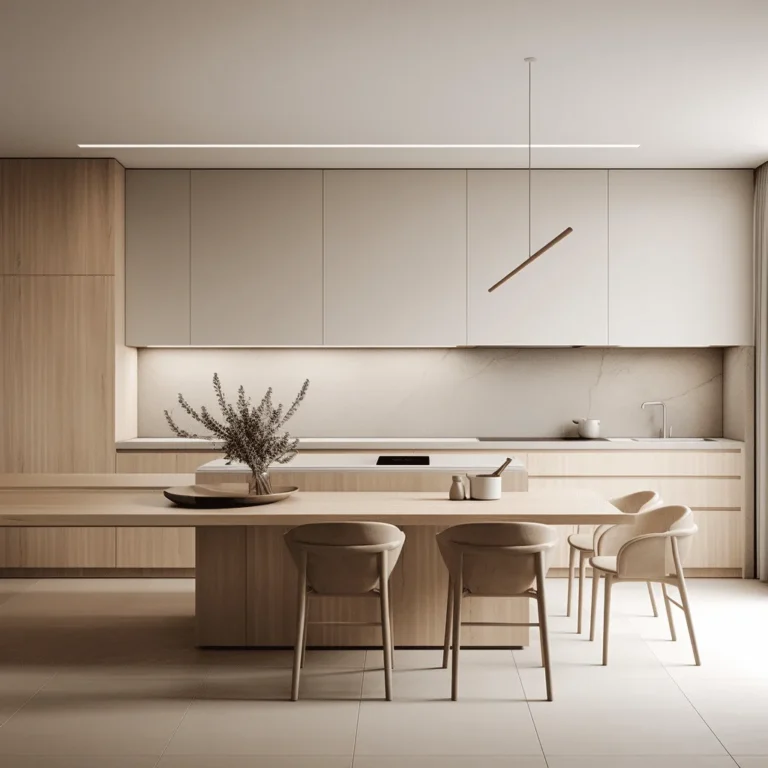
Your furniture layout dictates how your home feels to walk through. Bad flow creates frustration every time you cross the room. You should always maintain a clearance of at least 30 to 36 inches for main walking paths.
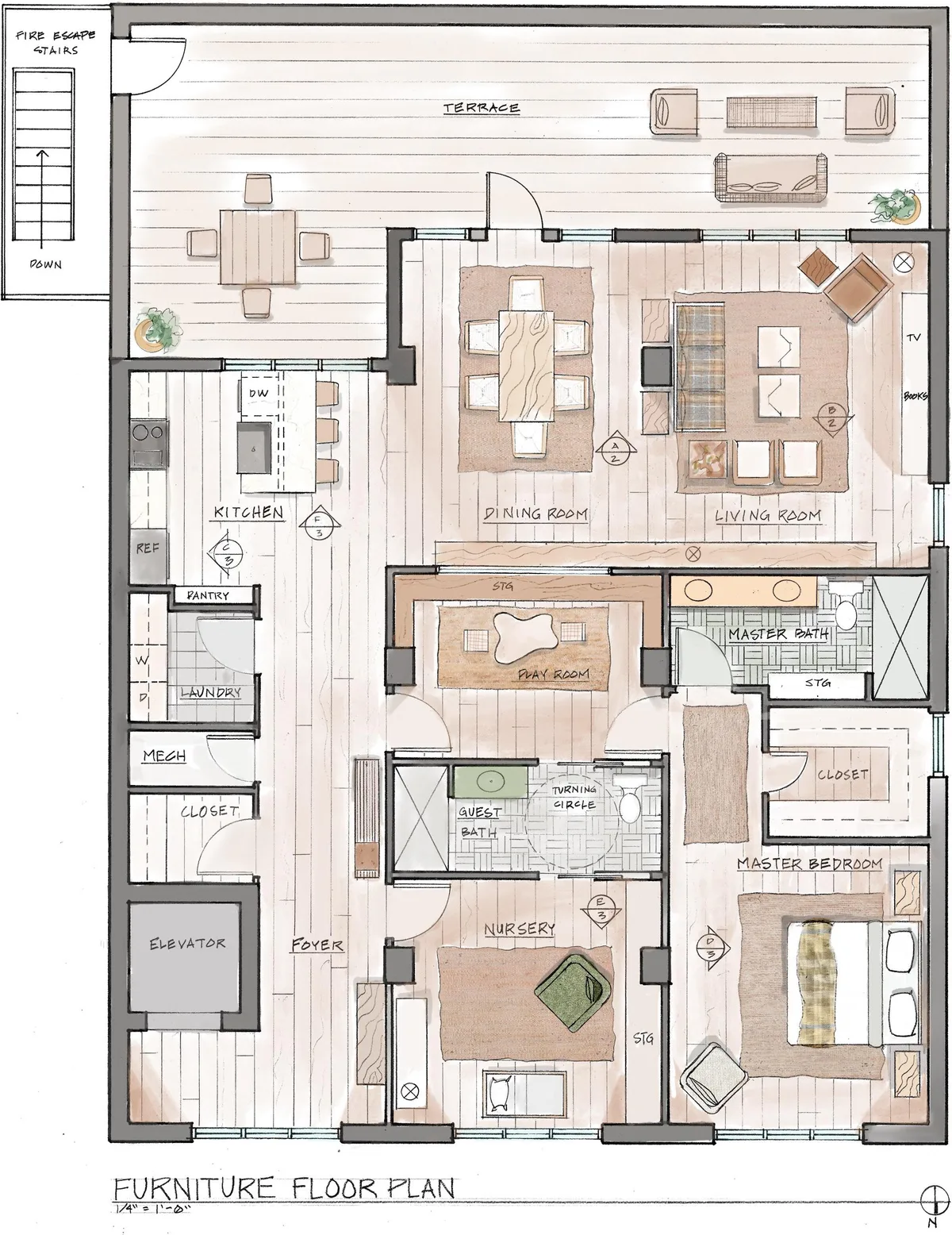
Image source: Web (Bing) / narodnatribuna.info (Web image (fair-use with source credit))
Use blue painter’s tape on your floor to outline where potential furniture pieces will go. This visual step prevents the common mistake of buying items that are too large for the room. You’ll see exactly how much empty floor space remains for movement.
Consider the sight lines from your doorway. You want the eye to land on something intentional, like a piece of art or a well-styled window, rather than the back of a bulky chair. Group furniture to encourage conversation rather than lining everything against the walls.
Building Your Room Anchor and Layering Texture
Every room needs an anchor point that acts as the visual foundation. This is usually the largest item in the space, such as a sofa, a bed, or a large area rug. Once this piece is placed, everything else must relate to it.
Texture is the secret to moving a room from showroom to lived-in. If your space feels flat, it is likely because everything has the same texture. Mix materials to introduce depth:
- Soft vs. Hard: Pair a velvet throw pillow against a linen sofa.
- Rough vs. Smooth: Place a jute rug beneath a polished wood coffee table.
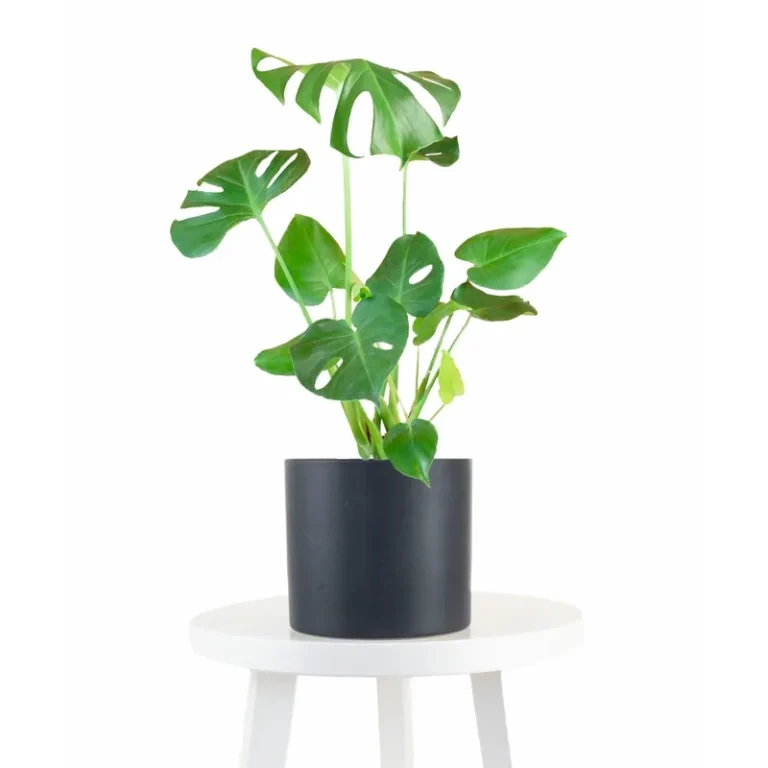
- Organic vs. Industrial: Use a woven plant basket next to a metal floor lamp.
Layering these elements makes the room feel intentional and collected over time. It gives the eye different surfaces to rest on, which stops the space from feeling sterile. As of 2026, most design professionals emphasize tactile comfort as a primary marker of a well-decorated home.
The Lighting Strategy: Why Your Overhead Light is Killing the Vibe
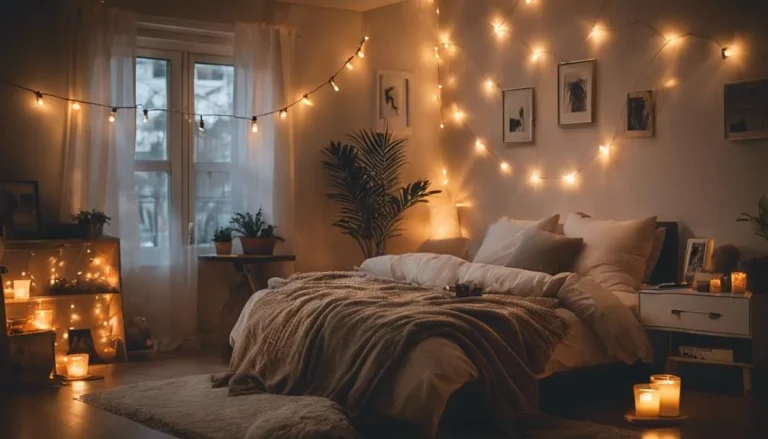
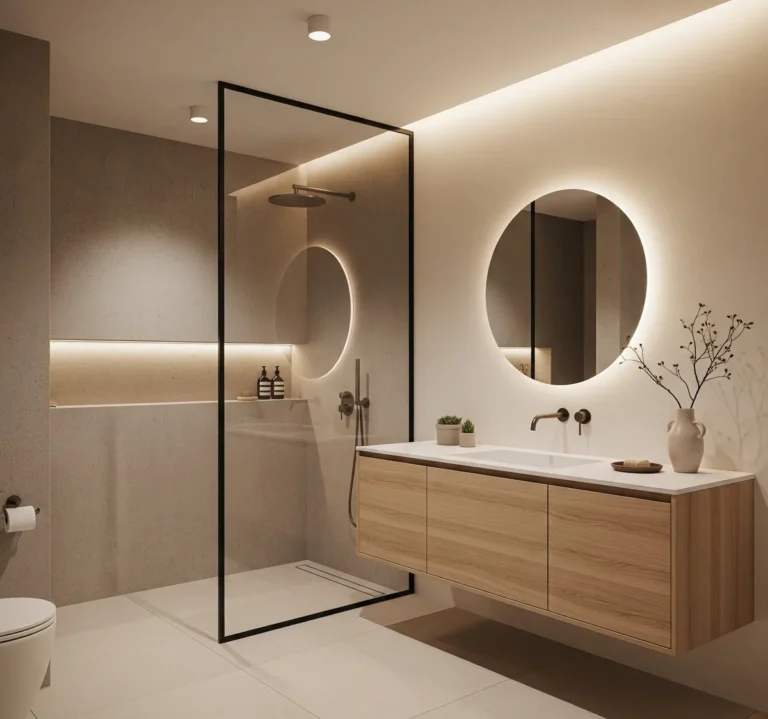
Most residential lighting is too harsh and too uniform. If your only light source is a single ceiling fixture, your room will never feel cozy. You need to create layers of light at different heights to solve this.
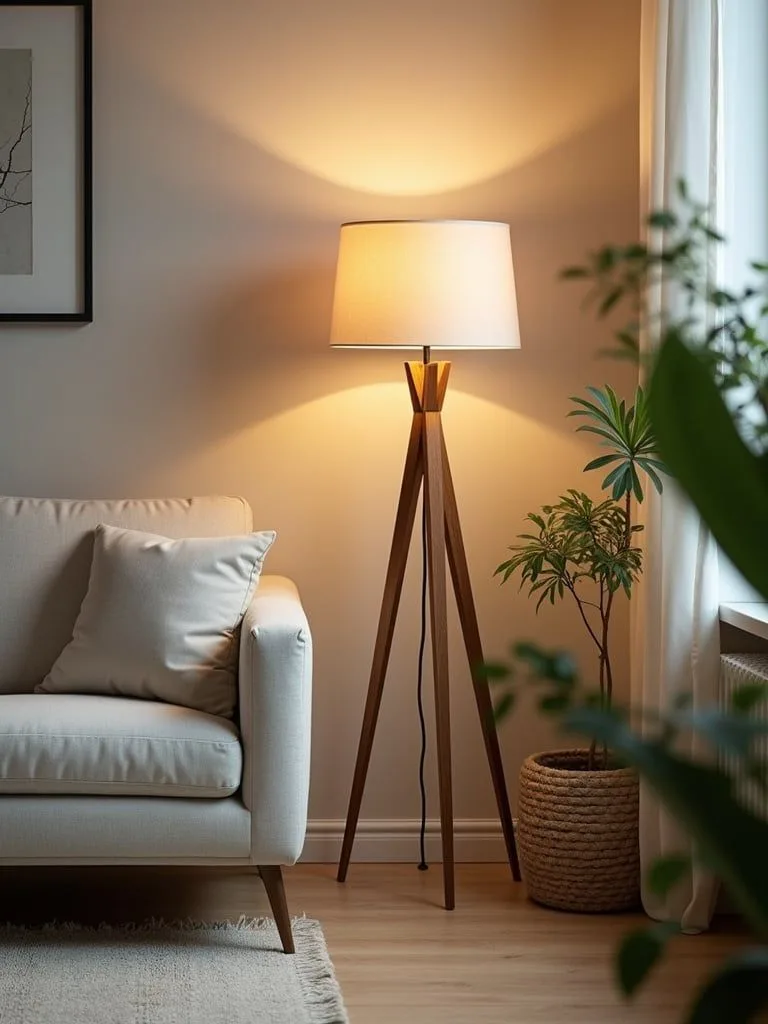
Image source: Web (Bing) / pinterest.com (Web image (fair-use with source credit))
Install dimmers on your overhead lights to immediately soften the room's mood. Then, add task lighting like reading lamps or floor lamps at eye level. Finally, use accent lighting to highlight shelves or artwork.
Follow the three-source rule for any medium-sized room. You should have at least three different light sources you can turn on independently. This flexibility allows you to change the room's intensity based on whether you are cleaning, reading, or relaxing in the evening.
| Lighting Type | Purpose | Placement Idea |
|---|---|---|
| Ambient | Overall illumination | Ceiling or chandelier |
| Task | Specific activity focus | Desk lamp or bedside light |
| Accent | Creating visual depth | Wall sconces or shelf LED |
Essential Rules for Furniture Scale and Clearance
Furniture scale is the most common reason a room feels off. A tiny coffee table next to a massive sectional makes the room feel disjointed. Always check the manufacturer specifications for dimensions before ordering online.
Follow these general guidelines to keep your room balanced:
- Rug Size: Ensure the front legs of your sofa and chairs sit on the rug. If the rug is too small, the room will look like a collection of floating islands.
- Coffee Table Height: Keep the table within two inches of your sofa's seat cushion height. This makes it easy to set down a drink without bending over.
- End Table Height: Align these with the arm of the sofa or chair they sit beside.
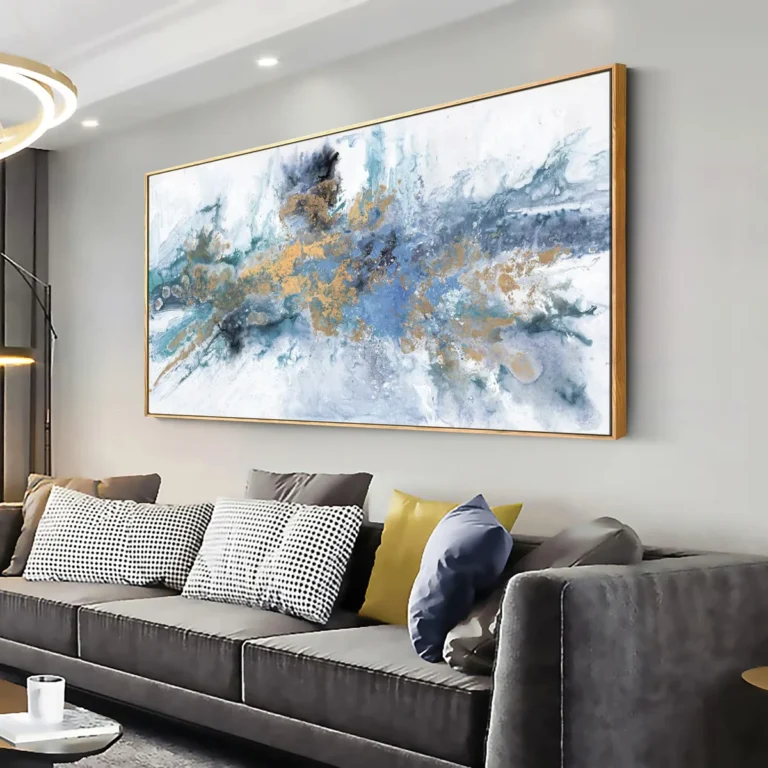
- Art Placement: Hang art so the center of the piece is roughly 57 to 60 inches from the floor. This aligns with standard human eye level.
Measure your doors and hallways to ensure your chosen pieces will actually fit into the room. It is a common, expensive mistake to buy a sofa that cannot navigate a tight stairwell or narrow doorway. Always verify the diagonal depth of your furniture against the width of your entry points.
Common Decorating Mistakes That Make Your Home Feel Off
Most homes feel unfinished because they prioritize style over the actual reality of the user's daily behavior. You’ll often find people grouping small items together, which creates visual clutter rather than a cohesive look. Avoid this by choosing fewer, larger statement pieces instead of dozens of tiny knick-knacks.
Another frequent error is ignoring the negative space in a room. You don't need to fill every square inch of wall or table space to make a house look complete. Negative space gives the eye a place to rest, which actually makes the items you choose look more valuable.
Check for these common issues:
- Floating Furniture: Pulling furniture away from walls often makes a room feel larger, but leaving it too far apart kills the conversation flow.
- Generic Art Height: Most people hang art too high, forcing guests to crane their necks to appreciate it.
- Matching Sets: Buying a bedroom suite where every piece matches perfectly usually looks impersonal and stiff. Mix in vintage items or different wood tones to add character.
Always remember that your home should represent your history, not a catalog page. If your room looks like a perfect showroom, it’s probably missing a personal item that tells your story.
Frequently Asked Questions About Home Decoration
How do I start decorating if I have zero budget?
Start by rearranging the furniture you already own. Move pieces from one room to another to see if they serve a better purpose elsewhere. Clear off surfaces of all non-essential items and reorganize what remains into small, intentional groups.
Sometimes, simply removing clutter makes a room feel like you’ve invested in new decor.
How do I choose a color palette for my home?
Pick a neutral base for your largest items, like sofas and walls, and use your favorite color for accents. If you aren't sure where to start, look at the colors in your wardrobe to see what you naturally gravitate toward. Limit yourself to a 60-30-10 rule: 60 percent of the room should be a main color, 30 percent a secondary color, and 10 percent a bold accent.
Should I prioritize trends or timeless design?
Invest your money in timeless, functional pieces that will last for a decade, such as high-quality wood furniture or durable upholstery. Use trends only for low-cost, easily swappable items like pillow covers, seasonal throws, or small decorative objects. Trends fade within a few years, but quality construction remains useful regardless of the current style.
How often should I update my home decor?
You don't need a formal schedule for updating your decor. Update your space whenever your lifestyle changes or when a specific piece no longer serves a functional purpose. Many experts suggest a minor seasonal refresh, like changing out textiles, to keep the space feeling current without the need for expensive structural overhauls.