How to Refresh Home Decor on a Budget
Refreshing your home on a budget requires a shift in perspective rather than a trip to the store. Most of us already own the building blocks for a beautiful, functional room if we know how to reconfigure them.
As of 2026, industry standards for residential lighting recommend a warm color temperature between 2700K and 3000K to create a relaxing atmosphere. By focusing on layout and editing, you can transform your space using zero additional capital.
Quick Answer
You refresh home decor on a budget by editing existing items first. Clear clutter from surfaces to create visual breathing room. Repurpose furniture by moving pieces between different rooms.
Use lighting to alter the mood of your space. Prioritize small, low-cost updates like paint or textiles.
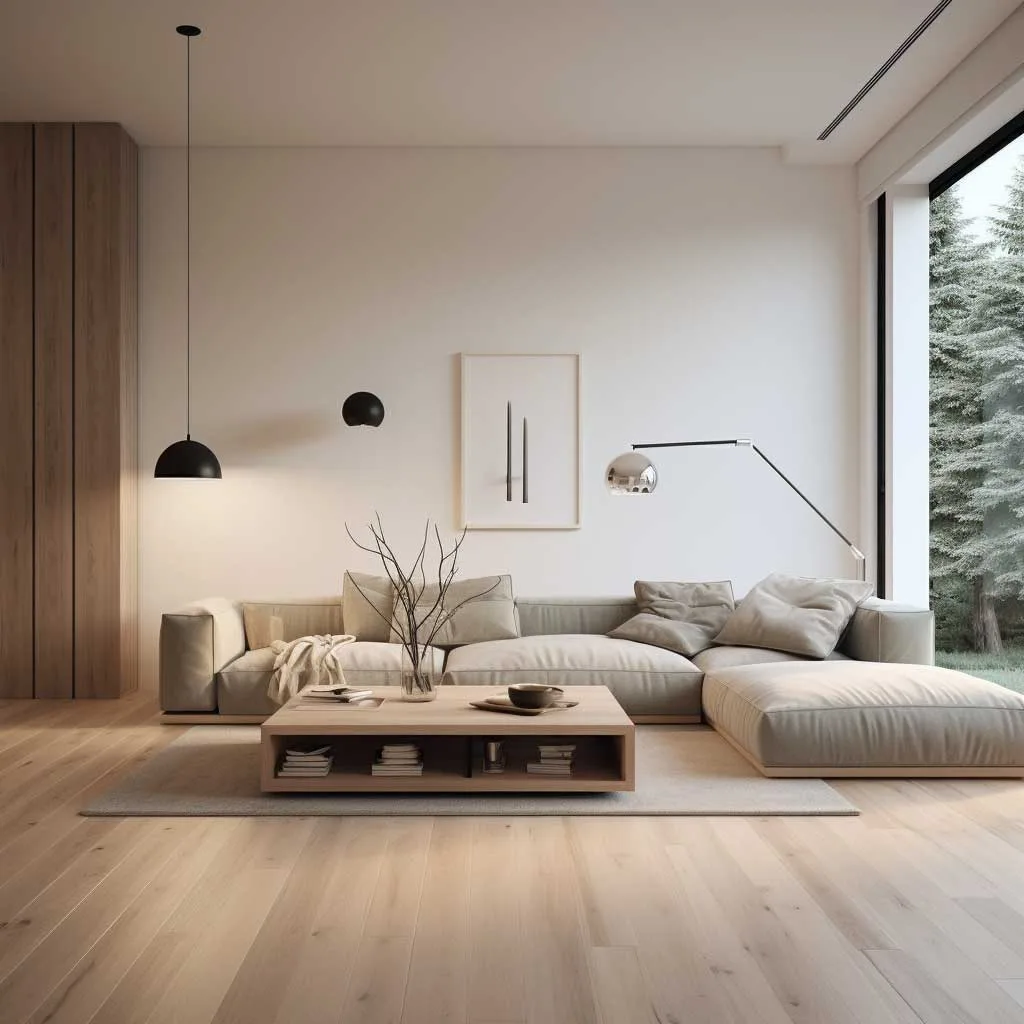
Image source: Bing (Web (fair-use with source credit))
The Design Blindness Trap: Why Your Room Feels Stale
Design blindness occurs when you become so accustomed to your environment that you no longer notice visual friction. You stop seeing the stack of mail on the counter or the furniture pushed into awkward corners. This state makes a room feel static and tired, even if the individual pieces are high quality.
Our research indicates that the most common cause of a stale room is over-saturation. When every surface is full, your eye has nowhere to rest. This lack of negative space creates a subconscious feeling of chaos that keeps your home from feeling like a retreat.
You can break this cycle by taking a neutral approach to your own home. Walk into your room as if you are a visitor for the first time. Take a photograph of the space on your phone, as the digital image often highlights clutter that your brain filters out in person.
The Pre-Refresh Edit: How to Clear Your Mental and Physical Space
The edit is the most important step in any refresh. You must remove items before you can see what is actually working. Empty your shelves, your coffee table, and your surfaces entirely.
Once your surfaces are clear, handle every object you removed. According to standards set by the American Society of Interior Designers, functional design should prioritize the relationship between space and the people using it. If an item doesn't serve a clear purpose or bring you genuine joy, place it in a separate room.
Do not feel pressured to fill the space back up immediately. Leaving surfaces partially empty gives your eyes a place to land. This creates a clean, sophisticated look that costs absolutely nothing to achieve.
Furniture Layout Strategies: Moving Beyond the Waiting Room Look
Many homes suffer from the waiting room effect, where every piece of furniture is pushed against the walls. This creates a giant void in the center of the room and forces people to shout across empty space. If you want a cozy, cohesive look, you must bring the furniture into the center.
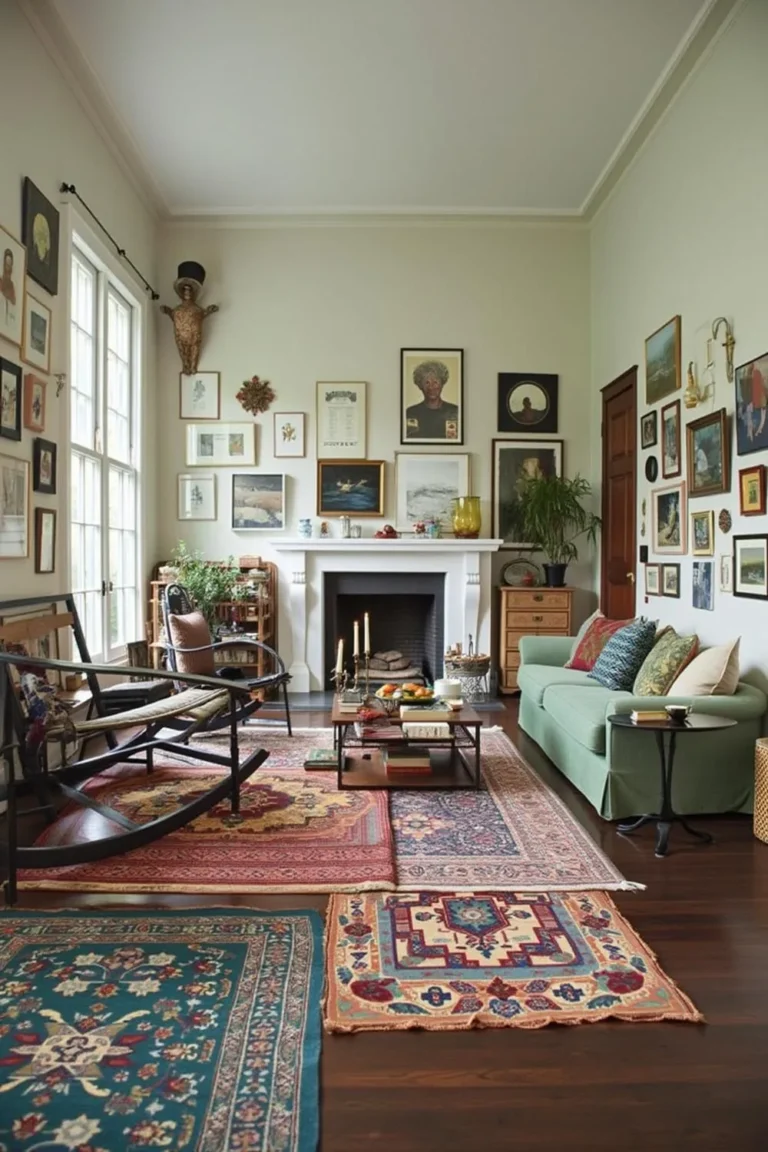
Try pulling your sofa or armchairs away from the wall by at least six inches. Even a small gap makes a room feel larger and more intentional. Use rugs to anchor these new groupings, which helps define the conversation area clearly.
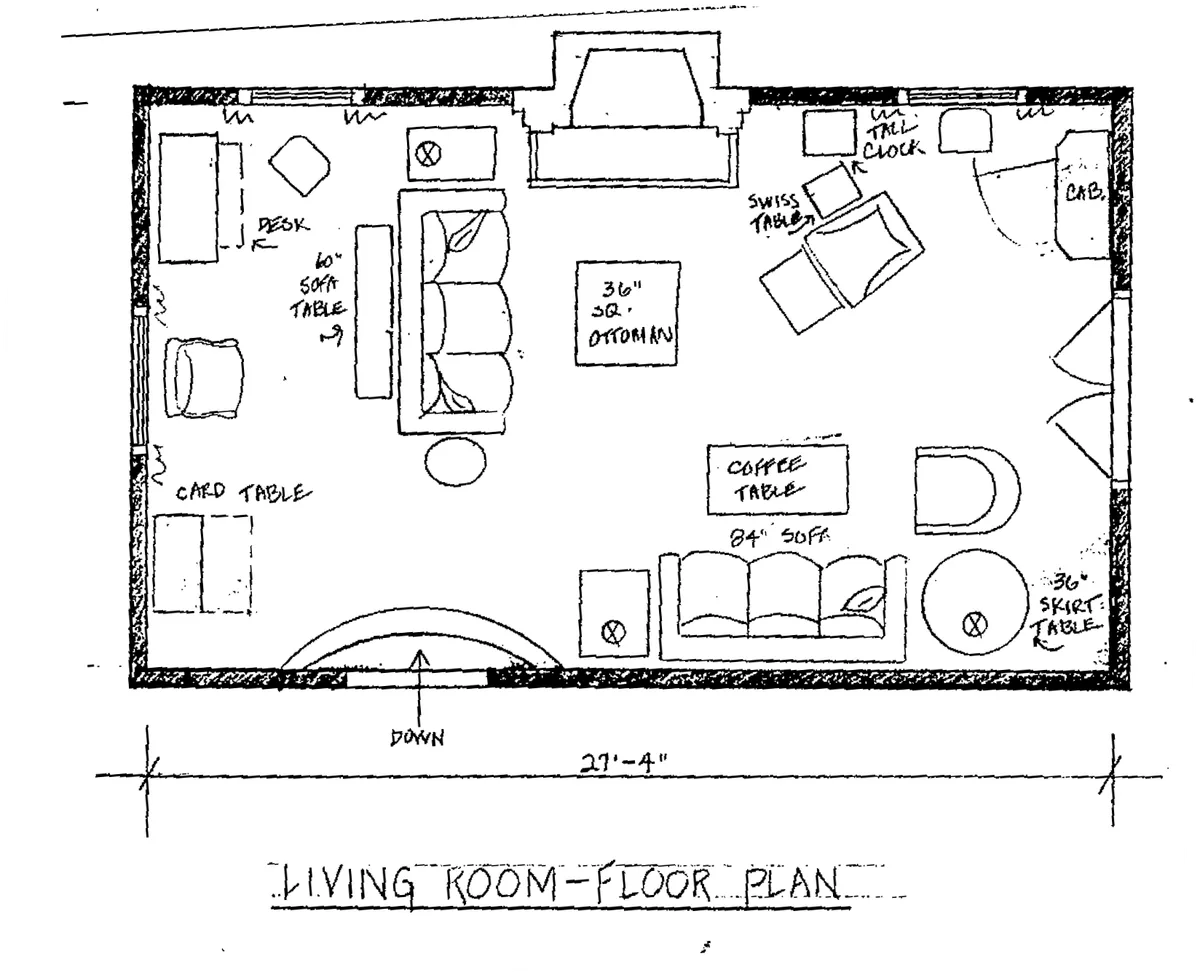
Image source: Web (Bing) / imagetou.com (Web image (fair-use with source credit))
If you have a large open room, use a console table or a bookshelf as a room divider. This breaks up a long, narrow floor plan without needing permanent walls or construction. Always ensure there is a clear traffic path of at least 30 inches between major furniture pieces for safety and comfort.
High-Impact Styling: Mastering Scale, Texture, and the Rule of Three
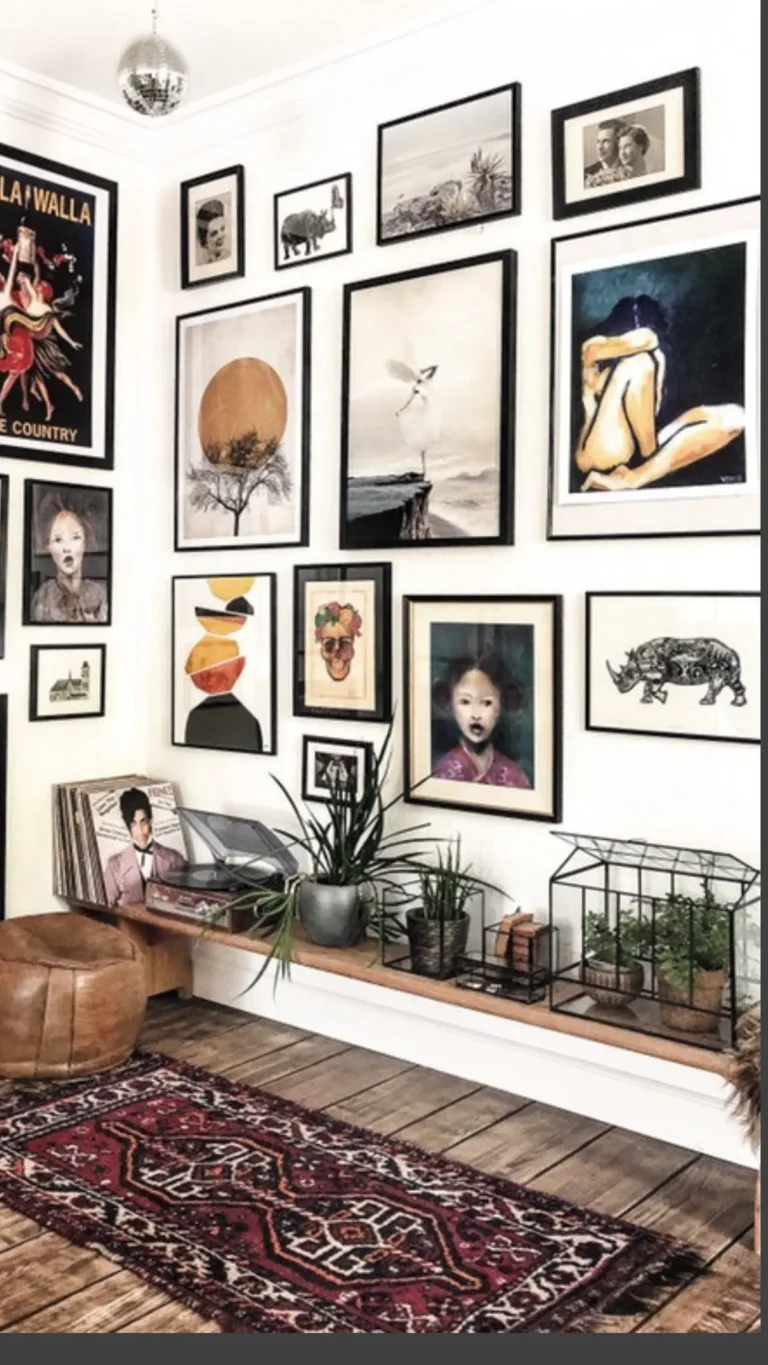
Styling is where your personal story comes into focus. To avoid a cluttered or messy appearance, use the rule of three when arranging decorative objects. Three items of varying heights and textures create a balanced display that feels curated rather than crowded.
- Height: Include one tall item, like a vase or plant.
- Mass: Include one medium item, such as a stack of books or a box.
- Interest: Include one small item, like a bowl or a candle.
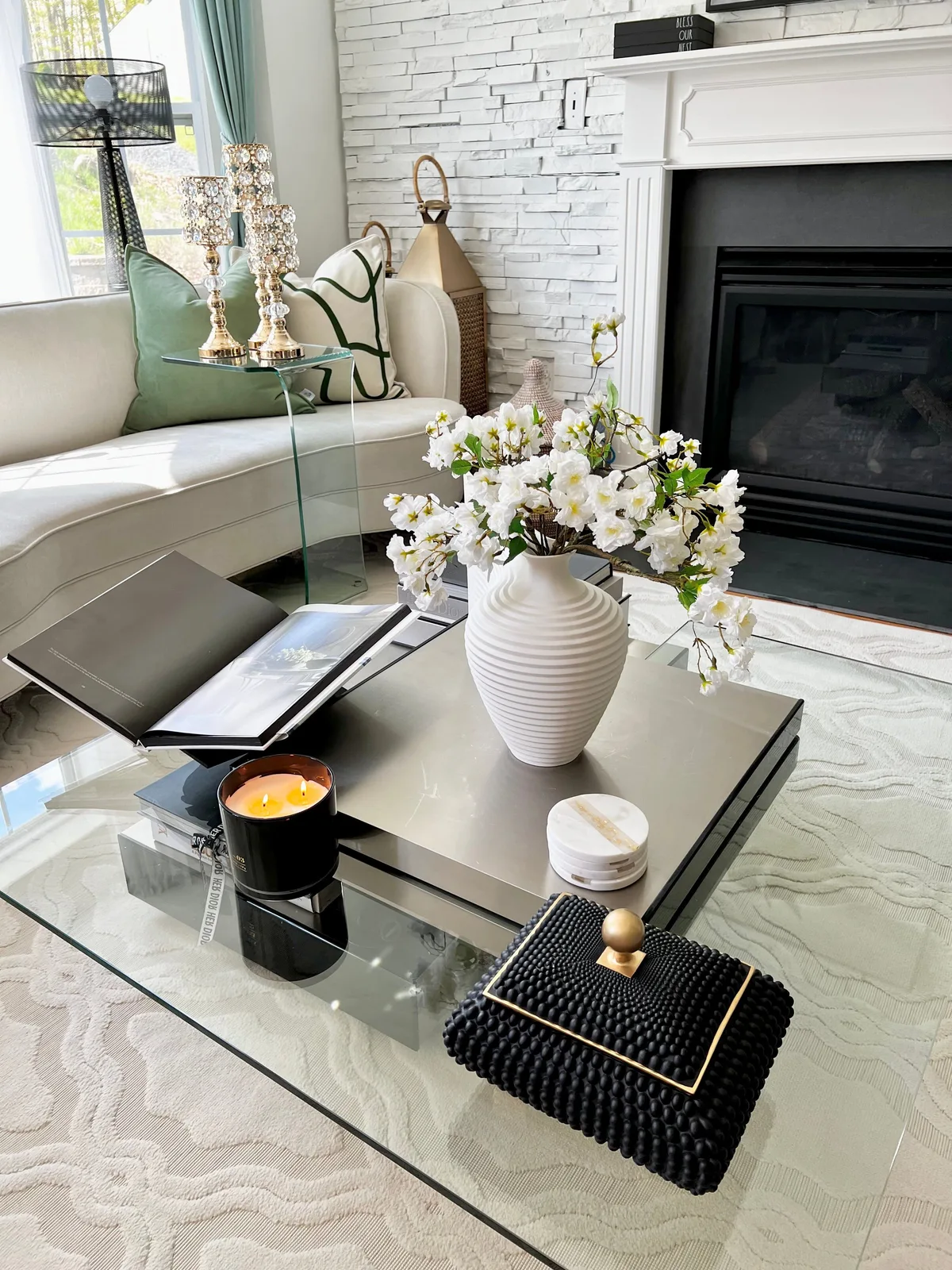
Image source: Bing (Web (fair-use with source credit))
Texture is the secret to making budget decor look expensive. Combine smooth surfaces like glass or ceramic with organic textures like wood, wool, or linen. This interplay of materials adds depth to the room, preventing a flat or one-dimensional look.
Budget-Friendly Aesthetics: Paint, Textiles, and Lighting Hacks
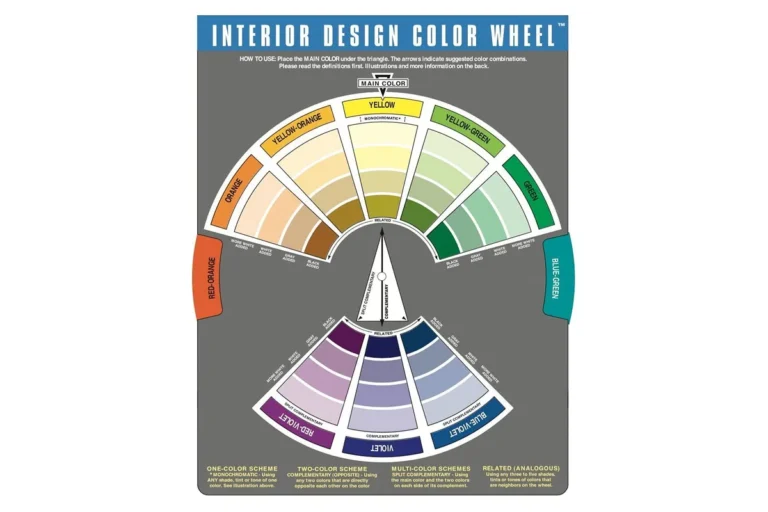
Paint is the single most cost-effective tool for changing the mood of a home. You don't need to paint the entire house to make an impact. A single accent wall in a deep, moody color can anchor a room better than a dozen new pieces of art.
Textiles offer another path to a refreshed look without the price tag of new upholstery. Replace pillow covers rather than buying entirely new pillows. Layering a new throw blanket over an old armchair adds texture and hides worn fabric while signaling a change in the season.
| Element | Budget Action | Impact |
|---|---|---|
| Lighting | Swap bulbs to 2700K | High (warmth) |
| Paint | Paint one accent wall | High (mood) |
| Textiles | Add patterned covers | Medium (visual) |
| Plants | Propagate cuttings | Low (organic life) |
Lighting is often overlooked, but it is vital for room comfort. According to Department of Energy guidelines for lighting, choosing LED bulbs with high color rendering indices will make your colors look more vibrant and natural. Avoid harsh, cool-white bulbs, which can make residential spaces feel like commercial offices.
Common Decorating Pitfalls That Drain Your Time and Money
The biggest mistake is buying cheap, trendy items to fill empty gaps. You end up with a collection of mass-produced decor that loses its appeal within months. This cycle of buying and discarding is the fastest way to deplete your budget without achieving a cohesive aesthetic.
Another trap is neglecting scale in your furniture choices. Placing small, spindly items in a large, open room makes the furniture look lost and cheap. Before you commit to any rearrangement, use blue painter's tape to mark the footprint of your items on the floor.
Finally, avoid buying matching sets of furniture. Coordinating pieces look like a showroom catalog rather than a home that has grown and evolved over time. Mix textures and styles to create a space that feels personal, unique, and intentional.
Frequently Asked Questions
How do I start if my room feels completely overwhelming?
Start by removing everything from the surfaces. When you look at a blank canvas, it is easier to see the room's actual potential. Pick one focal point, such as a window or a fireplace, and arrange your furniture to highlight that feature.
Can I really refresh a room with zero dollars?
Yes, you can achieve a significant change by simply moving existing items between rooms. Swapping art, lighting, or rugs can make a familiar space feel entirely new. Use the furniture shuffle method to open up traffic flow and change how you interact with the room.
Should I prioritize paint or new furniture?
Always prioritize paint over new furniture if you have a limited budget. A fresh coat of paint provides a high-impact color transformation for a fraction of the cost of a new sofa. It instantly resets the tone and brightness of your space.
How often should I refresh my home decor?
There is no set rule, but many homeowners find that a light refresh every six months keeps a space feeling energized. This does not mean buying new items. It means rotating your accessories, moving furniture, and editing out items that no longer serve your lifestyle.
Final Decision Guide: How to Prioritize Your Next Move
If you are stuck, decide based on what needs the most attention. Use this quick flow to choose your next step. If your room feels chaotic, start with the edit and clear all surfaces immediately.
If the room feels uncomfortable, adjust your furniture layout to create better conversation zones.
- If the lighting feels cold: Swap your light bulbs for warm-toned options at 2700K.
- If the walls look dull: Choose one wall for a bold paint color to create an instant focal point.
- If the space feels empty but cluttered: Focus on the rule of three to style your existing surfaces with intention.
Your home should be a reflection of your personality and your daily needs. Do not feel rushed to finish the process in one weekend. Take your time, test your layouts, and prioritize quality over quantity.
That is the true secret to a home that feels fresh for years to come.