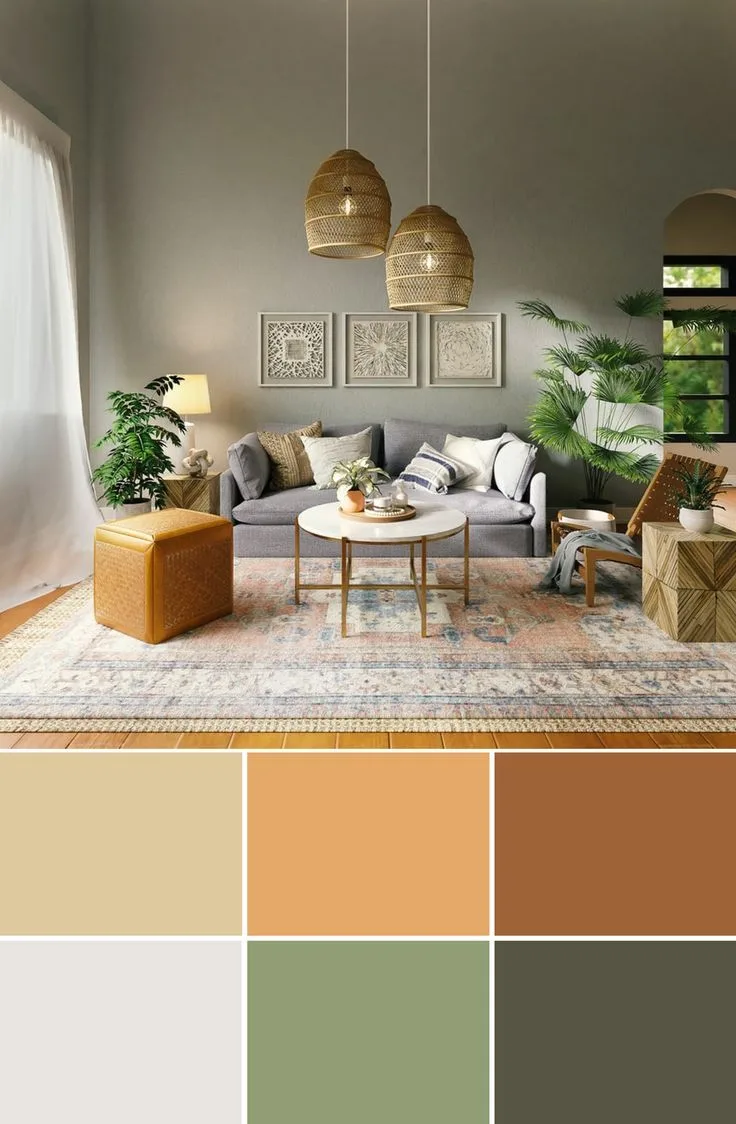
How to Decorate With Candles
Learning how to decorate with candles is an effective way to introduce warmth and texture into your living spaces. When arranged with purpose, candles transform a room by softening hard edges and creating inviting focal points.
As of 2026, interior design guidelines emphasize intentional grouping over cluttered displays to maintain a clean aesthetic. Per National Fire Protection Association (NFPA) safety standards, you should always maintain at least 3 feet of clearance between open flames and combustible items. Following these practices ensures your home remains both stylish and safe.
Quick Answer
You should decorate with candles by grouping them in odd numbers. Use trays to anchor your candle collection on flat surfaces. Vary candle heights to create visual interest and balance.
Keep scented candles away from your dining table for better experiences. Always place candles on stable, heat-resistant surfaces away from curtains.
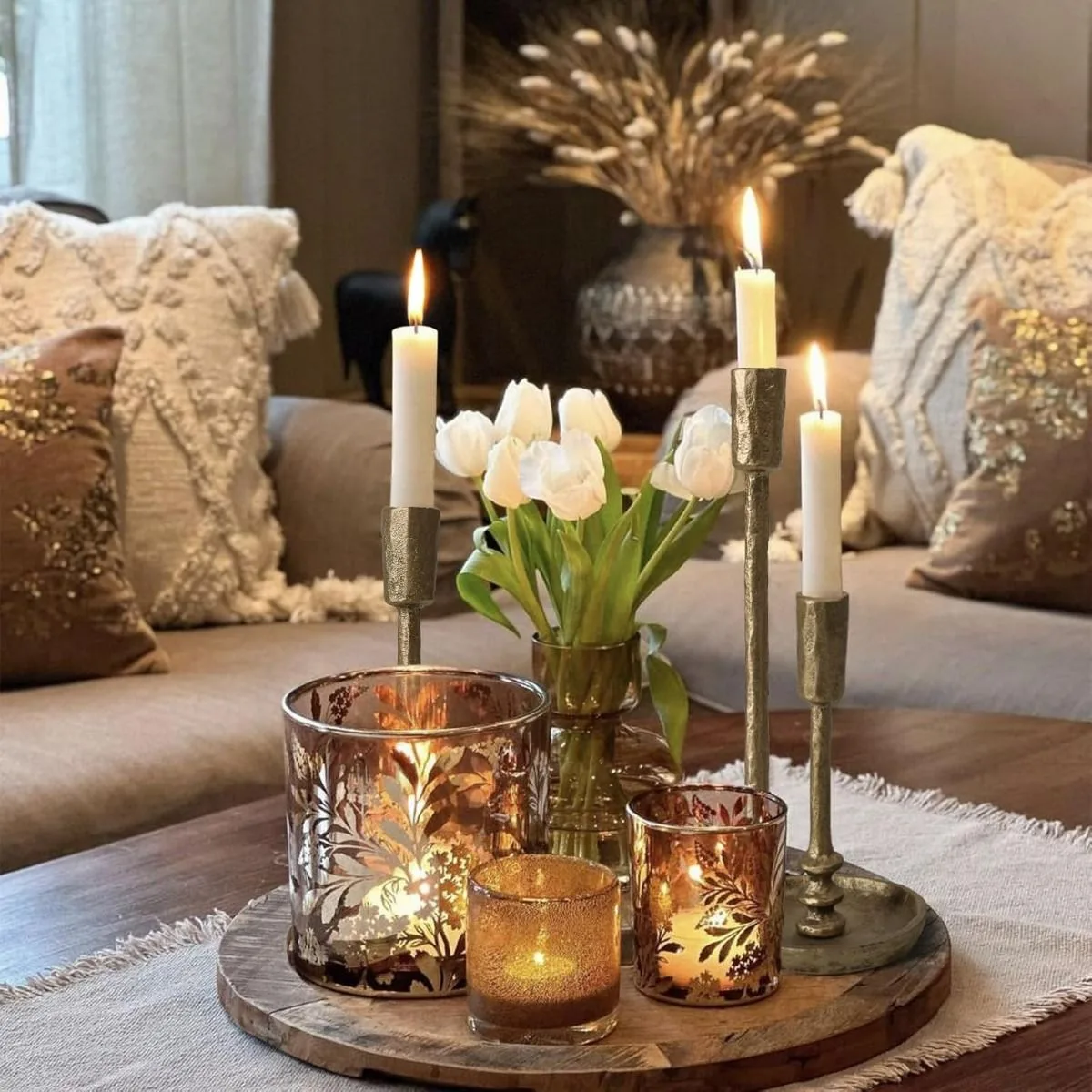
Image source: Bing (Web (fair-use with source credit))
Why Your Candle Display Doesn't Feel Designed
If your candle display feels messy, you are likely missing a clear focal point. Many people make the mistake of scattering individual candles across a room. This often makes the space feel cluttered rather than cozy.
Successful decorating relies on intentional placement. You need to group candles so they look like a single, cohesive unit. When you treat candles as part of a set, the visual impact increases significantly.
The most common issue is a lack of variety. If every candle is the same height, the arrangement feels static. You want to lead the eye across different levels.
Creating a deliberate display turns your candles into a purposeful design choice.
The Anatomy of a Perfect Candle Arrangement
A great candle arrangement requires three specific elements to succeed. First, you need an anchor, such as a decorative tray or a stack of books. This physical boundary tells the eye where the display begins and ends.
Second, you need height variety. Incorporating tapers, pillars, and votives in one group adds depth. Without this, your display will look flat and uninteresting.
Finally, consider the base material. A brass tray feels different than a wooden board or a marble slab. Match the texture of your anchor to the existing mood of the room.
A balanced display should feel like it belongs on the furniture rather than just sitting on top of it.
The Rule of Three: Scaling Heights and Anchoring Your Display
The Rule of Three is a classic design principle stating that items arranged in odd numbers are more visually appealing. Groups of three or five create a sense of balance. This prevents your decor from looking too symmetrical or overly rigid.
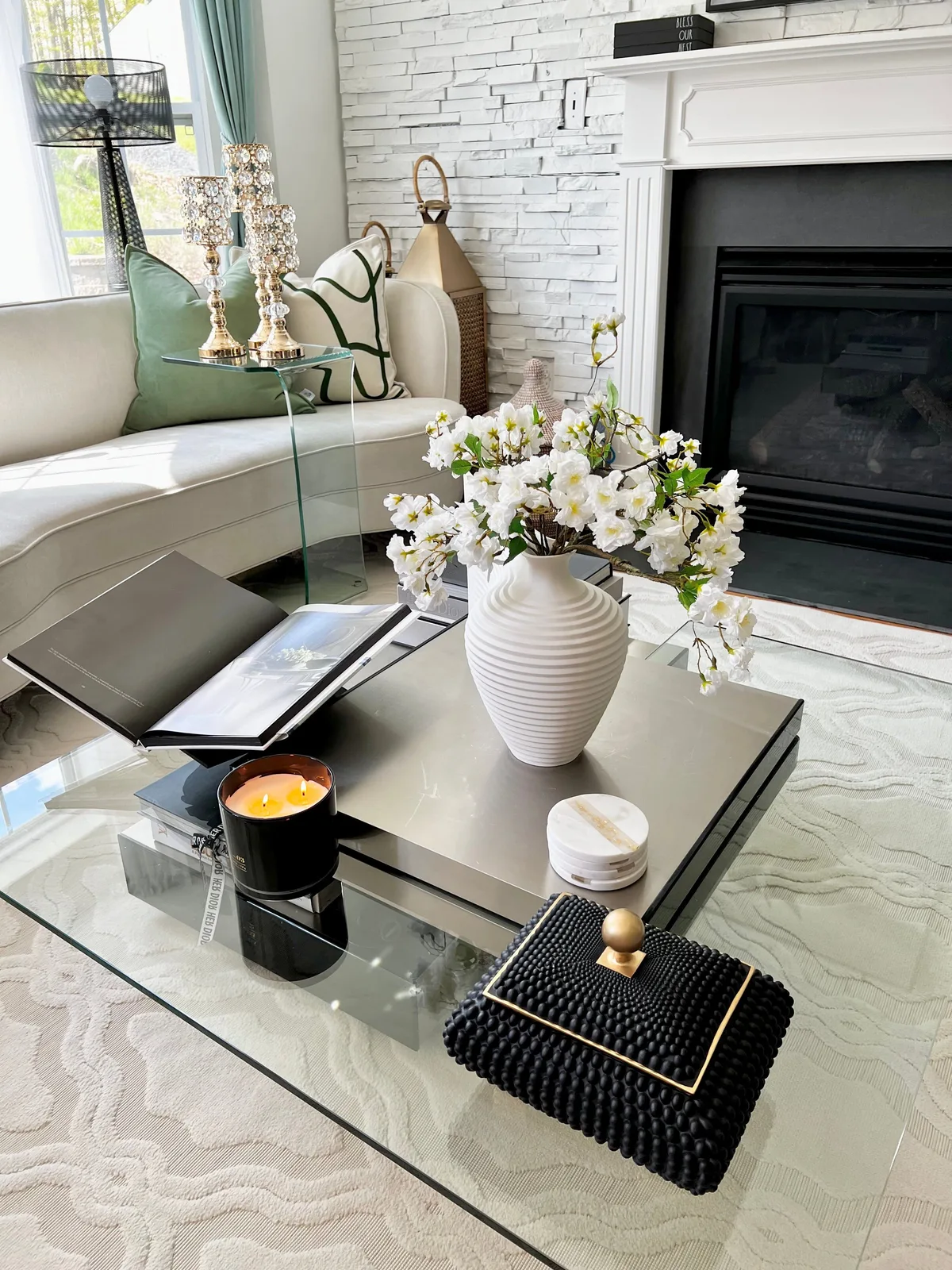
Image source: Web (Bing) / hallofflame.com.au (Web image (fair-use with source credit))
Start by placing your tallest candle in the back or center. Then, place your medium-sized pillar to the side. Finally, add a small votive or tealight at the front to round out the cluster.
Using a tray or a stable base is essential for safety and aesthetics. It protects your furniture from potential wax drips. It also creates a landing strip that frames the candles, making the display look like a deliberate piece of art.
Choosing the Right Candle for Your Space and Mood
Choosing the right candle type depends on the room's function and the atmosphere you want to build. Each candle shape offers a different utility and visual weight.
| Candle Type | Best Placement | Design Benefit |
|---|---|---|
| Tapers | Dining Tables | Adds height without blocking views. |
| Pillars | Fireplaces | Provides a sturdy, grounding presence. |
| Votives | Bathrooms | Creates soft, intimate pools of light. |
| Containers | Desks | Contains wax and offers easy cleanup. |
Consider the scent carefully. You should avoid heavy, perfumed scents near food prep or dining areas. Choose unscented or light, botanical-based candles for spaces where you eat or work.
Reserve the stronger, warmer scents like cedar or vanilla for living areas where you lounge.
Common Styling Mistakes That Kill the Ambiance
The most common mistake is placing candles too close to items that can sway. Curtains, thin papers, and light fabric wall-hangings are high-risk materials. Even if a candle is in a tall glass, a strong breeze can blow curtains into the flame.
Another mistake is forgetting to burn your candles properly. A candle that has never been lit looks like a store display. Light your candles occasionally to give them a lived-in, soft-edged look.
Don't ignore the importance of color coordination. You don't need every candle to be the exact same shade. However, they should share a common color temperature.
Mixing cool-toned grays with warm-toned creams often looks disjointed. Stick to a unified color palette for the best results.
Essential Fire Safety and Surface Protection
You must prioritize heat resistance and distance to keep your home safe while decorating. Even if a surface looks sturdy, direct contact with a hot candle base can leave permanent rings or scorch marks. Use non-combustible trays made of stone, metal, or tempered glass to act as a barrier between the wax and your furniture.
Never place candles on surfaces that can easily tip, such as rugs or soft cushions. Ensure the surface is perfectly level to prevent wax from spilling over one side of the container. If you are using taper candles, always check that the holder is heavy enough to support the weight of the wax without wobbling.
Keep your display away from high-traffic areas where people or pets might accidentally brush against the flame. This is particularly important with tall taper candles. If you have curious cats or active children, consider using flameless LED alternatives in low-lying areas.
These provide the same warm glow without the actual risk of fire.
Maintenance Strategies for a Longer Burn and Cleaner Look
Routine care extends the life of your candles and prevents messy soot buildup on your walls and decor. The most vital habit is trimming the wick before every single burn. A long or curled wick creates a larger, unstable flame that produces excess smoke and soot.
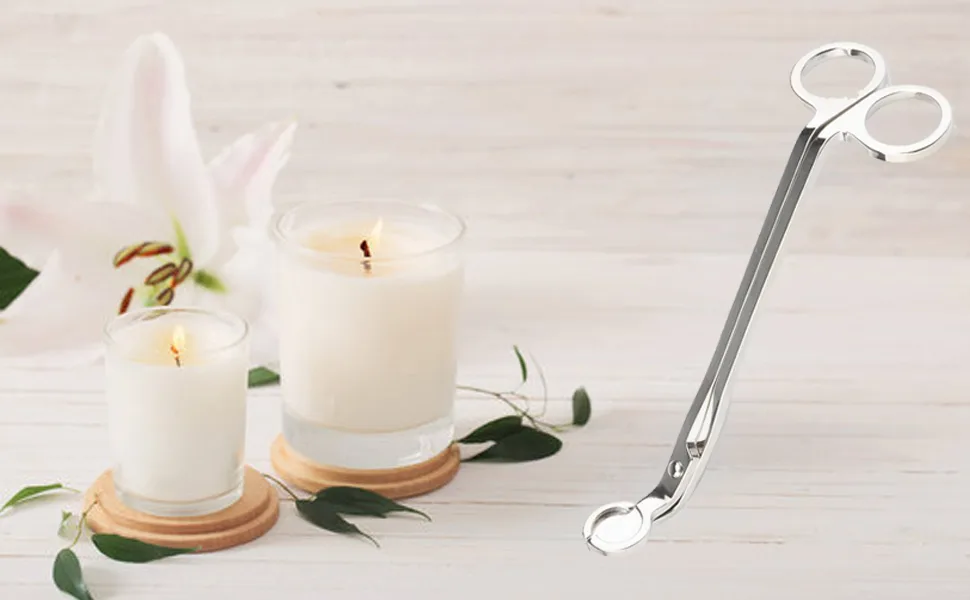
Image source: Web (Bing) / amazon.sa (Web image (fair-use with source credit))
Aim to keep your wick trimmed to roughly 1/4-inch at all times. Use a dedicated wick trimmer if you want a clean cut, though scissors work in a pinch. This simple step ensures a steady, controlled flame that doesn't flicker or dance.
You should also watch for tunneling, which happens when the wax only melts in a narrow ring around the wick. To prevent this, let the candle burn long enough during the first use so the melted wax pool reaches all the way to the edge of the container. This usually takes about one hour for every inch of the candle's diameter.
Frequently Asked Questions About Candle Styling
How do I stop my taper candles from leaning?
If your taper candles are leaning, the base is likely too small for the holder. You can use a small amount of museum wax or a folded piece of aluminum foil to wedge the candle into place. This creates a tight, vertical fit that stays secure.
Always ensure the candle is upright before you light it to prevent uneven melting.
Is it safe to leave candles burning when I leave the room?
Never leave a burning candle unattended in any room, even for a few minutes. If you need to step out, extinguish the flames using a metal snuffer to avoid blowing hot wax. A snuffer is safer than blowing, as it prevents sparks and splatters from escaping the container.
Re-light them only when you are back in the room to monitor them.
How do I remove wax spills from a wooden table?
You can remove spilled wax by letting it harden completely first. Once the wax is cool and brittle, gently pop it off using a plastic credit card or a dull plastic scraper. Avoid using metal knives, as these will scratch the wood finish.
If a faint oily spot remains, a mild wood cleaner usually clears it up without issue.
Can I mix different candle scents in the same room?
Mixing multiple scents in one space often creates a confusing and unpleasant aroma profile. It is best to stick to one scent family, such as floral or woody, if you must burn more than one. Better yet, pair one scented candle with two unscented ones to keep the air fresh.
This prevents the fragrances from clashing while still providing the visual glow you want.
How often should I replace my candles?
You do not need to replace candles based on a calendar, but you should look for signs of degradation. Older candles with natural wax can lose their fragrance over time or collect dust that clogs the wick. If a candle has been sitting on a shelf for years and looks discolored, it is time to move it to a new home.
Always prioritize performance, and swap them out when the wax no longer burns cleanly.