How to Use Plants as Home Decor
Learning how to use plants as home decor transforms a static room into a living environment. Beyond simple aesthetics, incorporating greenery introduces organic movement and texture into your daily surroundings.
As of 2026, research in biophilic design suggests that indoor plants can improve room acoustics and perceived air freshness. You don't need a green thumb to succeed if you select species that match your home's unique light and airflow conditions.
Quick Answer
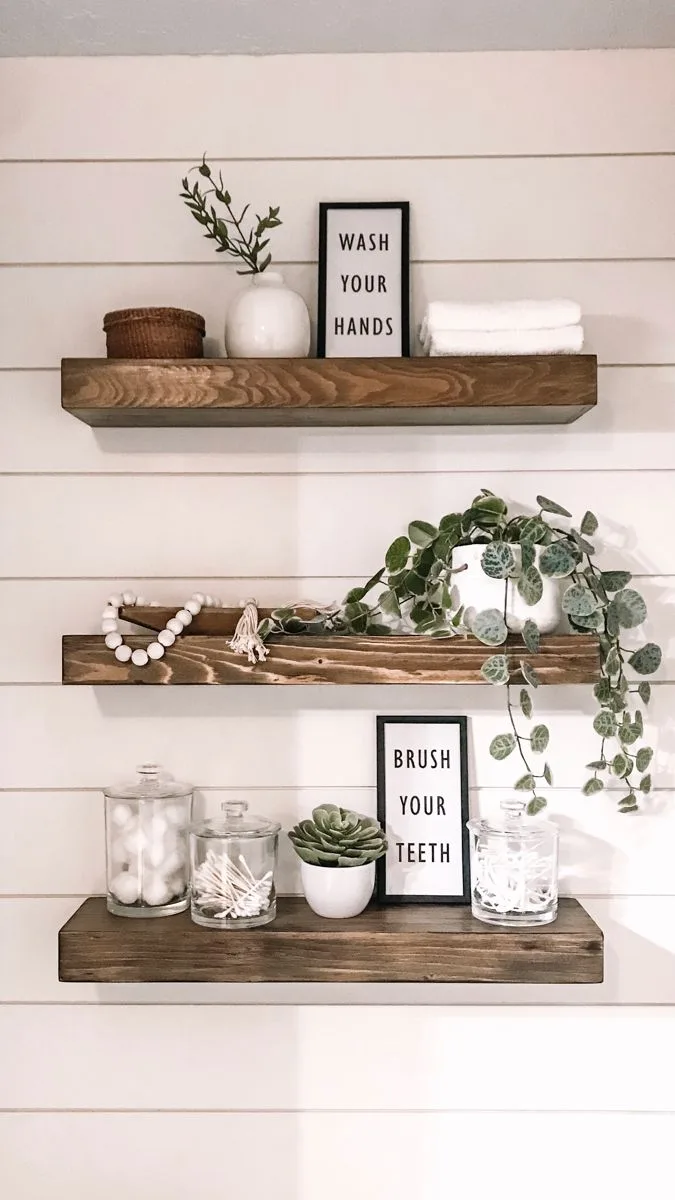
You use plants as home decor by matching species to your room light. Place large floor plants in corners to anchor your space. Use shelves to display trailing vines for vertical visual interest.
Group smaller pots in odd numbers to create balanced focal points. Always ensure your decorative containers have proper drainage to prevent root damage.
Choosing Plants as Architectural Elements
Treating plants as architectural elements means viewing them as permanent fixtures rather than temporary accessories. A large plant, such as a Ficus lyrata or a Strelitzia nicolai, acts as a soft-edged divider in open floor plans. These specimens possess enough visual weight to compete with sofas or bookcases for attention.
When selecting your living furniture, consider the mature size of the plant. A small sapling might look great on a counter today, but it could grow to six feet tall within a few years. Check plant tags or reliable University of Florida IFAS extension databases to confirm the growth habits of your chosen variety.
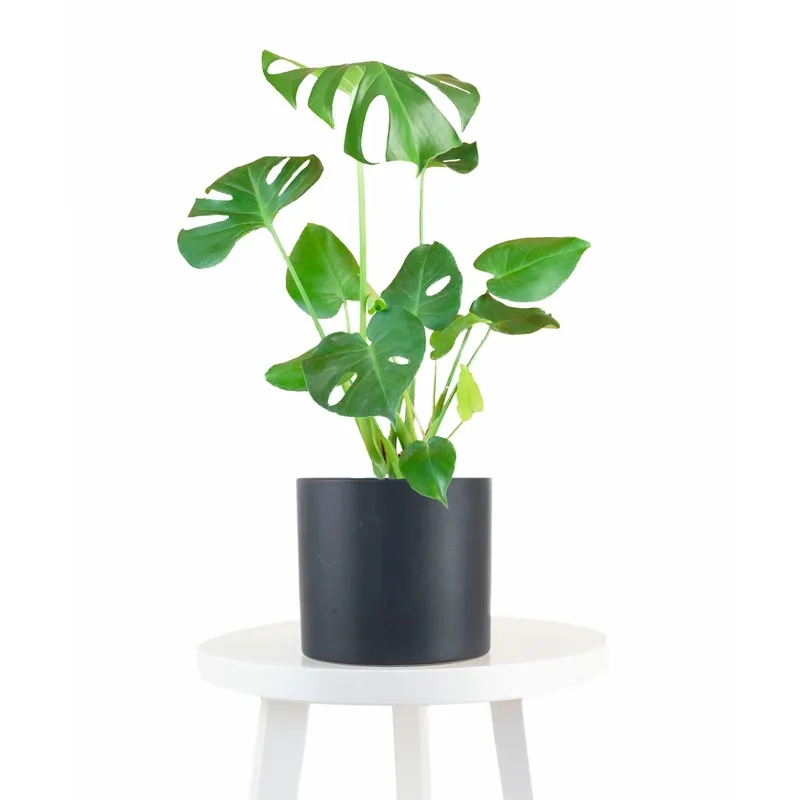
Image source: Web (Bing) / plantmagicp.com (Web image (fair-use with source credit))
Prioritize structure and form over fleeting trends. Plants with distinct trunk shapes or broad, sculptural leaves offer a cleaner look than bushy, unmanaged varieties. These structural plants provide the backbone of your decor strategy.
You can then fill the smaller gaps with lower-profile foliage.
The Science of Light and Spatial Placement
Successful indoor greenery requires an understanding of your home's light map. Every window provides a different quality of light, and plants react accordingly. South-facing windows offer the most intense light, while north-facing windows are significantly dimmer.
Before placing a plant, observe how the light moves across the room throughout the day. If you place a sun-loving succulent in a dark, north-facing corner, the plant will stretch toward the light, a process called etiolation. This creates weak, leggy stems that detract from your decor's visual appeal.
| Light Level | Intensity | Recommended Plant Types |
|---|---|---|
| High | Direct/Bright | Strelitzia, Cacti, Jade |
| Medium | Bright Indirect | Monstera, Ficus lyrata |
| Low | Dim/Shadowed | Snake Plant, ZZ Plant, Pothos |
Adjust your expectations based on your environment. If your home lacks natural light, rely on hardy varieties like the ZZ Plant or Snake Plant. These species tolerate lower light levels without sacrificing their structural integrity or deep green color.
Curating Your Plant Layout for Visual Balance
Visual balance in plant styling relies on the principle of layering heights. If every plant sits at the same level, the display appears flat and cluttered. Use plant stands, pedestals, or even stacked wooden crates to elevate smaller plants into the mid-range of your line of sight.
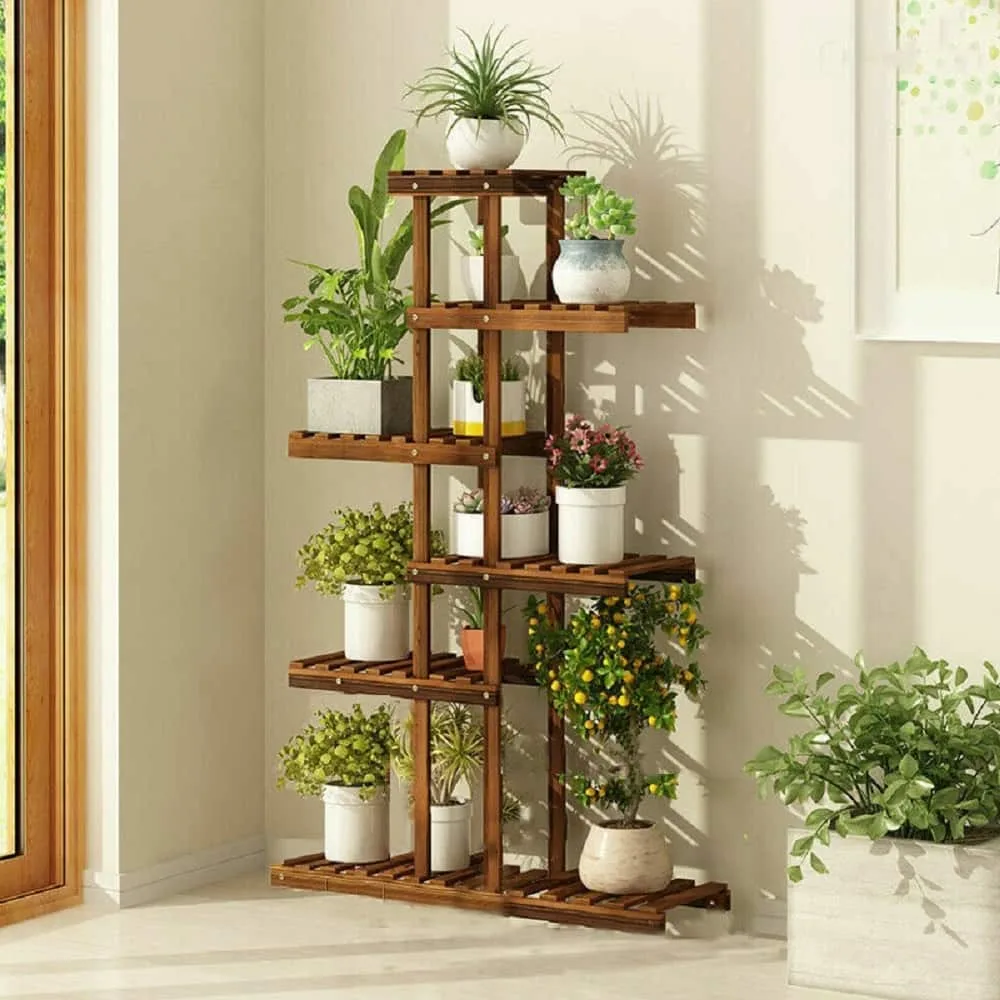
Image source: Web (Bing) / bedbathandbeyond.com (Web image (fair-use with source credit))
Consider the rule of three when arranging your pots. Grouping three plants of varying heights and leaf textures creates a more natural, professional display than placing them in rigid rows. This technique draws the eye across the arrangement rather than letting it settle on a single spot.
Incorporate negative space into your layout. A few well-placed, healthy plants create a more dramatic effect than an overcrowded collection. Allow the wall color or the furniture surface behind the plant to act as a backdrop, letting the natural green tones stand out against the room's palette.
Matching Pots and Foliage to Your Design Style
The container acts as the frame for your botanical art. A minimalist room benefits from uniform, neutral-colored pots that let the plant foliage remain the focal point. If your style is more eclectic, you can experiment with patterned ceramics or textured terracotta.
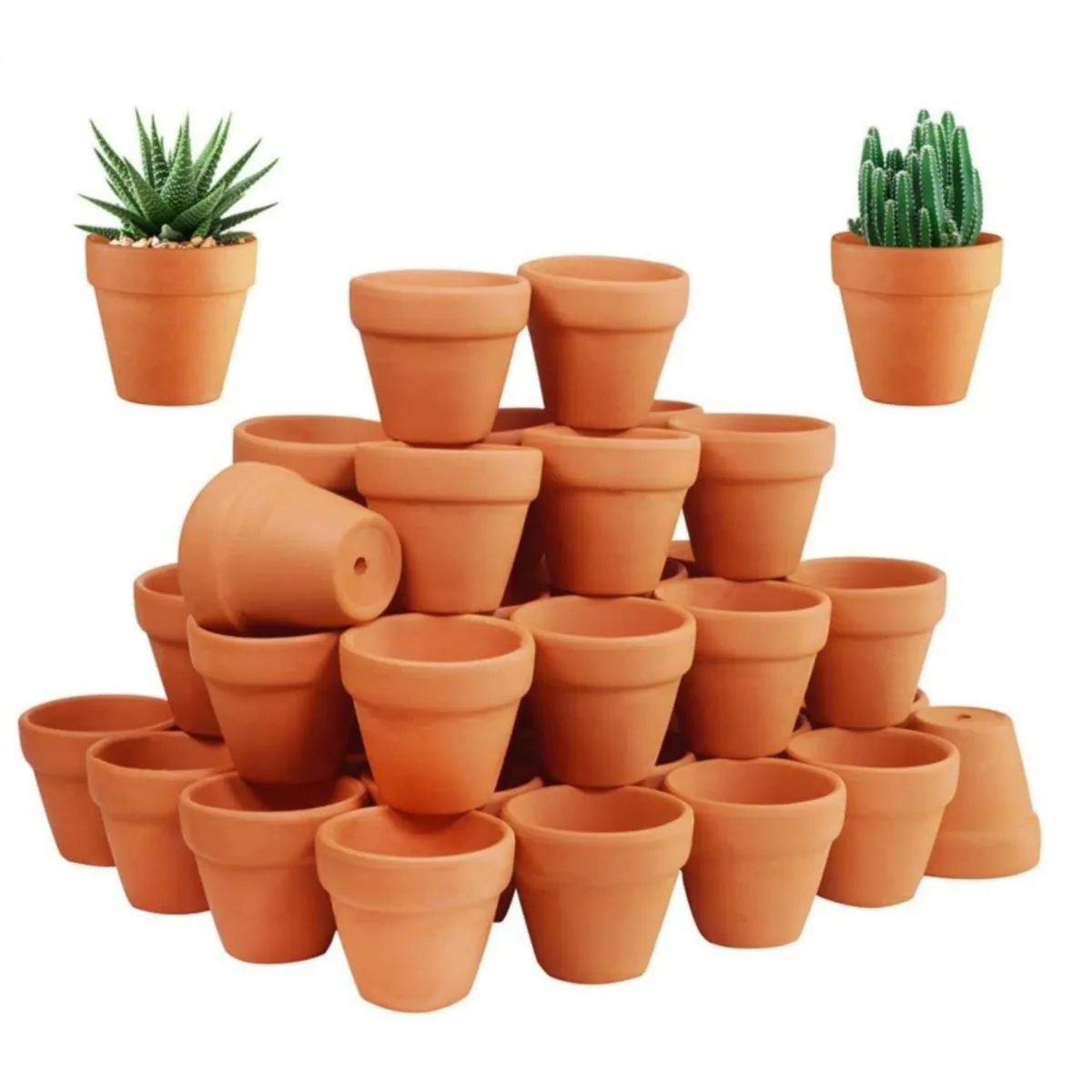
Image source: Bing (Web (fair-use with source credit))
Ensure your decorative pot includes a nursery liner. This inner plastic pot allows for proper drainage, which is the most critical factor in long-term plant health. You can easily lift the nursery liner out to water the plant in a sink, then return it to the decorative pot once it drains completely.
Always match the pot's physical weight to the size of the plant. Tall, top-heavy plants need heavy ceramic or stone pots to prevent tipping. Lighter plastic or resin pots work best for trailing plants on shelves, where weight limits on brackets are a practical concern.
Essential Maintenance for Lasting Botanical Decor
Plants are living organisms that require ongoing care to remain viable decor pieces. Routine maintenance ensures your displays look fresh rather than neglected. Dust acts as a barrier to photosynthesis, so wipe leaves clean with a damp cloth every two weeks.
Pruning is just as important for aesthetics as it is for plant health. Snip away yellow or brown leaves as soon as they appear to keep the silhouette clean. If a vine becomes too long, prune it back to encourage fuller growth at the base of the plant.
Manage your watering schedule based on moisture rather than a calendar. Use a simple wooden skewer to check the soil moisture level before adding water. If the tip of the skewer comes out damp, wait a few more days before you add any moisture.
Overwatering is the most common cause of interior plant failure.
Common Design and Care Mistakes to Avoid
The most frequent error in plant styling is choosing a species based on how it looks in the store rather than how it will fit your specific home climate. A plant that thrives in a humid, bright greenhouse will likely struggle in a dry, dim living room. Always research the botanical needs of a plant before you commit to placing it in a low-light zone.
Another common mistake is neglecting the long-term growth of your greenery. We often cram too many pots into a small area, which creates a cluttered look rather than a curated one. If your plants start to touch, they aren't just crowded.
They are competing for light and airflow, which increases the risk of mold and pest outbreaks.
Overwatering remains the leading cause of indoor plant decline. You should never leave a plant sitting in standing water at the bottom of its decorative pot. This practice causes root rot, which is often irreversible once the damage reaches the stem.
Always lift the inner nursery liner out of the outer container to ensure excess water drains away completely.
Finally, avoid the temptation to move your plants too frequently. Plants need time to acclimate to their location and light levels. Rapid changes in temperature, such as placing a plant near a heater vent or a drafty doorway, can cause severe stress and leaf loss.
Keep your plants in a stable environment for at least a few weeks before deciding if they need a new spot.
Frequently Asked Questions About Plant Styling
Which indoor plants are safe for cats and dogs?
Many common indoor plants are toxic if ingested by pets. Always check the ASPCA toxic and non-toxic plant database before bringing a new plant home. Safe options often include the Spider Plant, Parlor Palm, and Boston Fern.
These plants allow you to enjoy greenery without compromising the safety of your animals.
How do I know when my plant needs water?
Don't rely on a strict calendar for watering because evaporation rates change with the seasons. Instead, use the finger test to check the soil moisture. Insert your finger about two inches deep into the soil.
If it feels dry, you should water it. If it feels moist, wait another day or two to avoid overwatering.
Can I use artificial plants as part of my home decor?
Artificial plants serve as a great alternative in areas where real plants cannot survive, such as windowless bathrooms or high-up shelves. High-quality silk or realistic plastic plants provide the same architectural benefits as live ones. Just remember that artificial plants still require regular cleaning to prevent dust buildup from looking unnatural.
How often should I fertilize my indoor plants?
Most indoor plants only require fertilizer during their active growing season, which typically runs from spring through late summer. Follow the instructions on a balanced, water-soluble fertilizer specifically designed for houseplants. Never over-fertilize, as excess salt buildup can damage the roots.
If you see white crust forming on the top of your soil, you may have used too much.
What is the best way to handle a pest infestation?
If you notice small insects or webs on your plants, isolate the affected specimen immediately to prevent the spread. Wipe the leaves down with a mixture of mild soap and water to remove visible pests. For persistent issues, use a gentle horticultural soap or neem oil spray.
Regular leaf cleaning and good airflow are your best defenses against future infestations.