How to Choose the Right Size Rug
Choosing the right size rug for your living space is the most effective way to tie a room together. An improperly sized rug often makes a space feel fragmented, whereas the correct scale grounds your furniture and creates a natural flow.
As of 2026, interior design standards prioritize balance between your furniture footprint and total floor coverage. Follow these steps to ensure your rug anchors the room while maintaining necessary traffic clearance.
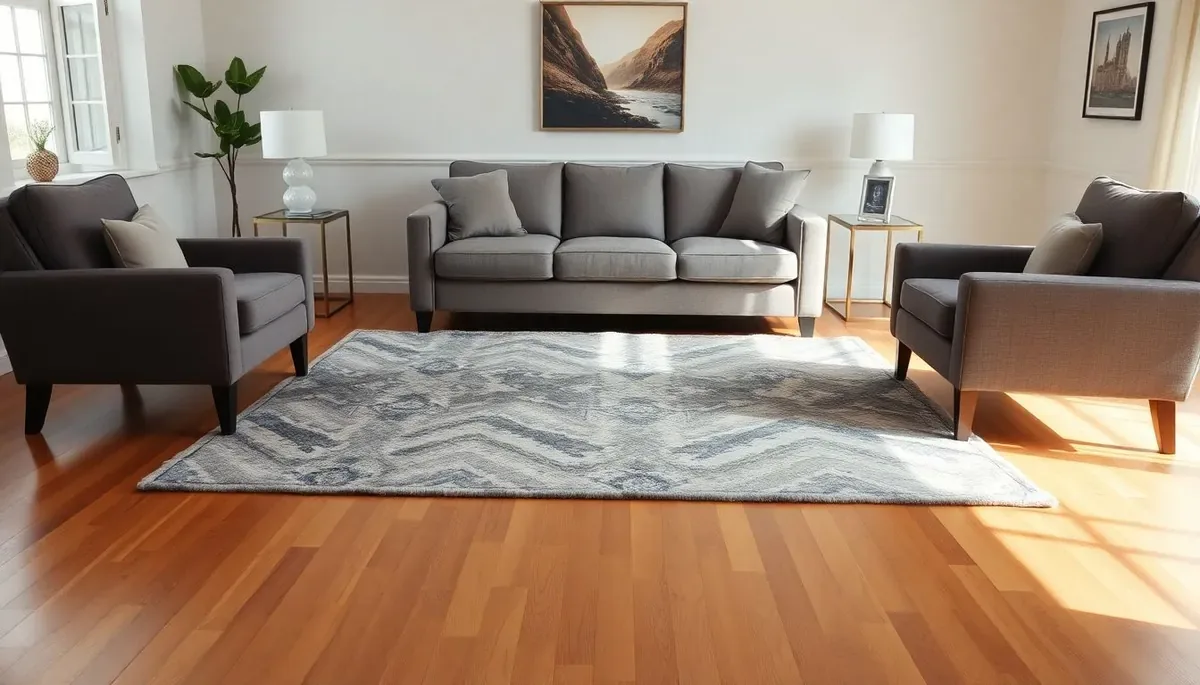
Image source: Web (Bing) / patriotmaids.com (Web image (fair-use with source credit))
Quick Answer
Choose a rug that anchors all primary furniture pieces in your zone. Aim to leave at least 10 to 18 inches of floor exposed. Larger rugs generally make a room look more expansive.
Small rugs often create disjointed and awkward seating areas. Measure your furniture footprint before purchasing any rug.
The Floating Island Problem: Why Rug Scale Matters
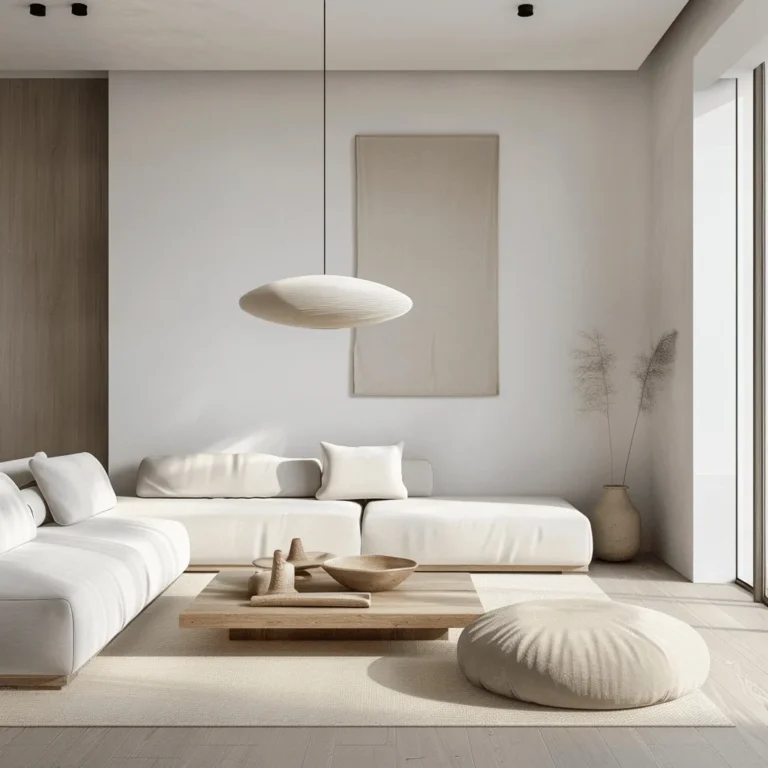
The most common mistake in home styling is the postage stamp rug. This happens when a rug is too small to touch any furniture legs, leaving it stranded in the center of the room. This floating island effect makes your sofa and chairs look disconnected from the rest of your decor.
When a rug is too small, it creates a visual disconnect that makes a room feel cramped. Your eyes struggle to define where the seating area begins and ends. Proper rug scale requires the piece to act as a foundation for your furniture.
By ensuring your rug covers enough ground, you create a cohesive landing strip. This defines the space for conversation or relaxation. It pulls the room together into a single, intentional zone rather than a collection of mismatched parts.
Mapping Your Room: The Painter’s Tape Method
Before buying, you need to visualize the dimensions in your own room. Grab a roll of painter’s tape and map out the rug size on your actual floor. This simple trick prevents the headache of returning heavy, bulky items.
Place the tape to outline where the rug will sit relative to your sofa and chairs. You will quickly see if the rug feels too large or ends up looking lost under your coffee table. Walking around the taped area helps you feel the true spatial impact.
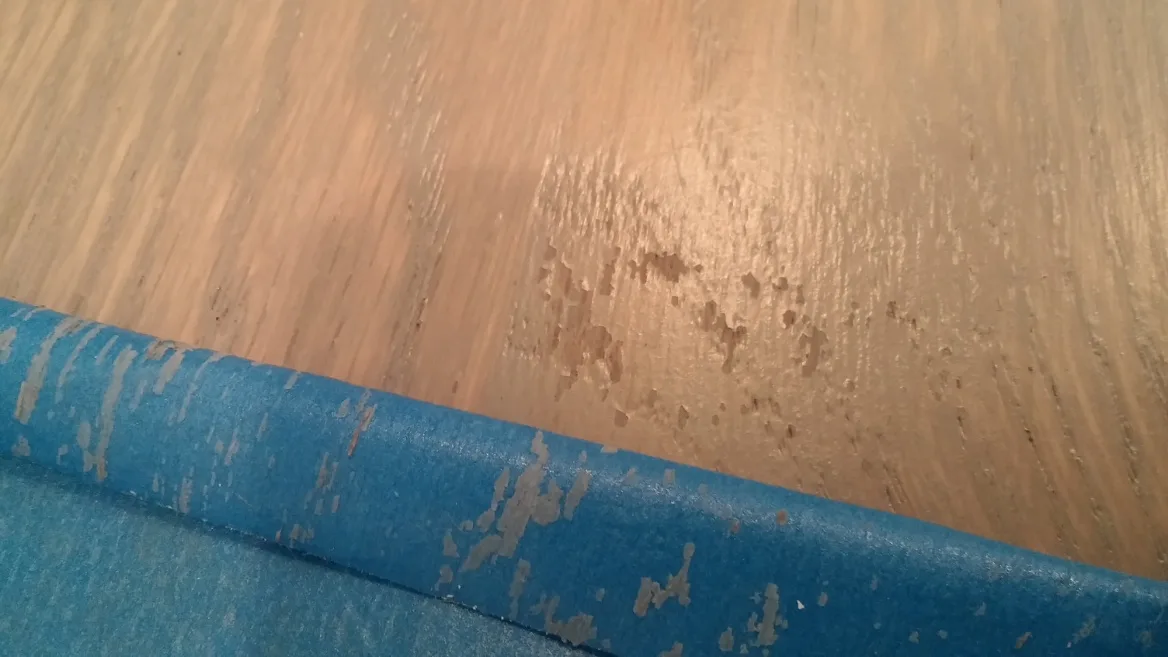
Image source: Web (Bing) / patrickdaigleflooring.com (Web image (fair-use with source credit))
Check for clearance near doorways as you map your layout. If the tape edge intersects with a door swing, you will need to adjust the size down. Painter’s tape is easy to move, making it the perfect tool for iterative planning.
Positioning Strategies for Different Room Types
Different rooms have unique requirements for rug placement. A living room rug needs to manage the interaction between a sofa and chairs, while a dining room rug has a strict functional mandate for chair movement.
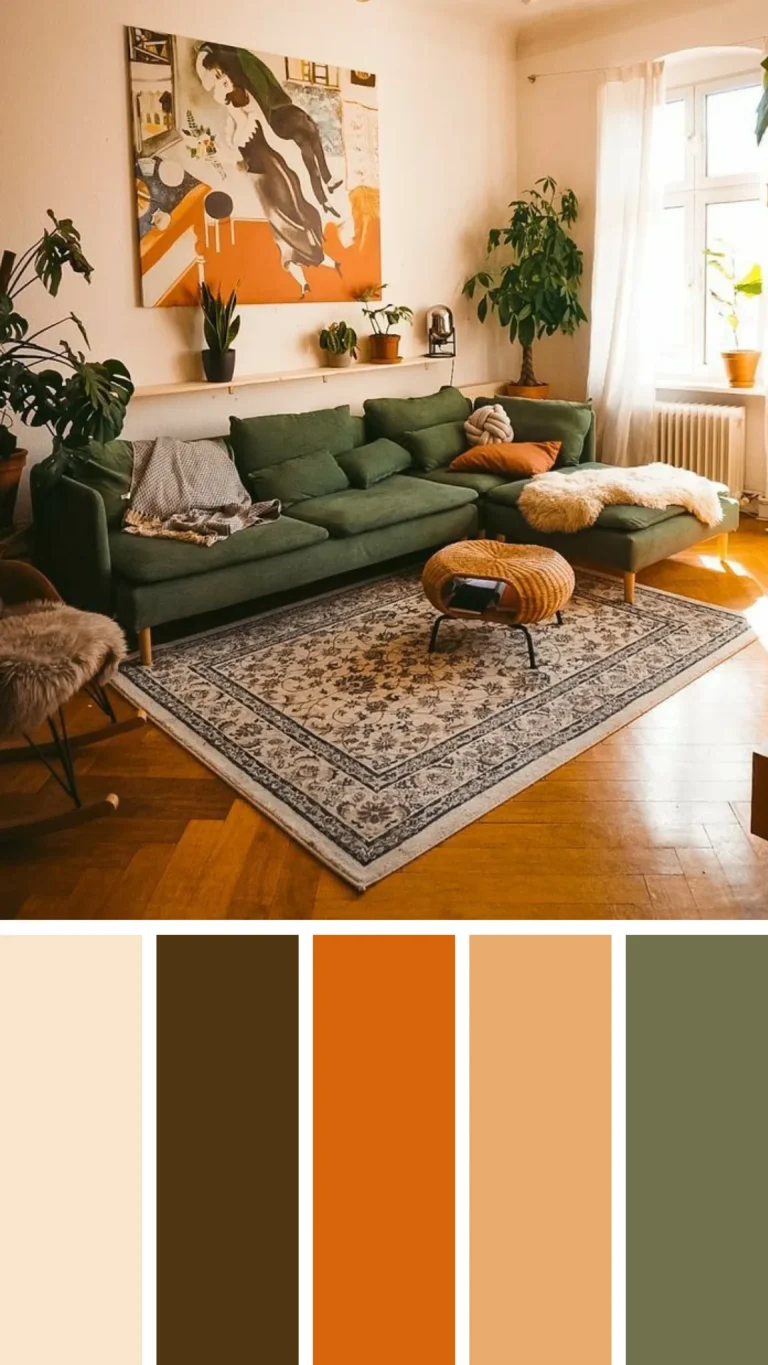
In a living room, you want at least the front legs of your sofa and chairs on the rug. This configuration, often called front-legs-on, is a standard in residential design. It creates a unified boundary without the need for an oversized piece.
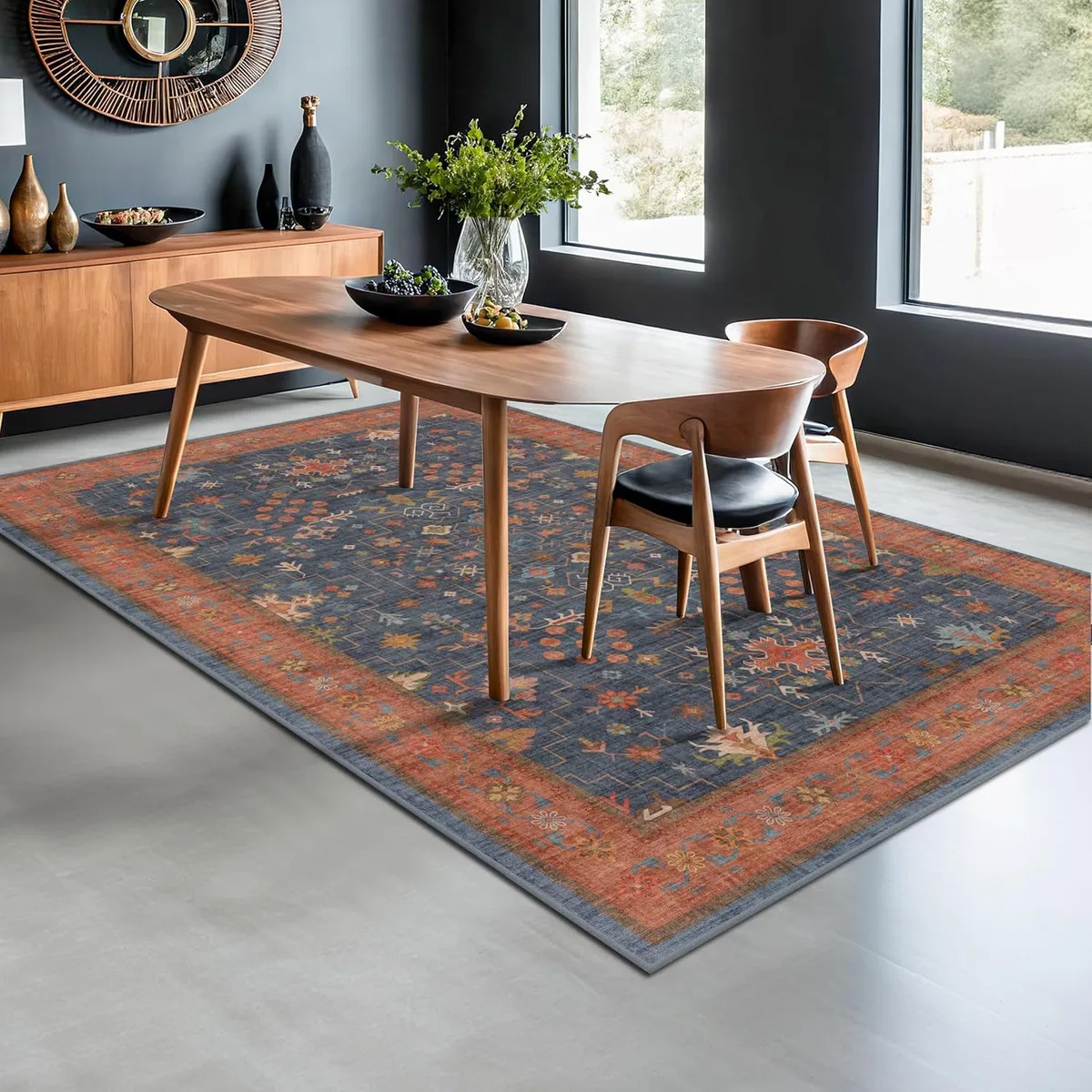
Image source: Web (Bing) / amazon.com (Web image (fair-use with source credit))
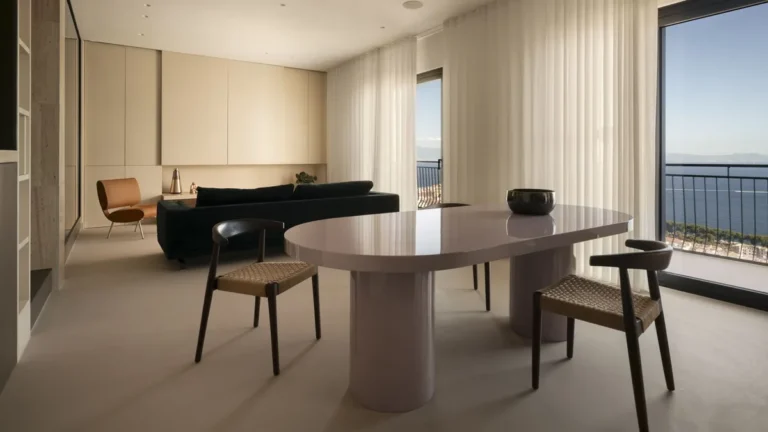
Dining room rugs must be significantly larger than the table itself. Chairs need to slide in and out without catching on the rug edges. Research from university extension programs on interior space planning confirms that 24 inches of extra rug width on all sides is the ideal safety margin for dining comfort.
| Room Type | Recommended Placement | Key Metric |
|---|---|---|
| Living Room | Front legs on rug | 10–18 inches border |
| Dining Room | All legs on rug | 24 inches past table edge |
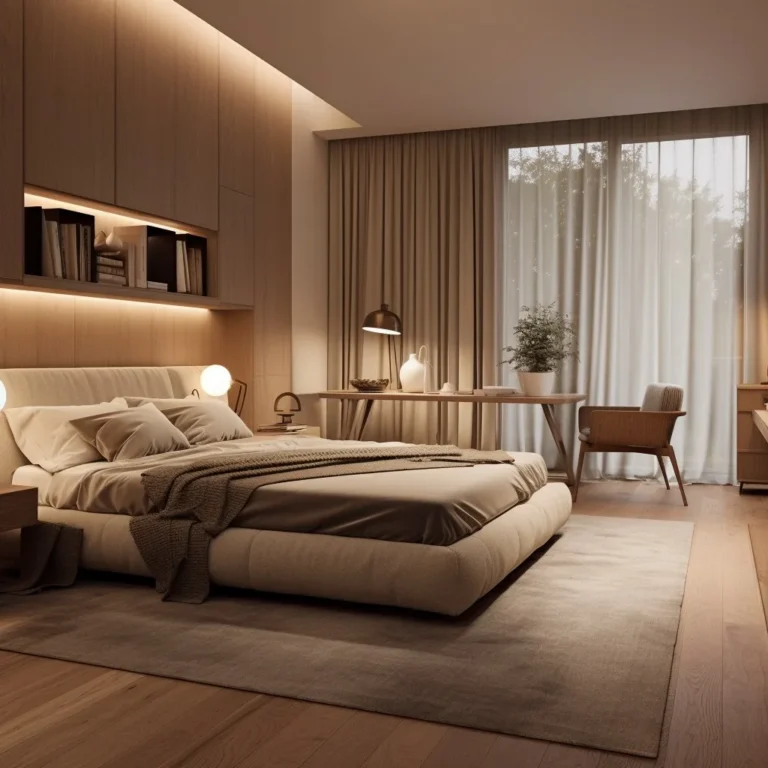
| Bedroom | Under bed base | 18–24 inches visible border |
Calculating Clearance and Traffic Flow
Rug placement is not just about aesthetics, as it also affects how you walk through a room. You want to avoid placing a rug edge exactly where you naturally step. This creates a tripping hazard and causes the rug to buckle over time.
Aim for a border of floor space between the rug and the wall. In larger rooms, 12 to 18 inches of exposed floor creates a pleasing frame. In smaller rooms, you can scale this down to 8 or 10 inches to maximize comfort.
Traffic flow is particularly important in entryways and hallways. If your rug sits in a high-traffic area, ensure it is low-profile and securely fastened. Per safety guidelines from organizations like the National Safety Council, preventing slips on loose rugs is essential for maintaining a safe home environment.
Common Sizing Pitfalls That Ruin a Room's Flow
The most frequent error is neglecting the all-legs-off look. A rug that sits entirely between your furniture pieces without touching any legs will always look accidental. It makes your living room furniture appear as if it is sliding away from the center.
Another common pitfall is ignoring the door clearance. A rug that is too thick will prevent interior doors from opening fully. Always check your door gap before opting for a high-pile or plush rug.
Finally, do not rely on the rug's label for standard room sizes. Every room has unique dimensions and furniture configurations. Use your tape measurement results instead of standard sizing charts.
A slightly larger rug is almost always a safer bet than one that is slightly too small.
Essential Rug Pad and Safety Considerations
A quality rug pad is just as important as the rug itself. It serves two primary purposes: anchoring the rug to the floor to prevent slips, and adding an extra layer of cushion for comfort. Without a pad, even a well-sized rug can migrate across a hardwood or tile floor.
Choose a pad based on your specific floor type and rug weight. Rubberized pads are best for hardwood floors because they provide grip without damaging the finish. Felt pads provide more cushion and are better for heavy furniture that might otherwise cause indentations.
Always ensure the rug pad is about one inch smaller than the rug on all sides. This keeps the edges of the pad hidden while ensuring the rug lays perfectly flat. A pad that extends beyond the rug creates a visible border and a potential tripping hazard.
Expert Tips for Challenging or Small Spaces
Small rooms often feel even smaller when you use a tiny rug. Instead of downsizing your rug to match a small footprint, try choosing a piece that covers nearly the entire floor. This creates the optical illusion of a larger room by making the boundaries disappear.
If you have an awkward room shape, look at custom-cut rugs or broadloom carpet remnants. These can be bound by a professional to fit perfectly into L-shaped corners or around architectural columns. This avoids the compromise of having an awkwardly shaped gap.
Another strategy involves layering. You can place a smaller, decorative rug over a larger, neutral jute or sisal rug. This adds texture and visual interest without needing to buy a custom-sized piece that might exceed your budget.
Frequently Asked Questions About Rug Sizing
Can I mix round and rectangular rugs in the same open space?
Yes, you can absolutely mix shapes. Round rugs are excellent for breaking up rooms with sharp angles or for creating a distinct circular zone in a square room. They naturally draw the eye and soften the flow between living and dining areas.
Does the rug pile height affect my size selection?
Pile height matters more for clearance than for visual sizing. A plush, high-pile rug will naturally feel thicker, which can create friction against doors or furniture legs. Always factor in the height of the rug fibers when measuring your clearance space.
Should my area rug match the size of my sofa exactly?
Your rug should generally be wider than your sofa. Aim for the rug to extend at least 6 to 10 inches on either side of the sofa frame. This frames the seating area properly and makes the sofa look anchored rather than floating.
What do I do if my furniture doesn't fit on the rug?
If you cannot fit all furniture legs on the rug, prioritize the front legs. This is a standard design compromise that still looks intentional and polished. Avoid leaving the rug completely behind the furniture, as this usually makes the room feel uncoordinated.