How to Decorate a Bathroom on a Budget
Learning how to decorate a bathroom on a budget requires shifting your focus from big-ticket renovations to strategic, high-impact aesthetic updates. You don't need to replace your tile or vanity to achieve a fresh, high-end look.
Focusing on hardware finishes, paint color, and intentional styling creates a professional result for a fraction of the cost. As of 2026, many DIY enthusiasts are prioritizing moisture-resistant materials to ensure these budget updates last.
Quick Answer
You can decorate a bathroom on a budget using paint and hardware. Start by choosing a moisture-resistant finish for your walls. Update dated cabinet handles with modern metallic finishes.
Swap harsh lighting for bulbs with a 3000K temperature. Add coordinated accessories to reduce visible counter clutter. Focus your spending on high-touch items like faucets and pulls.
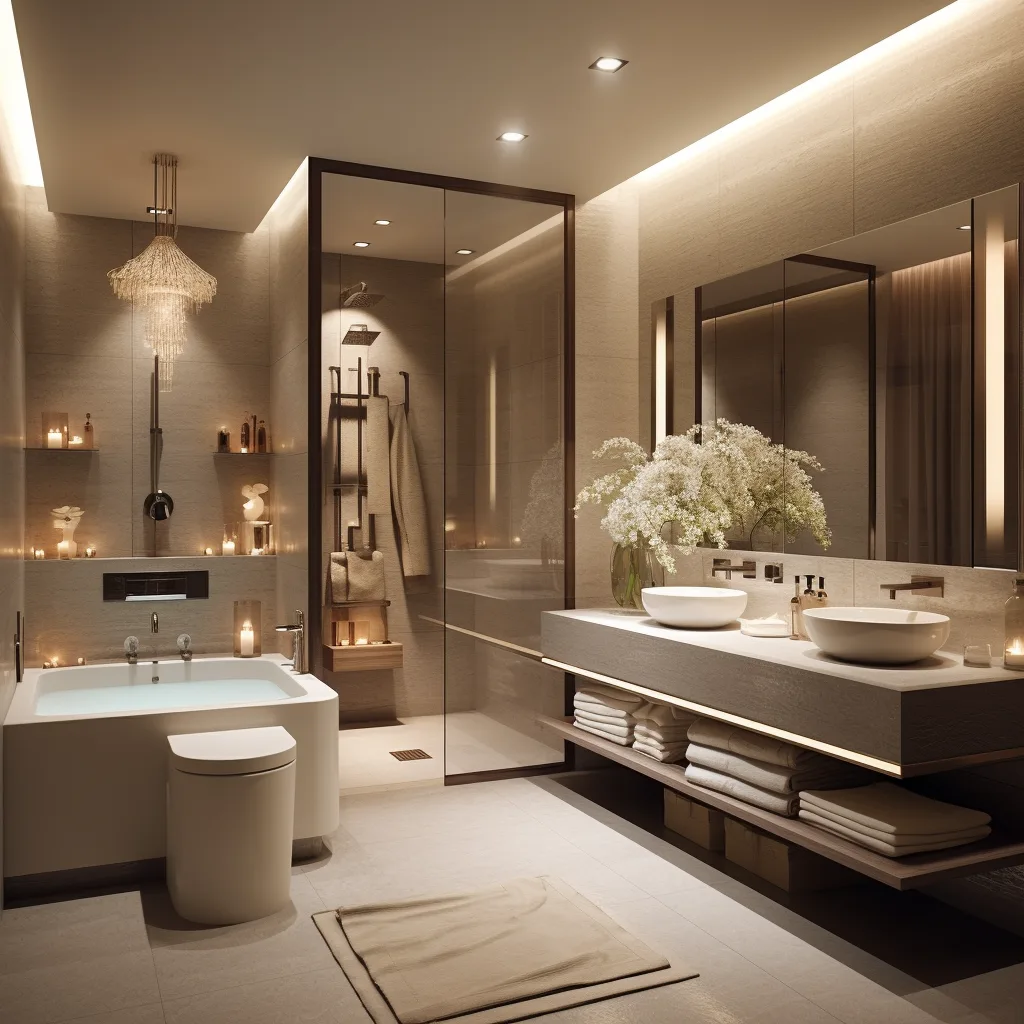
Image source: Web (Bing) / mx.pinterest.com (Web image (fair-use with source credit))
The Visual Psychology of a Bathroom Refresh
The feeling of a dated bathroom often stems from a lack of visual cohesion. If your mirror frame, faucet, and towel rack all feature different metallic finishes, the space will feel cluttered and unintentional. A professional design relies on a consistent palette of materials.
When you limit your color and finish choices, you create a sense of order in a small space. Research from the National Kitchen and Bath Association suggests that maintaining a clear hierarchy of textures prevents a room from feeling overwhelmed. Aim for one primary metallic tone, such as brushed brass or matte black, and repeat it across your hardware and lighting.
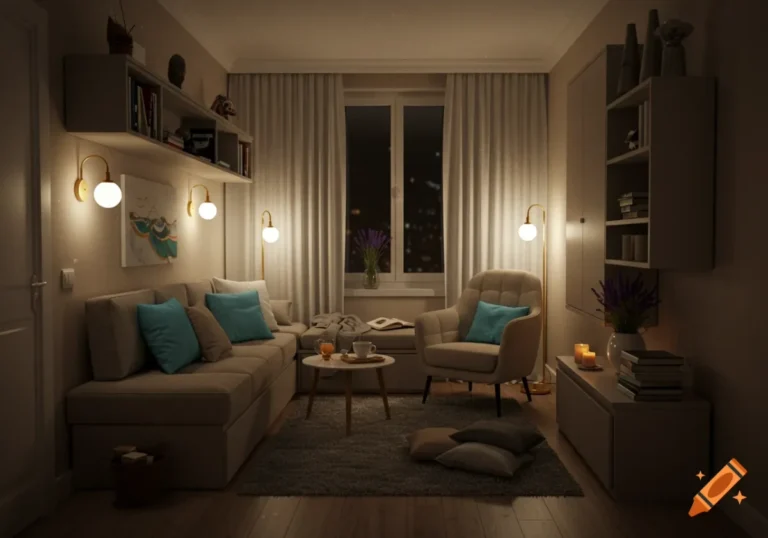
Lighting also changes how we perceive space. Harsh fluorescent lighting often highlights wall imperfections and creates unflattering shadows. By switching to warmer, 3000K LED bulbs, you transform the ambiance.
This small change makes the room feel more welcoming and upscale without requiring any structural work.
Identifying Your High-Impact Visual Zones
Every bathroom has specific areas that attract the most attention. These are your high-impact zones, and they deserve the bulk of your limited budget. If you walk into a bathroom, your eyes naturally land on the vanity, the mirror, and the light fixture above it.
- The Vanity Area: This is the heart of the room. A clean, updated vanity dictates the style of the entire space.
- The Wall Above the Vanity: This wall space often feels like a missed opportunity. Adding a simple mirror frame or a set of floating shelves draws the eye upward.
- The Door and Towel Hardware: These items are touched constantly. Worn finishes here immediately signal that a room is dated.
Focusing your energy here ensures you see the most significant return on your effort. Avoid spending time on obscure corners that no one looks at. Prioritize these central elements to change the entire feel of your home.
Elevating Through Texture, Finish, and Color Coordination
Texture provides depth in small rooms where you cannot easily add furniture. You can use textiles to introduce softness against hard surfaces like tile and porcelain. A new shower curtain with a fabric feel rather than a plastic one immediately adds a layer of luxury.
Color coordination acts as the glue for your design. If you have light-colored walls, adding deep, moody accents through bath mats or towels creates contrast. According to ASTM International standards for paint durability, choosing the right sheen is critical for these high-humidity areas.
Always opt for a satin or semi-gloss finish to prevent mildew growth on your walls.
| Material | Best Use Case | Benefit |
|---|---|---|
| Brushed Brass | White or Navy Vanities | Adds warmth and elegance |
| Matte Black | Industrial or Modern styles | Creates a sharp, high-contrast look |
| Polished Chrome | Minimalist, classic bathrooms | Provides a clean, bright, and airy feel |
The No-Renovation Guide to Upgrading Fixtures and Hardware
Updating your fixtures is the most effective way to modernize an older space. You do not need a plumber if you are just replacing a surface-mount faucet, provided your shut-off valves under the sink are functional. Take a photo of your existing connections before you head to the hardware store to ensure you purchase the correct supply lines.
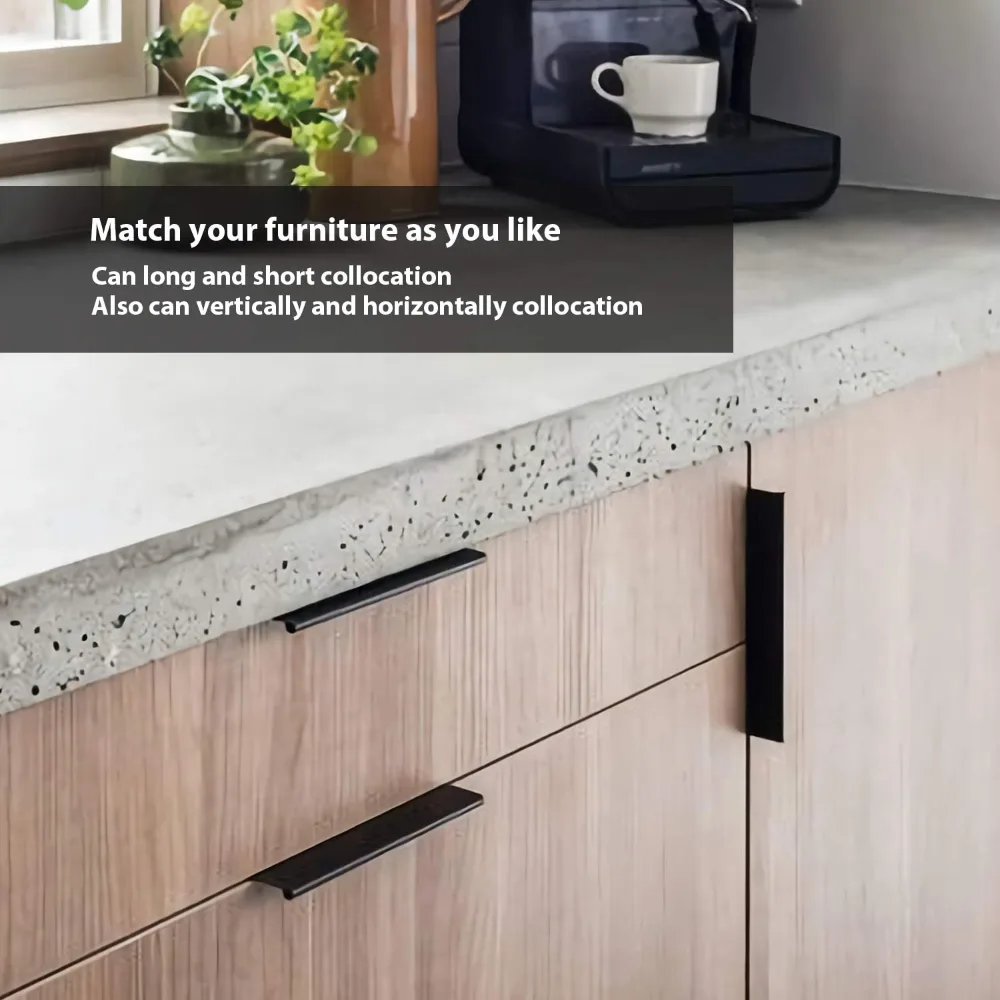
Image source: Web (Bing) / pinterest.com (Web image (fair-use with source credit))
Cabinet hardware is even easier to tackle. Most vanity pulls follow a standard 3-inch or 96mm center-to-center measurement. You can unscrew the old pulls and install new ones in minutes.
This simple swap changes the entire personality of your vanity.
- Measure first: Always measure the distance between the existing screw holes before buying new hardware.
- Check the base: Ensure your new handle base is large enough to cover any paint marks or indentations left by the previous hardware.
- Tighten carefully: Do not overtighten your screws, as this can crack wood or laminate vanity surfaces.
Designing for Cohesion: The Power of Decanting and Styling
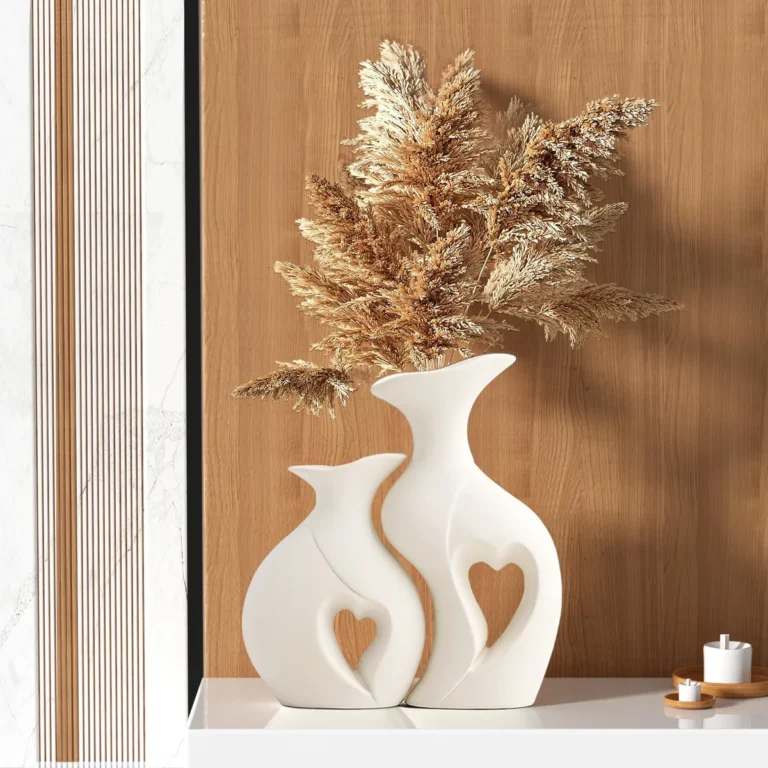
Countertop clutter is the fastest way to ruin a freshly updated bathroom. When you leave original product packaging out, it introduces dozens of clashing colors and fonts into your design. Decanting your soap, shampoo, and lotion into matching glass or ceramic bottles solves this problem instantly.
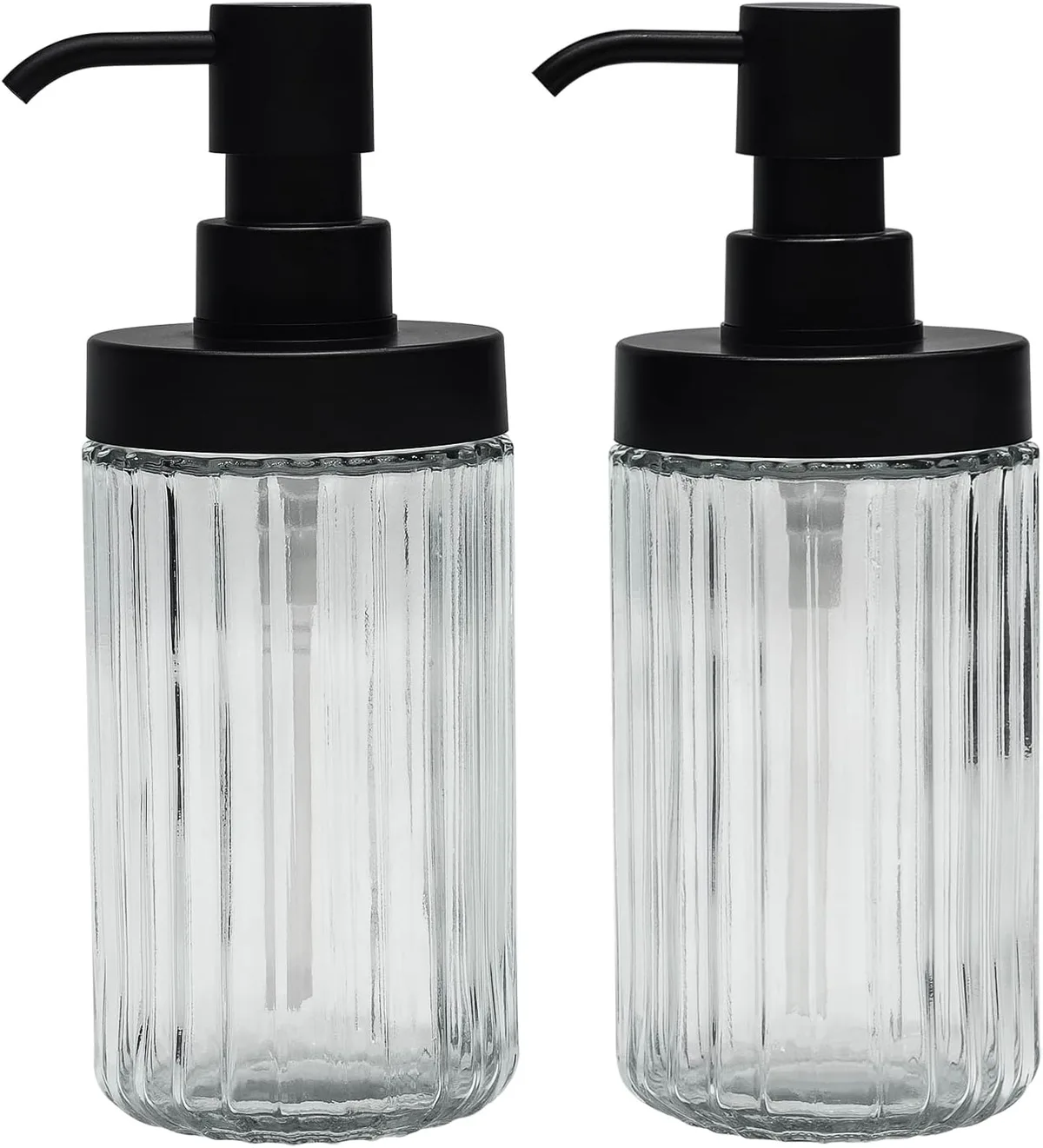
Image source: Web (Bing) / amazon.com (Web image (fair-use with source credit))
This method forces you to adopt a consistent aesthetic. By using a small wooden tray to group these bottles, you create a dedicated landing zone. This keeps your counter space organized and makes the area easier to clean during your weekly routine.
- Limit your palette: Stick to two or three colors for all accessories.
- Use vertical space: If your counter is small, install a glass shelf above the vanity for your daily essentials.
- Add natural elements: A small, low-light-tolerant plant adds life and movement to a space that otherwise feels sterile.
Mistakes That Ruin the High-End Illusion
The most common mistake is neglecting the details that bridge the gap between a cheap fix and an intentional design. If you install brand-new hardware but leave the old, stained, or peeling caulk around the tub, the room will still look aged. Fresh caulk is an inexpensive material that makes a drastic visual difference.
Another frequent error involves poor color placement. People often choose paint colors that do not complement their existing tile. If your tile has warm, yellow-toned undertones, stay away from cool, blue-based grays.
These clash and make the space feel muddy.
Finally, don't rely on generic, mass-produced wall art that does not fit the space. Large, empty walls in a bathroom are often better left bare or decorated with a single, high-quality mirror. Cluttering the walls with cheap decorations creates a disorganized, cramped sensation.
Quality over quantity is the rule for any small room.
Expert Tips for Small-Space Visual Optimization
Maximize the perception of space by utilizing vertical surfaces effectively. Floating shelves are excellent for this because they free up the vanity counter while providing storage for towels or decorative items. Keeping the floor clear of bulky items also makes the square footage feel more expansive.
Lighting placement is another lever you can pull to trick the eye. If you have a small, dark bathroom, aim your vanity lights upward to bounce light off the ceiling. This indirect light softens the harshness of a small room.
Always verify your electrical fixtures are rated for damp environments per UL safety standards to prevent short circuits.
Don't ignore the power of reflective surfaces. A larger mirror with a clean, modern frame can essentially double the visual size of the room. It catches light from the doorway and sends it into the darker corners.
If you're painting, using a higher sheen finish like semi-gloss on the trim will reflect even more light.
Frequently Asked Questions
Can I paint my bathroom vanity instead of replacing it?
Yes, you can paint a vanity to save hundreds of dollars. Use a high-quality primer and an enamel paint meant for cabinets. Lightly sand the original finish to ensure the new paint adheres correctly.
This process usually takes a weekend, but the curing time for the finish is crucial to prevent early wear.
How do I know if my faucet is compatible with my sink?
Measure your faucet hole spacing before you buy a replacement. Most bathroom sinks use either a 4-inch center-set or an 8-inch widespread configuration. Check the underside of your sink to confirm the number of holes.
Using the wrong configuration will prevent a watertight seal and cause leaks.
How often should I replace my bathroom caulk?
Replace bathroom caulk every three to five years or as soon as you see cracks or mold spots. Moisture eventually breaks down the seal, leading to water damage behind your vanity or tub. Always strip away all old caulk with a plastic scraper before applying a fresh, mildew-resistant silicone line.
Are peel-and-stick tiles reliable for bathroom floors?
Peel-and-stick floor tiles are acceptable for light-duty powder rooms, but they are not ideal for high-traffic bathrooms with showers. Moisture can seep between the seams and degrade the adhesive over time. If you use them, seal the edges with a waterproof clear caulk to prevent water ingress.
What is the most cost-effective way to add luxury?
Swapping out standard hardware for high-quality metal pulls and a new faucet provides the highest aesthetic return. These items are the touch points of the room. When you touch a heavy, solid piece of hardware, it creates a tactile experience that feels much more expensive than the actual price.