What Is Traditional Home Decor
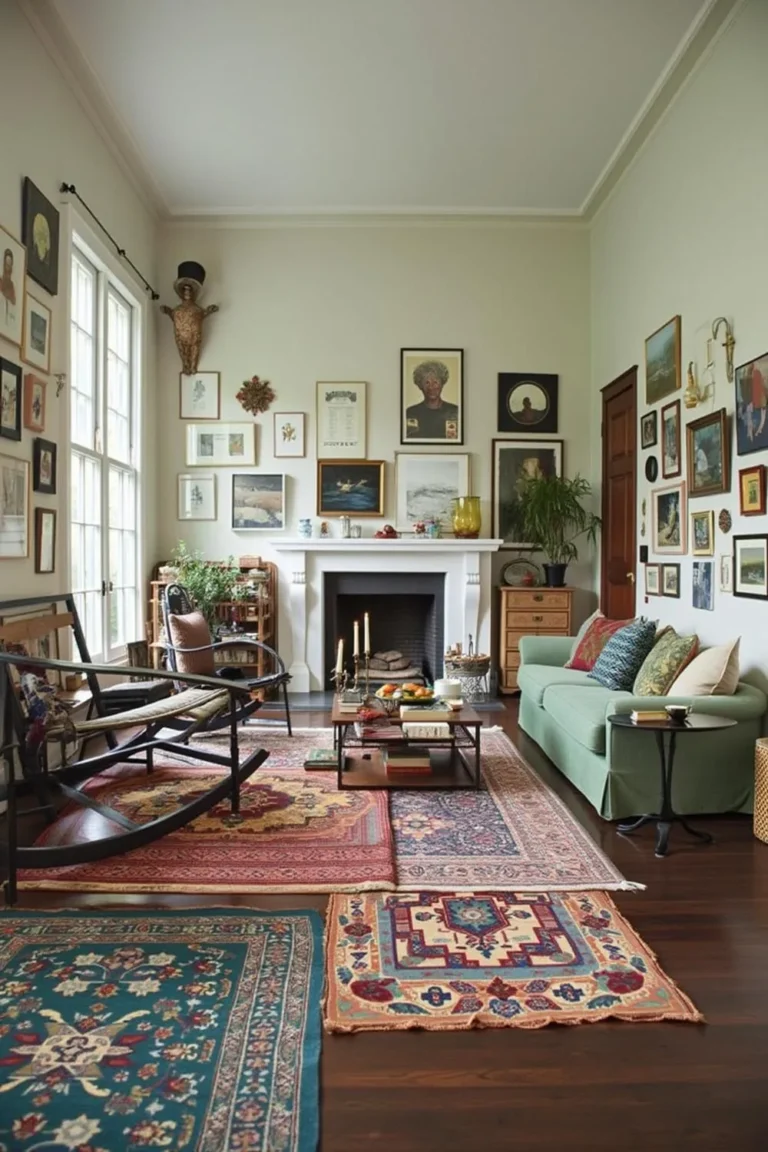
Understanding what is traditional home decor begins with recognizing a style that prizes history and stability. It builds on the classic design principles that have defined comfortable living spaces for generations.
The style relies on symmetry to create a sense of order. As of 2026, many homeowners continue to favor this aesthetic for its timeless appeal and reliance on established architectural standards.
Quick Answer
Traditional home decor is a style based on symmetry and order. It features classic furniture, rich woods, and ornate architectural details. This design approach creates a balanced, formal, yet comfortable living space.
It relies on consistency to remain timeless across changing trends.
The Foundation of Traditional Home Decor: Symmetry and Order
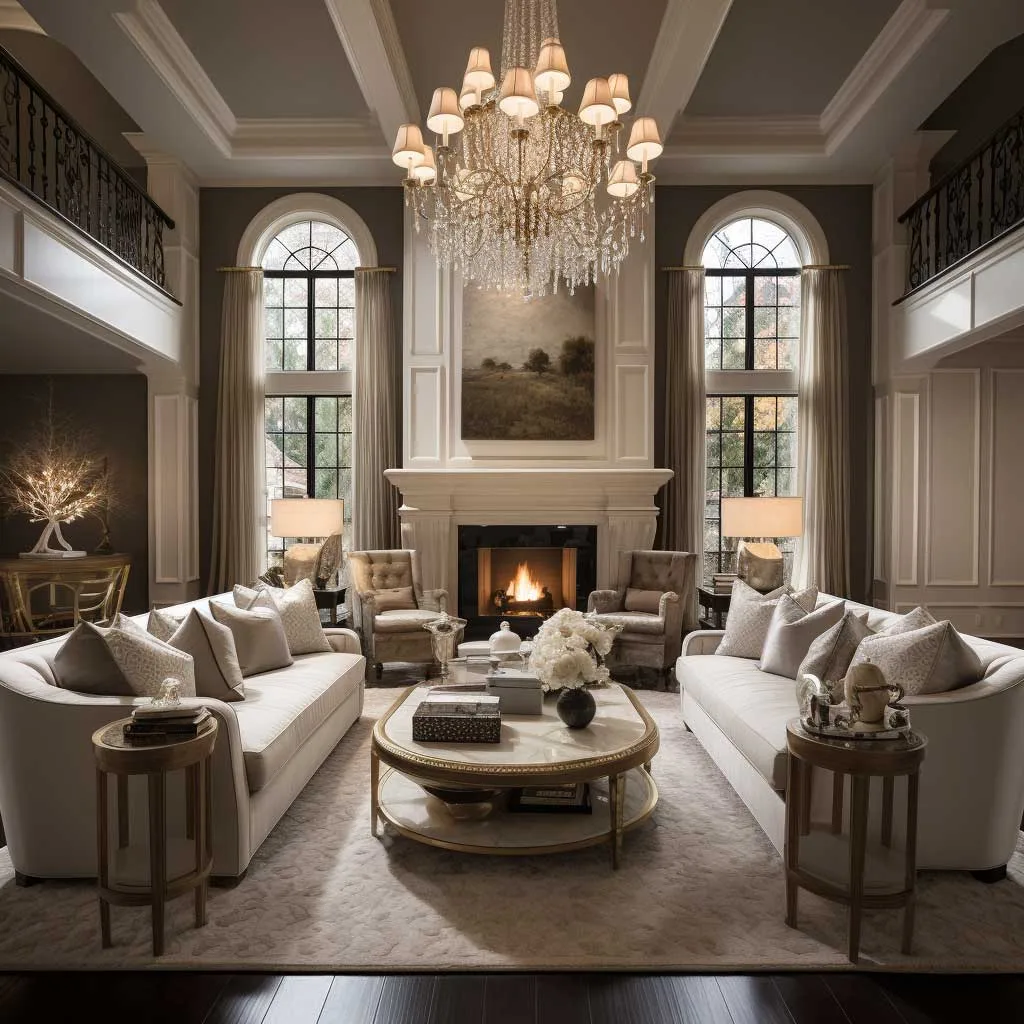
Image source: Web (Bing) / storage.googleapis.com (Web image (fair-use with source credit))
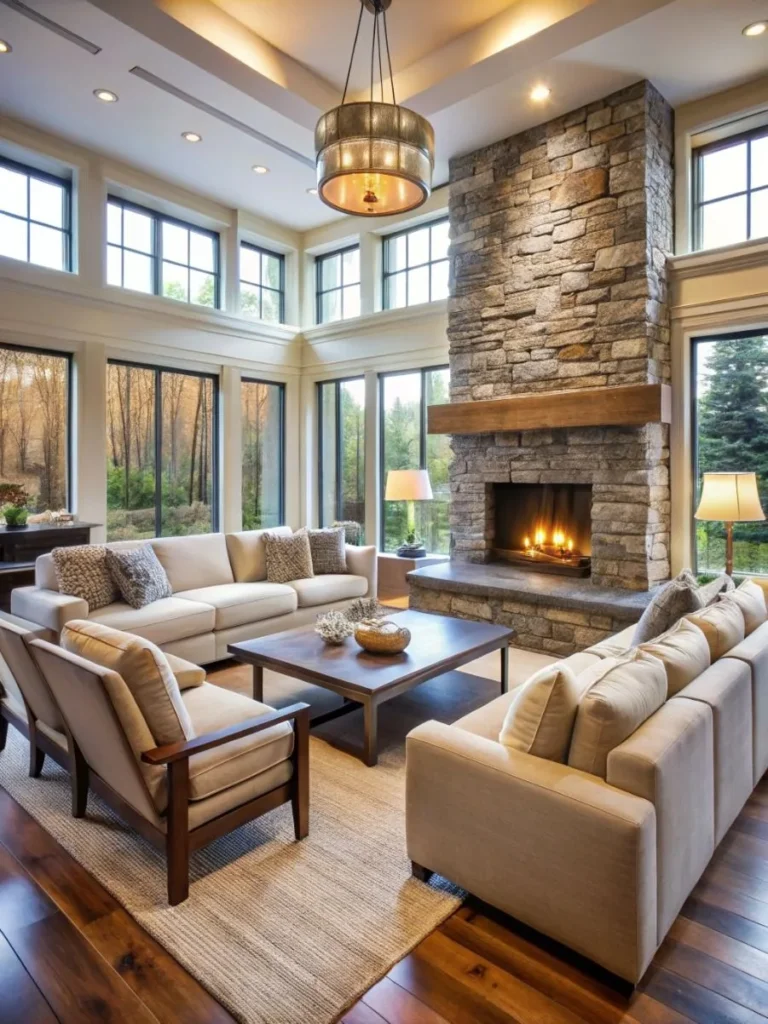
Traditional home decor relies on the principle of symmetry to establish a sense of visual peace. If you look at a classic living room, you will likely notice paired pieces of furniture that mirror each other. This layout is not accidental.
It is a fundamental strategy designed to make a space feel stable and predictable.
When you walk into a traditional room, the eye naturally finds a clear focal point. This might be a fireplace, a large window, or a piece of art centered on the main wall. By anchoring the room around this point, you create a clear flow for the rest of the furniture.
This approach mimics historical design standards that focus on proportion and balance.
To achieve this in your own space, try placing matching chairs on either side of a console table. Use identical lamps on your nightstands or end tables. This repetition signals to the brain that the room is intentional and well-ordered.
Consistency is the primary goal here.
The Essential Ingredients: Furniture, Fabric, and Architecture
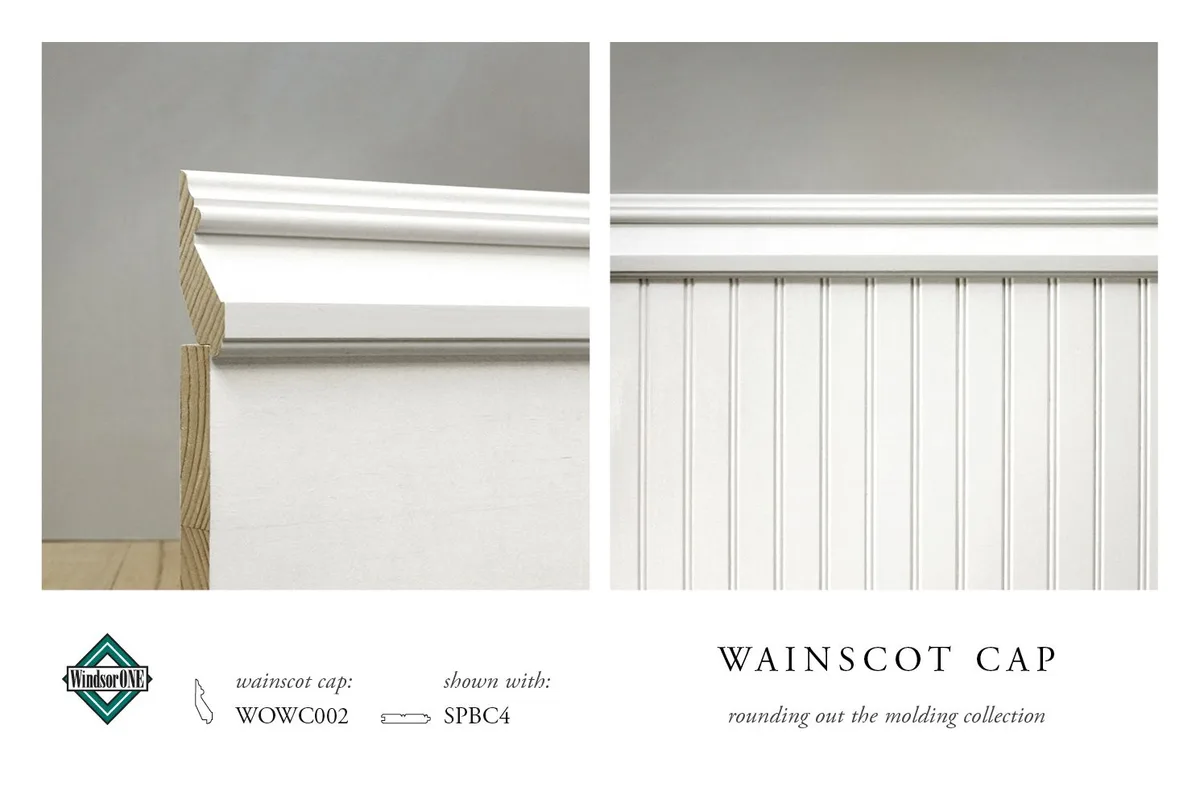
Image source: Bing (Web (fair-use with source credit))
The success of traditional design depends on selecting the right materials and shapes. Furniture often features curved lines, such as the elegant silhouette of a cabriole leg or the classic curve of a rolled-arm sofa. These shapes add softness to the room and break up the harsh angles of modern, minimalist architecture.
Materials matter just as much as the furniture silhouettes. You will frequently see deep, rich wood tones like mahogany, cherry, or walnut. These woods act as the bedrock of the room.
When paired with high-quality textiles like velvet, silk, or heavy linen, they create a space that feels both luxurious and sturdy.
Architectural details play a massive role in this style. Features like crown molding, wainscoting, and built-in bookshelves provide the necessary historical context. According to historic preservation guidelines from the National Park Service, maintaining these period-appropriate details helps preserve the character of a home.
If your space lacks these, adding simple chair rails or paneling can bridge the gap toward a traditional aesthetic.
| Element | Typical Characteristics | Why It Works |
|---|---|---|
| Wood Tones | Mahogany, Cherry, Dark Oak | Provides depth and longevity. |
| Fabrics | Damask, Velvet, Silk, Linen | Adds necessary textural layers. |
| Furniture | Tufted backs, Turned legs | Infuses elegance into the silhouette. |
Why Traditional Style Stands the Test of Time
Traditional design survives because it avoids the traps of fast-moving interior trends. While ultra-modern looks might feel dated within a few years, traditional decor remains relevant because it prioritizes universal concepts of comfort. It does not feel like it belongs to a specific decade.
The comfort factor is a massive advantage. While modern designs can occasionally feel cold or overly stark, traditional furniture is created with human ergonomics in mind. Plush upholstery and supportive wood frames mean these pieces are designed for everyday use, not just for display.
This makes the style an excellent choice for family homes.
Versatility is another major benefit. You can easily integrate antique pieces with newer, more neutral items. Because the style is rooted in balanced proportions, it absorbs changes well.
You don't have to overhaul your entire collection when your taste shifts slightly. It provides a sturdy backdrop for your evolving life.
Designing Your Space: A Step-by-Step Approach to Symmetry
Building a traditional room requires a planned approach to ensure balance. You should start by defining your primary focal point. This is usually the largest piece of architecture or furniture in the room.
Every other item you place should relate back to this central axis.
Follow these steps to establish your layout:
- Identify the center: Place your focal point, such as a fireplace or main seating piece, in the center of the wall.
- Establish pairs: Bring in matching side tables or lamps to flank your focal point.
- Create conversational clusters: Arrange seating so that guests face each other, keeping the grouping tight enough to feel intimate.
- Balance the height: Ensure that the furniture heights are varied but proportional, preventing one side of the room from feeling heavier than the other.
- Layer the textiles: Use area rugs to define the seating area, keeping them large enough so that all furniture legs touch the rug.
Always keep movement in mind. Even in formal rooms, people need to walk through the space easily. If your symmetry forces people to navigate around chairs in a cramped way, the design fails.
Prioritize comfort and function alongside the aesthetic.
Traditional vs. Transitional: Choosing the Right Path for Your Home
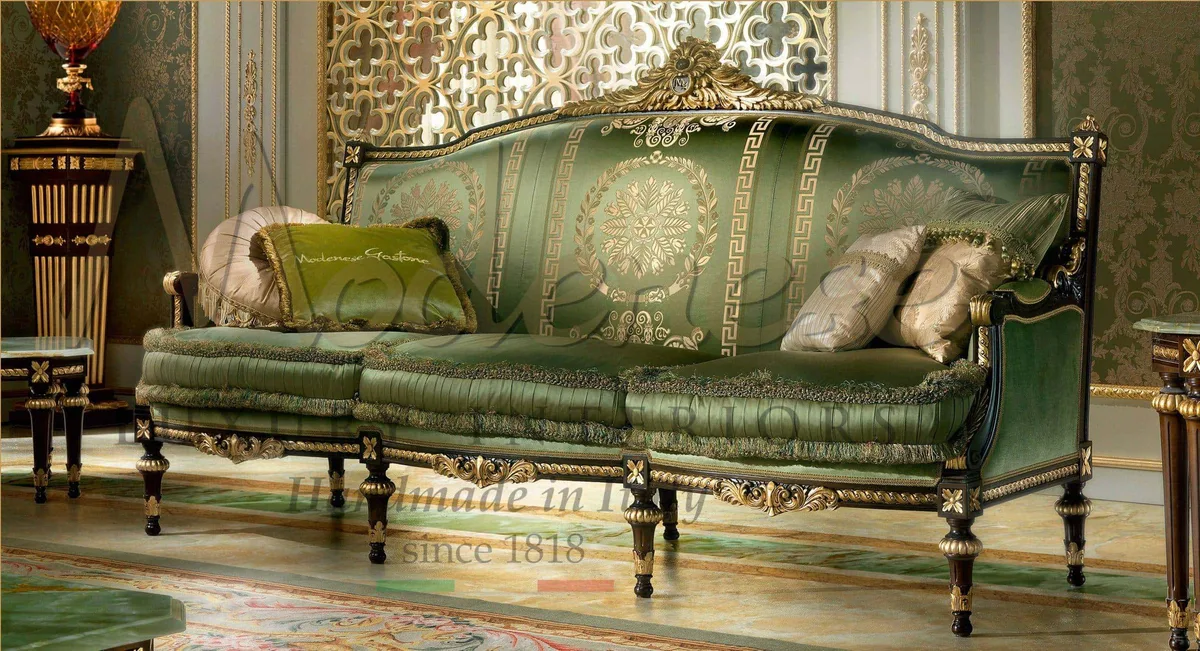
Image source: Bing (Web (fair-use with source credit))
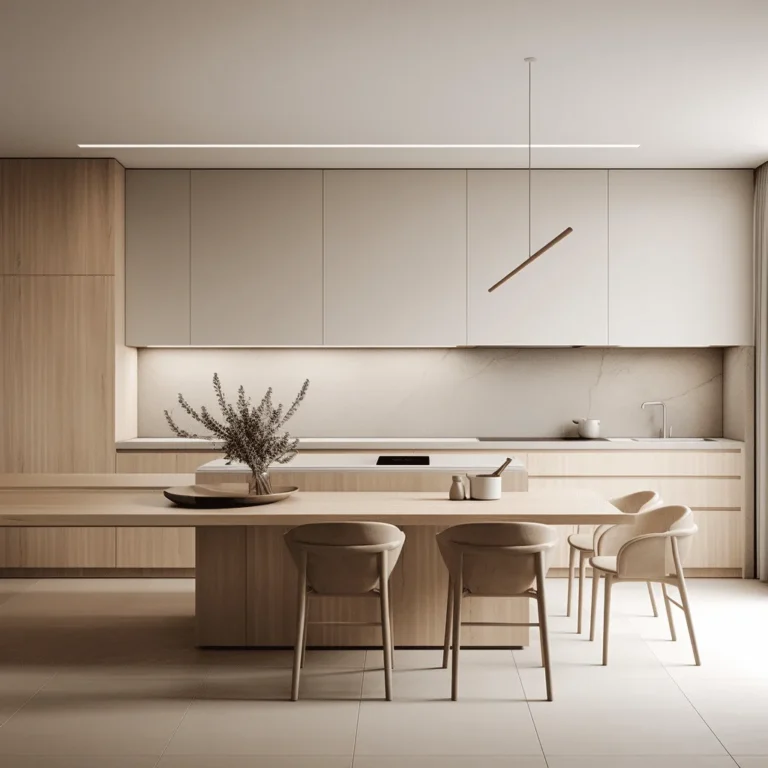
Many people struggle to differentiate between traditional and transitional design. Traditional decor is rooted firmly in historical styles, emphasizing ornamentation and classic silhouettes. Transitional design acts as the bridge between traditional and modern.
It takes the comfort of traditional furniture and pairs it with cleaner lines and fewer decorative elements.
Choosing between them often depends on your personal preference for ornamentation versus simplicity. If you love the look of dark wood, crown molding, and detailed fabrics, stick with traditional. If you want those same comfortable, balanced shapes but prefer a brighter, less cluttered look, transitional might be your better fit.
| Feature | Traditional | Transitional |
|---|---|---|
| Lines | Ornate, curved, detailed | Clean, simple, linear |
| Wood | Dark, rich stains | Lighter, neutral, or painted |
| Fabrics | Patterns, florals, damask | Solids, subtle textures |
| Decor | Abundant, curated | Minimal, focused |
Transitional design often uses a more neutral color palette to make rooms feel open and airy. Traditional design isn't afraid of deeper, richer colors that feel cozy and grounded. If you are leaning toward traditional, remember that your choices should always prioritize long-term utility over trendy color pops.
Common Missteps and How to Keep Your Home Feeling Lived-In
The most frequent mistake in traditional design is creating a space that feels like a museum. You don't want a room where guests feel afraid to sit down or place a drink on a surface. Overloading a room with too many antiques or heavy, formal fabrics can quickly make the space feel stiff and inaccessible.
Balance is your best defense against this stiff feeling. You can maintain a formal layout while choosing fabrics that are durable and textures that invite relaxation. Avoid clutter by curating your decor rather than displaying every piece of history you own.
Focus on quality over quantity to ensure your room feels thoughtful rather than crowded.
Another common error is ignoring the scale of your furniture. If you buy massive, ornate pieces for a small room, the space will feel claustrophobic. Always measure your floor space and ensure there is enough clearance to walk through the room comfortably.
Traditional decor thrives on proper proportions, so give your furniture enough breathing room to stand out.
Finally, resist the urge to match everything perfectly. While symmetry is vital for the layout, buying an entire bedroom or living room set from one store often results in a generic look. Mix in a few unique finds or family heirlooms to give the room personality.
A home should tell a story, not look like a catalog page.
Frequently Asked Questions About Classic Design
Is traditional design expensive to implement?
Not necessarily, as you can build a traditional aesthetic on various budgets. You don't need to purchase authentic 18th-century antiques to achieve the look. Many manufacturers produce furniture with classic silhouettes and quality materials that mimic the period style at a fraction of the cost.
Shopping for second-hand wood pieces and refinishing them is another cost-effective way to get the look.
How do I mix traditional decor with modern technology?
The best way to integrate modern tech is to hide it or minimize its visual impact. Use media consoles with doors to conceal televisions when they aren't in use. Choose classic-style lighting fixtures that house energy-efficient LED bulbs.
You can enjoy the convenience of modern living without sacrificing the historical elegance of your traditional home decor.
What colors are considered traditional?
Traditional color palettes often lean toward warm, neutral, or earth tones. You will frequently see deep shades of navy, forest green, burgundy, and creams or soft whites. These colors are popular because they feel grounded and timeless.
You can use these colors on walls, upholstery, or area rugs to create a sophisticated, cozy environment.
Can traditional decor work in small apartments?
Yes, the principles of symmetry and balance work perfectly in smaller spaces. You just need to scale your furniture to fit the room's dimensions. Opt for smaller-scale traditional sofas or chairs with exposed legs, which help keep the room looking open.
Using mirrors to reflect light and doubling up on furniture utility, like a storage ottoman, helps maintain the aesthetic without sacrificing function.