How to Decorate a Kitchen
You’ll find that learning how to decorate a kitchen is less about picking trendy colors and more about balancing utility with personal style. A well-designed kitchen acts as the heart of the home, where efficiency meets comfort in a space that needs to withstand daily wear.
Modern kitchen design standards, as outlined by the National Kitchen & Bath Association, prioritize ergonomics and traffic flow to ensure safe usage. By focusing on these core principles, you can create a room that is as practical as it is beautiful, regardless of your specific square footage.
Quick Answer
To decorate a kitchen effectively, start by clearing your primary prep surfaces. Establish an efficient work triangle between your sink, stove, and refrigerator. Use layered lighting to illuminate specific task areas.
Incorporate textures like wood or linen to soften hard surfaces. Keep decor functional to avoid cluttering your workspace.
The Kitchen Work Triangle: Designing for Flow and Function
The kitchen work triangle is the fundamental concept of kitchen planning. It connects the sink, the stove, and the refrigerator in a three-point layout. If you arrange these points correctly, your meal preparation becomes fluid.
If you clutter these zones with decor, you interrupt your workflow.
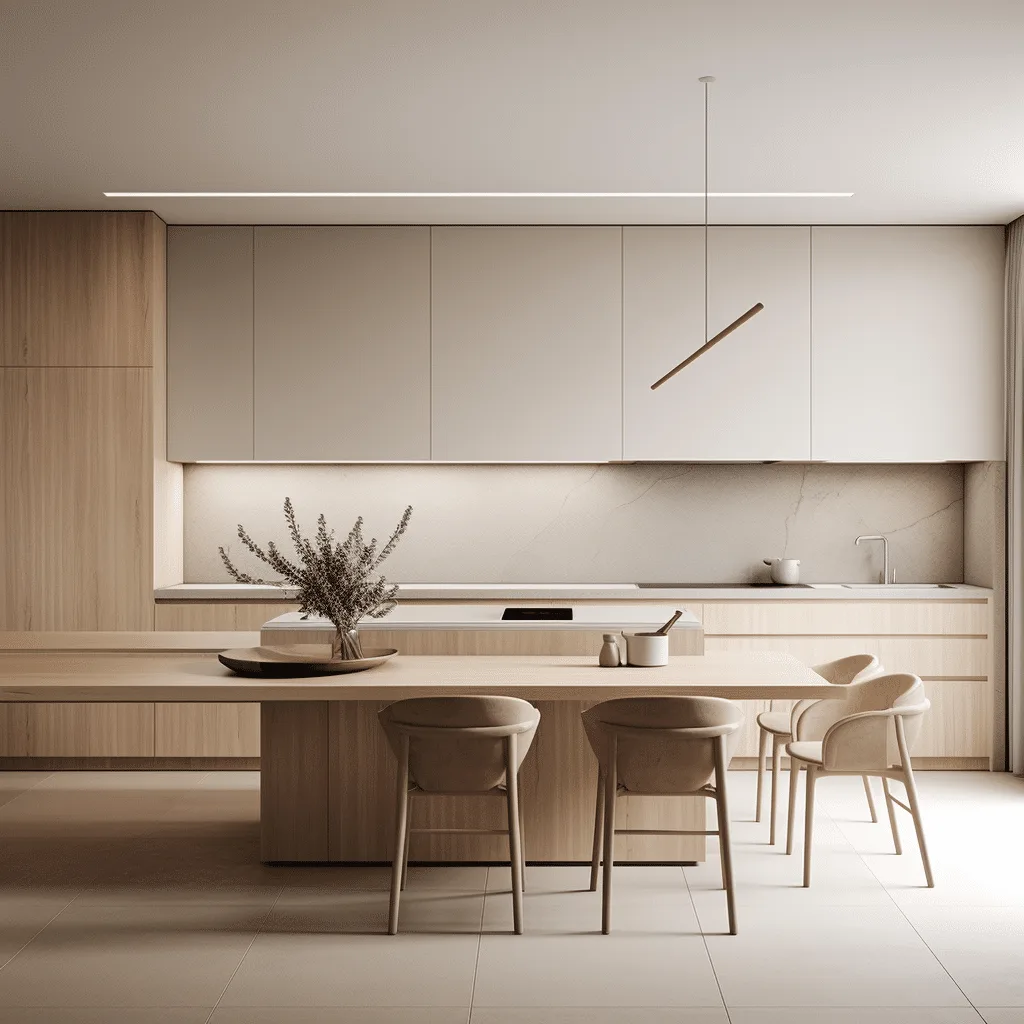
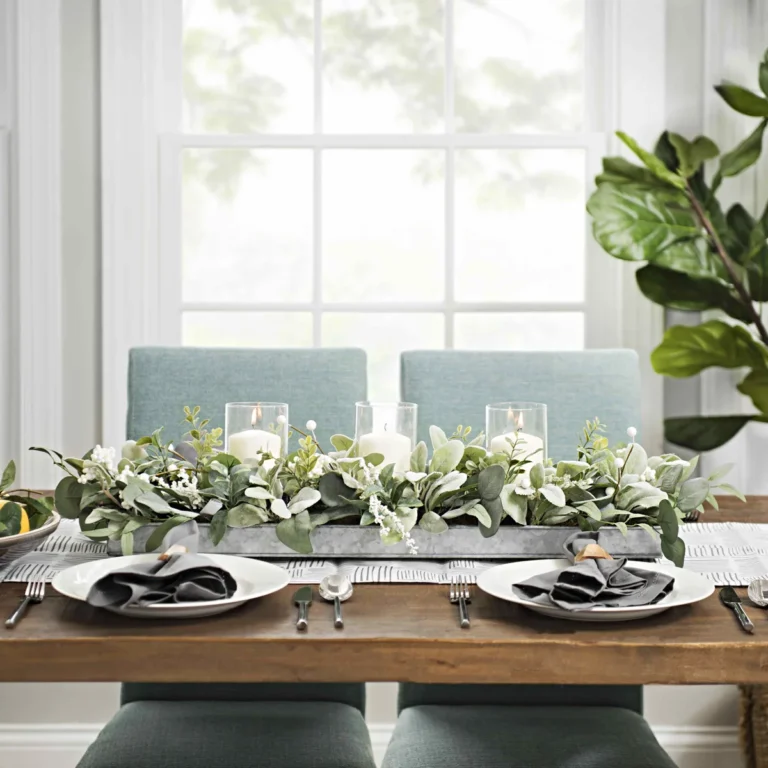
Image source: Web (Bing) / pl.pinterest.com (Web image (fair-use with source credit))
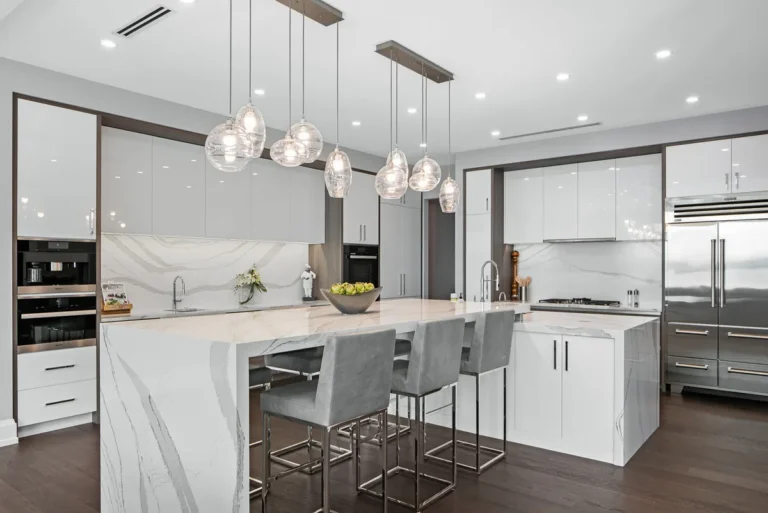
When choosing where to place items, prioritize the path between these three appliances. You want clear, unobstructed movement at all times. Do not place decorative floor items or bulky stands that force you to pivot awkwardly while holding hot cookware.
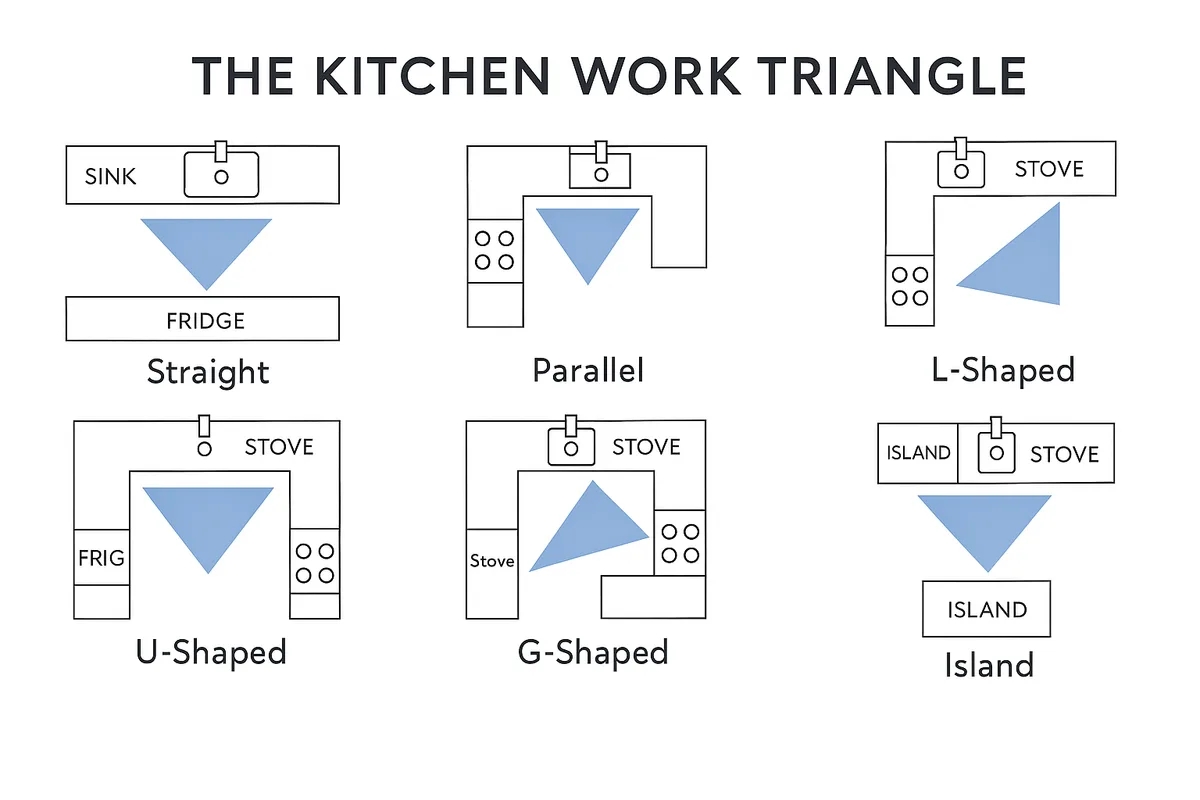
Image source: Web (Bing) / storage.googleapis.com (Web image (fair-use with source credit))
As of 2026, professional designers recommend that the sum of the three legs of the triangle stay between 13 and 26 feet. This distance allows for quick movement while preventing a cramped feeling. Keep your most-used items within arm's reach of these zones.
Visualizing Your Space: Lighting, Texture, and Scale
Lighting is the silent partner of kitchen decor. Without proper illumination, even the most expensive tiles or cabinets will look dull. You need three distinct layers to make the space feel complete: general overhead, focused task lighting, and ambient accent lighting.
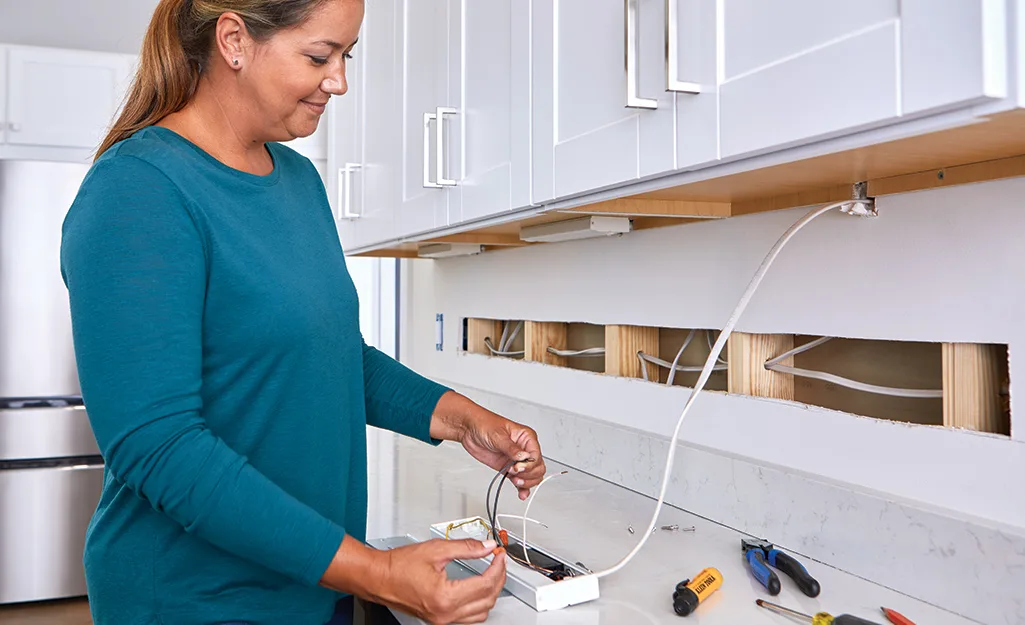
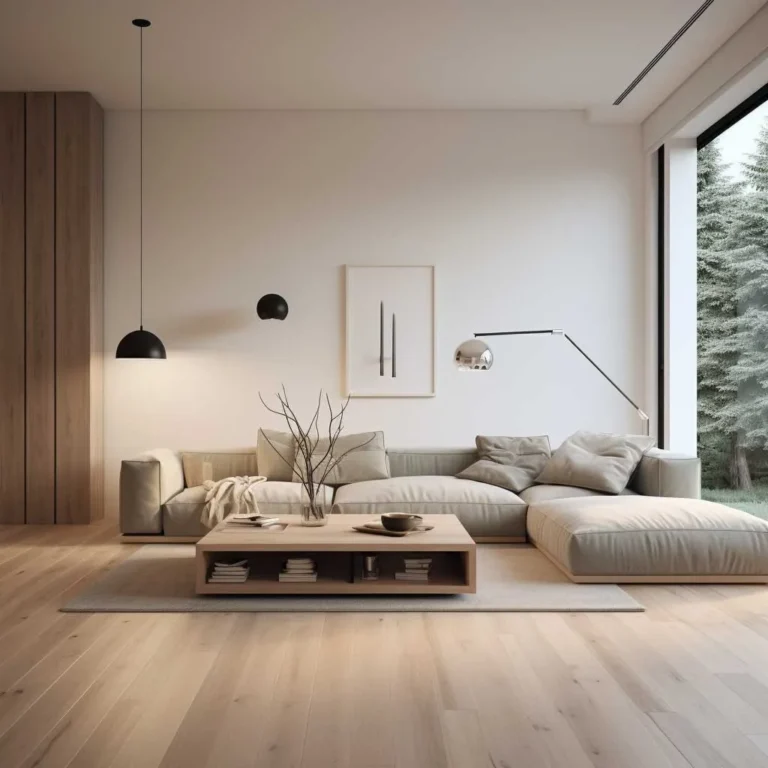
Image source: Web (Bing) / cabinet.matttroy.net (Web image (fair-use with source credit))
Kitchens are filled with cold, hard surfaces like stone counters and metal appliances. You must introduce softer textures to prevent the room from feeling like a sterile laboratory. Consider the following additions to warm up your visual palette:
- Natural Elements: Wooden cutting boards or acacia serving bowls add organic warmth.
- Soft Goods: A washable, low-profile runner rug adds color and comfort underfoot.
- Textiles: Linen kitchen towels hanging on oven handles bridge the gap between utility and style.
Scale is equally important when selecting your accessories. Large, singular items often look better than dozens of small trinkets. An oversized ceramic vase on an island makes a stronger statement than a handful of tiny decorative figurines.
The Layering Strategy: Moving From Fixed Fixtures to Personal Touches
Successful kitchen decoration follows a logical sequence. You start with the permanent features and finish with the pieces that reflect your personality. This prevents you from over-spending on items that might clash with your permanent fixtures later on.
Follow these three layers to build your look:
- Structural Layer: This includes your cabinets, hardware, and backsplash. Update these first, as they set the tone for the entire room.
- Utility Layer: Select items you use daily that also happen to look good. Think high-quality glass storage jars or a vintage-style tea kettle.
- Accent Layer: Introduce plants, framed art, or seasonal decor. This layer is the easiest to swap out when you want a quick refresh.
If you are working with older cabinets, focus your budget on hardware. Replacing dated knobs with modern matte black or brushed brass pulls can transform the room. It is a high-impact change that requires only a screwdriver.
Choosing Your Aesthetic: Analyzing Popular Kitchen Styles
Choosing a specific style helps you narrow down your color palette and material choices. Whether you prefer a sleek, minimalist vibe or something more traditional, consistency is your best tool. Use this table to decide which direction fits your existing space.
| Style | Key Materials | Color Palette | Decor Focus |
|---|---|---|---|
| Minimalist | Steel, Glass | Monochromatic | Hidden storage |
| Traditional | Wood, Stone | Warm Neutrals | Ornate hardware |
| Transitional | Hybrid textures | Greige, Navy | Balanced display |
| Industrial | Brick, Iron | Dark, Metallic | Open shelving |
If you opt for an industrial look, emphasize raw materials. Keep your brick or tile exposed and use metal-heavy lighting fixtures. If you prefer a traditional approach, stick to softer fabrics and classic stone patterns.
Avoid mixing too many distinct styles, as this creates visual tension.
Practical Maintenance: Styling for High-Traffic Surfaces
Every piece of decor in a kitchen must earn its place. If it doesn't serve a function, it will likely become a dust magnet that gets in the way of your cleaning routine. Prioritize items that are easy to wipe down or are naturally grease-resistant.
- Avoid Porous Decor: Keep items that are difficult to clean away from the stove area.
- Use Vertical Space: Use wall-mounted rails to hang utensils instead of countertop jars.
- Keep Surfaces Clear: Aim for 70 percent clear counter space to allow for easy meal prep.
By keeping your most active zones clear, you make cleaning after dinner a breeze. Store your decorative items toward the back of counters or on higher shelves. This keeps them visible for enjoyment while keeping the main work surface ready for action at a moment’s notice.
Essential Safety and Ergonomic Standards
Kitchen safety revolves around clear work zones and fire prevention. The National Fire Protection Association reports that cooking remains the leading cause of home fires. You should always maintain a clear distance between your stovetop and any decorative textiles or flammable accents.
Ensure your decor choices respect electrical safety as well. Never place decorative items near electrical outlets if they might obstruct access or accumulate moisture. If you add rugs, ensure they have a non-slip backing to prevent falls in areas where spills are common.
Ergonomics play a massive role in long-term satisfaction. Your counter height should ideally align with your natural waistline. If you find yourself hunching while prepping food, your decor shouldn't add to the problem by forcing you to move items constantly.
Keep pathways clear, at least 36 to 42 inches wide, to prevent collisions.
Common Kitchen Decorating Mistakes to Avoid
Most kitchen design failures happen when form overrides function. You might love the look of open shelving, but it becomes a maintenance burden if you aren't prepared to clean dust off your dishes regularly. Be honest about your habits before committing to any design choice.
Avoid ceiling clutter by leaving the space above your cabinets empty. Filling that gap with baskets or trinkets draws the eye upward and makes the room feel smaller. It also creates a massive cleaning challenge because grease and dust combine to form a stubborn film in those high spots.
Don't ignore the importance of color continuity. If you have a small kitchen, avoid dark, heavy paint colors that soak up light. Use lighter tones to make the room feel airy.
Always match your hardware finishes throughout the space, as mixing too many metals creates a chaotic look rather than a curated one.
Frequently Asked Questions
How can I make a small kitchen look larger with decor?
Use lighter color palettes for your walls and cabinets to reflect more light. Keep your countertops as clear as possible to create an illusion of space. Add mirrors or reflective surfaces to bounce natural light around the room.
Small, vertical accents can draw the eye up without crowding the workspace.
What is the most important element of kitchen design?
The most important element is the functional work triangle between your sink, stove, and refrigerator. Your design should support movement between these three points without any physical obstacles. If your decor interrupts this flow, your kitchen will feel frustrating to use regardless of how good it looks.
How often should I update my kitchen decor?
You can refresh your kitchen decor seasonally to keep the space feeling current without a total renovation. Small items like tea towels, rugs, or herb plants are easy to swap out every few months. Structural changes like cabinet pulls or lighting fixtures should be chosen for long-term utility rather than current trends.
Can I mix metal finishes in my kitchen?
You can mix metals, but do so with a clear strategy to avoid a mismatched look. Choose one primary metal for large fixtures like faucets and a secondary metal for accent pieces like cabinet hardware. Ensure both metals share the same tone, such as matte finishes, to keep the overall look cohesive.
What should I look for in a kitchen rug?
Select a low-profile, washable rug that won't interfere with cabinet doors opening and closing. Look for synthetic, moisture-resistant fibers that are easy to clean when spills happen. Always pair your rug with a non-slip pad to ensure it stays securely in place on tile or hardwood floors.