How to Decorate a Bedroom on a Budget
Learning how to decorate a bedroom on a budget requires a shift in perspective from buying new things to curating what you already own. You can achieve a high-end look by focusing on key visual elements rather than the quantity of your furniture.
Most professional designers follow specific ratios to create visual harmony in small spaces. As of 2026, research from the Environmental Protection Agency highlights that using low-VOC paints helps maintain indoor air quality during your room refresh. Focusing on these practical details ensures your space remains both stylish and healthy.
Quick Answer
You can decorate a bedroom on a budget by prioritizing texture. Focus on lighting and window treatments first. Limit your color palette to three main shades.
Repurpose existing furniture before buying new pieces. Keep your layout open for better airflow and comfort.
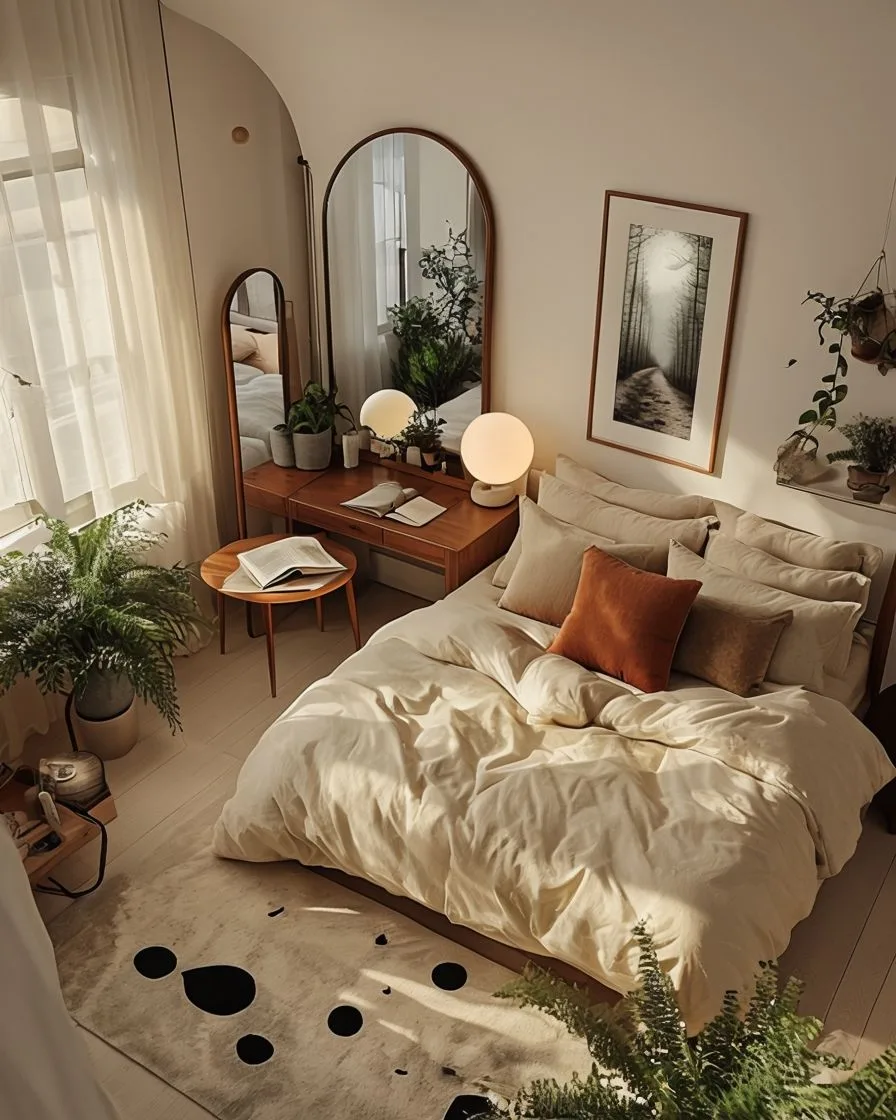
Image source: Bing (Web (fair-use with source credit))
The Visual Anatomy of a Budget-Friendly Bedroom
Decorating is not about spending money on every surface. It is about controlling where the eye travels when you walk into the room. A well-designed room uses focal points to distract from less desirable features like builder-grade carpet or outdated baseboards.
Think of your room as a series of layers. The first layer is the floor and walls, which provide the base tone. The second layer includes your furniture and window treatments, which add bulk and function.
The final layer consists of lighting and textiles, which provide the actual comfort.
If your room feels messy, you likely have too many small items. A budget-friendly room relies on a few large, intentional choices instead of a collection of small decor pieces. You want to create a sense of scale that makes the room feel purposeful.
The Empty Room Audit: Establishing Your Baseline
Before you spend a single dollar, you need to strip the room back to its core elements. Emptying the space allows you to see the true dimensions and light patterns of the room. This process prevents you from buying items that do not actually fit the layout.
Move all small decor items and clothes out of the bedroom. Take a moment to clean the windows, baseboards, and floors thoroughly. You will often find that a deep clean alone makes a room look twice as expensive as a cluttered one.
Once the room is empty, walk through the space to evaluate the flow. Where does the natural light hit during the day? Does the bed placement make sense, or does it block a walkway?
These questions help you identify the true potential of the room without the distraction of current clutter.
Mastering the 60-30-10 Color and Texture Rule
The 60-30-10 rule is a design standard used to balance color in any living space. You designate 60 percent of the room to a primary color, 30 percent to a secondary color, and 10 percent to an accent color. This prevents the room from feeling chaotic or visually overwhelming.
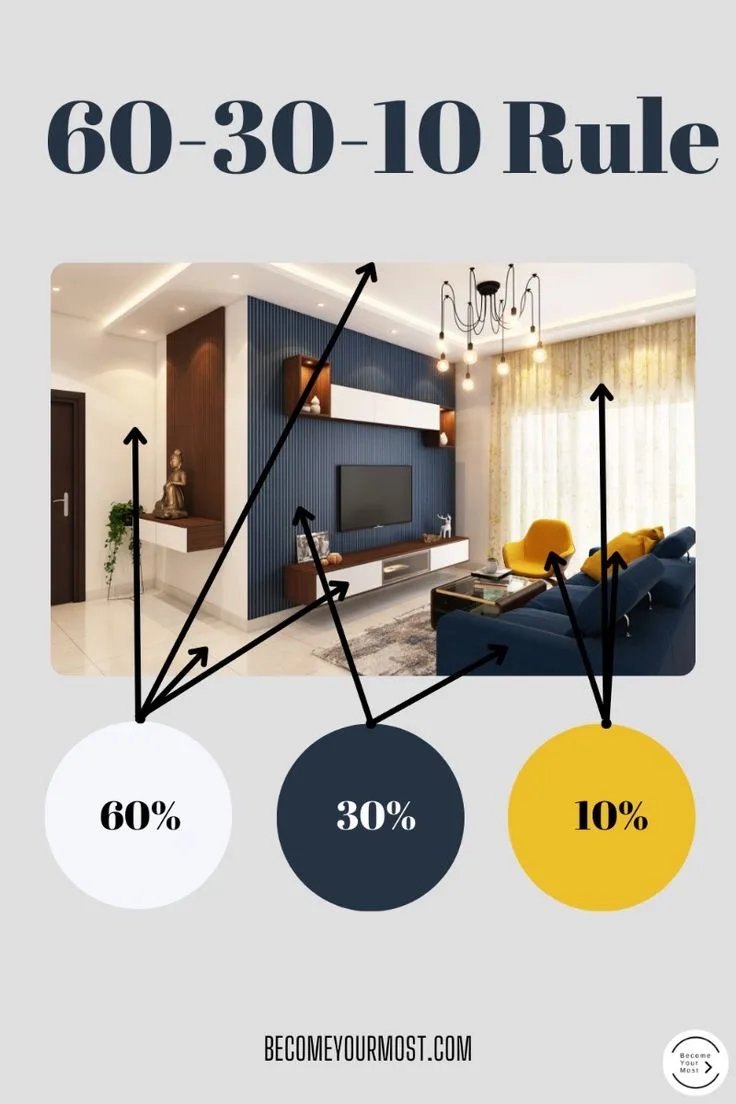
Image source: Web (Bing) / ar.pinterest.com (Web image (fair-use with source credit))
- Primary (60%): Walls, large rugs, or the bedspread. Keep this neutral to make the room feel larger.
- Secondary (30%): Curtains, chairs, or an accent wall. This adds interest without dominating the visual space.
- Accent (10%): Throw pillows, art, or small hardware. This is where you can add bold pops of color or texture.
Texture is just as important as color in a budget room. If your room feels flat, mix materials like wool, linen, and wood to create depth. A soft, chunky knit blanket on a smooth wooden bed frame creates an immediate feeling of luxury.
Strategic Upgrades: Where to Invest for Maximum Visual Impact
When money is tight, you must spend on items that provide the most functional and aesthetic return. Lighting is the most important factor in how expensive a room appears. Harsh, overhead lighting can make any space look clinical and cheap.
- Warm Lighting: Use bulbs rated at 2700K to 3000K for a warm, welcoming glow.
- Layered Sources: Add at least two light sources beyond the ceiling fixture, such as a bedside lamp or a floor lamp.
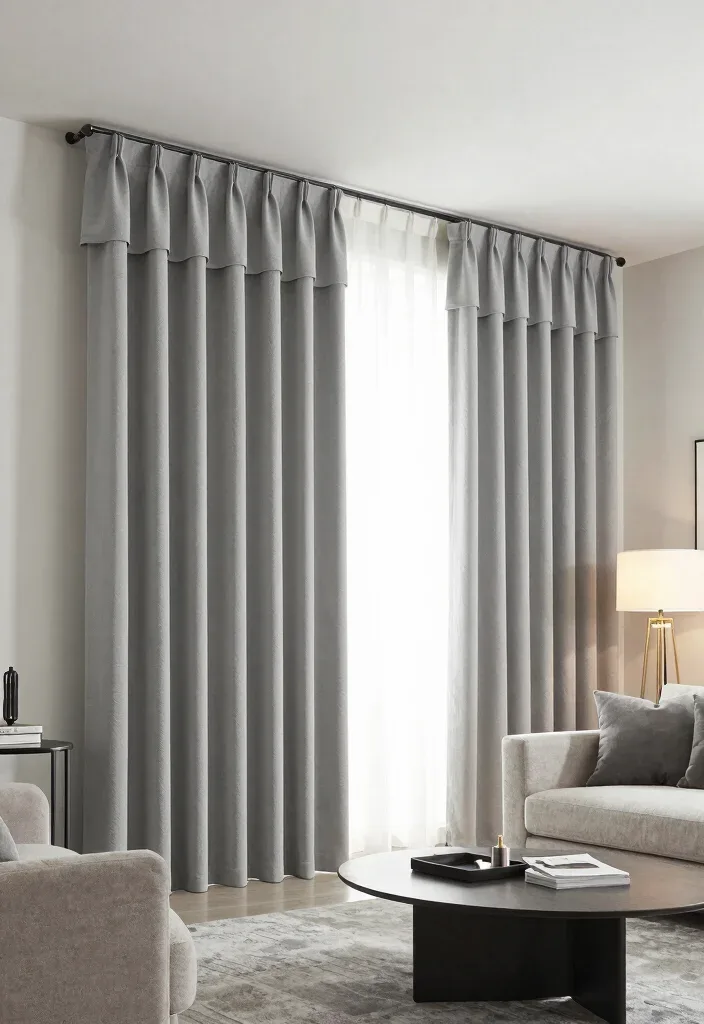
- Window Height: Mount your curtain rods at least 6 inches above the window frame. This creates the illusion of higher ceilings.
Invest in quality textiles that you touch every day. A high-thread-count sheet set or a heavy-duty curtain fabric feels better to the skin and lasts longer. You can often find these items on sale or at estate sales rather than buying them new at full retail prices.
The DIY Refresh: Upcycling and Hardware Hacks
You do not need to replace your furniture to change the style of your bedroom. Many pieces of mass-produced furniture can be transformed with a simple change of hardware. Replacing standard plastic knobs with solid brass or matte black metal pulls makes a piece look custom.

Image source: Web (Bing) / amazon.com (Web image (fair-use with source credit))
If you have old, scuffed wooden furniture, consider a light sanding and a fresh coat of low-VOC paint. Follow these basic steps to ensure a professional finish:
- Lightly sand the surface to remove the existing finish.
- Apply a primer to ensure the paint adheres correctly to the wood grain.
- Use two thin coats of paint rather than one thick coat for a smoother finish.
- Replace hardware with modern designs once the paint has fully cured.
This process is significantly cheaper than buying new furniture. It also keeps perfectly functional items out of the landfill. Always verify that your paint is low-VOC to avoid lingering odors in your sleeping space.
Common Visual Mistakes That Make Rooms Look Cheap
Most decorating mistakes happen when you prioritize filling space over creating harmony. The most common error is choosing furniture that is too small for the room dimensions. If your nightstands are tiny compared to your bed, the entire scale of the room feels off.
Another frequent oversight is the showroom effect. This happens when you buy an entire matching set of bedroom furniture from a single store. Rooms look much more expensive when pieces are gathered over time rather than bought in a single, identical package.
Poor cord management also ruins the aesthetic of a bedroom. Visible tangles of wires behind a television or bedside lamp create immediate visual noise. Use simple clips or cable sleeves to tuck these away, as a clean floor line makes any space look professionally finished.
Finally, avoid placing art at the wrong height. Many people hang pictures too high, forcing the eye to strain upward to see them. As a rule of thumb, the center of your artwork should sit at roughly 57 inches from the floor, which aligns with the average human eye level.
Frequently Asked Questions About Budget Bedroom Design
How do I make a small bedroom feel larger?
You can make a bedroom feel larger by using mirrors to reflect natural light. Choose light, neutral wall colors and keep the floor clear of unnecessary items. Floating furniture, like wall-mounted nightstands, also helps by showing more of the floor surface.
What is the most cost-effective way to change a room?
Paint is the most cost-effective tool for changing the atmosphere of a room. A fresh coat of high-quality, neutral paint hides scuffs and instantly brightens the space. Pair this with new textiles and hardware to achieve a total transformation for a fraction of the cost of new furniture.
How often should I refresh my bedroom decor?
There is no hard rule, but shifting your textiles seasonally keeps the space feeling fresh. You might switch to heavier, warmer bedding in the winter and lighter, breathable linen fabrics in the summer. This approach changes the look without requiring a permanent investment or major furniture moves.
Can I mix metal finishes in a bedroom?
Mixing metals is acceptable if you keep one finish as the dominant choice. For instance, you can use brass for your primary lighting and hardware, then add a small accent piece in matte black. Keeping the ratio to roughly 80 percent of one finish and 20 percent of another creates a look that feels intentional.
When should I replace my mattress vs just the frame?
Replace your mattress when it shows signs of uneven wear, loss of support, or causes discomfort upon waking. The frame is a separate aesthetic choice and should only be replaced if it fails to support your weight or no longer fits your design goals. You can often modernize an old bed by adding a new headboard or using a tailored bed skirt.