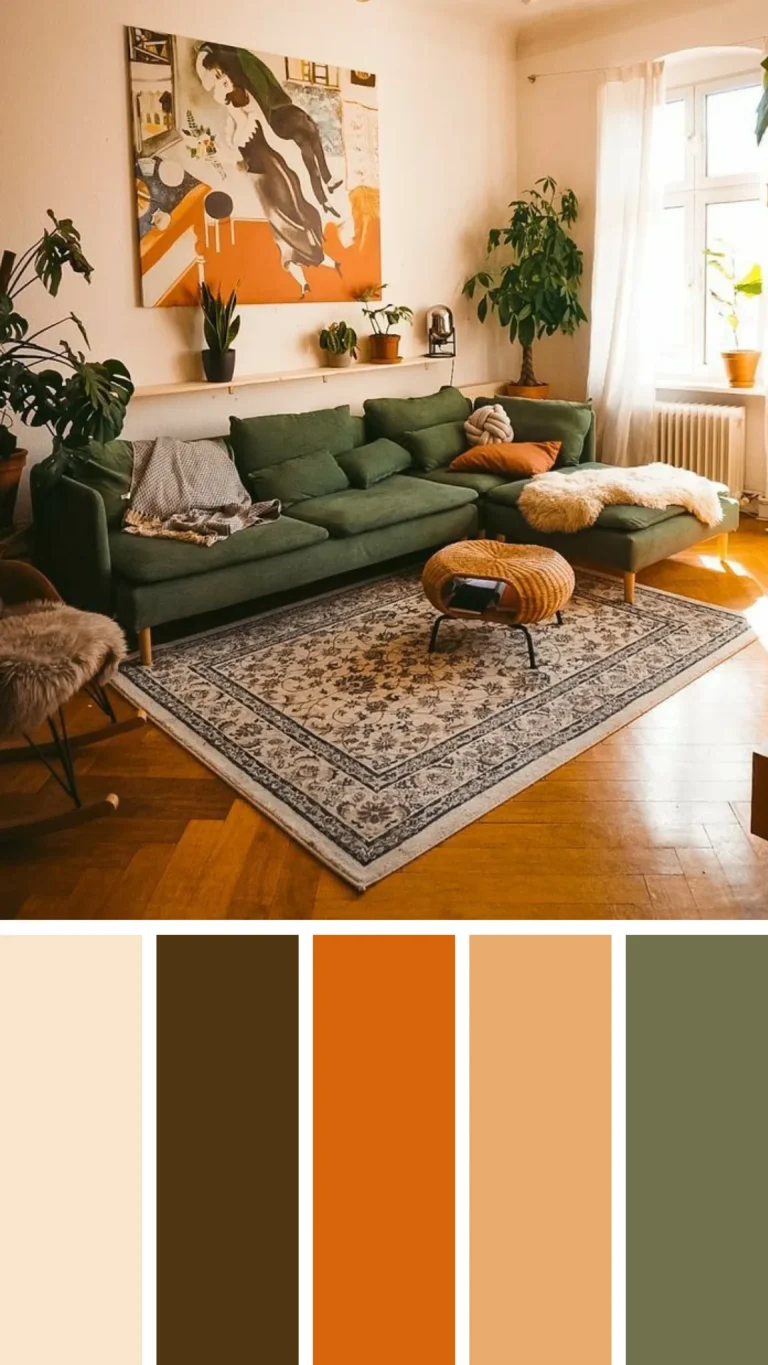
How to Choose a Living Room Rug
Choosing the right rug shouldn't be a source of stress. When you know how to choose a living room rug, you create a foundation that ties your entire home together.
We’ve reviewed spatial standards and material durability to simplify the process for you. Per the Carpet and Rug Institute, selecting the correct fiber and size ensures your floor covering survives high-traffic zones as of 2026.
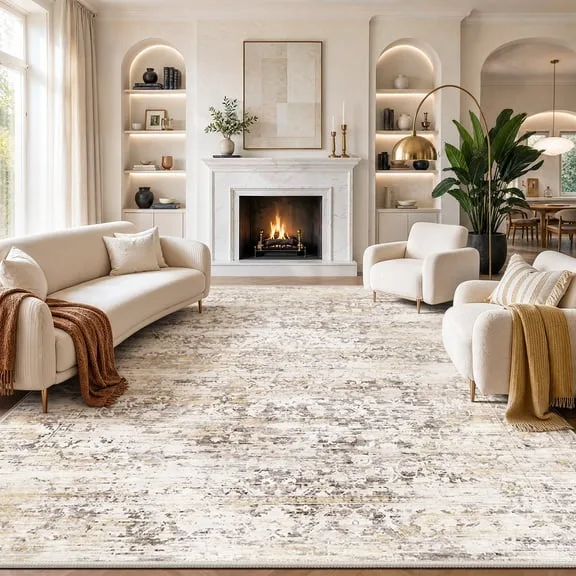
Quick Answer
To choose a living room rug, measure your seating area first. Aim for a size that anchors your main furniture pieces. Pick durable fibers like wool for busy homes.
Use a rug pad to prevent slips. Check your space with painter's tape before you buy.
Why Your Rug Layout Changes Everything
Your rug acts as a visual boundary for your living room. Without one, furniture often looks like it’s floating aimlessly in the middle of the floor. A rug provides a designated zone for conversation and relaxation.
It also serves as a protective layer for your flooring. Hardwood or laminate surfaces suffer from scuffs when furniture legs shift under weight. A high-quality rug prevents direct contact, preserving your floor finish over time.
Think of the rug as the frame for your room. A well-chosen size brings chairs and sofas into a unified cluster. It makes a large, cavernous space feel cozy and intimate.
It also helps define the purpose of an open-concept layout.
The Spatial Hierarchy: How to Size Your Rug for the Room
Scale is the most common reason a room looks mismatched. A rug that is too small highlights empty space rather than filling it. Aim for a rug that creates a clear perimeter around your coffee table.
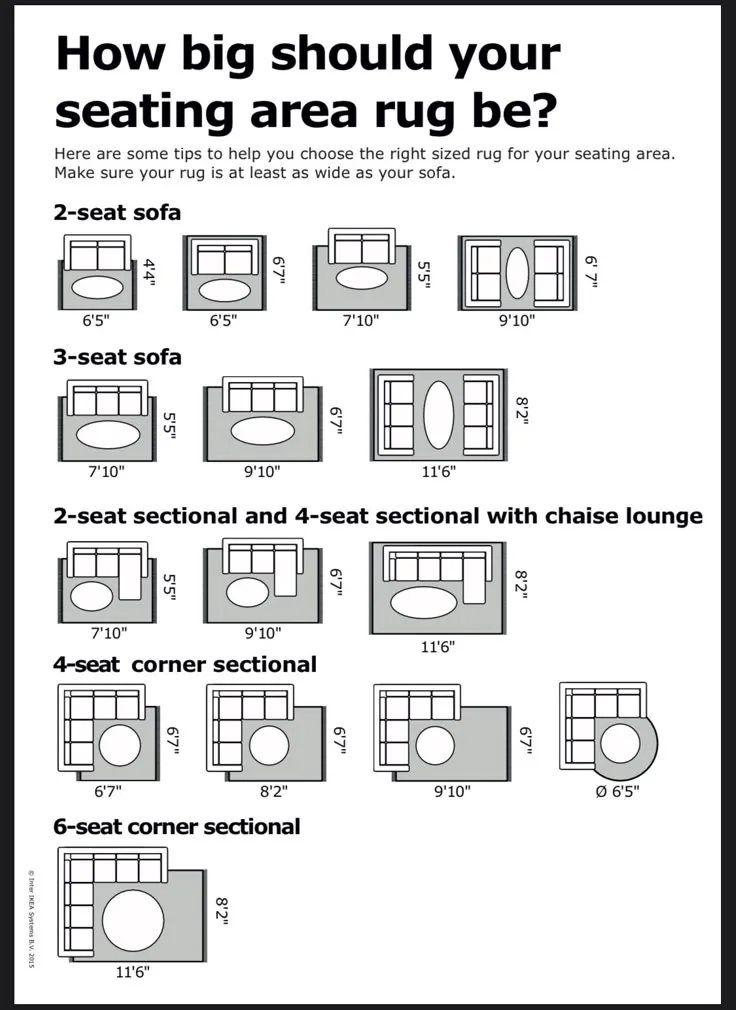
The "All Legs On" approach is the gold standard for luxury. You need a rug large enough to fit all four legs of your sofa and armchairs. This requires a spacious room, usually 9×12 or larger.
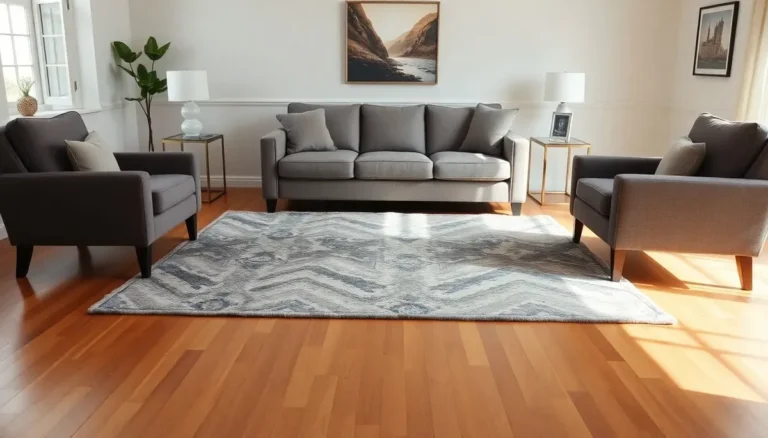
The "Front Legs On" method works best in average-sized homes. Place the front legs of your sofa and accent chairs onto the rug. This maintains a clean line while keeping the floor feeling expansive.
Avoid "no legs on" layouts, as they create a floating, disconnected look.
Material Matters: Matching Durability to Your Daily Life
Your choice of material dictates how often you need to clean and replace the rug. High-traffic areas require resilient fibers that resist crushing. You should weigh softness against the reality of your household usage.
- Wool: The gold standard for longevity. It is naturally stain-resistant and holds its shape under heavy furniture.
- Jute and Sisal: Excellent for texture and casual appeal. These fibers are durable but can be rough under bare feet.
- Synthetic Fibers: Polypropylene options resist moisture and fading. These are ideal for homes with pets or children.
- Cotton: Lightweight and washable. These work well in small, low-traffic areas but lack the heft of thicker rugs.
Research from university extension programs suggests that natural fibers like wool are generally more fire-resistant than some low-cost synthetic alternatives. Always check the manufacturer documentation if flammability is a concern in your specific home setup.
The Visual Balance: Patterns, Textures, and Room Cohesion
The rug is a major color anchor in your living room design. If your room features patterned pillows or bold curtains, a neutral rug with subtle texture is a safe, effective choice. It prevents the space from feeling too cluttered or chaotic.
If your furniture is solid-colored or minimalist, use the rug as your statement piece. A geometric pattern or a rich, dark color can add depth to an otherwise flat room. You are building a palette where the rug acts as the base layer for your interior colors.
Consider the texture as much as the pattern. A high-pile or shag rug feels plush underfoot but hides dirt and debris easily. A flat-weave rug is much easier to vacuum, making it the better choice for frequent cleaning routines.
Step-by-Step: The Tape-Out Method for Perfect Placement
Don't guess the size. Use painter's tape to mark the dimensions of potential rug sizes directly on your floor. This allows you to see exactly how the rug will interact with your existing furniture layout.
- Clear the floor: Move your coffee table and clear the space around your sofa.
- Mark the dimensions: Use blue painter's tape to outline a 5×8, 8×10, or 9×12 area.
- Test the placement: Sit on your sofa to ensure the rug reaches far enough under your feet.
- Observe the flow: Check if the rug interferes with doorway swings or high-traffic walking paths.
This simple step prevents the disappointment of ordering a rug that arrives and doesn't fit the room. Seeing the outline helps you visualize the balance of the room in real time. It confirms whether the "front legs on" or "all legs on" strategy is achievable.
Keeping It Fresh: Maintenance and Longevity Secrets
Regular maintenance keeps your rug fibers from matting down or fraying. Vacuuming is your most important tool for long-term care. Use a suction-only setting for most rugs, especially if they feature intricate weaves or delicate fringe.
Rotate your rug 180 degrees every six months to ensure even wear. Sunlight can fade natural fibers, so this simple shift hides the impact of uneven light exposure. If you notice high-traffic paths starting to look flat, a professional steam cleaning every 18 to 24 months will lift the fibers and remove deep-seated dirt.
Always act fast on spills to prevent permanent staining. Blot the area with a clean, white cloth rather than rubbing. Rubbing pushes the liquid deeper into the rug backing and can damage the fiber structure.
Check manufacturer care tags for specific cleaning agents recommended for your rug’s unique fiber composition.
Common Pitfalls That Ruin a Good Rug
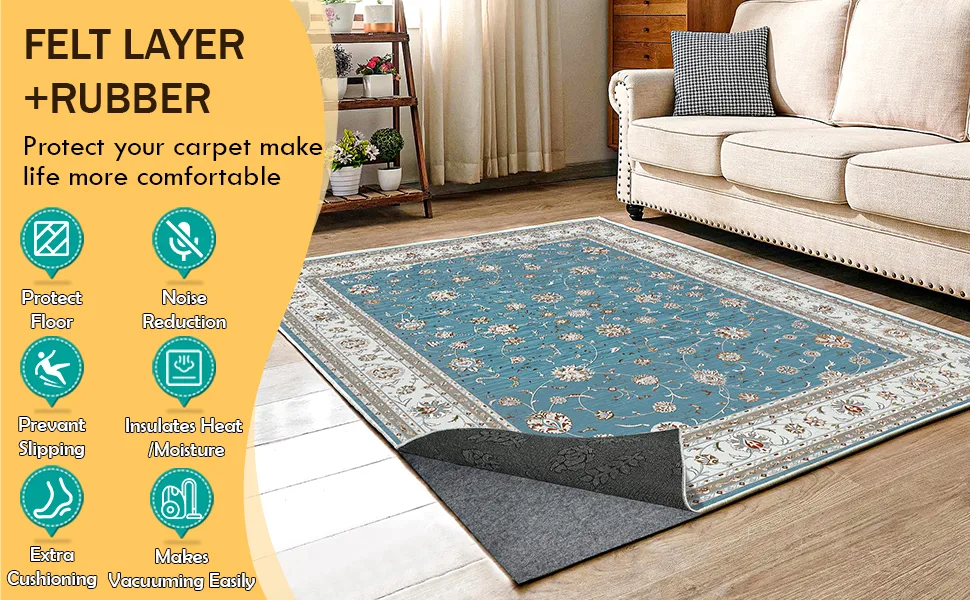
The most frequent mistake is skipping the rug pad. A quality pad acts as a shock absorber that protects the rug backing from the friction of your floor. Without it, the rug slides during daily use and eventually develops holes or thin spots.
Another common error is ignoring the "traffic test." Placing a high-pile or delicate wool rug in a direct path between your kitchen and front door will lead to rapid wear. Choose flat-weave or synthetic materials for these high-movement areas.
Finally, don't overlook the edge curl. Rug corners often lift when they get caught by feet or vacuum heads. You can fix this by lightly misting the back of the corner with water and weighing it down under a heavy book overnight.
Keep your edges flat to prevent tripping hazards in high-traffic zones.
Frequently Asked Questions
How do I stop a rug from sliding on hardwood floors?
Use a high-quality felt and rubber rug pad to stop sliding. The rubber side grips your hardwood while the felt side provides a cushioned surface for the rug to rest on. Avoid cheap plastic mesh pads, as they offer little grip and can leave sticky residue on your flooring over time.
Can I layer a rug over existing wall-to-wall carpet?
Yes, you can layer a smaller rug over carpet to define a seating zone. Use a specialized pad designed for carpet-to-rug transitions to prevent bunching. This adds depth and visual interest while protecting your underlying carpet in the high-traffic area beneath your coffee table.
Should I choose a patterned or solid rug for a small living room?
Solid rugs or subtle textures often make small rooms feel larger by creating a continuous surface. If you prefer patterns, opt for low-contrast designs that don't visually overwhelm the floor space. A simple, light-colored rug will reflect more light and help the room feel bright and open.
How often should I professionally clean my living room rug?
Most manufacturers recommend a professional deep clean every 12 to 24 months. If you live in a high-traffic home with pets or children, you might need cleaning once a year to remove allergens and trapped debris. Always consult the care label provided by the manufacturer before hiring a service.
What is the best rug material for homes with shedding pets?
Short-pile synthetic materials like polypropylene are the easiest to clean. They don't trap pet hair as easily as long-pile wool or shag rugs. These materials are also resistant to moisture and stains, allowing for easy spot-cleaning when accidents happen.